
 한국어
 English
 日本語
 中文(简体)
 Viewing now
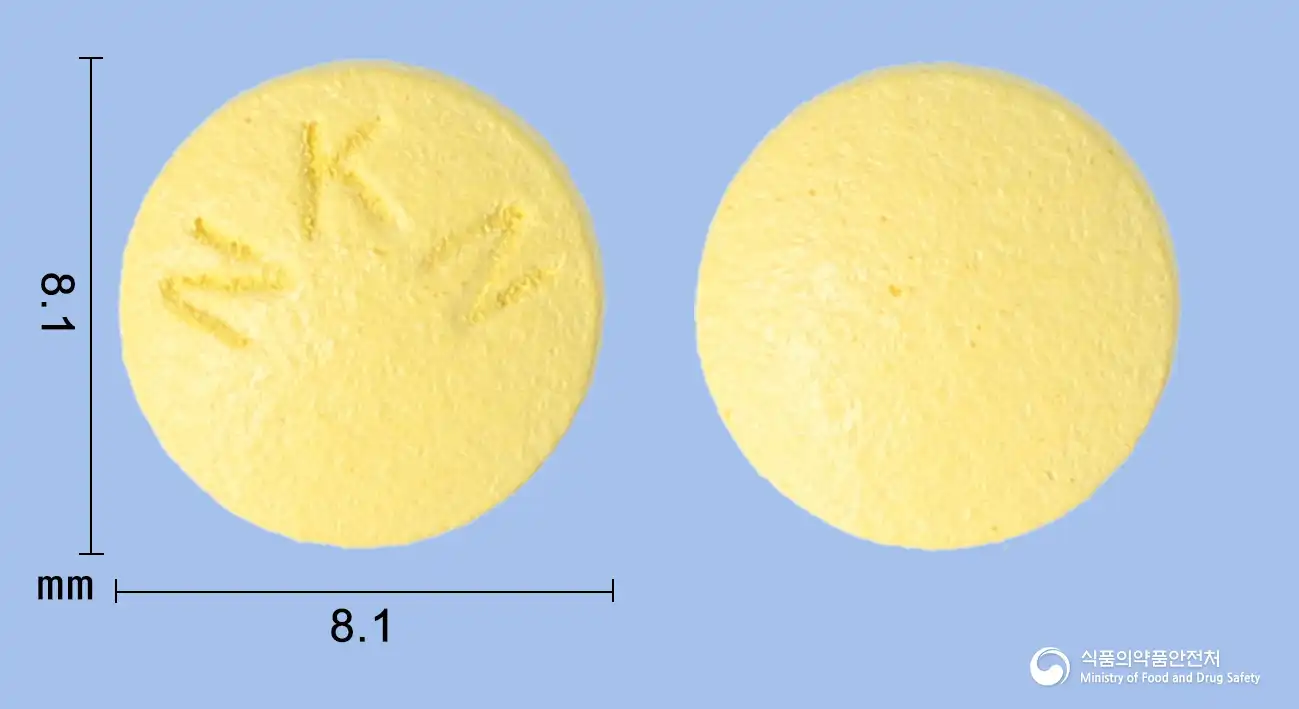
Nitadine Tablets (Nizatidine)
Nizatidine 75mg
Tablet · OTC medication
Nexpam Korea Co., Ltd.
MFDS item code 200302728 · Notified 2003.02.24 · Insurance code 662500540
Relief of symptoms of excessive stomach acid (heartburn, acid regurgitation, etc.)
Gastrointestinal symptoms such as heartburn, overproduction of gastric acid, and belching are mainly associated with gastrointestinal diseases. The medications used to alleviate these symptoms help regulate stomach acid secretion or protect the gastric mucosa. Therefore, improving these symptoms reduces discomfort for the patient in daily life. It is generally used for heartburn, overproduction of gastric acid, and belching.
Adults (15 ∼ 79 years): Administer 75 mg of nizatidine orally once daily. If symptoms have not improved after 8 hours, an additional 75 mg may be administered. Do not exceed 150 mg per day.
This medication should not be taken by individuals who have hypersensitivity to certain drugs or conditions, or who have previously experienced allergic reactions to similar medications. Individuals who have previously suffered from blood-related diseases such as anemia or decreased blood cell count should also avoid this medication. If taking other gastrointestinal medications, caution should be exercised due to the risk of side effects from overlapping medications. People with blood disorders, liver or kidney diseases, gastrointestinal diseases, asthma, or autoimmune diseases such as rheumatism, or those taking steroids, antibiotics, or anticancer drugs should consult a healthcare professional before taking this medication. Use is not recommended for children under 15 years old and the elderly over 80 years old. Women who are pregnant or may become pregnant, and nursing mothers should not take this medication due to the lack of established safety. This medication contains lactose, so individuals with lactose intolerance or related genetic disorders should avoid it. During the course of this medication, do not take high-dose aspirin, certain anticancer or antibiotic drugs, and other gastrointestinal medications simultaneously as drug interactions may decrease the effectiveness or cause side effects. Alcohol consumption should also be avoided, as taking it with alcohol may increase the risk of side effects. Before taking, patients should inform healthcare providers of any history of drug allergies, current illnesses being treated, or other medications being taken. Especially consult a professional before using this medication if symptoms of infection such as sore throat, cough, or high fever are present, or if experiencing unexplained weight loss or persistent abdominal pain. This medication contains specific coloring agents, so it should be used cautiously if there is an allergy to these agents. If symptoms such as rashes, difficulty breathing, abnormal blood symptoms, indigestion, liver dysfunction, or neurological symptoms occur during use, discontinue immediately and consult a healthcare provider. If the dosage is exceeded or if symptoms do not improve within three days, consult a professional immediately. This medication may mask symptoms of gastric cancer, so it should only be used after confirming the malignancy status, and the dosage may need to be adjusted for patients with severe liver or kidney impairment. Do not use for extended periods beyond two weeks, and strictly adhere to the prescribed dosage and frequency. To reduce heartburn or overproduction of gastric acid symptoms, do not lie down immediately after meals, limit caffeine, chocolate, fried foods, and alcohol consumption, avoid eating just before bedtime, lose weight if overweight, and reduce or quit smoking.
Not everyone experiences these, and they can vary from person to person.
This medication should not be taken with other gastrointestinal medications, steroids, antibiotics, anticancer drugs, azole antifungals, high doses (3,900 mg) of aspirin, gefitinib, and fluoroquinolones such as pralidoxime and atazanavir.
Do not consume alcohol while taking this medication. Avoid caffeine, chocolate, and fried foods.
This medication may be sensitive to air or moisture, so it must be stored in a tightly sealed container. The recommended storage temperature is room temperature, ideally between 1 and 30 degrees Celsius. This will help maintain the efficacy of the medication.
Pale yellow round film-coated tablets
30 tablets/bottle, 500 tablets/bottle
Even with the same ingredient, strength, dosage form and how it is taken can differ.
Viewing nowNizatidine 75mg
Tablet · OTC medication
Nexpam Korea Co., Ltd.
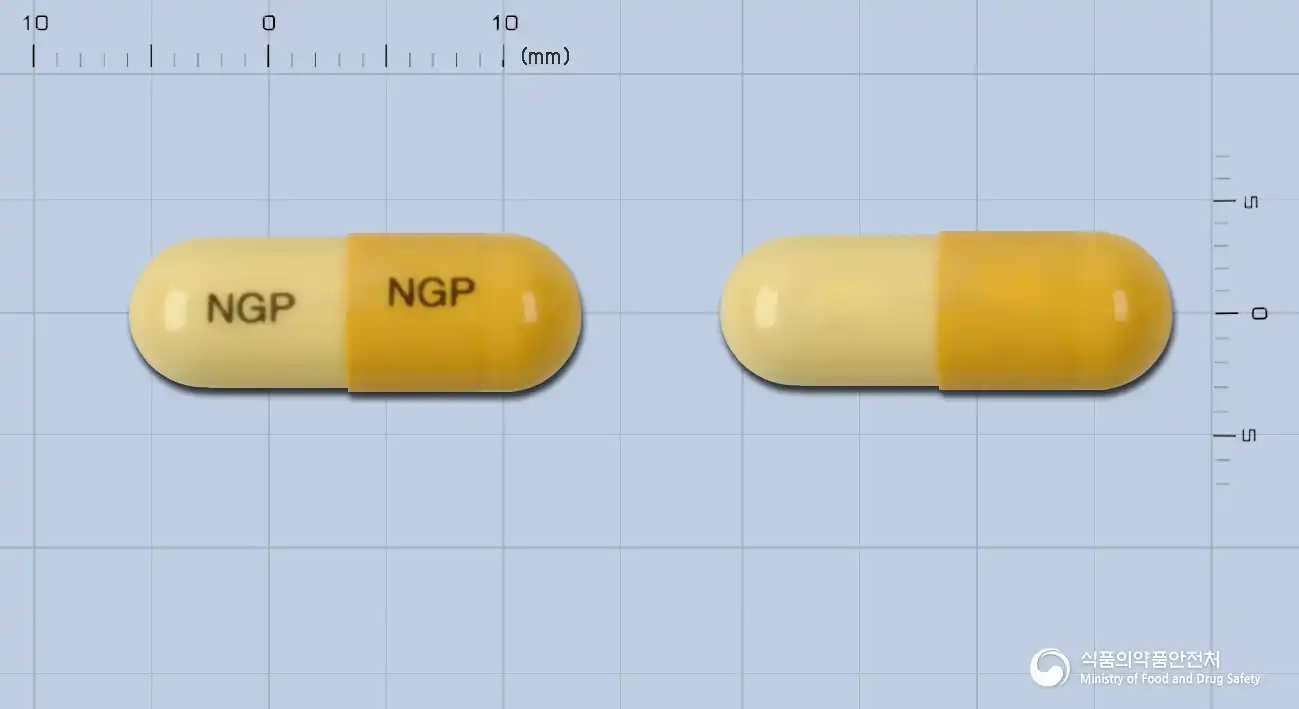
Nizatidine 150mg
Hard capsule · Prescription medication
Celix Co., Ltd.
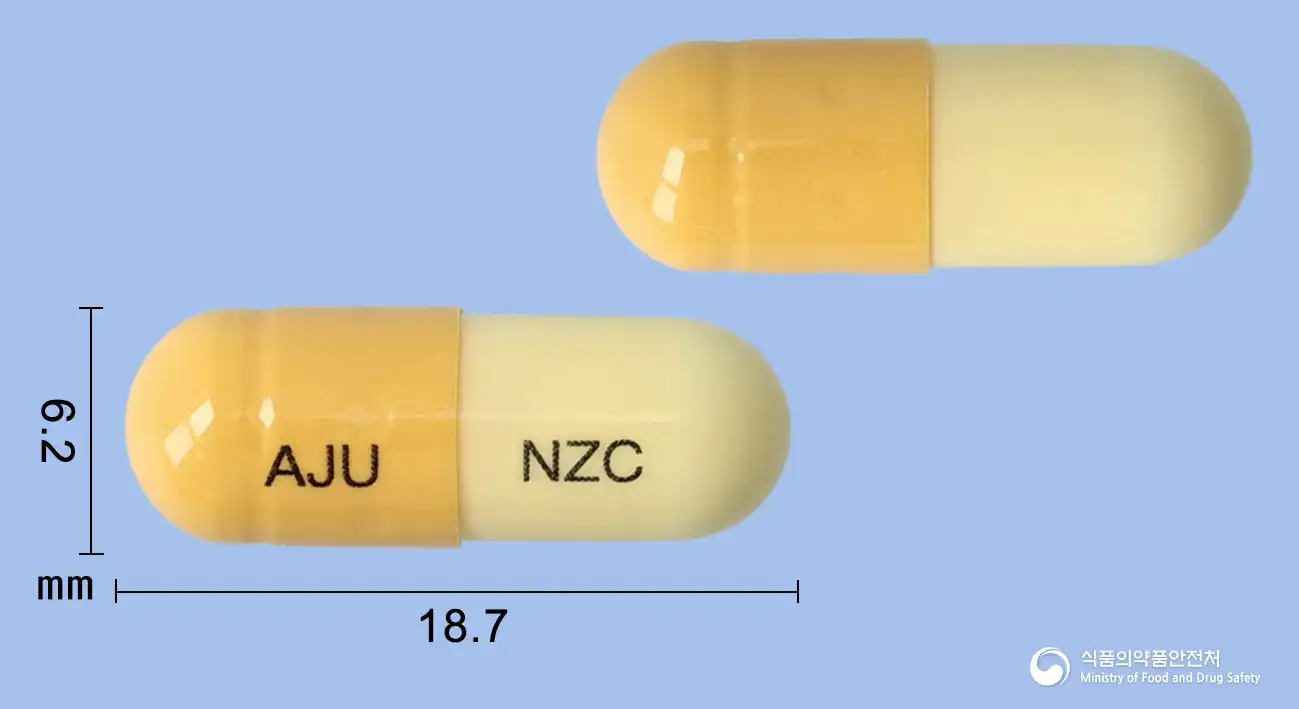
Nizatidine 150mg
Hard capsule · Prescription medication
Ajou Pharmaceutical Co., Ltd.
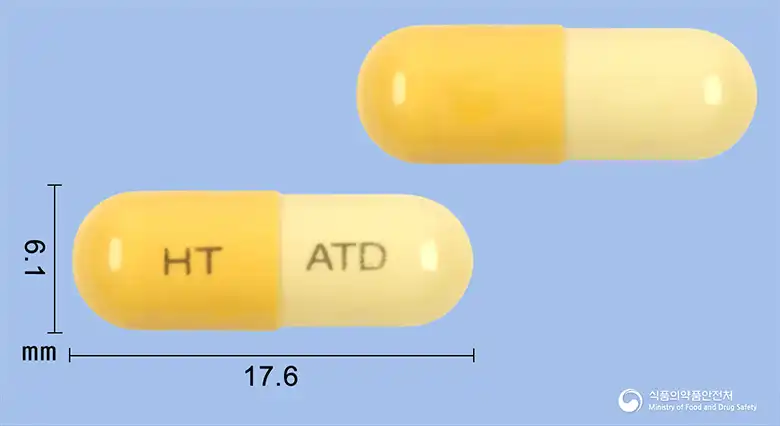
Nizatidine 150mg
Hard capsule · Prescription medication
Hankook Hyutex Pharmaceutical Co., Ltd.
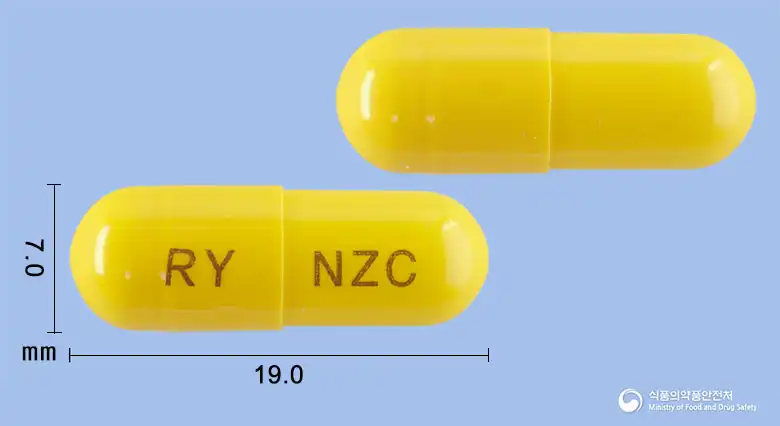
Nizatidine 150mg
Hard capsule · Prescription medication
IYON Pharmaceutical Co., Ltd.
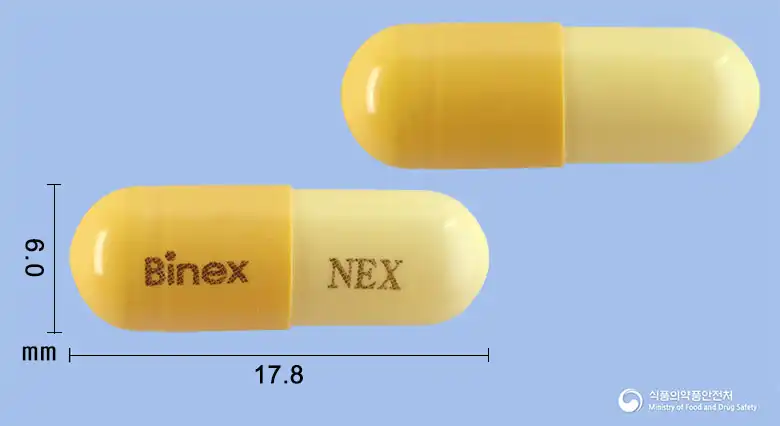
Nizatidine 150mg
Hard capsule · Prescription medication
Bionex Co., Ltd.
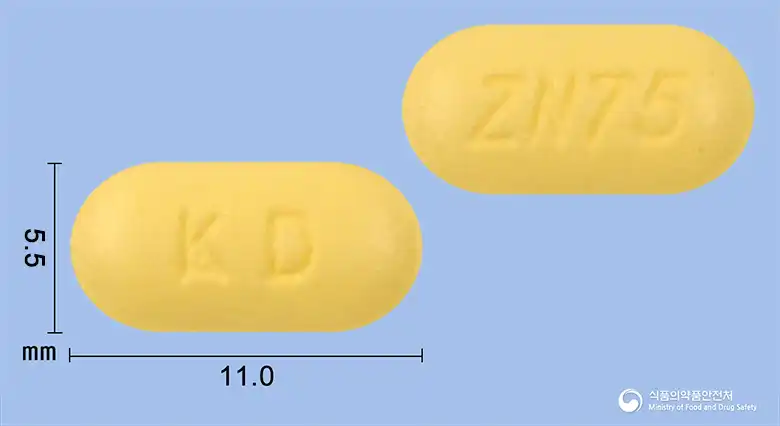
Nizatidine 75mg
Tablet · OTC medication
Kyungdong Pharmaceutical Co., Ltd.
Nizatidine 75mg
Tablet · OTC medication
HLB Pharmaceuticals Co., Ltd.
Even with the same ingredient, the dose and directions can differ by strength and dosage form. Talk to a doctor or pharmacist before switching from a medication you are already taking.
No questions yet.
For anything that needs medical judgment, consult a doctor or pharmacist.
This drug information is based on data provided by the Korea Ministry of Food and Drug Safety.
Consult a doctor or pharmacist for accurate dosage, administration, and usage instructions.