한국어
 English
 日本語
 中文(简体)
 Viewing now
Enteron Tablets 50 mg (Grape Seed Extract)
Grape Seed Oil Dried Extract 50mg
Tablet · Prescription medication
Haleun Pharmaceutical Co., Ltd.
MFDS item code 200302297 · Approved 2003.05.16 · Insurance code 645301200
Improvement of venous and lymphatic insufficiency, lymphedema after breast cancer treatment, adjunctive treatment of diabetic retinopathy
This medication helps improve symptoms such as heaviness and pain in the lower limbs and restless leg syndrome associated with venous lymphatic dysfunction. It is also used as an adjunctive therapy along with physical therapy to alleviate awareness symptoms related to lymphedema caused by breast cancer treatment, especially skin tension. Furthermore, it may be administered as an adjunctive therapy along with diabetic etiotropic therapy for moderate non-proliferative diabetic retinopathy in patients with type 2 diabetes who do not have macular edema. This medication effectively acts on various symptoms and conditions to improve patients' quality of life.
1. Improvement of symptoms associated with venolymphatic insufficiency Adults: Administer 300 mg per day of grape seed dry extract in 2 divided doses. 2. Lymphedema due to breast cancer treatment: Administer 300 mg per day of this drug in 2 divided doses. 3. Ophthalmic diseases<sup>☆</sup> Adults: Take 3 tablets (150 mg) per day of this drug in 2 divided doses (2 tablets in the morning and 1 tablet in the evening). ☆ Additional submission of domestic clinical trial results
This medication should not be used in patients who are allergic to this medication or its components. This medication contains colorants Yellow No. 4 and Yellow No. 5, so patients who have had an allergic or hypersensitivity reaction to these colorants should use caution when taking this medication. Rarely, allergic reactions such as hives, itching, rashes, photosensitivity, and eczema may occur when taking this medication. If such symptoms appear, the intake of the medication should be discontinued. In very rare cases, Quincke's edema, resulting in swelling of the face or neck, may also occur. Gastrointestinal discomfort may occur, with symptoms such as abdominal pain, nausea, and diarrhea occurring rarely. Very rarely, headaches may occur, and if these symptoms persist, a consultation with a doctor should be sought. During pregnancy, animal studies have not shown adverse effects on the fetus, but safety in humans has not been fully established, so it should only be used when necessary. During breastfeeding, there is no information on whether this medication passes into breast milk, so its use is not recommended while nursing. This medication should be stored out of the reach of children and should be kept sealed in a cool, dry place out of direct sunlight. To maintain the quality of the medication and to prevent misuse, it is important not to transfer the medication to another container.
Not everyone experiences these, and they can vary from person to person.
Since this medication may be sensitive to air or moisture, it must be stored in a sealed container. It is important to maintain a storage temperature between 1 degree and 30 degrees Celsius. By storing it this way, the medication can maintain its efficacy for a long time.
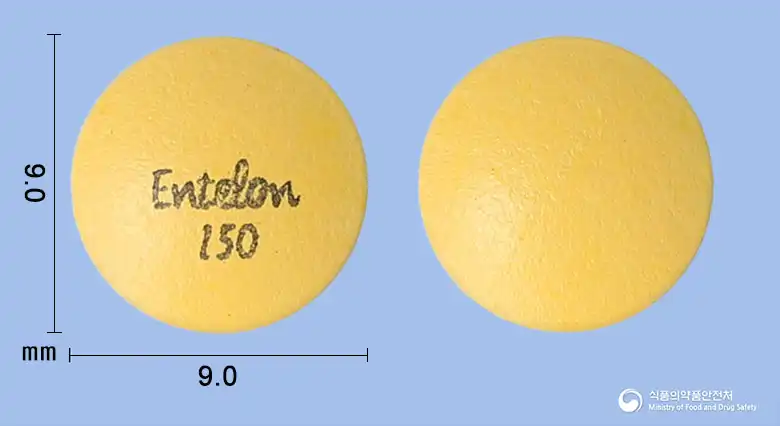
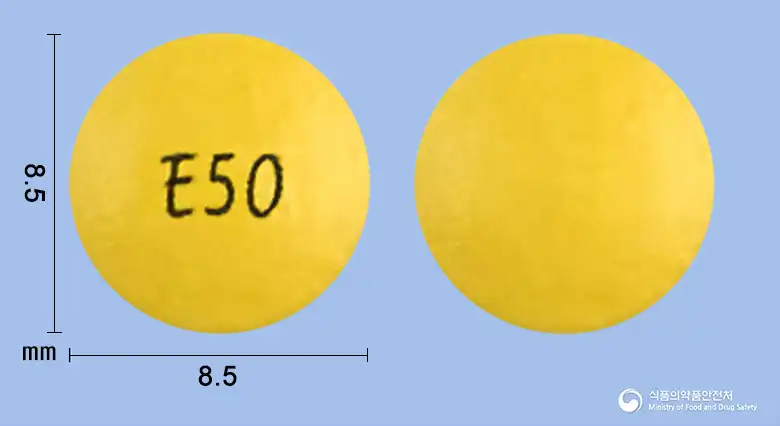
Yellow round enteric-coated film-coated tablet
90 tablets (15 tablets/PTP packaging X6), 500 tablets/bottle
Even with the same ingredient, strength, dosage form and how it is taken can differ.
Even with the same ingredient, the dose and directions can differ by strength and dosage form. Talk to a doctor or pharmacist before switching from a medication you are already taking.
No questions yet.
For anything that needs medical judgment, consult a doctor or pharmacist.
This drug information is based on data provided by the Korea Ministry of Food and Drug Safety.
Consult a doctor or pharmacist for accurate dosage, administration, and usage instructions.