
 한국어
한국어 English
 日本語
日本語 中文(简体)
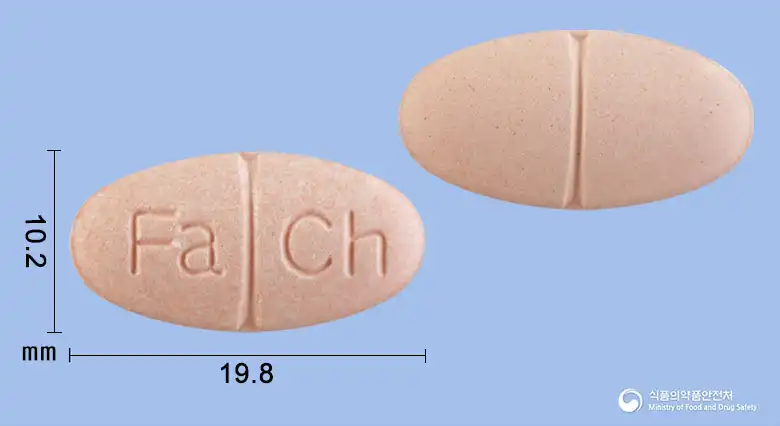 Viewing nowCombination
Phamo Compu Chewable Tablet
Famotidine 10mg · Precipitated Calcium Carbonate 800mg +1 more
Chewable Tablet · OTC medication · Combination
GL Pharma Co., Ltd.
MFDS item code 200302155 · Notified 2003.10.07
Relief of heartburn associated with excessive stomach acid and acid reflux
This medicine is used to relieve heartburn and acid reflux symptoms caused by excess stomach acid.
Adults and patients over 15 years: Chew 1 tablet. Do not exceed 2 tablets within 24 hours.
This medicine contains lactose and should not be used by patients with genetic issues such as galactose intolerance, Lapp lactase deficiency, or glucose-galactose malabsorption. Additionally, it should be avoided by those who have allergic reactions to its components or to other H2 receptor antagonists. Patients who have difficulty taking the medication are also advised not to use it. Patients experiencing unexplained weight loss or persistent abdominal pain should take this medication with caution, as these symptoms could be indicative of other conditions. Patients with kidney disease should check their blood calcium levels before taking this medication; and if they are taking other medications, they must consult a doctor or pharmacist. Rarely, this medication may cause a severe allergic reaction known as anaphylaxis, and can lead to side effects such as liver enzyme abnormalities, nausea, diarrhea, constipation, loss of appetite, abdominal discomfort, vomiting, skin rash, and itching. Headaches, fatigue, jaundice, hepatitis, swelling, arthralgia, and muscle cramps may also occur rarely, so if any unusual symptoms arise, immediate consultation with a doctor is recommended. If symptoms do not improve after taking this medication for more than 2 weeks, usage should be discontinued, and a healthcare professional should be consulted, while not exceeding the prescribed dosage. Patients undergoing dialysis should exercise caution if using this medicine concurrently with phosphate binders, as the effectiveness of calcium carbonate may decrease. The antacid contained in this medication may interact with various drugs, so if other medications are taken, they should be spaced at least 2 hours apart. It is best to avoid combining this medication with other gastrointestinal drugs as it may increase efficacy and lead to unexpected side effects. Women who are pregnant or may become pregnant should avoid using this medication, and breastfeeding mothers should also refrain from use, as some of the medication may pass into breast milk and affect the baby. Children under 15 years of age should definitely consult a doctor before taking this medication.
Anaphylactic reactions (hives, severe swelling, chest tightness, difficulty breathing, cold sweat, paleness), epidermal necrolysis (severe skin reactions), jaundice (yellowing of the skin or eyes, extreme fatigue), angioedema (severe swelling or urinary disturbances)
Not everyone experiences these, and they can vary from person to person.
Do not take this medicine with other gastrointestinal medications. May interact with atenolol, metoprolol, propranolol, chloroquine, tetracycline antibiotics, diclazuril, digoxin, phosphate, fexofenadine, iron (salts), fluoroquinolone antibiotics, sodium fluoride, glucocorticoids, indomethacin, ketoconazole, lansoprazole, phenothiazine anticonvulsants, penicillamine, phosphate, and thyroxine; spaced at least 2 hours apart.
This medicine should be stored in a sealed container to prevent air exposure and kept at a temperature between 1 degree and 30 degrees Celsius at room temperature. Proper storage will help maintain the effectiveness of the medication and prevent deterioration.
Pink, chewable, oval-shaped film-coated tablets with white to light yellow spots
- 10 tablets/box [10 tablets/PTP X 1]
Even with the same ingredient, strength, dosage form and how it is taken can differ.
Viewing nowCombinationFamotidine 10mg · Precipitated Calcium Carbonate 800mg +1 more
Chewable Tablet · OTC medication · Combination
GL Pharma Co., Ltd.
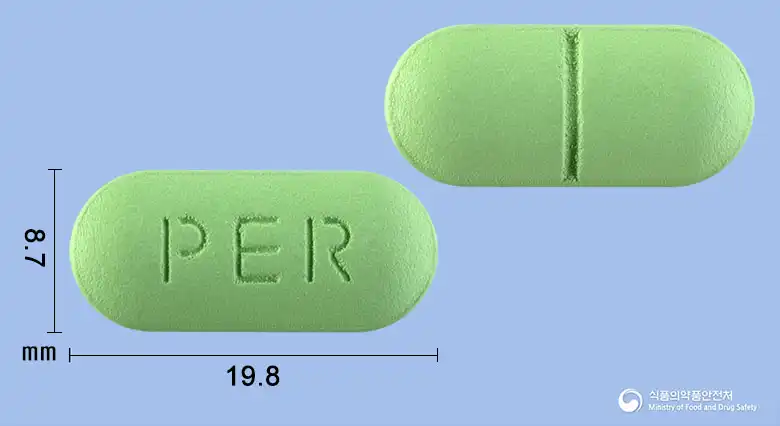 Combination
Famotidine 10mg · Magnesium Hydroxide 165mg +1 more
Tablet · OTC medication · Combination
Intro Bio Pharma Co., Ltd.
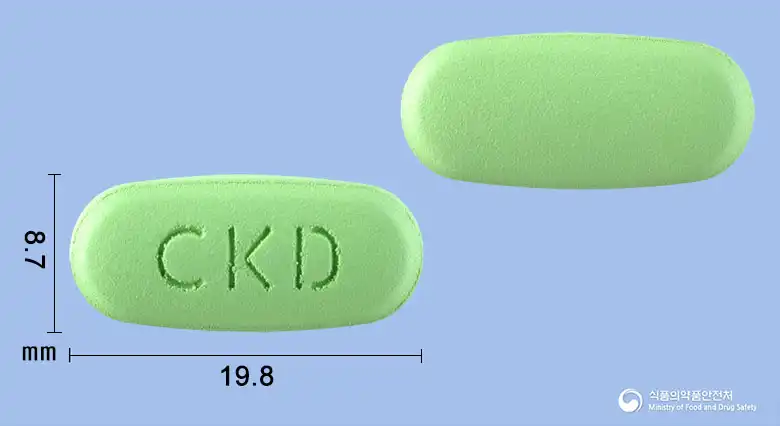 Combination
Famotidine 10mg · Magnesium Hydroxide 165mg +1 more
Tablet · OTC medication · Combination
Jongkundang Co., Ltd.
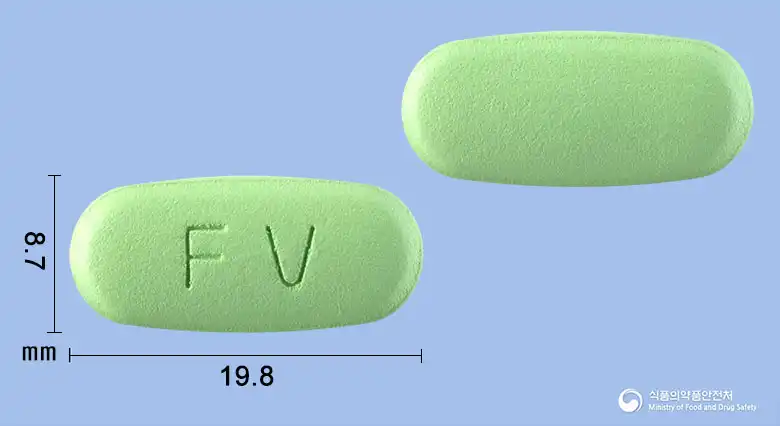 Combination
Famotidine 10mg · Magnesium Hydroxide 165mg +1 more
Tablet · OTC medication · Combination
Hankook Hyutex Pharmaceutical Co., Ltd.
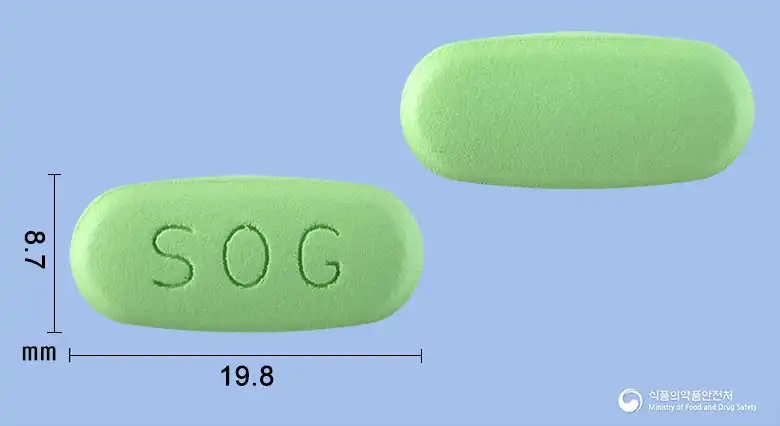 Combination
Famotidine 10mg · Magnesium Hydroxide 165mg +1 more
Tablet · OTC medication · Combination
Dongwha Pharmaceutical Co., Ltd.
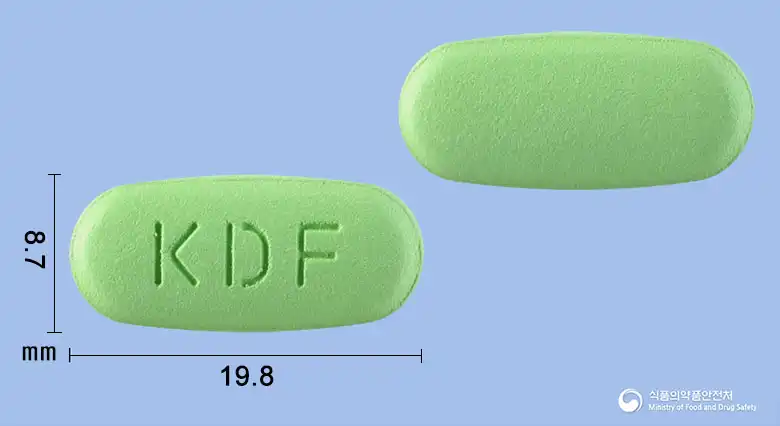 Combination
Famotidine 10mg · Magnesium Hydroxide 165mg +1 more
Tablet · OTC medication · Combination
Kwangdong Pharmaceutical Co., Ltd.
Famotidine 10mg · Magnesium Hydroxide 165mg +1 more
Tablet · OTC medication · Combination
Daewoong Pharmaceutical Co., Ltd.
Famotidine 10mg · Magnesium Hydroxide 165mg +1 more
Tablet · OTC medication · Combination
Joah Pharmaceutical Co., Ltd.
Even with the same ingredient, the dose and directions can differ by strength and dosage form. Talk to a doctor or pharmacist before switching from a medication you are already taking.
No questions yet.
For anything that needs medical judgment, consult a doctor or pharmacist.
This drug information is based on data provided by the Korea Ministry of Food and Drug Safety.
Consult a doctor or pharmacist for accurate dosage, administration, and usage instructions.