
 한국어
 English
 日本語
 中文(简体)
 Viewing now
Windazole Tablets (Albendazole)
Albendazole 400mg
Tablet · OTC medication
Joah Pharmaceutical Co., Ltd.
MFDS item code 200302008 · Notified 2003.11.12
Treatment of parasitic infections (roundworm, pinworm, etc.) and mixed infections
This medication is used to treat various parasitic infections including roundworm, pinworm, hookworm, whipworm, American hookworm, and mixed infections involving these parasites.
Adults: Pinworm infection: Take 400 mg of albendazole once daily. To eradicate the infection, take 400 mg of this drug once more, 7 days later. Adults: Ascaris, hookworm, whipworm, and American hookworm infections: Take 400 mg of this drug as a single dose. Adults: Strongyloidiasis with other parasitic infections (tapeworm) and severe mixed infections: Take 400 mg of this drug once daily for 3 days. If swallowing is difficult, the tablet may be chewed or taken with a small amount of water. No special measures, such as fasting or using a laxative, are necessary (tablets and chewable tablets only). Perform an examination 3 weeks after treatment; if the infection has not been cured, a second course may be administered as appropriate.
Children aged 24 months and older — Pinworm infection: Take 400 mg of albendazole once daily. To eradicate the infection, take 400 mg of this drug once more, 7 days later. Children aged 24 months and older — Ascaris, hookworm, whipworm, and American hookworm infections: Take 400 mg of this drug as a single dose. Children aged 24 months and older — Strongyloidiasis with other parasitic infections (tapeworm) and severe mixed infections: Take 400 mg of this drug once daily for 3 days.
This medicine contains the artificial sweetener aspartame, which is broken down into phenylalanine in the body. Therefore, patients with the genetic disorder phenylketonuria should not take this medication. The daily allowable amount of aspartame should be limited to below the WHO recommended amount, and adults should be careful not to exceed a maximum of 2.4g per day. Additionally, this medication should not be taken by those who have hypersensitivity to it, pregnant or potentially pregnant women, nursing mothers, and children under 2 years old. This medication also contains lactose and should not be administered to patients with lactose intolerance or related genetic disorders. During treatment with this medication, it is important not to take certain drugs together. For instance, the metabolism of theophylline may be inhibited when taken with this medication, and cimetidine, praziquantel, and dexamethasone may increase the blood concentration of this medication. Conversely, ritonavir, phenytoin, carbamazepine, and phenobarbital may lower the blood concentration of this medication, requiring caution. Patients with liver or kidney function issues should consult a doctor or pharmacist before taking this medication. Any person with an allergy to the dye Yellow No. 5 included in this medication should use it cautiously. If any unusual symptoms such as red spots or rashes, itching occur during treatment, discontinue use immediately and consult a healthcare professional. If symptoms such as nausea, vomiting, abdominal pain, headache, or dizziness occur, seek professional advice quickly. This medication may temporarily cause hair loss, so be aware of this. It should not be used during pregnancy, and women who may become pregnant should only start taking it within 10 days after the onset of menstruation or after confirming a negative pregnancy test. This medication may harm the fetus, so effective contraceptive methods should be used during the treatment period and for three days after the last dose. This medication may occasionally decrease white blood cell count or increase liver enzyme levels, so regular blood tests may be necessary. In case of overdose, symptomatic treatment such as gastric lavage may be required, and neurological symptoms may appear in areas where tapeworm infections are severe after using this medication. Store this medication out of the reach of children, avoid direct sunlight, and keep it in a dry and cool place. It is also advisable not to transfer it to another container to maintain quality.
Not everyone experiences these, and they can vary from person to person.
Do not take this medication with theophylline, cimetidine, praziquantel, dexamethasone, ritonavir, phenytoin, carbamazepine, or phenobarbital.
This medication should be stored in an airtight container and kept at room temperature between 1 and 30 degrees Celsius. Storing it this way will help maintain its effectiveness and ensure safe use.
For domestic use: light orange oblong film-coated tablets For export: orange oblong film-coated tablets
2 T/PTP
Even with the same ingredient, strength, dosage form and how it is taken can differ.
Viewing nowAlbendazole 400mg
Tablet · OTC medication
Joah Pharmaceutical Co., Ltd.

Albendazole 400mg
Tablet · OTC medication
Yuhan Corporation
Albendazole
OTC medication
Withus Pharmaceutical Co., Ltd.
Albendazole
OTC medication
HighPharm Life Science Co., Ltd.
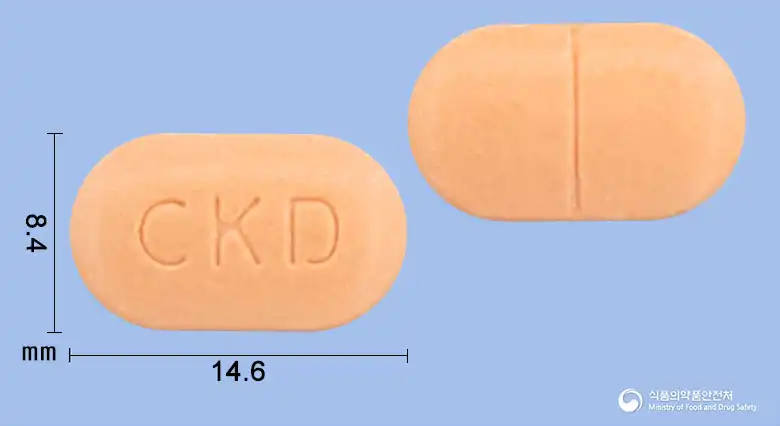
Albendazole 400mg
Tablet · OTC medication
Chong Kun Dang Pharmaceutical Corp.
Albendazole 400mg
Tablet · OTC medication
Chodang Pharmaceutical Co., Ltd.
Albendazole 200mg
Tablet · OTC medication
Chodang Pharmaceutical Co., Ltd.
Albendazole
OTC medication
Unimed Pharmaceutical Co., Ltd.
Even with the same ingredient, the dose and directions can differ by strength and dosage form. Talk to a doctor or pharmacist before switching from a medication you are already taking.
No questions yet.
For anything that needs medical judgment, consult a doctor or pharmacist.
This drug information is based on data provided by the Korea Ministry of Food and Drug Safety.
Consult a doctor or pharmacist for accurate dosage, administration, and usage instructions.