
 한국어
한국어 English
 日本語
日本語 中文(简体)
Dosage form image
Viewing nowDiclofenac Eye Drops (Sodium Diclofenac)
Diclofenac Sodium 1mg
Eye drops · Prescription medication
Samchundang Pharmaceutical Co., Ltd.
MFDS item code 200301867 · Notified 2003.01.29 · Insurance code 651204771
Prevention of inflammation and miosis after cataract surgery and treatment of anterior segment inflammation (such as chronic conjunctivitis).
This medication prevents inflammation that can occur after cataract surgery and prevents miosis during surgery. It also helps prevent cystoid macular edema that may occur during the process of removing the lens and inserting an artificial lens. Additionally, it is used to treat non-infectious anterior segment inflammation, such as chronic conjunctivitis, and inflammation occurring after trauma. This medication effectively facilitates recovery after surgery and reduces inflammation, improving eye health.
1. During cataract surgery - Pre-surgery: 1 drop five times within 3 hours. - Immediately post-surgery: 1 drop three times. - Maintenance therapy: 1 drop 3-5 times a day, varying duration based on symptoms. 2. Treatment of anterior segment inflammation 1 drop 4-5 times a day, adjusting as needed based on symptoms.
This medication should not be used in patients who are allergic to its ingredients or have experienced asthma, itching, or acute rhinitis after taking aspirin or other non-steroidal anti-inflammatory drugs. It is also advisable not to administer it to pregnant women beyond the sixth month of pregnancy. Patients with a history of allergic reactions to aspirin or other non-steroidal anti-inflammatory drugs should exercise special caution when using this medication. This medication may delay wound healing, and symptoms such as nausea or vomiting may occur rarely. Allergic reactions such as asthma, itching, or acute rhinitis are also rare but can occur. Patients should be cautious as temporary symptoms such as eye pain, dryness, redness, or blurred vision may appear. Serious issues such as corneal ulcers or perforations may occur, and immediate discontinuation and medical attention are necessary if symptoms arise. Eye irritation symptoms are common, and temporary itching, redness, or blurred vision may occur immediately after application. Prolonged and frequent use may lead to keratitis or corneal damage. Special caution is needed for patients undergoing corticosteroid treatment or those with an increased risk of corneal damage, such as rheumatoid arthritis, as serious complications like keratitis may arise. Difficulty breathing or worsening asthma has been reported rarely; thus, asthmatic patients should be cautious. Allergic reactions such as allergic conjunctivitis, eyelid edema, urticaria, or rash may occur. Contact lens wearers should not use this medication. It is advisable to remove lenses before administration and reinsert them 15 minutes later. Temporary blurriness may occur after application, so driving or operating machinery should be avoided until vision clears. If there is a risk of eye infection, appropriate treatment should accompany the use of this medication, and patients with a risk of bleeding should be careful as it may prolong bleeding time. When used with other eye drops, a minimum 5-minute interval should be maintained between applications. After application, blocking the tear duct or closing the eye can reduce systemic absorption and increase local effect. This product contains benzalkonium chloride as a preservative, which can discolor soft contact lenses and cause eye inflammation. It is advisable not to use it in conjunction with tropicamide as precipitation may occur. Patients with significant corneal inflammation should be careful when using this medication alongside steroid preparations, as the risk of corneal complications may increase. During pregnancy, it should only be used at the lowest effective dose for the shortest duration when necessary, especially not beyond the sixth month of pregnancy. During breastfeeding, it is advisable not to use this medication as it may be transmitted through breast milk. Its safety in children has not been established, so caution is needed when using in pediatric patients. This product is intended for topical use only and should not be injected directly into the eye. Care should be taken to avoid contaminating the opening of the container with the eye and to avoid sharing to prevent contamination. Store in a cool, dry place out of reach of children, and ensure the cap is tightly closed after use, using it within one month after opening.
Nausea, vomiting, temporary pain (burning or stinging), dryness, redness, pupil dilation symptoms post-surgery, superficial keratitis, corneal erosion, temporary blurred vision, flushing, photophobia, keratitis (punctate keratitis), mild to moderate eye irritation, conjunctival itching immediately after application, ocular hyperemia, blurred vision, punctate keratitis, corneal disorders, ulcerative keratitis, corneal thinning, corneal epithelial defects, corneal edema, conjunctival hyperemia, allergic conjunctivitis.
Not everyone experiences these, and they can vary from person to person.
This medication should be stored in a tightly sealed container to prevent exposure to air or light and is best kept in a cool place below 10 degrees Celsius.
A clear solution that is colorless to pale yellow, contained in a transparent bottle for eye drops.
5 milliliters/bottle
Even with the same ingredient, strength, dosage form and how it is taken can differ.
Diclofenac Sodium 1mg
Eye drops · Prescription medication
Samchundang Pharmaceutical Co., Ltd.
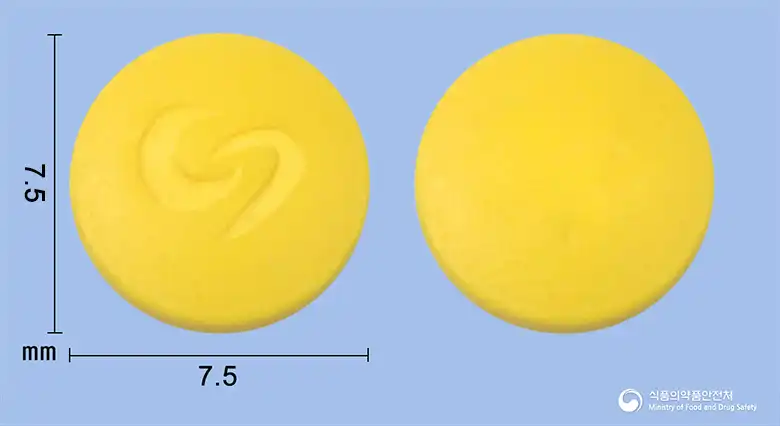
Diclofenac Sodium 25mg
Tablet · Prescription medication
Dongkwang Pharmaceutical Co., Ltd.
Diclofenac Sodium 75mg
Prescription medication
Ajou Pharmaceuticals Co., Ltd.
Diclofenac Sodium 37.5mg
Prescription medication
Hwanin Pharmaceutical Co., Ltd.
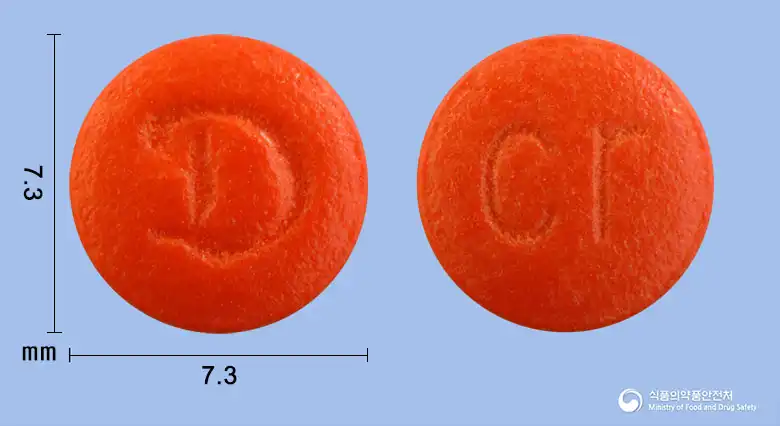
Diclofenac Sodium 25mg
Tablet · Prescription medication
GL Pharma Co., Ltd.
Diclofenac Sodium 75mg
Solution · Prescription medication
YuYoung Pharmaceutical Co., Ltd.
Diclofenac Sodium 37.5mg
Prescription medication
Daehwa Pharmaceutical Co., Ltd.
Diclofenac Sodium 37.5mg
Prescription medication
Dongkwang Pharmaceutical Co., Ltd.
Even with the same ingredient, the dose and directions can differ by strength and dosage form. Talk to a doctor or pharmacist before switching from a medication you are already taking.
No questions yet.
For anything that needs medical judgment, consult a doctor or pharmacist.
This drug information is based on data provided by the Korea Ministry of Food and Drug Safety.
Consult a doctor or pharmacist for accurate dosage, administration, and usage instructions.