
 한국어
한국어 English
 日本語
日本語 中文(简体)
 Viewing now
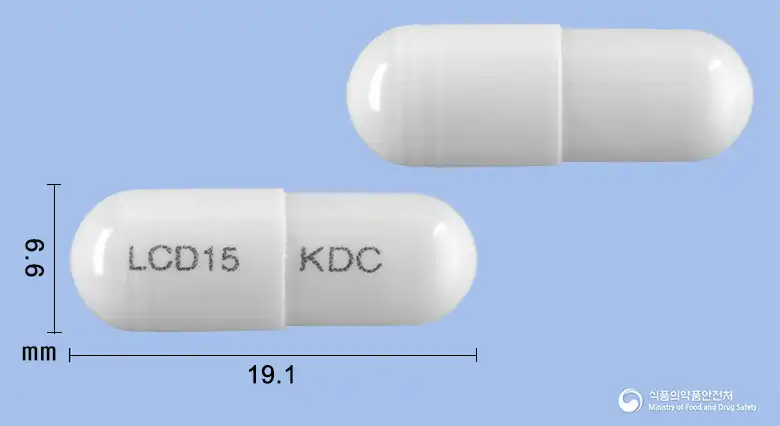
Lansid Capsule 15 mg (Lansoprazole)
Lansoprazole 15mg
Hard capsule · Prescription medication
Korea Pharmaceutical Co., Ltd.
MFDS item code 200301515 · Notified 2003.04.03 · Insurance code 642800370
Treatment of duodenal ulcers and gastric ulcers (active, NSAID-induced), eradication of Helicobacter pylori, treatment and maintenance of gastroesophageal reflux disease and erosive esophagitis, and inhibition of pathological gastric acid hypersecretion.
This medication is used for short-term treatment of active duodenal ulcers and active benign gastric ulcers and effectively eradicates Helicobacter pylori to prevent recurrence of duodenal ulcers. It is also used for maintenance therapy after treatment of duodenal ulcers and helps treat gastric ulcers induced by nonsteroidal anti-inflammatory drugs and reduces the risk of their occurrence. It is used for short-term treatment of symptoms related to gastroesophageal reflux disease and erosive esophagitis, as well as maintenance therapy after treatment of erosive esophagitis. It is also effective in managing pathological hypersecretion states such as Zollinger-Ellison syndrome. Thus, it is widely used for the treatment and prevention of various gastrointestinal diseases.
This medication should be administered before meals. 1. Short-term treatment of active duodenal ulcers: Administer 15 mg of Lansoprazole orally once daily for 4 weeks. 2. Short-term treatment of active benign gastric ulcers: Administer 30 mg of Lansoprazole orally once daily for 8 weeks. 3. Eradication of Helicobacter pylori to prevent recurrence of duodenal ulcers: 1) Administer 30 mg of Lansoprazole with 250-500 mg of clarithromycin and 1,000 mg of amoxicillin, twice daily (every 12 hours) for 7 days. It may be extended to 14 days if necessary. 2) Administer 30 mg of Lansoprazole with 1,000 mg of amoxicillin, three times daily (every 8 hours) for 14 days. 4. Maintenance therapy after treatment of duodenal ulcers: Administer 15 mg of Lansoprazole orally once daily. The duration of clinical trials did not exceed 12 months. 5. Treatment of NSAID-induced gastric ulcers: Administer 30 mg of Lansoprazole orally once daily for 8 weeks. The duration of clinical trials did not exceed 8 weeks. 6. Reducing the risk of NSAID-induced gastric ulcers: Administer 15 mg of Lansoprazole orally once daily for 12 weeks. The duration of clinical trials did not exceed 12 weeks. 7. Short-term treatment of symptoms related to gastroesophageal reflux disease: Administer 15 mg of Lansoprazole orally once daily for 8 weeks. 8. Short-term treatment of erosive esophagitis: Administer 30 mg of Lansoprazole orally once daily for 8 weeks. 9. Maintenance therapy after treatment of erosive esophagitis: Administer 15 mg of Lansoprazole orally once daily. 10. Pathological hypersecretion states, including Zollinger-Ellison syndrome: Dosing of Lansoprazole for pathological hypersecretion states varies by patient. Generally, treatment starts at 60 mg once daily for adults. The dose may be adjusted based on patient needs, and it can be continued as long as it is clinically effective. It has been administered at a single dose of 90 mg twice daily. If more than 120 mg is given in a day, it should be divided into separate doses. ◯ Children and adolescents aged 12 to 17: 1. Short-term treatment of non-erosive gastroesophageal reflux disease symptoms: 15 mg once daily for 8 weeks. 2. Short-term treatment of erosive esophagitis: 30 mg once daily for 8 weeks. ◯ Children aged 1 to 11: For short-term treatment of symptoms related to gastroesophageal reflux disease and erosive esophagitis: Weight ≤ 30 kg: 15 mg once daily for 12 weeks. Weight > 30 kg: 30 mg once daily for 12 weeks. ◯ Elderly patients: Since the clearance of this medication is reduced in older adults, dosage adjustments are necessary. Do not exceed a daily dose of 30 mg. ◯ Patients with liver impairment: Patients with liver impairment should be treated cautiously, considering potential delays in the metabolism and excretion of this medication. Adjustments in dosage may be required.
Children and adolescents aged 12 to 17: 1. Short-term treatment of non-erosive gastroesophageal reflux disease symptoms: 15 mg once daily for 8 weeks. 2. Short-term treatment of erosive esophagitis: 30 mg once daily.
This medication should not be used in patients with specific allergic reactions or hypersensitivity. Pregnant or breastfeeding women, as well as those taking certain antibiotics or other medications, should exercise caution. It should be used cautiously in patients with poor liver function, the elderly, and children or nursing mothers. If serious allergic symptoms such as skin rash, difficulty breathing, or facial swelling occur during treatment, discontinue use immediately and consult a healthcare professional. Additionally, serious side effects such as blood abnormalities, liver dysfunction, or nephritis may rarely occur, so it is important to be alert to changes in symptoms. Regular monitoring of liver and blood conditions is crucial during long-term use. Since this medication inhibits gastric acid secretion, there may be a slight increase in the risk of gastrointestinal bacterial infections, and if symptoms such as diarrhea or abdominal pain persist, notify a healthcare professional. There is a potential for drug interactions, so inform the healthcare provider of all medications being taken, especially when used in combination with certain antibiotics, antiviral agents, or anticoagulants. The risk of fractures may increase with high doses or long-term use, so dosage adjustments and regular monitoring of the condition may be necessary. Dizziness or drowsiness may occur, so caution is needed when driving or operating machinery. In case of overdose, gastric lavage or symptomatic treatment may be required, and the patient should visit a medical institution immediately. The safety of this medication in children has not been sufficiently confirmed, so consulting with a specialist is essential before use. Store in a place inaccessible to children, and do not transfer to other containers.
Urticaria, severe swelling (edema), generalized rash, facial swelling, difficulty breathing, shock, pancytopenia, agranulocytosis, hemolytic anemia, granulocytopenia, thrombocytopenia, anemia, jaundice, toxic liver dysfunction, toxic epidermal necrolysis (Lyell's syndrome), mucocutaneous syndrome (Stevens-Johnson syndrome), DRESS syndrome, interstitial pneumonia, interstitial nephritis, acute renal failure, membranous colitis, severe allergic reactions, severe skin adverse reactions, respiratory disturbances.
Headache, diarrhea, taste disturbance, abdominal pain, nausea, vomiting, bloating, stomatitis, glossitis, dry mouth, heartburn, gastroesophageal reflux, loss of appetite, weakness, chills, malaise, back pain, candidiasis, tumor, chest pain, swelling, fever, flu-like symptoms, halitosis, infection, stiffness/pain in the neck, pelvic pain, angina, arrhythmia, bradycardia/tachycardia, cerebrovascular accident/cerebral infarction, hypertension/hypotension, migraine, myocardial infarction, palpitations, vasodilation, syncope, vasculopathy.
Not everyone experiences these, and they can vary from person to person.
This medication should be stored in a tightly sealed container to prevent exposure to air or moisture. It is important to maintain a room temperature between 1°C and 30°C.
A hard capsule with white to pale brown granules in the upper and lower parts being white.
30 capsules/bottle, 100 capsules/bottle
Even with the same ingredient, strength, dosage form and how it is taken can differ.
Viewing nowLansoprazole 15mg
Hard capsule · Prescription medication
Korea Pharmaceutical Co., Ltd.
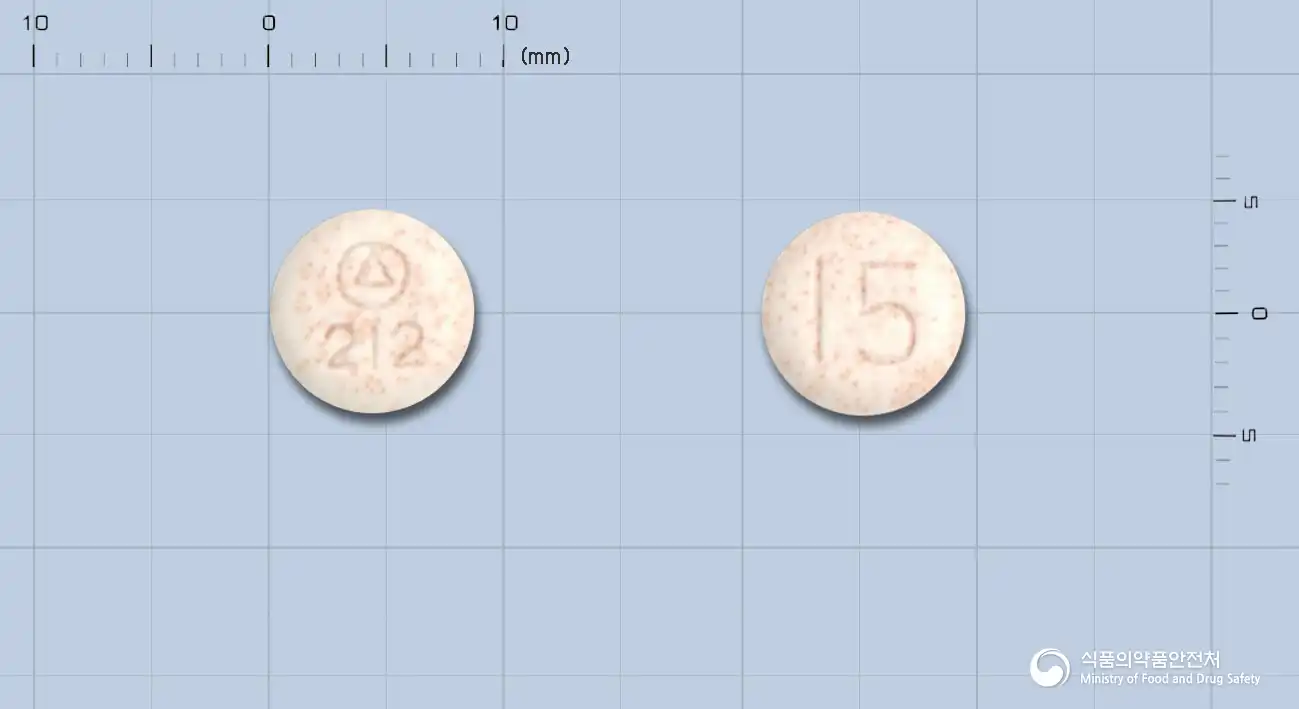
Lansoprazole 15mg
Orally disintegrating Tablet · Prescription medication
Takeda Pharmaceuticals Korea Co., Ltd.
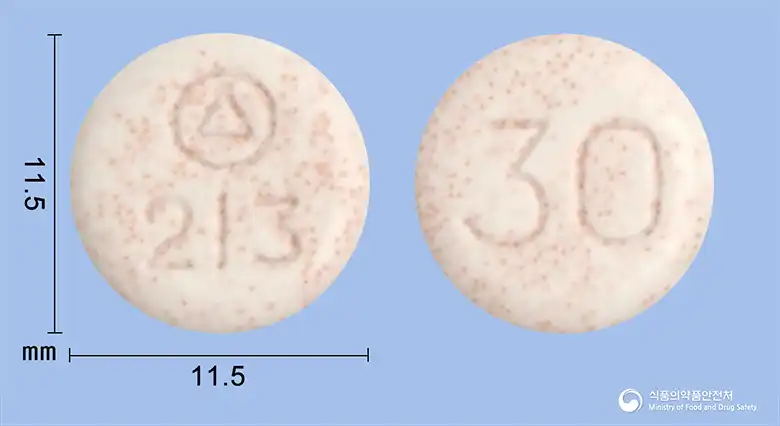
Lansoprazole 30mg
Orally disintegrating Tablet · Prescription medication
Takeda Pharmaceuticals Korea Co., Ltd.
Lansoprazole 15mg
Tablet · Prescription medication
Samil Pharmaceutical Co., Ltd.
Lansoprazole 30mg
Hard capsule · Prescription medication
Kwangdong Pharmaceutical Co., Ltd.
Lansoprazole 30mg
Hard capsule · Prescription medication
Aprogen Biologics Co., Ltd.
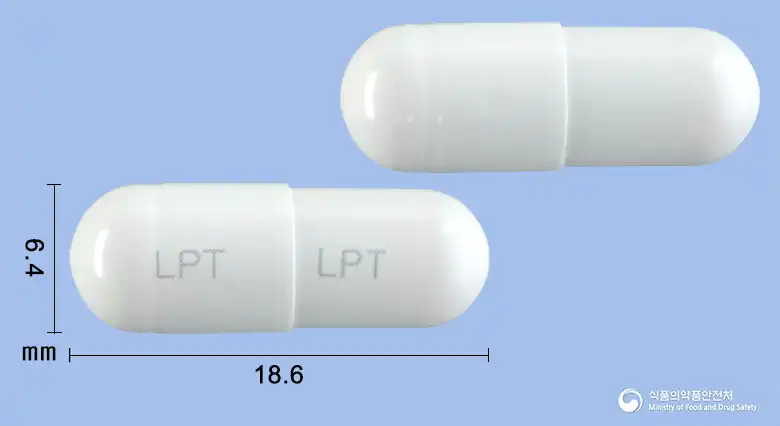
Lansoprazole 30mg
Hard capsule · Prescription medication
Samchundang Pharmaceutical Co., Ltd.
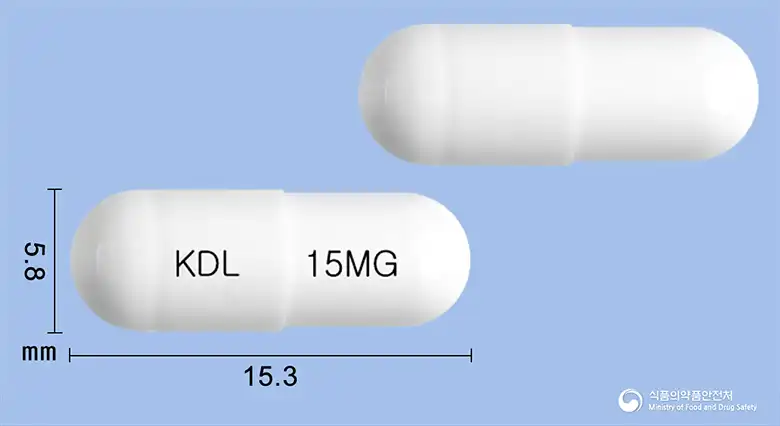
Lansoprazole 15mg
Hard capsule · Prescription medication
Kwangdong Pharmaceutical Co., Ltd.
Even with the same ingredient, the dose and directions can differ by strength and dosage form. Talk to a doctor or pharmacist before switching from a medication you are already taking.
No questions yet.
For anything that needs medical judgment, consult a doctor or pharmacist.
This drug information is based on data provided by the Korea Ministry of Food and Drug Safety.
Consult a doctor or pharmacist for accurate dosage, administration, and usage instructions.