
 한국어
 English
 日本語
 中文(简体)
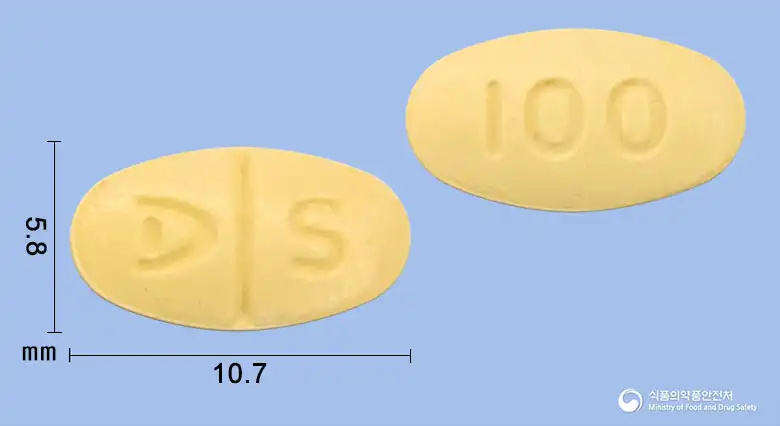 Viewing now
Synthroid 100 mcg (Levothyroxine Sodium Hydrate)
Levothyroxine Sodium Hydrate 0.1mg
Tablet · Prescription medication
Darim Biotech Co., Ltd.
MFDS item code 200301116 · Notified 2003.11.28 · Insurance code 664600690
Treatment of hypothyroidism (myxedema and cretinism)
This drug is used for major disorders caused by decreased thyroid function, such as hypothyroidism, myxedema, and cretinism.
Adults: The usual dose is 25-400㎍ of levothyroxine sodium orally once daily. The usual initial dose is 25-100㎍, and the maintenance dose is 100-400㎍. The dose may be increased or decreased as appropriate depending on age and symptoms.
This drug is a thyroid hormone treatment and should not be used by individuals with normal thyroid function for weight loss purposes. In particular, using it in combination with sympathomimetic drugs that suppress appetite can lead to serious side effects, making it very dangerous. This drug should not be administered to patients with acute heart disease, severe angina, heart failure, or hyperthyroidism. Additionally, patients with diminished adrenal function, those allergic to this drug, or patients with certain genetic lactose intolerance should not receive this medication. Patients with hypertension, angina, diabetes, elderly patients, and those with severe hypothyroidism require special caution when administering this drug, and the dosage should be started low and increased slowly. Overdose may result in various side effects such as rapid heart rate or arrhythmia, anxiety, headaches, gastrointestinal disturbances, muscle pain, and other symptoms, so if symptoms appear, the medication should be reduced or discontinued immediately. This drug may cause liver dysfunction, so appropriate measures are necessary if symptoms of liver function impairment occur. During the course of taking this drug, there are many interactions with other medications, so it is important to follow a doctor's guidance for dosage adjustments and state observations, especially when used in combination with anticoagulants, heart medications, hypoglycemics, antacids, antiepileptics, etc. Maintaining thyroid function during pregnancy is important, so this medication should not be discontinued but taken with caution during breastfeeding. In pediatric cases, prompt diagnosis and treatment are necessary, and overdose can affect growth and development, so dosage adjustments should be closely monitored. For the elderly, there may be an increased burden on the heart, so the dosage should be started low and gradually increased. This drug may affect the results of thyroid function tests, so it is important to inform the healthcare provider of its use prior to the tests, and caution is advised in interpreting test results. In the case of overdose, emergency measures such as inducing vomiting, gastric lavage, and inhibiting drug absorption are necessary, and appropriate treatment for cardiac symptoms or neurological symptoms is important. Lastly, serious side effects can also occur when similar medications are used, so it is essential to follow the doctor's instructions.
Not everyone experiences these, and they can vary from person to person.
This drug should be stored in a container that blocks light, as it is sensitive to light. It should also be stored at room temperature between 1 degree Celsius and 30 degrees Celsius to maintain its effectiveness.
Yellow oval-shaped tablets
For domestic use - 100 tablets/bottle, For domestic use - 300 tablets/bottle, For export - 50 tablets/PTP [(10 tablets/PTP X 5)], For export - 100 tablets/PTP [(10 tablets/PTP X 10)], For export - 100 tablets/bottle, For export - 300 tablets/bottle
Even with the same ingredient, strength, dosage form and how it is taken can differ.
Viewing nowLevothyroxine Sodium Hydrate 0.1mg
Tablet · Prescription medication
Darim Biotech Co., Ltd.
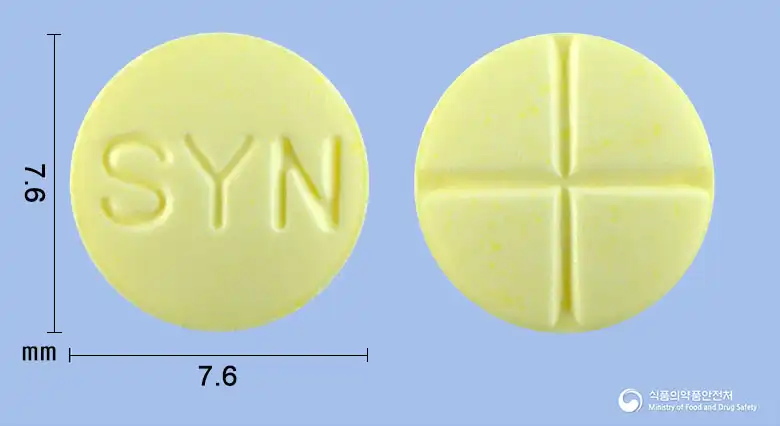
Levothyroxine Sodium Hydrate 0.1mg
Tablet · Prescription medication
Bukwang Pharmaceutical Co., Ltd.
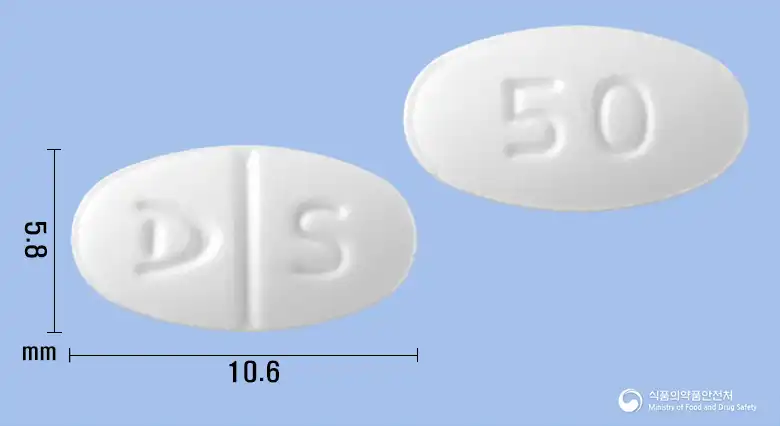
Levothyroxine Sodium Hydrate 0.05mg
Tablet · Prescription medication
Darim Biotech Co., Ltd.
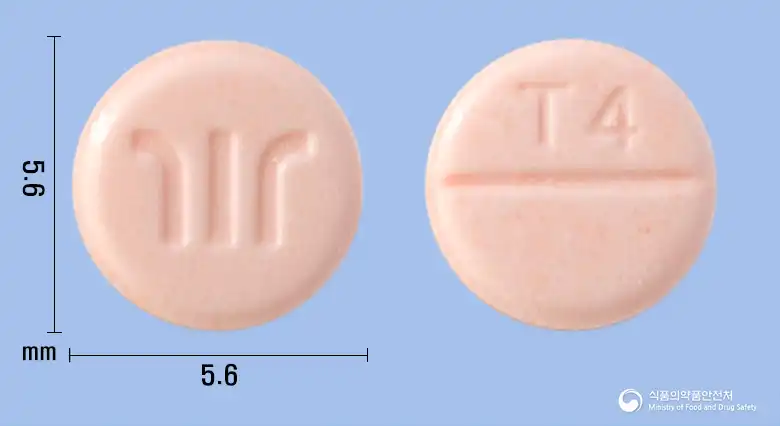
Levothyroxine Sodium Hydrate 0.05mg
Tablet · Prescription medication
Bukwang Pharmaceutical Co., Ltd.
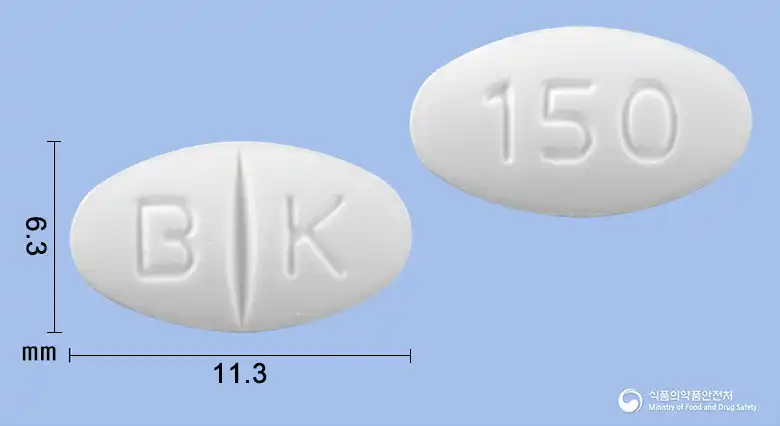
Levothyroxine Sodium Hydrate 0.15mg
Tablet · Prescription medication
Bukwang Pharmaceutical Co., Ltd.
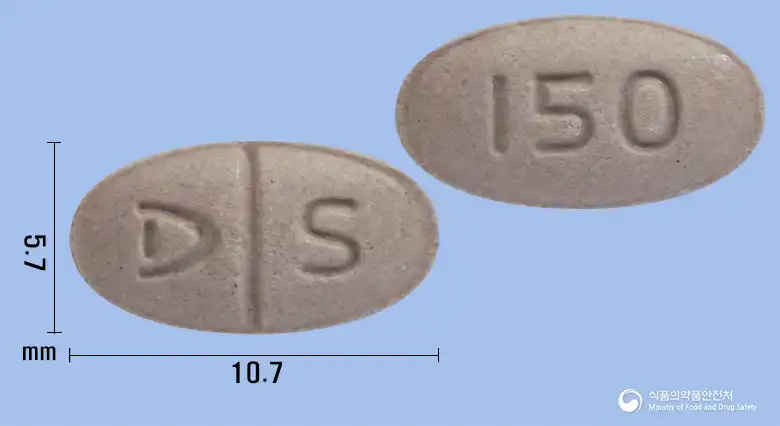
Levothyroxine Sodium Hydrate 0.15mg
Tablet · Prescription medication
Darim Biotech Co., Ltd.
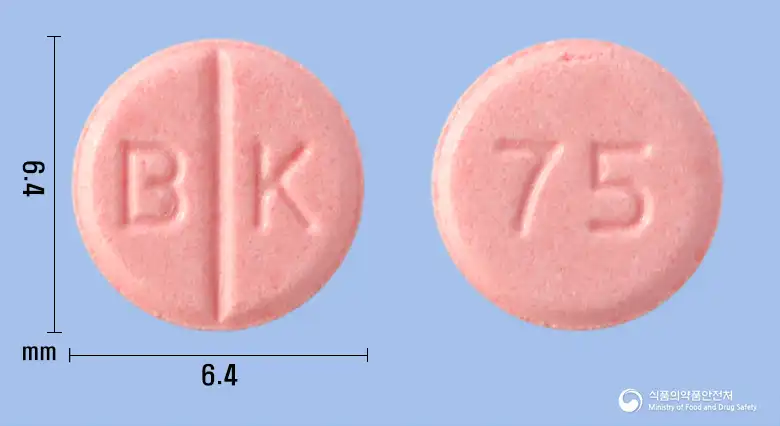
Levothyroxine Sodium Hydrate 0.075mg
Tablet · Prescription medication
Bukwang Pharmaceutical Co., Ltd.
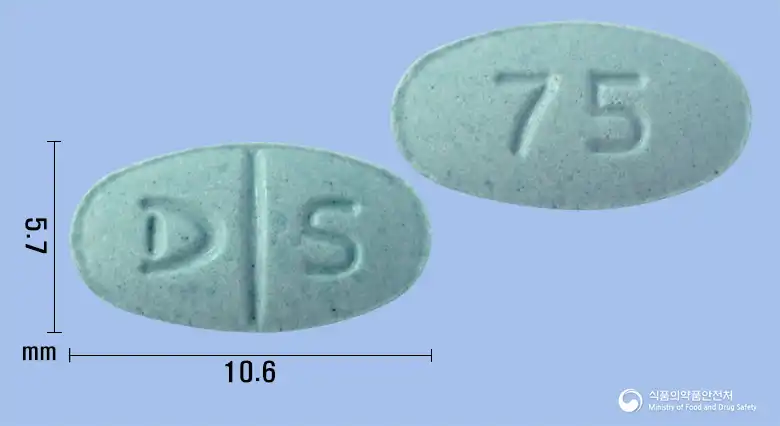
Levothyroxine Sodium Hydrate 0.075mg
Tablet · Prescription medication
Darim Biotech Co., Ltd.
Even with the same ingredient, the dose and directions can differ by strength and dosage form. Talk to a doctor or pharmacist before switching from a medication you are already taking.
No questions yet.
For anything that needs medical judgment, consult a doctor or pharmacist.
This drug information is based on data provided by the Korea Ministry of Food and Drug Safety.
Consult a doctor or pharmacist for accurate dosage, administration, and usage instructions.