
 한국어
 English
 日本語
 中文(简体)
 Viewing now
Heinechol Tablet (Bethanechol Chloride)
Bethanechol Chloride 25mg
Tablet · Prescription medication
Il Yang Pharmaceutical Co., Ltd.
MFDS item code 200300956 · Notified 2003.02.05 · Insurance code 641702570
Treatment of functional urinary retention after surgery or childbirth and neurogenic bladder hypotonia
This medication is used to treat functional urinary retention and neurogenic bladder atony that occur after surgery or childbirth.
Adults: Administer 10 ~ 25 milligrams per dose, 3 ~ 4 times daily. Taking this medicine immediately after a meal may cause symptoms such as nausea and vomiting; therefore, taking it on an empty stomach is recommended.
This drug should be administered with caution in case of severe side effects after use, including immediate administration of atropine sulfate by subcutaneous injection. This drug should not be administered to patients with mechanical obstruction in the gastrointestinal tract or urinary tract. Patients with spastic gastrointestinal diseases, gastric ulcers, or acute inflammatory gastrointestinal diseases should also not use this drug. Administration of this drug is prohibited for patients with peritonitis. Patients with heightened vagal nerve tension should not use this drug. Asthma patients should avoid this drug as it may worsen their condition. This drug is not suitable for patients with hyperthyroidism. Patients with coronary artery obstruction should also not take this drug. Patients with bradycardia, atrioventricular conduction disturbances, or vascular tone instability should exercise caution with this drug. This drug may affect patients with hypotension or hypertension, so it should be administered carefully. It is not safe for patients with myocardial infarction or severe heart disease to use this drug. This drug is also not recommended for patients with epilepsy or Parkinson's symptoms. Caution is needed when combined with patients receiving anticholinesterase therapy. Patients who have not recovered from gastrointestinal anastomosis should not take this drug. It is safer for pregnant women to avoid taking this medication. This drug contains lactose, so it should not be administered to patients with lactose intolerance or certain genetic metabolic disorders. This drug contains a pigment known as Yellow No. 5, so it should be used cautiously in patients who have allergies or sensitivities to this component. When taking this medication, gastrointestinal symptoms such as heartburn, abdominal discomfort, nausea, vomiting, abdominal pain, gastric cramps, and diarrhea may occur. Additionally, neurogenic symptoms such as sweating, facial flushing, and increased salivation may arise. Circulatory issues such as rapid heart rate or low blood pressure may also occur, so caution is advised. In case of overdose, severe symptoms such as cardiac arrest, syncope, respiratory distress, orthostatic hypotension, involuntary defecation, and urgency for urination may appear. Particularly, asthma patients should be cautious as asthmatic attacks may be provoked. Headaches or chest tightness and discomfort have also been reported, albeit rarely. The efficacy of this drug may be negated when used in conjunction with quinidine or procainamide, so careful consideration is needed when combined. When taken with cholinergic drugs, especially cholinesterase inhibitors, the effects may be enhanced, so it should be used cautiously. Administering this drug to patients on sympatholytics may lead to severe abdominal symptoms and a rapid drop in blood pressure, warranting special caution.
Not everyone experiences these, and they can vary from person to person.
This drug should be stored in a sealed container as it may be sensitive to air or moisture. A storage temperature from 1 to 30 degrees Celsius is recommended to maintain the drug's efficacy and safety for a longer period.
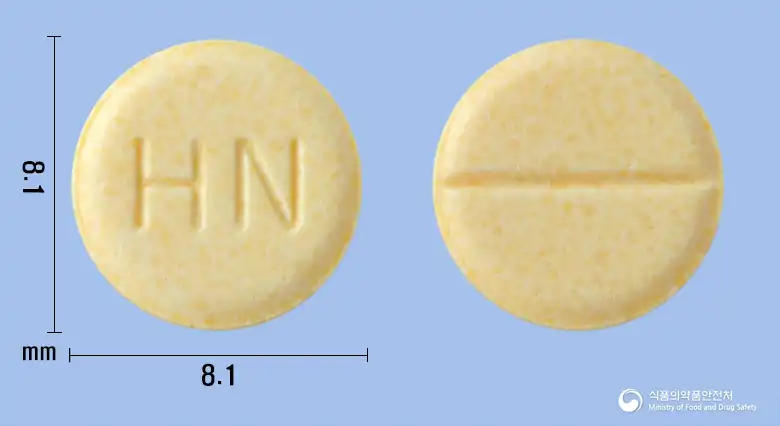
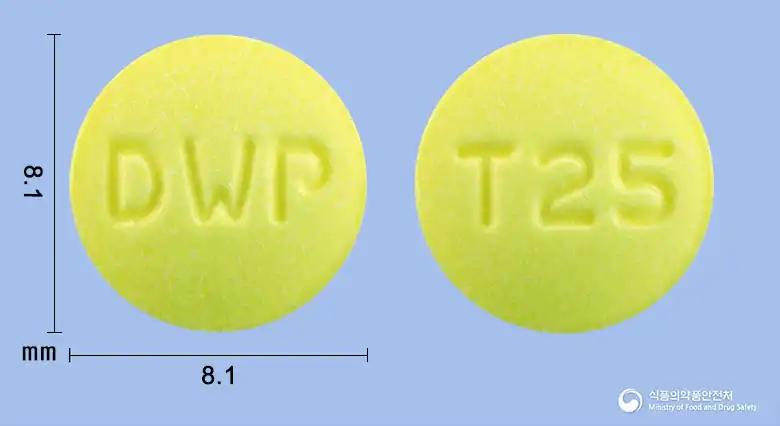
Yellow round tablet
200 tablets/bottle
Even with the same ingredient, strength, dosage form and how it is taken can differ.
Viewing nowBethanechol Chloride 25mg
Tablet · Prescription medication
Il Yang Pharmaceutical Co., Ltd.
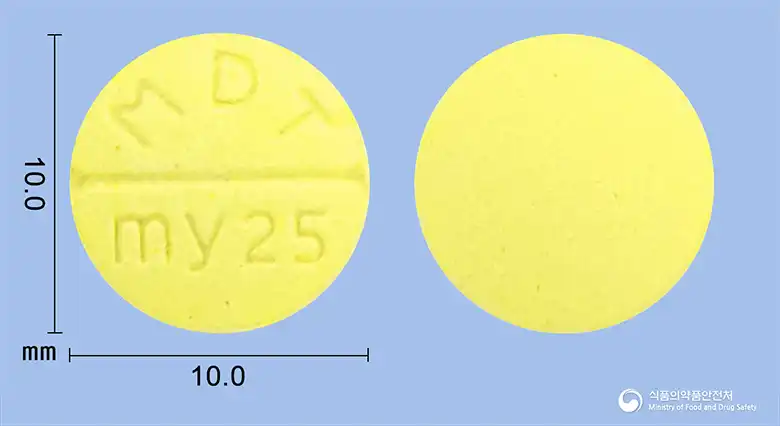
Bethanechol Chloride 25mg
Tablet · Prescription medication
Albogen Korea Co., Ltd.
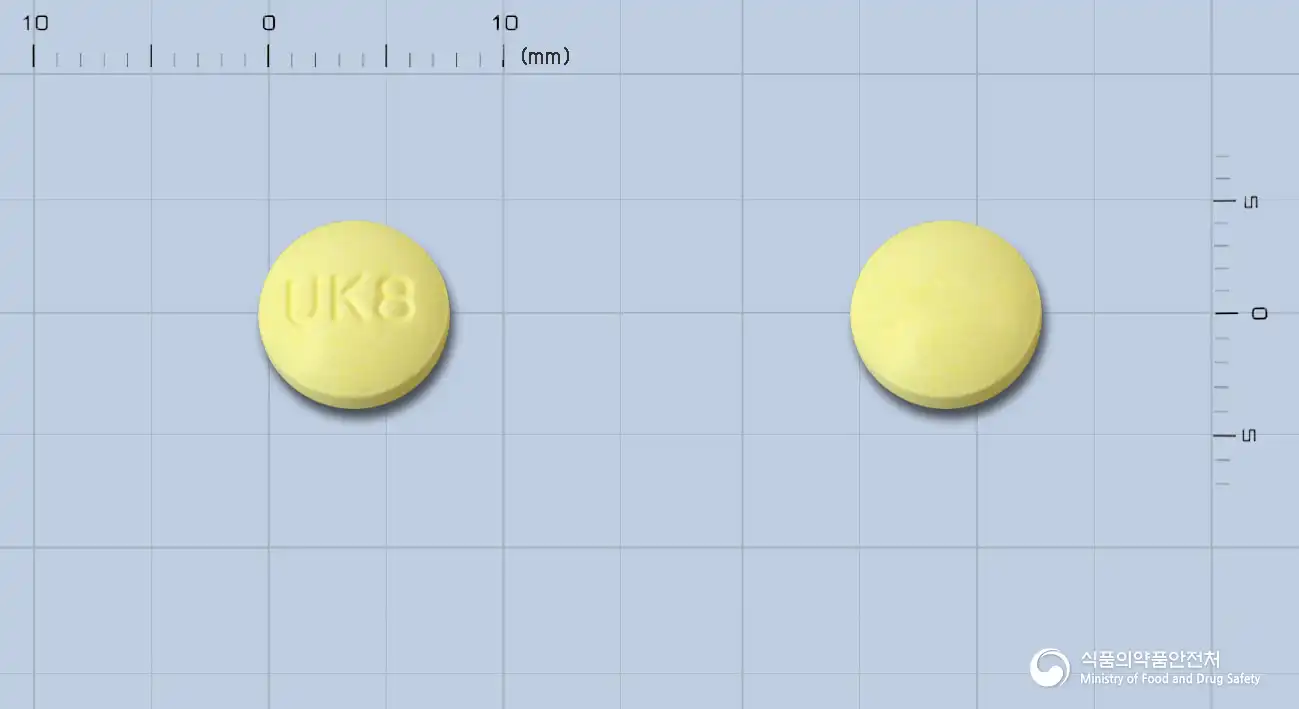
Bethanechol Chloride 25mg
Tablet · Prescription medication
Korea Union Pharmaceutical Co., Ltd.
Bethanechol Chloride 10mg
Tablet · Prescription medication
Il Yang Pharmaceutical Co., Ltd.
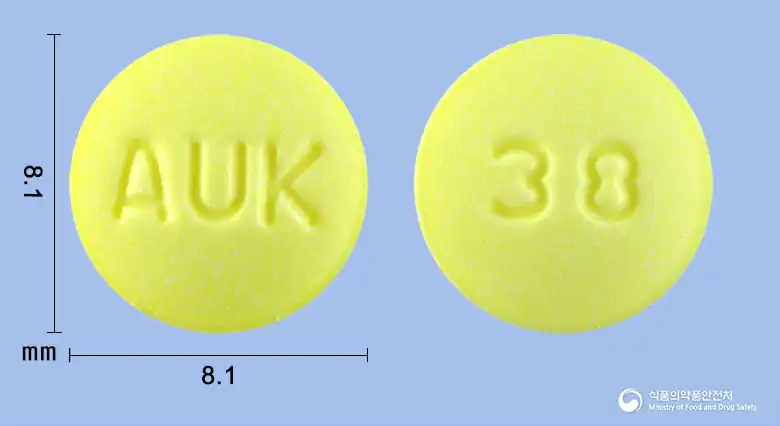
Bethanechol Chloride 25mg
Tablet · Prescription medication
Os Korea Pharmaceutical Co., Ltd.
Bethanechol Chloride 25mg
Tablet · Prescription medication
Daewon Pharmaceutical Co., Ltd.
Even with the same ingredient, the dose and directions can differ by strength and dosage form. Talk to a doctor or pharmacist before switching from a medication you are already taking.
No questions yet.
For anything that needs medical judgment, consult a doctor or pharmacist.
This drug information is based on data provided by the Korea Ministry of Food and Drug Safety.
Consult a doctor or pharmacist for accurate dosage, administration, and usage instructions.