한국어
 English
 日本語
 中文(简体)
 Viewing nowCombination
Triapine Tablets 2.5/2.5mg
Felodipine 2.5mg · Ramipril 2.5mg
Tablet · Prescription medication · Combination
HanDoc Co., Ltd.
MFDS item code 200300698 · Approved 2003.03.29 · Insurance code 652101400
Treatment of essential hypertension
Essential hypertension is a condition where blood pressure rises continuously without a specific cause. This medicine is used to control essential hypertension and stabilize blood pressure.
Adults and older adults: Take 1 tablet of this medicine 2.5/2.5mg or 5/5mg once daily. The maximum dose is 5/5mg of this medicine once daily. Swallow with an adequate amount of water. Do not split, crush, or chew the tablet.
This medication combines an angiotensin-converting enzyme (ACE) inhibitor and a calcium antagonist and is primarily used for the treatment of hypertension and cardiovascular diseases. During the use of this medication, angioedema may occur in the face, lips, tongue, larynx, etc., which can lead to breathing difficulties or life-threatening situations, so if symptoms occur, the use of the medicine should be stopped immediately and emergency medical assistance should be sought. Additionally, gastrointestinal angioedema may occur, so caution is needed when experiencing symptoms such as abdominal pain, nausea, and vomiting. This medication can cause serious harm to the fetus during pregnancy, particularly in the second and third trimesters, so it should be discontinued immediately upon confirmation of pregnancy. The use of this medication is prohibited or requires careful use in patients with certain diseases or conditions. For example, women with a history of angioedema, pregnant women, patients with severe liver or kidney dysfunction, those in a state of hypotension, or patients with unstable heart function should not take this medication. Caution is needed when taking this medication in combination with potassium-sparing diuretics or potassium supplements that may increase serum potassium levels as this may lead to hyperkalemia, and regular checks of blood pressure, kidney function, and electrolyte levels should be conducted. Additionally, when taking this medication for the first time or in conjunction with diuretics, blood pressure may drop suddenly, so careful monitoring by healthcare professionals is required. This medication is metabolized in the liver and kidneys, so patients with reduced liver or kidney function should start with a lower dose and gradually adjust the dosage. Common side effects of this medication include dry cough, headache, dizziness, and facial flushing, with rare but serious side effects including severe skin rashes, blood abnormalities, and renal failure; any unusual symptoms should be reported to a healthcare professional immediately. This medication may cause dizziness or decreased concentration while driving or operating machinery, so caution is advised. In case of overdose, severe hypotension, bradycardia, and shock may occur, requiring immediate emergency treatment and possibly gastric lavage or appropriate detoxification measures. Finally, this medication is not recommended for use in children due to a lack of clinical experience.
Angioedema, nausea, vomiting, abdominal pain, facial angioedema, angina, myocardial infarction, tachycardia, arrhythmia, palpitations, peripheral edema, eosinophilia, leukopenia, anemia, decreased hemoglobin levels, thrombocytopenia, bone marrow failure, pancytopenia, hemolytic anemia, headache, dizziness, vertigo, sensory disturbances, ageusia, dysgeusia, tremor, balance disorder, ischemic stroke, transient ischemic attack, psychomotor disorder, flushing, dysosmia, blurred vision, visual impairment, conjunctivitis, hearing impairment, tinnitus, itchy throat, dry cough, bronchitis, sinusitis, shortness of breath, bronchospasm, nasal congestion, gastrointestinal inflammatory response, digestive disorders, abdominal discomfort, dyspepsia, diarrhea, pancreatitis, increased pancreatic enzymes, small bowel angioedema, gastritis, epigastric pain, constipation, dry mouth, glossitis, aphthous stomatitis, acute renal failure, renal impairment, increased urine output, worsening of proteinuria, increased blood urea, increased serum creatinine, rash, pruritus, hyperhidrosis, exfoliative dermatitis, urticaria, onycholysis, photosensitivity reaction, toxic epidermal necrolysis, Stevens-Johnson syndrome, erythema multiforme, pemphigus, exacerbation of psoriasis, psoriatic dermatitis, pseudo-pemphigus, lichenoid eruptions, alopecia, muscle cramps, myalgia, arthralgia, inappropriate secretion of antidiuretic hormone syndrome, increased serum potassium, loss of appetite, decreased appetite, decreased serum sodium, hypotension, orthostatic hypotension, syncope, flushing, vascular stenosis, decreased perfusion, vasculitis, Raynaud's phenomenon, chest pain, fatigue, fever, weakness, anaphylaxis, increased antinuclear antibodies, elevated liver enzymes, increased bilirubin polymers, cholestatic jaundice, hepatocellular damage, acute liver failure, cholestasis, cytolytic hepatitis, transient erectile dysfunction, decreased libido, gynecomastia, low mood, anxiety, irritability, restlessness, drowsiness, sleep disturbances, confusion, attention deficit, gingival hyperplasia, gingivitis, frequent urination, hypersensitivity reactions, increased liver enzymes, sexual dysfunction, dry cough, facial flushing, weight loss, sleep disturbances, tremors, dysgeusia, shortness of breath, weakness, hypertonia, thyroiditis, esophagitis
Not everyone experiences these, and they can vary from person to person.
This medication should be stored in a tightly sealed container to prevent exposure to air and moisture, and it is recommended to keep it at a cool temperature below 25 degrees Celsius. Storing it this way will help maintain its efficacy and prevent deterioration.
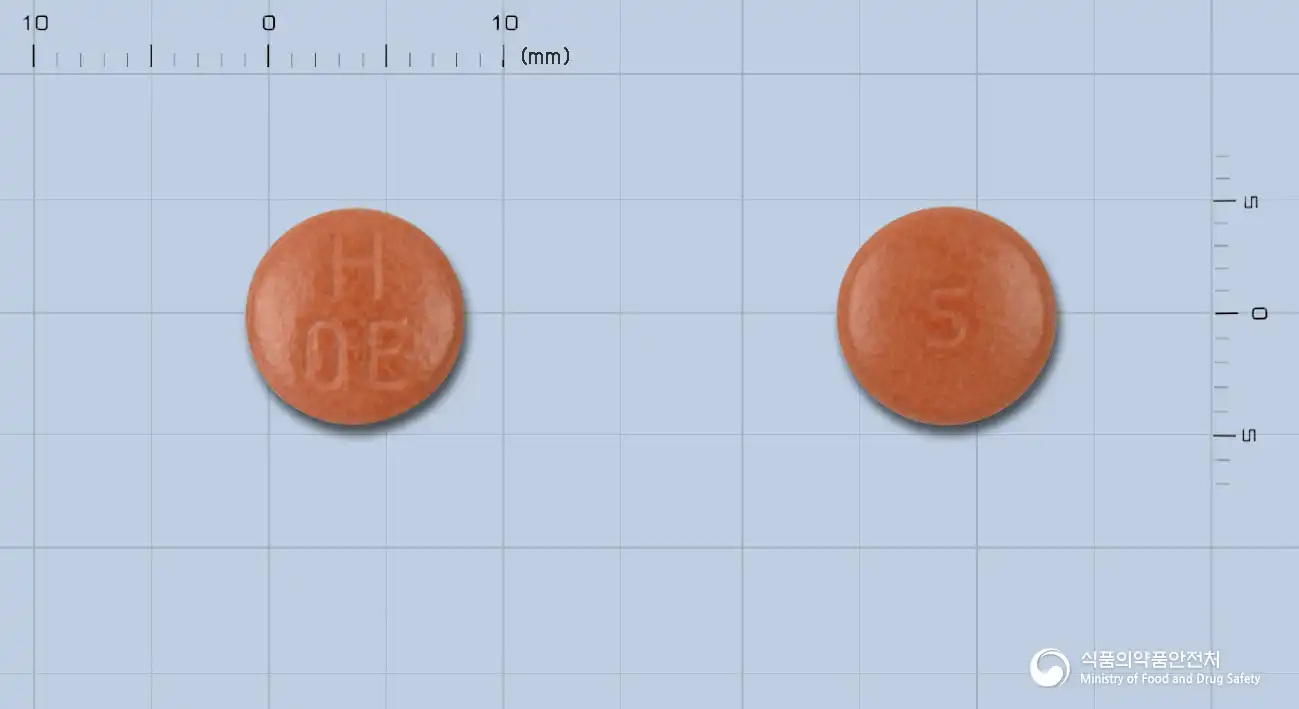
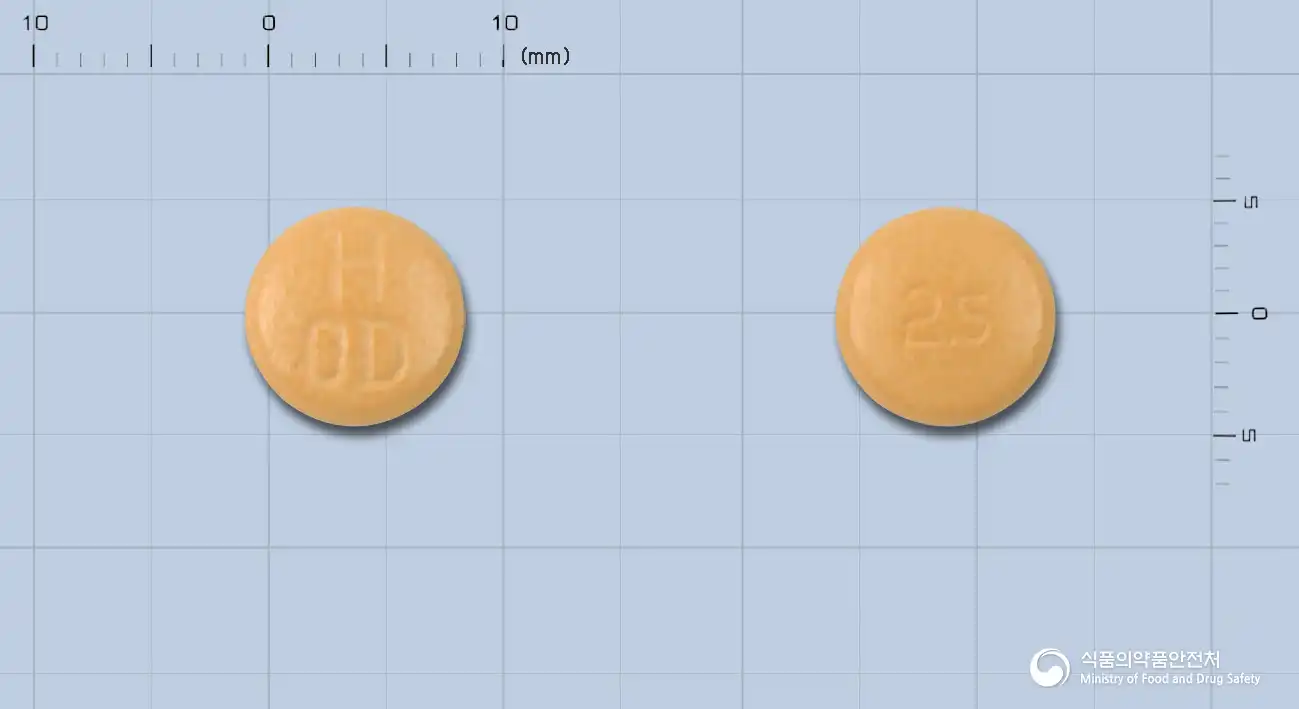
Yellowish, convex, round film-coated tablets
30 tablets/bottle
Even with the same ingredient, strength, dosage form and how it is taken can differ.
Even with the same ingredient, the dose and directions can differ by strength and dosage form. Talk to a doctor or pharmacist before switching from a medication you are already taking.
No questions yet.
For anything that needs medical judgment, consult a doctor or pharmacist.
This drug information is based on data provided by the Korea Ministry of Food and Drug Safety.
Consult a doctor or pharmacist for accurate dosage, administration, and usage instructions.