
 한국어
한국어 English
 日本語
日本語 中文(简体)
 Viewing now
Aseclan Tablets (Aceclofenac)
Aceclofenac 100mg
Tablet · Prescription medication
Ilhwa Co., Ltd.
MFDS item code 200300603 · Notified 2003.12.29 · Insurance code 640900550
Relief of inflammation and pain from rheumatoid arthritis, ankylosing spondylitis, etc.
This medication is used for joint diseases such as rheumatoid arthritis, ankylosing spondylitis, and osteoarthritis, as well as periarticular inflammation around the scapula-humeral joint. It is also effective for relieving pain from dental pain, inflammation due to trauma, back pain, sciatica, and non-articular rheumatism. This medication can improve various joint and muscle pains.
For aceclofenac, take 100 mg twice daily every 12 hours. This medication should not be chewed or crushed and should be taken whole. Adjust according to symptoms. To minimize cardiovascular adverse reactions, the lowest effective dose should be administered for the shortest duration.
People who regularly consume more than three glasses of alcohol daily must consult a doctor or pharmacist before taking this medication, as gastrointestinal bleeding may occur with this medication or other antipyretics. This medication may increase the risk for cardiovascular and cerebrovascular issues. Patients with risk factors such as heart failure, hypertension, diabetes, and smoking should carefully consider whether to take this medication. The longer the dose and duration, the greater the risk, so it should be taken for the shortest duration and the minimum dose possible. Watch for gastrointestinal adverse reactions. This medication may cause serious problems such as bleeding, ulcers, or perforations in the stomach or intestines, so symptoms should be closely monitored. Elderly patients are particularly at higher risk for gastrointestinal side effects and should be cautious. This medication is not prescribed to patients with active peptic ulcers or bleeding, hypersensitivity, a history of asthma, heart failure, severe kidney or liver disease, or pregnant women in the later stages of pregnancy. Patients with kidney dysfunction, heart failure, hypertension, elderly patients, and asthma should use this medication with more caution, and regular tests may be necessary during administration. When taking this medication, various side effects such as dizziness, liver function abnormalities, skin rashes, digestive disorders, and blood abnormalities may occur, so symptoms should be well observed. If severe rashes on the skin or breathing difficulties occur, discontinue use immediately and consult a healthcare professional. This medication may interact with other drugs; patients taking digoxin, anticoagulants, diabetes medications, diuretics, lithium, methotrexate, etc., should consult a doctor. Pregnant women, especially in late pregnancy, should not take this medication, and breastfeeding women should also avoid it. The safety and efficacy of this medication have not been established in children and adolescents, so its use is not recommended. Elderly patients should take particular care when using this medication as the risk of gastrointestinal bleeding and perforation is high. In case of overdose, gastrointestinal irritation, hypotension, respiratory suppression, seizures, etc., may occur, so immediate medical attention is required. This medication should be kept out of the reach of children and should not be transferred to other containers.
Hives, severe swelling (edema), difficulty breathing, yellowing of the skin or eyes (jaundice), severe skin reactions (severe rash, blisters, skin peeling, pain in mucous membranes of mouth/eyes), gastrointestinal bleeding, peptic ulcers, perforations, hematemesis, melena, blood and lymphatic system abnormalities (anemia, leukopenia, thrombocytopenia, hemolytic anemia, aplastic anemia, agranulocytosis), shock, anaphylactic reactions, severe allergic reactions, severe
Not everyone experiences these, and they can vary from person to person.
This medication may be sensitive to air and moisture, so it must be stored in a tightly sealed container. It is important to maintain a storage temperature between 1 degree and 30 degrees Celsius to keep the medication effective for a longer time.
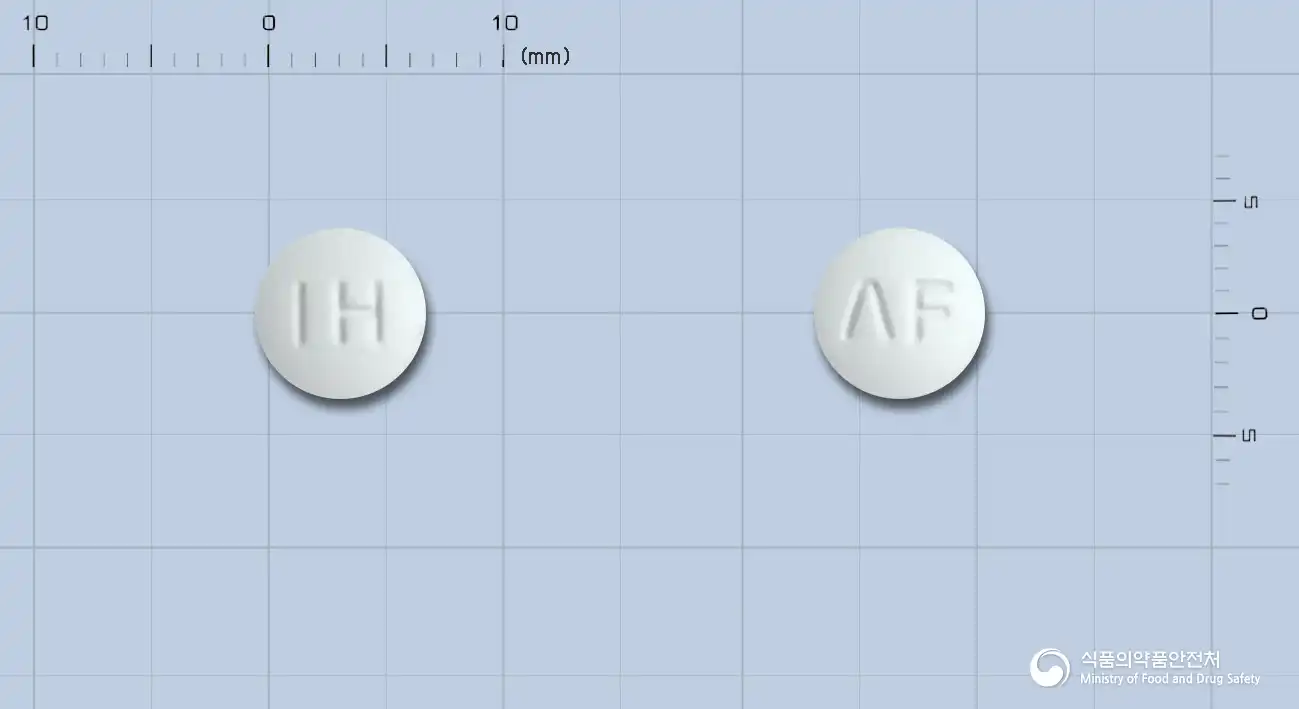
White, round, film-coated tablets
30 tablets/bottle, 500 tablets/bottle
Even with the same ingredient, strength, dosage form and how it is taken can differ.
Viewing nowAceclofenac 100mg
Tablet · Prescription medication
Ilhwa Co., Ltd.
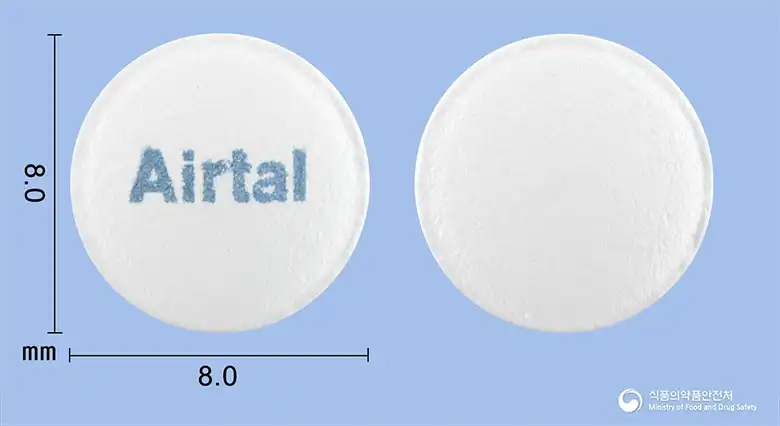
Aceclofenac 100mg
Tablet · Prescription medication
Daewoong Pharmaceutical Co., Ltd.
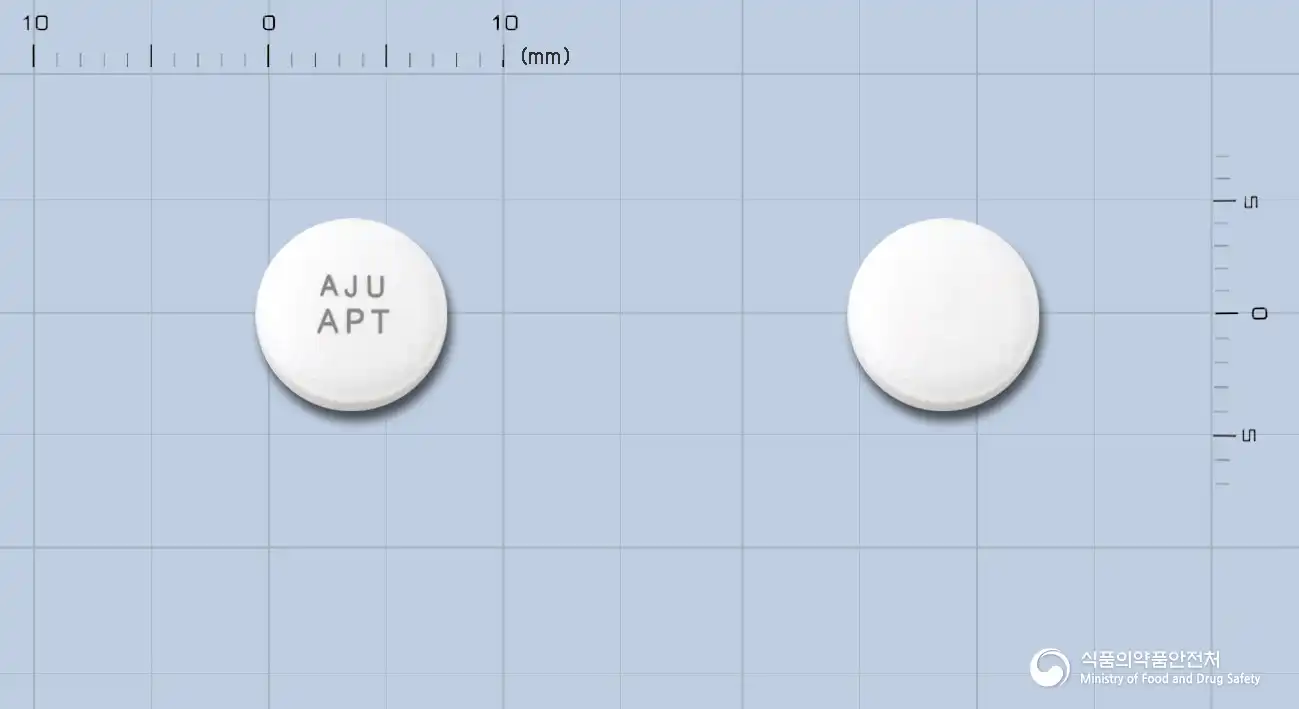
Aceclofenac 100mg
Tablet · Prescription medication
Aju Pharm Co., Ltd.
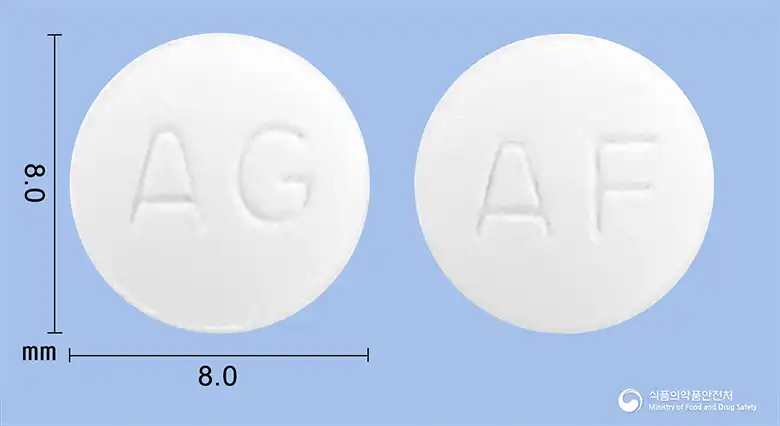
Aceclofenac 100mg
Tablet · Prescription medication
Angkuk Pharmaceutical Co., Ltd.
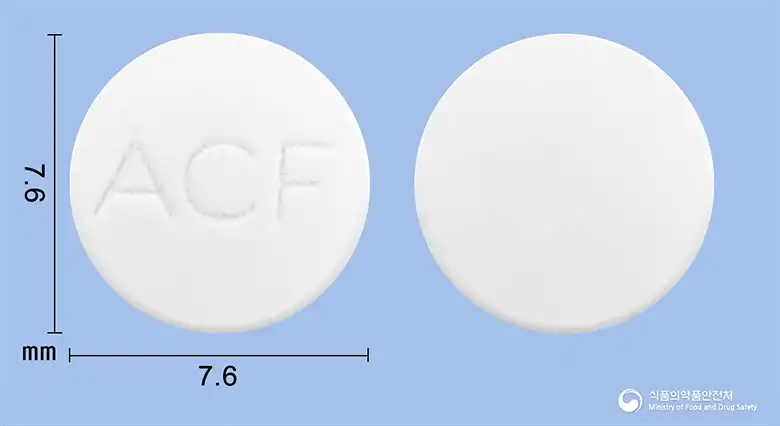
Aceclofenac 100mg
Tablet · Prescription medication
Dong-A ST Co., Ltd.
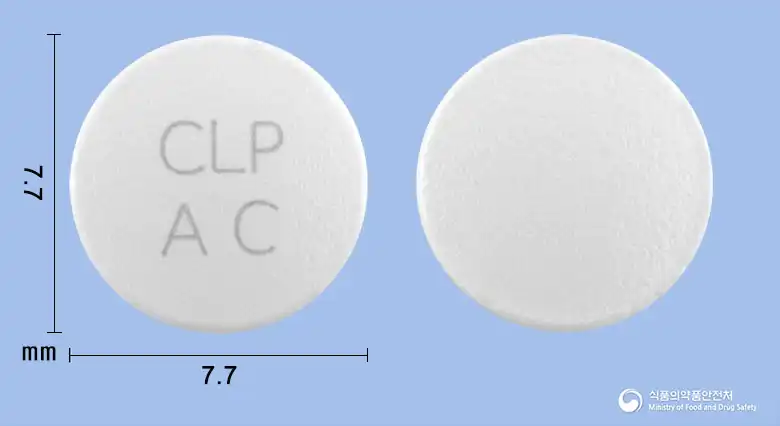
Aceclofenac 100mg
Tablet · Prescription medication
Celltrion Pharmaceutical Co., Ltd.
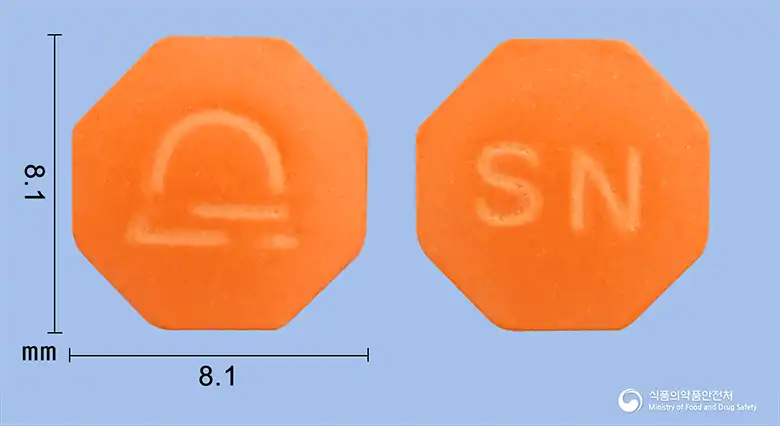
Aceclofenac 100mg
Tablet · Prescription medication
Daewon Pharmaceutical Co., Ltd.
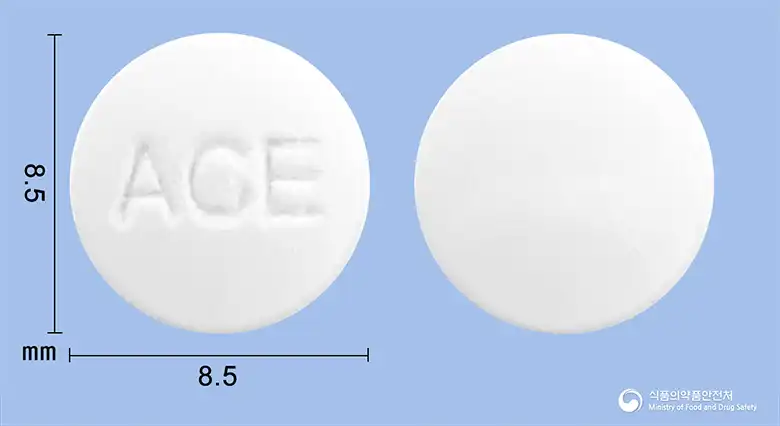
Aceclofenac 100mg
Tablet · Prescription medication
Kyungdong Pharmaceutical Co., Ltd.
Even with the same ingredient, the dose and directions can differ by strength and dosage form. Talk to a doctor or pharmacist before switching from a medication you are already taking.
No questions yet.
For anything that needs medical judgment, consult a doctor or pharmacist.
This drug information is based on data provided by the Korea Ministry of Food and Drug Safety.
Consult a doctor or pharmacist for accurate dosage, administration, and usage instructions.