
 한국어
 English
 日本語
 中文(简体)
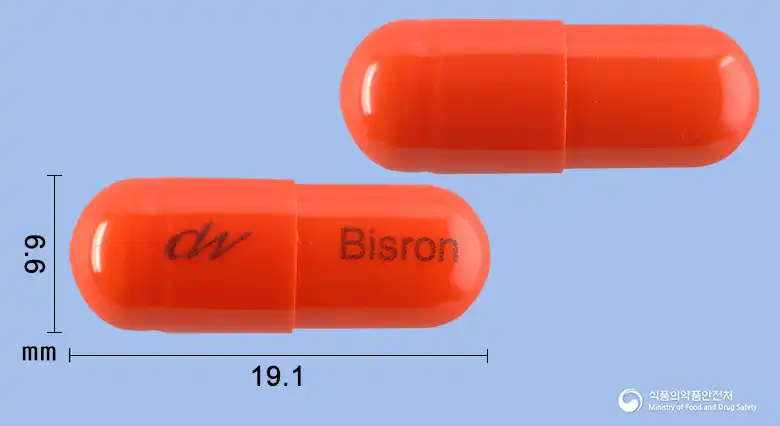 Viewing now
Visron Capsules (Fenofibrate Granules (Micronized))
Fenofibrate Granules Micronized 301.95mg
Hard capsule · Prescription medication
Daewoo Pharmaceutical Co., Ltd.
MFDS item code 200300496 · Notified 2003.07.26 · Insurance code 649601190
Treatment of primary hyperlipidemia (such as hypercholesterolemia)
This medication is used to treat primary hyperlipidemia, specifically high levels of cholesterol in the blood known as hypercholesterolemia, as well as combined hyperlipidemia where both cholesterol and triglycerides are elevated, and hypertriglyceridemia characterized by high triglyceride levels. It helps to regulate blood lipid levels within the normal range, thereby reducing the risk of cardiovascular diseases.
Adults: Administer 200 mg of fenofibrate orally once daily, immediately after a meal. Fenofibrate must be administered in conjunction with dietary therapy. This medicine may be less well absorbed on an empty stomach, so administer it immediately after a meal (except for the 145 mg formulation). Elderly patients: Dose reduction is generally not necessary if renal function is not reduced. Patients with renal impairment: Do not administer this medicine to patients with moderate to severe renal impairment (serum creatinine level of 2.5 mg/dL or higher).
Clinical data on the use of this medicine in children are not yet available.
This drug should not be used in patients with impaired liver function, as the medication may be harmful if liver function is poor. It should also not be administered to patients with moderate to severe renal impairment, as poor kidney function poses a risk of muscle tissue damage. It is safest for pregnant women or women who may become pregnant, as well as lactating women, to avoid using this drug due to potential harm to the fetus or infant. Individuals with allergies to this medication or its ingredients should avoid its use. Patients with gallbladder disease or history of gallstone formation should be cautious, as this medication may increase the risk of gallstones. Those who have previously experienced photosensitivity or skin reactions while taking fibrate-class medications or ketoprofen should use it with caution. This medication is not to be administered to children. Patients with biliary cirrhosis or pancreatitis are advised against using this medication. Patients with slight kidney damage or a history of such conditions should use this medication cautiously, potentially requiring a dose reduction or extended dosing intervals. Caution is necessary for patients with abnormal liver function tests or a history of liver issues. Patients experiencing low protein levels in the blood, or having a history of gallstones, should be monitored closely. Patients taking anticoagulant medications or statins should exercise caution. Elderly individuals are at heightened risk of side effects due to potential decreased liver and kidney function and should use this medication with more care. This medication contains yellow coloring agents, and those with allergies to them should use it cautiously. While taking this medication, side effects such as liver function abnormalities, skin rashes, muscle pain, dizziness, gastrointestinal discomfort, and blood abnormalities may occur. If symptoms appear, patients should immediately consult a doctor. Particularly, if muscle pain or weakness manifests, it is crucial to suspect potential muscle damage (rhabdomyolysis) and promptly discontinue the medication, informing healthcare providers. Routine blood tests and liver function tests are required during treatment, and if abnormalities are identified, dose adjustments or discontinuation may be needed. This medication can interact with other drugs, so if other medications are being taken, patients must inform their doctor or pharmacist. Special caution is necessary when taken alongside anticoagulants, cholesterol-lowering agents, or hypoglycemic medications. Pregnant or breastfeeding women should avoid the use of this drug. This medication should not be given to children. Elderly patients should have their kidney function regularly monitored while using this medication carefully. In cases of overdose, there is no specific antidote, making adherence to the prescribed dosage very important. This drug should be stored in a safe place out of reach of children, and it is advisable not to transfer it to another container.
Not everyone experiences these, and they can vary from person to person.
This medication may be sensitive to air and moisture, so it must be stored in a tightly sealed container. The recommended storage temperature is between 1 and 30 degrees Celsius to maintain its efficacy.
Orange hard capsules containing white small spherical granules
30 capsules/bottle, 300 capsules/bottle
Even with the same ingredient, strength, dosage form and how it is taken can differ.
Viewing nowFenofibrate Granules Micronized 301.95mg
Hard capsule · Prescription medication
Daewoo Pharmaceutical Co., Ltd.
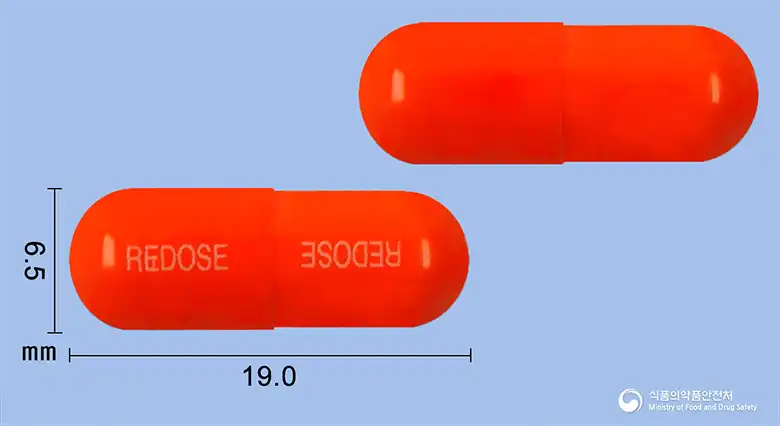
Fenofibrate Granules Micronized 301.95mg
Hard capsule · Prescription medication
Korea Pharma Co., Ltd.
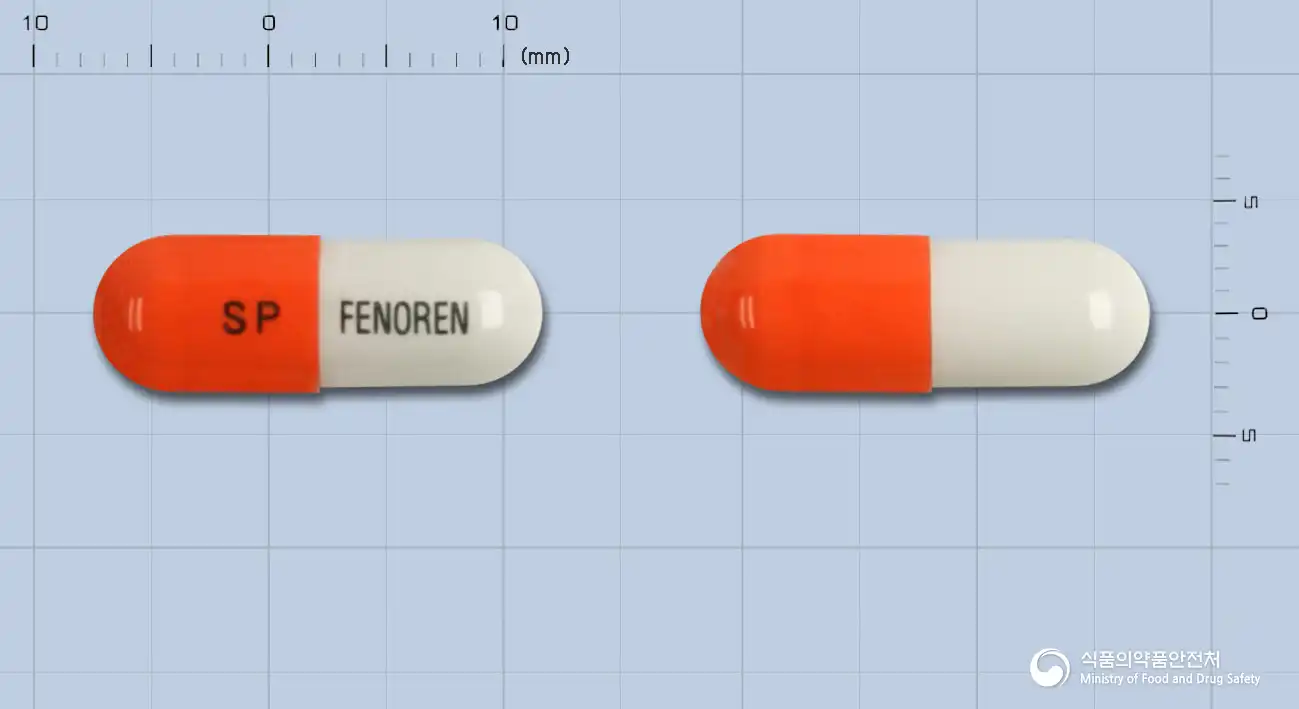
Fenofibrate Granules Micronized 301.95mg
Hard capsule · Prescription medication
Shinpoong Pharmaceutical Co., Ltd.
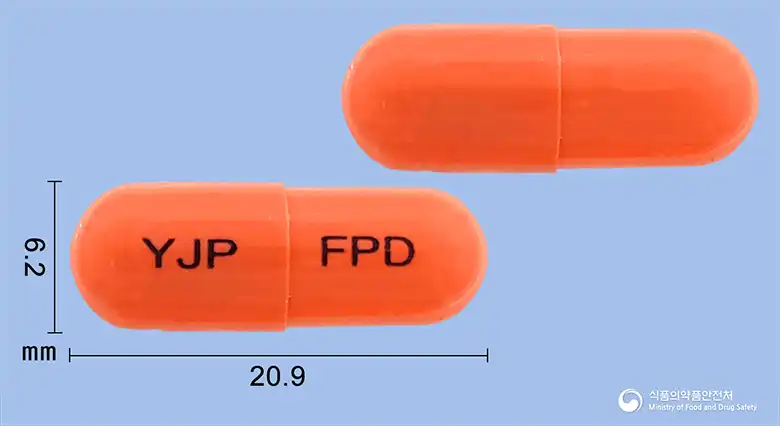
Fenofibrate Granules Micronized 301.95mg
Hard capsule · Prescription medication
Youngjin Pharmaceutical Co., Ltd.
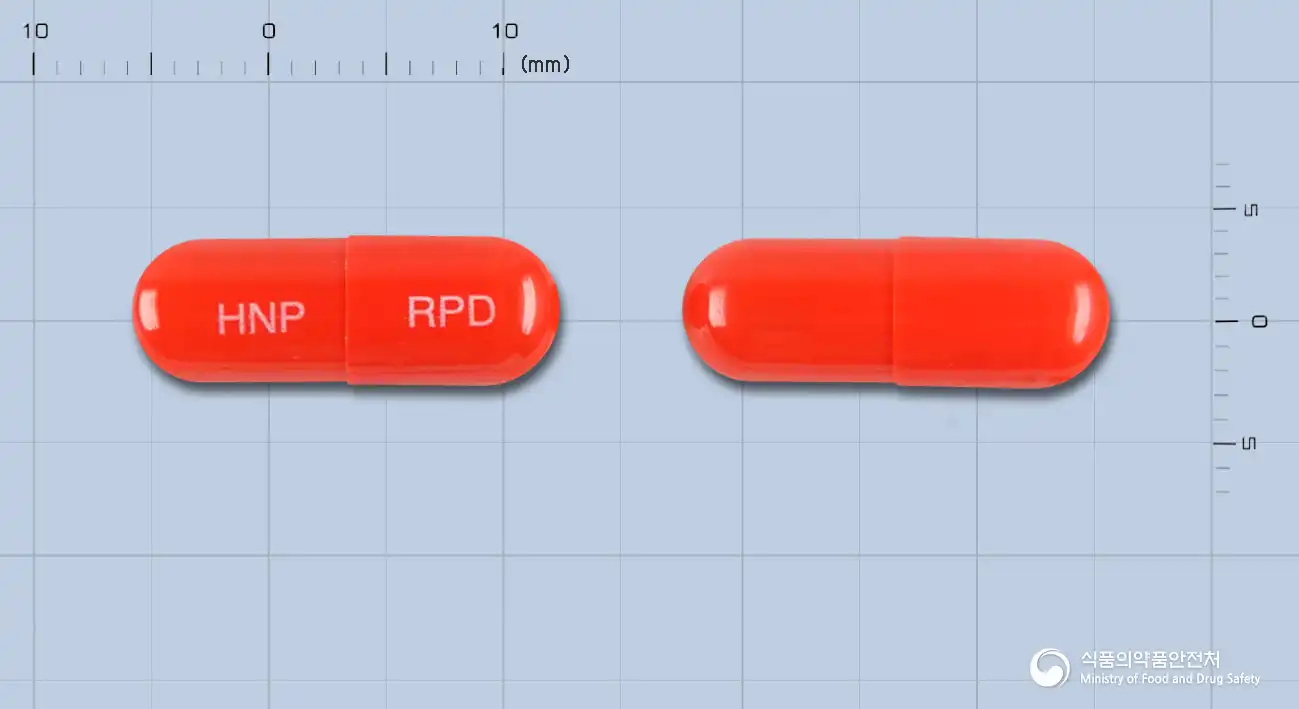
Fenofibrate Granules Micronized 301.95mg
Hard capsule · Prescription medication
Hana Pharmaceutical Co., Ltd.
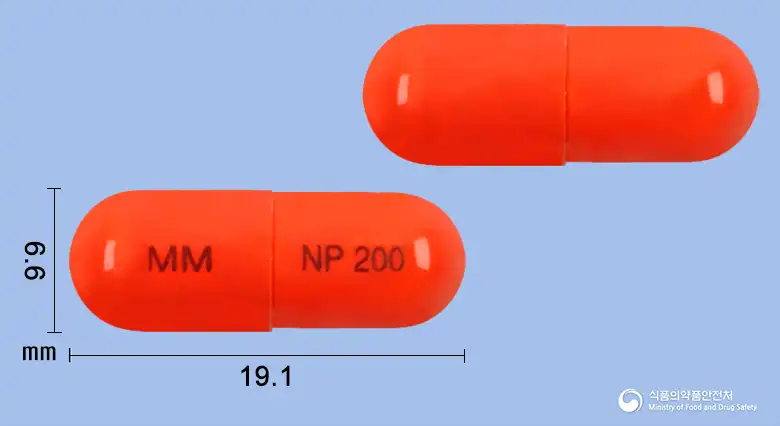
Fenofibrate Granules Micronized 301.95mg
Hard capsule · Prescription medication
Myungmoon Pharmaceutical Co., Ltd.
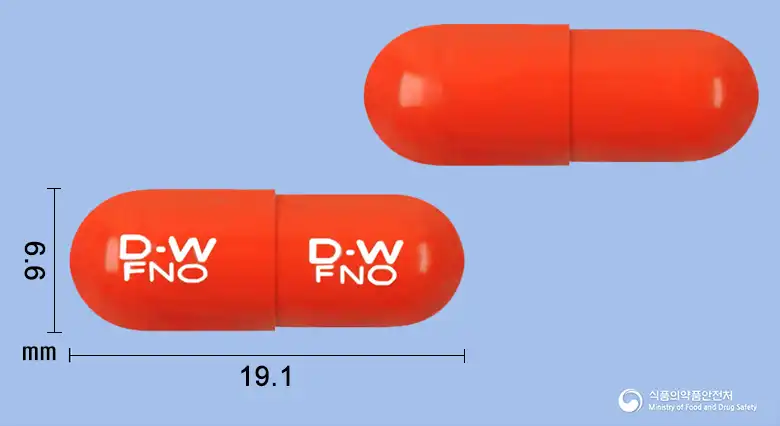
Fenofibrate Granules Micronized 301.95mg
Hard capsule · Prescription medication
Dongwha Pharmaceutical Co., Ltd.
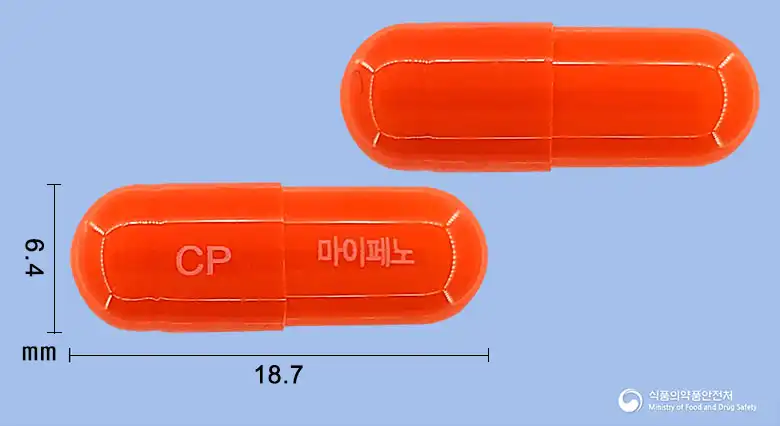
Fenofibrate Granules Micronized 301.95mg
Hard capsule · Prescription medication
CMG Pharmaceuticals Co., Ltd.
Even with the same ingredient, the dose and directions can differ by strength and dosage form. Talk to a doctor or pharmacist before switching from a medication you are already taking.
No questions yet.
For anything that needs medical judgment, consult a doctor or pharmacist.
This drug information is based on data provided by the Korea Ministry of Food and Drug Safety.
Consult a doctor or pharmacist for accurate dosage, administration, and usage instructions.