
 한국어
 English
 日本語
 中文(简体)
Dosage form image
Viewing nowChoiil Pharmaceutical Sodium Cytidine Injection 250 mg (mL)
Citicoline Sodium 250mg
Injections · Prescription medication
Choiil Pharmaceutical Co., Ltd.
MFDS item code 200300465 · Notified 2003.06.04
Improvement of upper-limb function and impaired consciousness after stroke; adjunctive treatment of pancreatitis
This medication is used for consciousness disturbances caused by head trauma or brain surgery. Moreover, it aids in promoting the recovery of upper limb function in patients with hemiparesis caused by stroke. However, it is effective when rehabilitation and oral medication therapy are performed together with brain metabolic resuscitation agents or brain circulation improvers within one year after seizure, in cases of relatively mild lower limb paralysis. Additionally, it is used in conjunction with protease inhibitors during the acute exacerbation phase of acute pancreatitis and chronic recurrent pancreatitis, and for the treatment of acute pancreatitis following surgery. It is effectively used for a variety of neurological and gastrointestinal diseases.
1. Disturbances of consciousness due to head trauma or brain surgery Adults: Administer 100 ∼ 500 mg of citicoline per dose intramuscularly or by intravenous infusion 1 ∼ 2 times daily. 2. Hemiplegia following stroke Administer 1,000 mg of this medicine intravenously once daily for 4 consecutive weeks. Alternatively, administer 250 mg intravenously once daily for 4 weeks. If improvement is observed, continue injections for an additional 4 weeks. 3. Pancreatitis In combination with a protease inhibitor, administer 1,000 mg of this medicine intravenously once daily for 2 weeks.
Since this medication is an ampoule injection, glass fragments may be mixed in when cutting the container, so caution is required during use. Special attention is needed when used for children or the elderly. Patients who have allergic reactions to this medication or its components should not be administered this medication. Caution should be exercised when administering it to patients with a history of drug allergies or consciousness disturbances after acute severe head trauma or brain surgery, and in such cases, hemostatic agents or measures against increased intracranial pressure and hypothermia may be necessary. For patients with consciousness disturbances in the acute phase of cerebral infarction, it is preferable to start administration within 2 weeks after the stroke occurs. Rarely, shock symptoms may occur when using this medication, so if signs such as hypotension, chest tightness, or difficulty breathing appear, administration should be stopped immediately, and appropriate treatment should be provided. Administration should also be halted in the event of allergic reactions such as skin rashes. Occasionally, neurological symptoms such as insomnia, headaches, dizziness, agitation, and seizures may appear, and in patients with post-stroke hemiparesis, the sensation in the paralyzed area may become more intense. Gastrointestinal symptoms such as nausea or loss of appetite may occur, and liver function test values may become abnormal. Transient diplopia, heat sensation, blood pressure fluctuations, and fatigue may also occur rarely. In patients with acute severe head trauma or consciousness disturbance after brain surgery, this medication should be used in conjunction with hemostatic agents, antihypertensive agents, and hypothermia treatment. This medication may increase the efficacy of the drug levodopa when administered together, so caution is needed. Pregnant women or women of childbearing potential should only use this medication when the benefits of treatment outweigh the risks, as its safety has not been established. Its safety in pediatric patients has not been sufficiently confirmed, so cautious use is required. Elderly patients may have impaired body functions, so dosage should be carefully adjusted such as reducing the amount administered. When administered by intramuscular injection, care should be taken to avoid nerves or blood vessels, administering only the minimum required amount, and if there is severe pain or blood backflow at the injection site, the site should be changed immediately. When administered intravenously, it is advisable to inject as slowly as possible.
Not everyone experiences these, and they can vary from person to person.
This medication should be stored in a sealed container to prevent air or moisture from entering and kept in a cool room away from direct sunlight. Proper storage can help maintain the effectiveness of the medication for a longer duration.
Colorless transparent ampoule injection containing a colorless transparent liquid
10 ampoules/box [2 milliliters/ampoule*10], 10 ampoules/box [4 milliliters/ampoule*10]
Even with the same ingredient, strength, dosage form and how it is taken can differ.
Citicoline Sodium 250mg
Injections · Prescription medication
Choiil Pharmaceutical Co., Ltd.
Citicoline Sodium 125mg
Injections · Prescription medication
Chong Kun Dang Pharmaceutical Co., Ltd.
Citicoline Sodium 522.53mg
Injections · Prescription medication
BC World Pharmaceutical Co., Ltd.
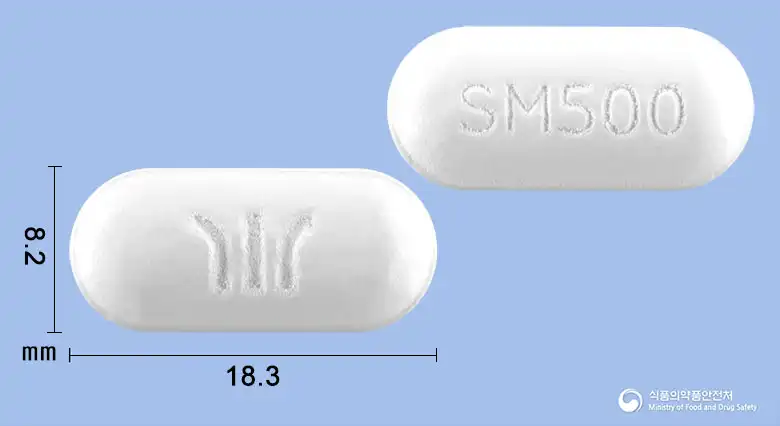
Citicoline Sodium 522.5mg
Tablet · Prescription medication
BooKwang Pharmaceutical Co., Ltd.
Even with the same ingredient, the dose and directions can differ by strength and dosage form. Talk to a doctor or pharmacist before switching from a medication you are already taking.
No questions yet.
For anything that needs medical judgment, consult a doctor or pharmacist.
This drug information is based on data provided by the Korea Ministry of Food and Drug Safety.
Consult a doctor or pharmacist for accurate dosage, administration, and usage instructions.