
 한국어
 English
 日本語
 中文(简体)
 Viewing now
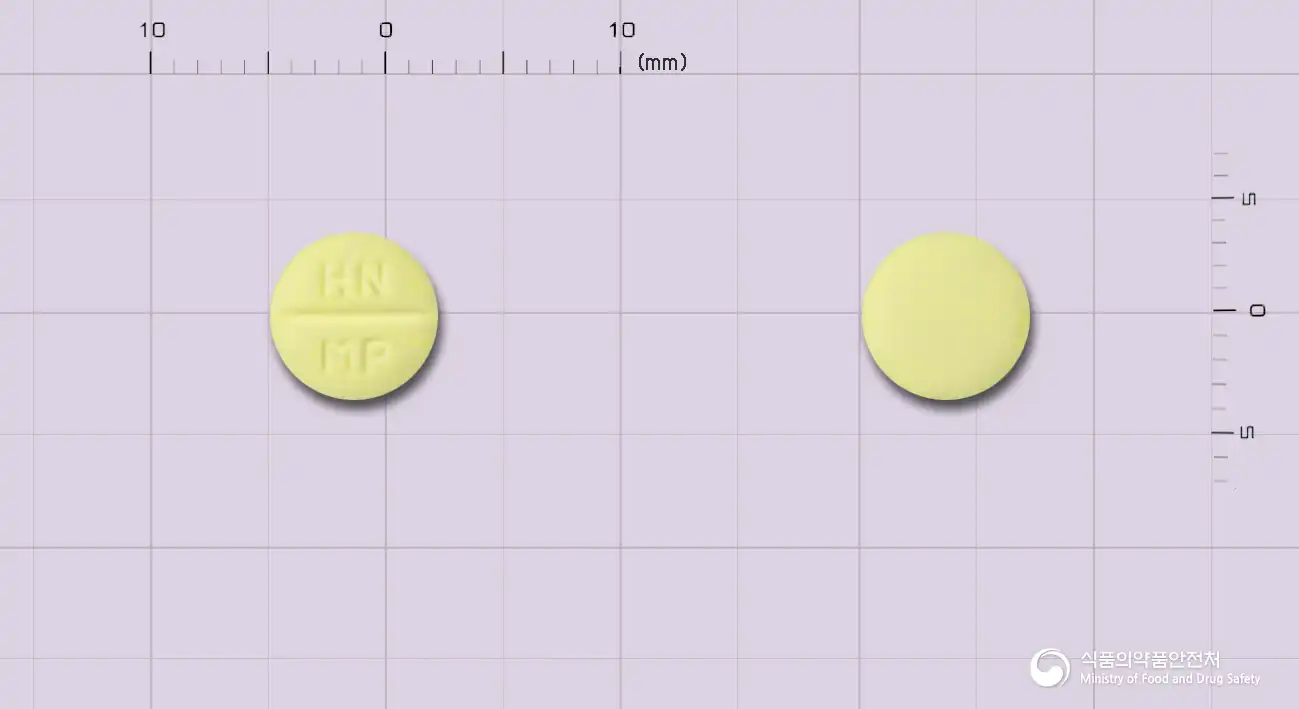
Morphine Sulfate Tablet (Morphine Sulfate Pentahydrate)
Morphine Sulfate Hydrate 15mg
Tablet · Prescription medication
Hana Pharmaceutical Co., Ltd.
MFDS item code 200210686 · Approved 2002.07.06 · Insurance code 657802960
Relief of severe pain
This medication is used to relieve severe pain. It effectively reduces strong pain to help patients lead a more comfortable daily life.
Usually, administer 15∼30 mg of morphine sulfate hydrate orally every 4 hours in adults, adjusting as appropriate according to the physician's prescription. To relieve end-stage disease symptoms, regular administration every 4 hours at the minimum dose that provides analgesia with this product is recommended.
This medication is a pain reliever that acts on the central nervous system, and taking it together with narcotics, benzodiazepines, or alcohol can cause very dangerous side effects. In particular, deep sedation, respiratory depression, coma, or even death may occur; therefore, it should only be used in necessary cases with the minimum dosage and duration in combination with these substances. This medication should not be administered to specific patients, such as those with allergies to this drug or its components, severe respiratory distress, asthma, severe central nervous system depression, heart failure, arrhythmias, increased intracranial pressure, acute alcohol intoxication, seizures, severe liver or kidney disorders, etc. Additionally, it contains lactose and should not be administered to patients with certain genetic metabolic disorders. Careful use is required in patients with weak heart or respiratory function, liver or kidney dysfunction, hypotension or shock, hypothyroidism, adrenal insufficiency, history of drug dependence or alcohol addiction, the elderly, and neonates. Long-term use of this medication can lead to tolerance and dependence, so the duration and dosage should be strictly managed, and it is important to gradually reduce the dose to avoid withdrawal symptoms upon sudden discontinuation. Drowsiness or dizziness may occur during administration, so driving or operating dangerous machinery should be avoided. Various side effects such as liver dysfunction, respiratory depression, hypotension, palpitations, skin rash may occur, and if any abnormal symptoms arise, the medical staff should be consulted immediately. Women who are pregnant or may become pregnant should only use this medication when the benefits of treatment outweigh the risks and should avoid use during childbirth. During breastfeeding, it's advisable to stop nursing since this medication can be transmitted through breast milk. Special caution should be taken when administering to children or the elderly due to a higher risk of respiratory depression, starting from a lower dose cautiously. In case of overdose, severe symptoms such as respiratory depression, loss of consciousness, hypotension may occur, and immediate emergency treatment should be received, and if necessary, antidotes or auxiliary respiratory therapy may be required. When this medication is taken with other central nervous system depressants, anticoagulants, anticholinergics, etc., the risk of side effects may increase due to interactions; therefore, dosage adjustments and monitoring should be discussed with specialists.
Drug dependence, yawning, sneezing, tearing, sweating, nausea, vomiting, diarrhea, abdominal pain, pupil dilation, headache, insomnia, anxiety, hallucinations, convulsions, tremors, pain in muscles and joints throughout the body, shortness of breath, palpitations, dyspnea, bradypnea, irregular breathing, apnea, confusion, forgetfulness, head injury, increased intracranial pressure, hypotension, shock, atelectasis, bronchospasm, laryngeal edema, liver dysfunction, feeling of emptiness in the head, sedation, dizziness, sweating, itching, skin rash, urticaria, hemorrhagic urticaria, edema, palpitations, bradycardia, fainting, blood pressure fluctuations, arrhythmia, facial flushing, weakness, headache, insomnia, loss of directional sense, drowsiness, consciousness disorder, anxiety, agitation, hallucination, malaise, dysentery, hyperalgesia, hyperhidrosis, constipation, abdominal bloating, abdominal pain, gastric discomfort, thirst, loss of appetite, biliary colic, taste disorder, dry mouth, pancreatitis, sphincter of Oddi spasm, urinary retention, antidiuretic effect, decreased libido, sexual dysfunction, skeletal muscle rigidity, anemia, thrombocytopenia, edema, weight loss, acute generalized pustular rash, central sleep apnea syndrome, lethargy, vision impairment, eye pain, amblyopia, respiratory depression, coma, stupor, skeletal muscle relaxation, cold skin, miosis, bradycardia, hypotension, apnea, cardiovascular collapse, cardiac arrest, aspiration pneumonia
Not everyone experiences these, and they can vary from person to person.
This medication should be stored in a sealed container to prevent air exposure, and it is best to keep it at room temperature between 1 degree and 30 degrees Celsius. Proper storage will help maintain the effectiveness of the medication.
Yellow round tablets
100 tablets (10 tablets/PTP x 10)
Even with the same ingredient, strength, dosage form and how it is taken can differ.
Viewing nowMorphine Sulfate Hydrate 15mg
Tablet · Prescription medication
Hana Pharmaceutical Co., Ltd.
Morphine Sulfate Hydrate 1mg
Injections · Prescription medication
Myungmoon Pharmaceutical Co., Ltd.
Morphine Sulfate Hydrate
Prescription medication
Hana Pharmaceutical Co., Ltd.
Morphine Sulfate Hydrate 1mg
Injections · Prescription medication
Hana Pharmaceutical Co., Ltd.

Morphine Sulfate Hydrate 10mg
Tablet · Prescription medication
Hana Pharmaceutical Co., Ltd.
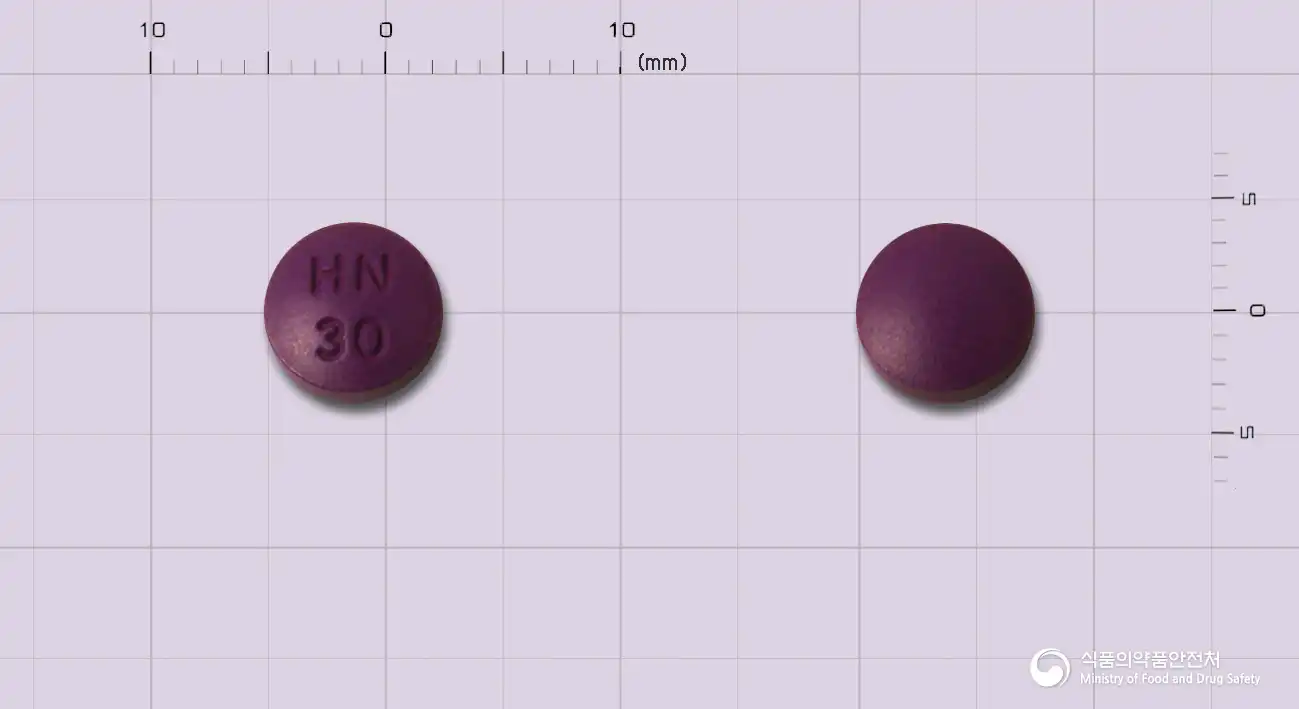
Morphine Sulfate Hydrate 30mg
Tablet · Prescription medication
Hana Pharmaceutical Co., Ltd.
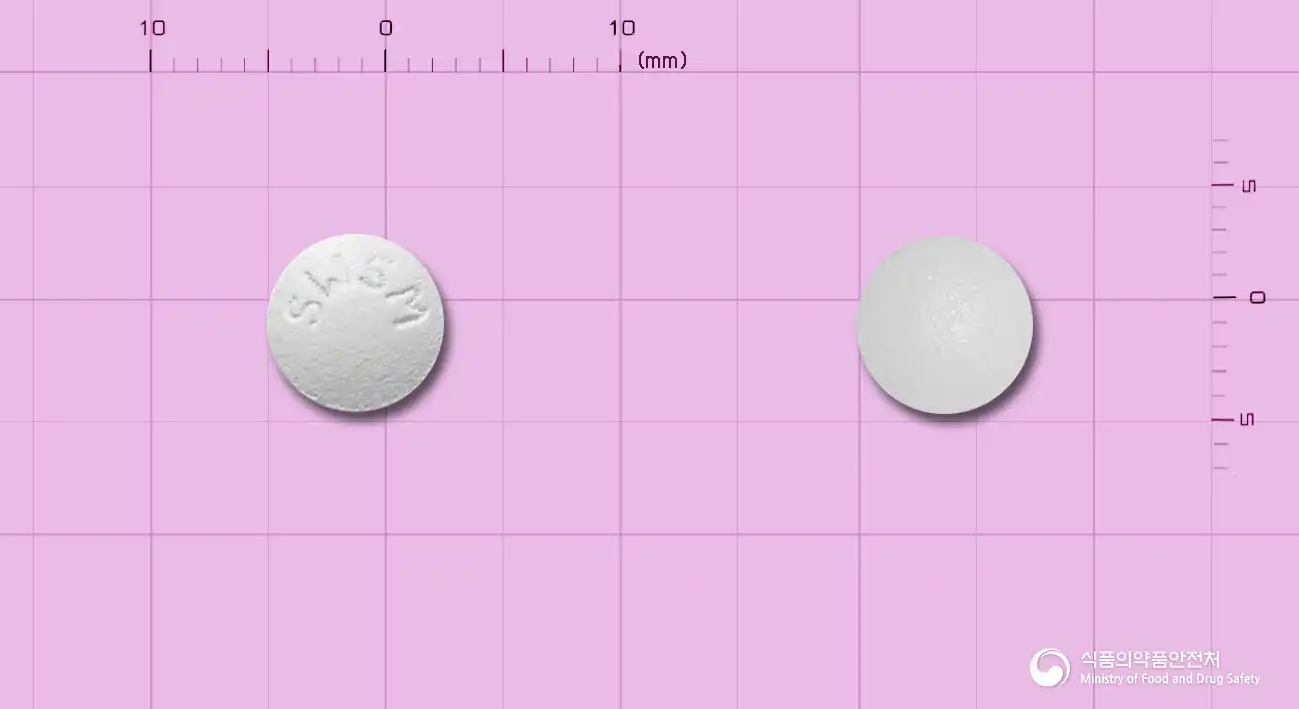
Morphine Sulfate Hydrate 15mg
Tablet · Prescription medication
Sungwon Adcock Pharmaceutical Co., Ltd.
Morphine Sulfate Hydrate 20mg
Injections · Prescription medication
(Ltd.) BC World Pharmaceutical
Even with the same ingredient, the dose and directions can differ by strength and dosage form. Talk to a doctor or pharmacist before switching from a medication you are already taking.
No questions yet.
For anything that needs medical judgment, consult a doctor or pharmacist.
This drug information is based on data provided by the Korea Ministry of Food and Drug Safety.
Consult a doctor or pharmacist for accurate dosage, administration, and usage instructions.