
 한국어
 English
 日本語
 中文(简体)
Summary
- Main use
- Relief of symptoms of estrogen deficiency after menopause; prevention of osteoporosis
- Who takes it
- Adults
- Adult dose
- 1. When starting treatment 1) During each 28-day cycle, take 1 white tablet (estradiol 1 mg) daily for the first 2 weeks, followed by 1 gray tablet (estradiol 1 mg and dydrogesterone 10 mg) daily for the next 2 weeks. 2) Start a new 28-day cycle on day 29, after completing the 28-day cycle. 3) If the patient is still menstruating, it is recommended to start treatment on the first day of menstruation; postmenopausal patients may start treatment at any time. 2. Continued treatment 1) Start treatment with this medicine, and adjust the dose according to the individual patient's needs based on the clinical response. If the patient experiences breast pain, the dose is likely too high and should be reduced. If complaints associated with estrogen deficiency do not improve, increase the dose and use the yellow tablet (estradiol 2 mg and dydrogesterone 10 mg). 2) When selecting an appropriate dose for the prevention of osteoporosis, first consider the patient's tolerability of treatment and, second, the results of bone metabolism. 3) In the event of spotting, dydrogesterone 10 mg may be taken additionally on days 15 ∼ 28 of the treatment cycle. Spotting may occur during the first treatment cycle.
Ingredients
- Importer
- Abbott Korea
Efficacy & effects
Relief of symptoms of estrogen deficiency after menopause; prevention of osteoporosis
- Symptoms of estrogen deficiency
View approved original textHide original text
This medication is used to relieve estrogen deficiency symptoms occurring after natural or artificial menopause in women with an intact uterus. Additionally, it is effective in preventing osteoporosis in postmenopausal women at high risk of fractures. In other words, it is used to alleviate uncomfortable symptoms due to menopause and to maintain bone health.
How to take
Adult dose
1. When starting treatment 1) During each 28-day cycle, take 1 white tablet (estradiol 1 mg) daily for the first 2 weeks, followed by 1 gray tablet (estradiol 1 mg and dydrogesterone 10 mg) daily for the next 2 weeks. 2) Start a new 28-day cycle on day 29, after completing the 28-day cycle. 3) If the patient is still menstruating, it is recommended to start treatment on the first day of menstruation; postmenopausal patients may start treatment at any time. 2. Continued treatment 1) Start treatment with this medicine, and adjust the dose according to the individual patient's needs based on the clinical response. If the patient experiences breast pain, the dose is likely too high and should be reduced. If complaints associated with estrogen deficiency do not improve, increase the dose and use the yellow tablet (estradiol 2 mg and dydrogesterone 10 mg). 2) When selecting an appropriate dose for the prevention of osteoporosis, first consider the patient's tolerability of treatment and, second, the results of bone metabolism. 3) In the event of spotting, dydrogesterone 10 mg may be taken additionally on days 15 ∼ 28 of the treatment cycle. Spotting may occur during the first treatment cycle.
Precautions
This medication should not be used by children under 18 years of age or by women who are pregnant or breastfeeding. It should not be administered to patients with or suspected of having breast cancer or tumors responsive to estrogen or progestogens. Patients with abnormal genital bleeding, endometrial hyperplasia, thrombosis, liver disease, cerebrovascular disease, or thrombotic tendencies should also use this medication with caution. Patients with allergies to this medication's components or genetic issues like lactose intolerance should avoid taking it. If symptoms such as liver dysfunction, jaundice, migraines, visual disturbances, or increased blood pressure appear, immediately inform a doctor. For patients with a history of thrombosis or those with limited mobility post-surgery, measures must be taken to reduce the risk of thrombosis. Diabetic patients who require blood sugar control must be closely monitored regarding carbohydrate metabolism. Various adverse reactions like endometrial hyperplasia, breast cancer, thrombosis, liver disease, hypertension, headaches, immune disorders, etc., may occur during treatment, so regular check-ups and consultations with a doctor are necessary. In particular, since the risk of breast cancer may increase, regular breast cancer screening is recommended, and any abnormalities in the breast should be reported immediately. This medication may interact with other drugs, so if you are taking other medications, you must inform your doctor or pharmacist. Antiepileptic drugs, HIV medications, and some herbal preparations may reduce the efficacy of this medication or cause bleeding. Pregnant or breastfeeding women should not use this medication, and if pregnancy is confirmed during treatment, it should be immediately discontinued and a doctor consulted. In case of overdose, symptoms such as nausea, vomiting, dizziness, abdominal pain, and drowsiness may occur; in such cases, notify medical personnel immediately. This medication does not significantly affect driving or operating machinery, but caution is needed as it may vary by individual. Finally, this medication is used for hormone replacement therapy in postmenopausal women, and regular check-ups and monitoring according to the doctor's instructions are important before and during medication.
Side effects
headache, abdominal pain, breast pain, breast tenderness, back pain, nausea, vomiting, abdominal bloating, dyspepsia, migraine, depression, irritability, dizziness, changes in libido, gallbladder disorder, changes in liver function test results, breast enlargement, skin allergic reactions, rash, hives, itching, angioedema, petechiae, vaginal candidiasis, menstrual disorders, pelvic pain, changes in discharge, symptoms resembling premenstrual syndrome, symptoms resembling cystitis, hypertension, peripheral vascular disease, varicose veins, thrombosis in legs or lungs, heart attack, lower back pain, weight gain, muscle weakness, asthenia, fatigue, malaise, limb swelling, weight loss, allergic reactions, changes in carbohydrate metabolism, hemolytic anemia, systemic lupus erythematosus, hypertriglyceridemia, possible dementia, involuntary muscle contractions, exacerbation of epilepsy symptoms, deepening of corneal curvature, intolerance to contact lenses, arterial thrombosis, pancreatitis, erythema multiforme, nodular erythema, brown spots, erythema, hemorrhagic rash, leg cramps, difficulty controlling the bladder, incontinence, breast fibrocystic changes, cervical erosion, exacerbation of porphyria, increased total thyroid hormone, deep venous thrombosis, pelvic venous thrombosis, pulmonary embolism, myocardial infarction, stroke, gallbladder disease, breast tension, changes in bleeding volume, petechial hemorrhage, mild bleeding, menstruation, edema, increased discharge, sensation of abdominal fullness, drowsiness, pruritus, gastrointestinal disturbances, keratosis, lower abdominal pain, heat sensation, nausea, vomiting, atrophic hemorrhage, sleepiness, fatigue
Not everyone experiences these, and they can vary from person to person.
Storage
This medication should be stored in a tightly closed container to prevent exposure to air or moisture. It is important to maintain storage temperature between 1 degree and 30 degrees Celsius at room temperature. This will help preserve the medication's effects for a longer period.
Appearance and packaging
Appearance
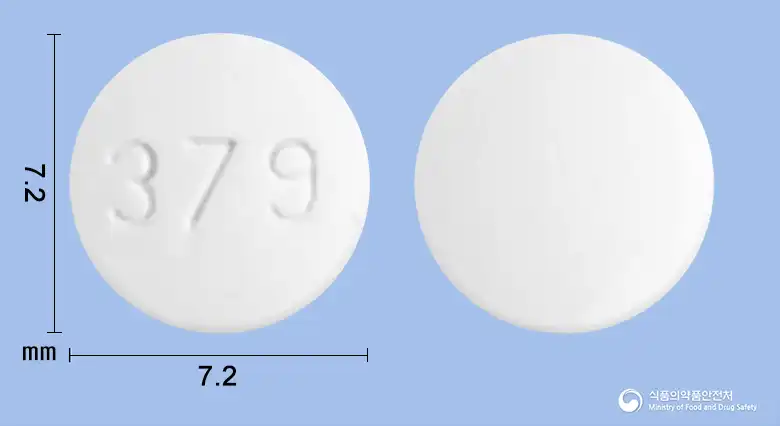
White tablet: white round, bilaterally convex film-coated tablet Gray tablet: gray round, bilaterally convex film-coated tablet
Package unit
28 tablets/PTP
Questions about this medicine
No questions yet.
For anything that needs medical judgment, consult a doctor or pharmacist.