
 한국어
 English
 日本語
 中文(简体)
 Viewing nowCombination
Femoston Conti Tablets (Estradiol Hemihydrate, Didrogesterone)
Estradiol Hemihydrate Micronized 1.03mg · Dydrogesterone 5mg
Tablet · Prescription medication · Combination
Abbott Korea Ltd.
MFDS item code 200209806 · Approved 2002.08.20 · Insurance code 644206590
Relief of symptoms of estrogen deficiency after menopause; prevention of osteoporosis
This medication is used for hormone replacement therapy to relieve symptoms caused by estrogen deficiency in postmenopausal women with a uterus. It also helps prevent osteoporosis in postmenopausal women at risk of fractures.
1. Adults - Take 1 tablet once daily. Take continuously without a break before or after each treatment cycle. It may be taken with or without food. 2. When starting treatment - In the case of natural menopause, treatment with this medicine should be started 12 months after the last menstrual period. Treatment may be started immediately in surgically induced menopause. - This medicine tends to suppress endometrial proliferation in postmenopausal women, causing amenorrhea. - Pregnancy must be ruled out before starting treatment. 3. Prevention of osteoporosis - For hormone replacement therapy to prevent postmenopausal osteoporosis, consider the expected dose-related effects on bone mineral density and the individual patient's tolerability of treatment. - Epidemiological studies have reported that numerous risk factors, including early menopause, a family history of osteoporosis, recent prolonged use of corticosteroids, small or slender body build, and smoking, influence the risk of postmenopausal osteoporosis. Use caution in patients with these risk factors. - For maximum preventive effect, hormone replacement therapy should be started as soon as possible after menopause. - The preventive effect increases with continued treatment, but data on estrogen therapy lasting more than 10 years are limited. Before undertaking long-term treatment for 5 to 10 years or longer, carefully weigh the risks and benefits. 4. Switching from another hormone replacement therapy - When switching from another hormone replacement therapy to this medicine, start without a break at the end of the estrogen and progestogen treatment cycle. - This medicine should be used only in women who are at least 12 months past menopause. If the timing of menopause is unknown (e.g., because of a series of hormone replacement therapies or concomitant use of oral contraceptives), endogenous estrogen may remain elevated, which may result in unexpected bleeding, particularly during the first treatment cycle.
This medication should not be used in children under 18 years old or in pregnant or breastfeeding women. Patients with breast cancer or suspected tumors that react to estrogen or progestogens should not take this medication. It should also not be administered in cases of abnormal genital bleeding, endometrial hyperplasia, thrombosis, heart disease, liver disease, porphyria, cerebrovascular disease, or a predisposition to thrombosis. Patients with genetic conditions such as lactose intolerance should not use this preparation containing this medication. If new symptoms such as worsening liver function, jaundice, migraines, visual disturbances, or hypertension occur, inform a doctor immediately. Patients with a history or family history of thrombosis should use with caution, and measures to prevent thrombosis may be necessary before and after surgery. Diabetic patients should closely monitor their blood sugar levels for one month after taking this medication. Patients with a history of endometriosis, thrombosis, family history of breast cancer, hypertension, liver disease, migraines, autoimmune diseases, seizures, asthma, inner ear disorders, or similar conditions should exercise caution while on this medication. If abnormal bleeding persists, consult a doctor immediately and determine the cause of bleeding, such as endometrial cancer. This medication may increase the risk of breast cancer and endometrial cancer, so regular screenings for breast cancer and endometrial health are required. Hormone replacement therapy should only be initiated when menopausal symptoms affect quality of life, and benefits and risks should be assessed at least once a year. This medication may interact with other drugs, so inform your doctor or pharmacist of all medications or health supplements being taken. Do not take this medication if pregnant or if there is a possibility of pregnancy, and if pregnancy is confirmed during treatment, immediately stop taking it and consult a doctor. Overdosage may lead to symptoms such as nausea, vomiting, breast tenderness, dizziness, etc., and this should also be reported to healthcare professionals immediately. This medication does not significantly impact driving or operating machinery, but caution is advised as effects may vary by individual.
Headache, abdominal pain, breast pain, breast tenderness, low back pain, nausea, vomiting, abdominal distension, dyspepsia, migraine, depression, nervous irritability, dizziness, changes in libido, gallbladder disorder, changes in liver function tests, breast enlargement, skin allergic reactions, rash, hives, itching, angioedema, purpura on the skin, vulvovaginal candidiasis, menstrual disorders, pelvic pain, changes in discharge, symptoms resembling premenstrual syndrome, symptoms resembling cystitis, hypertension, peripheral vascular disease, varicose veins, thrombus in the legs or lungs, heart attack, low back pain, weight gain, muscle weakness, asthenia, fatigue, malaise, limb edema, weight loss, allergic reactions, changes in carbohydrate metabolism, hemolytic anemia, systemic lupus erythematosus, hypertriglyceridemia, potential for dementia, involuntary muscle contractions, exacerbation of seizure symptoms, deepening of corneal curvature, intolerance to contact lenses, arterial thrombosis, pancreatitis, erythema multiforme, nodular erythema, brown spots, erythema, hemorrhagic rash, leg cramps, difficulty controlling the bladder, urinary incontinence, fibrocystic breast changes, cervical erosion, exacerbation of porphyria, increased total thyroid hormones, deep venous thrombosis of the lower extremities, pelvic vein thrombosis, pulmonary embolism, myocardial infarction, stroke, gallbladder disease, breast tension, changes in bleeding volume, petechiae, minor bleeding, menstruation, edema, increased discharge, abdominal bloating, drowsiness, pruritus, gastrointestinal disorders, keratosis, lower abdominal pain, heat sensation, nausea, vomiting
Not everyone experiences these, and they can vary from person to person.
This medication should be stored in a tightly closed container to prevent exposure to air and moisture, and it is best kept at room temperature between 1°C and 30°C. This storage helps maintain the medication's effectiveness and prevents deterioration.
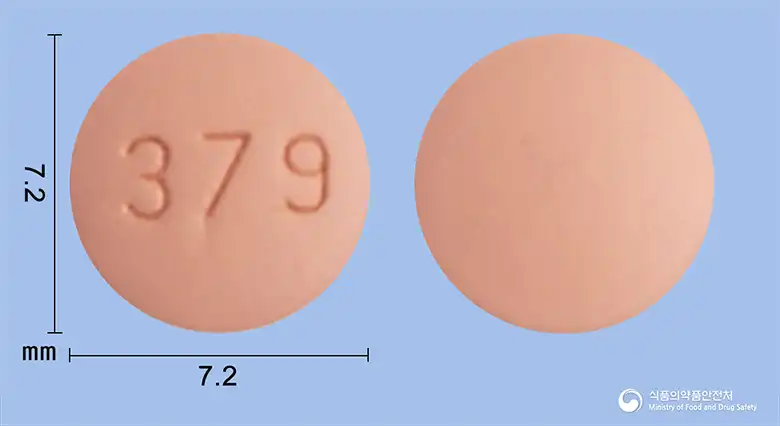
Peach-colored, round, double-convex film-coated tablet
28 Tablets/PTP
Even with the same ingredient, strength, dosage form and how it is taken can differ.
Viewing nowCombinationEstradiol Hemihydrate Micronized 1.03mg · Dydrogesterone 5mg
Tablet · Prescription medication · Combination
Abbott Korea Ltd.
 Combination
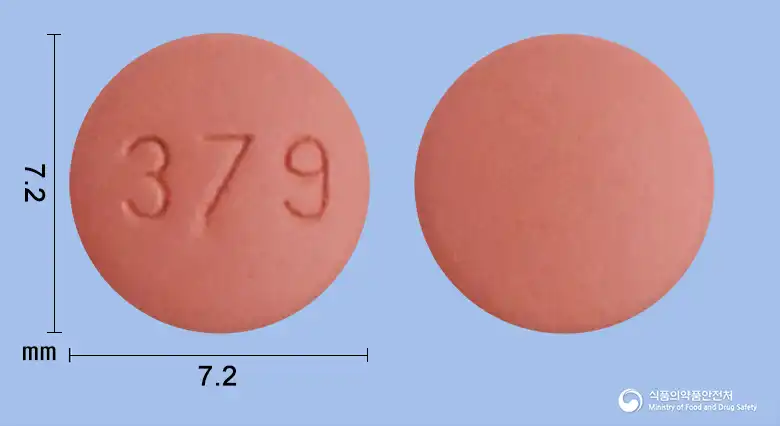
Estradiol Hemihydrate Micronized 2.06mg · Dydrogesterone 10mg
Tablet · Prescription medication · Combination
Abbott Korea Co., Ltd.
Even with the same ingredient, the dose and directions can differ by strength and dosage form. Talk to a doctor or pharmacist before switching from a medication you are already taking.
No questions yet.
For anything that needs medical judgment, consult a doctor or pharmacist.
This drug information is based on data provided by the Korea Ministry of Food and Drug Safety.
Consult a doctor or pharmacist for accurate dosage, administration, and usage instructions.