
 한국어
한국어 English
 日本語
日本語 中文(简体)
Dosage form image
Viewing nowStieva-A Cream 0.025% (Tretinoin)
Tretinoin 0.25mg
Cream · Prescription medication
GlaxoSmithKline Co., Ltd.
MFDS item code 200209725 · Notified 2002.08.07
This product's status changed to Approval withdrawn on 2024.10.25. It may no longer be sold, so consult a doctor or pharmacist before taking it.
Relief of comedonal acne and photodamage (fine wrinkles, hyperpigmentation).
This medication is used to relieve symptoms of comedonal acne and photodamage-related fine wrinkles and hyperpigmentation, helping to maintain a healthy skin condition.
Apply an appropriate amount to the affected area once daily (at bedtime) or twice daily. For treatment of sensitive skin, apply once daily or every other day. Adjust as appropriate based on symptoms.
This medication is for topical use, and it is very important not to use it in certain patients. First, those who are allergic to this medication or have experienced hypersensitivity reactions to its ingredients should not use it. Individuals with a history of skin cancer or a family history of skin cancer should avoid using this medication, as it may increase the risk of sunburn due to increased sensitivity to sunlight. This medication should not be applied when there are conditions like eczema, wounds, or abrasions on the skin, and it should not be used until fully recovered from any sunburn symptoms. Women who are pregnant or may become pregnant, as well as those who are breastfeeding, should not use this medication. Patients with acute dermatitis or rosacea should also avoid using this medication. When using this medication, those with sensitive skin or a history of localized allergies or photosensitive reactions should use it cautiously. Great care should be taken especially when applying it to sensitive areas like around the mouth or thin skin on the neck. This medication contains propylene glycol, so people with a history of allergic reactions to this ingredient should also be cautious. Using this medication may cause various side effects on the skin. Commonly, the area of application may experience erythema, skin peeling, pain, itching, irritation, burning sensation, dryness, etc., and these symptoms usually improve over time. Rarely, changes in skin pigmentation, photosensitivity reactions, rashes, swelling, allergic reactions, and skin atrophy may occur. People with very sensitive skin may experience erythema, swelling, blisters, crusting, etc., and if these symptoms occur, they should reduce the amount used or stop using the medication. If the skin is dry or irritated, or if there are wounds, erythema, itching, rashes, or skin peeling, it is advisable to wait until the symptoms improve before using the medication again. This medication may increase skin sensitivity to sunlight, so it is important to avoid sun exposure or use sunscreens. Wind, cold, and dry weather may also increase skin irritation, so caution is advised. In the early stages of treatment, skin redness and peeling may occur, which may indicate that the medication is working well. However, if irritation is severe or persistent, it is essential to discontinue use and consult a healthcare professional. During the use of this medication, artificial ultraviolet lamps or strong sunlight exposure should be minimized. Particularly, individuals who are frequently exposed to sunlight or are photosensitive should take extra precautions and may want to avoid using it the day before, the day of, and the day after application. Wearing sunscreen and protective clothing is recommended to protect the skin. Cosmetics can be used, but the affected area should be properly cleaned before application, and products that may excessively dry or irritate the skin should be avoided. Care should be taken to keep hair products or medical soaps and shampoos from touching the skin. Hair removal should not be done the night before application as it may cause skin irritation. If severe irritation or worsening occurs while using this medication, treatment can continue, but if symptoms are too severe, the user should discontinue use and seek advice from a specialist. Women who are of childbearing age must confirm their pregnancy status before using this medication and should not use it during pregnancy. Breastfeeding women must either stop breastfeeding or discontinue the use of this medication. This medication is not recommended for children under 12 years of age, as safety and efficacy have not been established. Using this medication excessively will not lead to faster or better effects and may instead cause severe skin irritation or discomfort. If side effects are severe, the dosage or frequency should be reduced, and appropriate treatment should be sought if necessary. This medication is not to be taken orally; if ingested accidentally, appropriate medical assistance should be sought. This medication should be applied with care to avoid contact with mucous membranes such as the eyes, nose, or mouth, and if it gets in the eyes, it should be rinsed immediately with clean water. Care should be taken to prevent buildup of the medication in skin fold areas, and it should not be applied to inflamed or wounded areas. Before applying, the affected area should be gently washed with mild soap, and it is advisable not to wash or rub the skin too frequently. This medication should be kept out of reach of children, and due to the paraffin content, caution should be exercised to avoid smoking or being near flames while using the medication. Clothing or bedding that has come into contact with this medication can easily catch fire, so care should be taken when washing. When used with other medications, there may be interactions, so caution is required, especially when used with sulfur drugs, salicylic acid, or benzoyl peroxide. Additionally, skin irritation may increase with UV or X-ray exposure, so caution is warranted. When used with other topical medications, skin irritation may increase, so users should follow the advice of a specialist.
Swelling/redness at the application site, allergic reactions.
Not everyone experiences these, and they can vary from person to person.
This medication should be stored in a container that blocks light and kept in a sealed container to avoid contact with air. It is recommended to store it at a temperature between 1 to 30 degrees Celsius. Storing it this way helps to maintain its effectiveness for a longer period.
A smooth and homogeneous cream that is white to light yellow in color.
25g/tube
Even with the same ingredient, strength, dosage form and how it is taken can differ.
Tretinoin 0.25mg
Cream · Prescription medication
GlaxoSmithKline Co., Ltd.
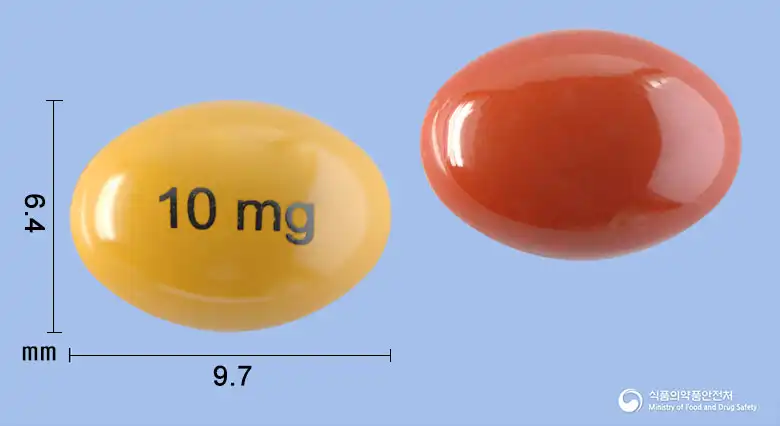
Tretinoin 10mg
Soft capsule · Prescription medication
D.K.E.S.H. Korea Co., Ltd.
Tretinoin 0.25mg
Cream · Prescription medication
Nanopharm Co., Ltd.
Tretinoin 0.5mg
Cream · Prescription medication
GlaxoSmithKline Co., Ltd.
Tretinoin 0.1mg
Cream · Prescription medication
GlaxoSmithKline Co., Ltd.
Tretinoin 0.02g
Solution · Prescription medication
NanoPharm Co., Ltd.
Tretinoin 0.25mg
Cream · Prescription medication
TheU Pharmaceutical Co., Ltd.
Even with the same ingredient, the dose and directions can differ by strength and dosage form. Talk to a doctor or pharmacist before switching from a medication you are already taking.
No questions yet.
For anything that needs medical judgment, consult a doctor or pharmacist.
This drug information is based on data provided by the Korea Ministry of Food and Drug Safety.
Consult a doctor or pharmacist for accurate dosage, administration, and usage instructions.