
 한국어
한국어 English
 日本語
日本語 中文(简体)
Dosage form image
Viewing nowAbelox Injection 400 mg (Moxifloxacin Hydrochloride) (Vial)
Moxifloxacin Hydrochloride 1.744mg
Injections · Prescription medication
Bayer Korea Co., Ltd.
MFDS item code 200209450 · Approved 2002.11.16 · Insurance code 641100251
Treatment of respiratory infections (acute sinusitis, acute exacerbation of chronic bronchitis) and skin infections.
This medication is effective against a variety of bacteria. It is used to treat various bacteria, including gram-positive bacteria, gram-negative bacteria, atypical bacteria, and anaerobes. It is primarily used for respiratory infections such as acute sinusitis, acute exacerbation of chronic bronchitis, and community-acquired pneumonia. Additionally, it is effective for skin and soft tissue infections as well as intra-abdominal complicating infections. However, as a fluoroquinolone, there is a potential for serious adverse reactions, so it should only be used when no other treatment options are available for acute bacterial sinusitis and acute exacerbation of chronic bronchitis. Treatment should be tailored based on the patient's condition.
Moxifloxacin at 400 mg per day administered intravenously over 60 minutes. The duration of administration should be determined according to the severity of the infection or clinical response, with the recommended durations as follows: - Total treatment duration for acute sinusitis sequential therapy (IV/oral): 10 days - Total treatment duration for acute exacerbation of chronic bronchitis sequential therapy (IV/oral): 5 days - Total treatment duration for community-acquired pneumonia sequential therapy (IV/oral): 7 to 14 days.
This medication can cause tendon-related conditions such as tendonitis or tendon rupture, so usage should be discontinued immediately if pain or inflammation occurs during exercise. Care should be taken as it may affect peripheral neuropathy or the central nervous system, resulting in symptoms such as dizziness, confusion, or tremors. It should not be used in patients with myasthenia gravis, as it may exacerbate symptoms. Caution is required when administering to patients with a history of QT interval prolongation or arrhythmias, as it can impact the heart. Safety has not been established in pregnant or breastfeeding women, and in children under 18 or growing adolescents, it should not be administered. Elderly patients have reduced physiological functions, so dosage should be adjusted and carefully monitored due to the risk of side effects. This medication can impose a burden on the liver and kidneys, so patients with liver or kidney disorders should consult with a physician before administration. If hypersensitivity or allergic symptoms develop, administration should be stopped immediately and medical advice sought. Diabetic patients requiring blood sugar control should carefully monitor any changes in blood glucose while taking this medication. Vigorous physical activity should be avoided during treatment, and care should be taken to avoid strain on the tendons. There may be interactions with other medications, so patients taking anticoagulants or antiarrhythmic drugs should inform their healthcare provider. This medication may cause psychiatric side effects such as changes in mental state, hallucinations, or depression, which should be reported immediately if they occur. Do not refrigerate this medication; ensure that the solution is clear and free of particles before administration. Caution is advised when driving or operating machinery in case symptoms develop.
Urticaria, severe swelling (including angioedema, laryngeal edema), chest tightness, difficulty breathing, cold sweat, paleness (severe allergic reactions). Severe rash with high fever, blisters, skin peeling, pain in mucous membranes of the mouth/eyes (Stevens-Johnson syndrome, toxic epidermal necrolysis, etc., severe skin adverse reactions). Difficulty breathing or asthma attacks, respiratory abnormalities accompanied by cough and fever, dyspnea, respiratory failure (breathing issues). Jaundice or yellowing of the skin or eyes.
Not everyone experiences these, and they can vary from person to person.
This medication should be stored in a sealed container to protect it from air and moisture. It is recommended to maintain the storage temperature between 15 and 30 degrees Celsius. This helps preserve the effectiveness and safety of the medication.
An injection in a colorless and transparent vial containing a yellow transparent solution.
1 vial (250 mL) × Manufacturer packaging unit
Even with the same ingredient, strength, dosage form and how it is taken can differ.
Moxifloxacin Hydrochloride 1.744mg
Injections · Prescription medication
Bayer Korea Co., Ltd.
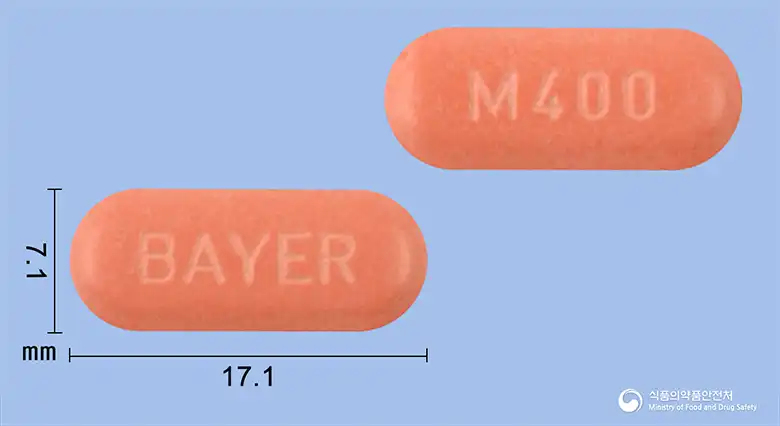
Moxifloxacin Hydrochloride 436.8mg
Tablet · Prescription medication
Bayer Korea Co., Ltd.
Moxifloxacin Hydrochloride 5.45mg
Eye drops · Prescription medication
Novartis Korea Co., Ltd.
Moxifloxacin Hydrochloride 5.45mg
Eye drops · Prescription medication
Samchundang Pharmaceutical Co., Ltd.
Moxifloxacin Hydrochloride 5.45mg
Eye drops · Prescription medication
Samil Pharmaceutical Co., Ltd.
Moxifloxacin Hydrochloride 5.45mg
Eye drops · Prescription medication
Optus Pharmaceutical Co., Ltd.
Moxifloxacin Hydrochloride 5.45mg
Eye drops · Prescription medication
Hankook Hyutecs Pharmaceutical Co., Ltd.
Moxifloxacin Hydrochloride 5.45mg
Eye drops · Prescription medication
Daehwa Pharmaceutical Co., Ltd.
Even with the same ingredient, the dose and directions can differ by strength and dosage form. Talk to a doctor or pharmacist before switching from a medication you are already taking.
No questions yet.
For anything that needs medical judgment, consult a doctor or pharmacist.
This drug information is based on data provided by the Korea Ministry of Food and Drug Safety.
Consult a doctor or pharmacist for accurate dosage, administration, and usage instructions.