
 한국어
한국어 English
 日本語
日本語 中文(简体)
 Viewing now
Tridol Soluble Tablet 50 mg (Tramadol Hydrochloride)
Tramadol Hydrochloride 50mg
Prescription medication
Yuhan Corporation
MFDS item code 200209427 · Notified 2002.12.31
This product's status changed to Approval withdrawn on 2026.02.09. It may no longer be sold, so consult a doctor or pharmacist before taking it.
Relief of severe and moderate acute chronic pain (such as cancer)
This medication is used for the management of severe and moderate acute or chronic pain, such as pain caused by various cancers or pain occurring after diagnosis and surgery.
Tramadol Hydrochloride: Administer 50 mg orally; if pain relief is insufficient after 30-60 minutes, an additional 50 mg may be administered. The maximum daily dosage is 400 mg. For elderly patients over 75 years old, dosage intervals may need to be adjusted. In patients with renal impairment, dialysis patients, or liver dysfunction, it may be necessary to extend the interval between doses.
This medication may cause seizures if taken in excess of the recommended dose; therefore, it is essential to adhere strictly to the prescribed dosage. Patients with a history of seizures or those at risk of seizures should use it only when absolutely necessary, and caution is advised when taken together with other drugs that increase seizure risk. Prolonged use may lead to mental and physical dependence, so patients with a history of substance abuse should use it for a short period under strict supervision. Taking this medication with alcohol or central nervous system depressants can lead to severe drowsiness, respiratory depression, and coma, so either avoid combination or use the minimal dose for a short duration. Genetic factors can cause some individuals to metabolize this medication more rapidly, increasing the risk of respiratory depression, necessitating dosage adjustments and symptom monitoring. This medication should not be used in children under 12 years old or in specific pediatric post-surgical cases, and it should be avoided in teenagers aged 12 to 18 years when risk factors are present. Symptoms of sleep apnea or hypoxia might appear, so these symptoms should be monitored periodically for exacerbation. This medication should not be administered to patients with acute alcohol intoxication, central nervous system drug overdose, severe respiratory depression, or head trauma. Patients with severe liver or kidney dysfunction, pregnant or breastfeeding women, and those with hypersensitivity to medications or opioids should not use it. Withdrawal symptoms may occur when used in conjunction with morphine or other opioids; therefore, caution is advised, especially in those who consume alcohol or have a history of seizures. Side effects such as drowsiness, dizziness, nausea, or vomiting can occur; thus, it is safer to avoid driving or operating dangerous machinery after taking this medication. Prolonged use may lead to tolerance, necessitating an increase in dosage, and abrupt discontinuation may trigger withdrawal symptoms; therefore, it is advisable to taper the dosage gradually. When taken alongside other central nervous system depressants, antidepressants, antipsychotics, etc., the risk of adverse effects may increase due to interactions, thus adherence to a physician's direction is necessary. Pregnant or breastfeeding women should not use this medication, especially during breastfeeding as there is a risk of sedation or respiratory depression in infants. In case of overdose, severe respiratory depression and seizures can occur, requiring immediate emergency treatment, including general antidotes and emergency measures. Keep out of reach of children and store in the original container to prevent misuse or degradation of quality.
Hives, severe swelling (edema), chest tightness, difficulty breathing, cold sweat, pallor, severe rashes with high fever, blisters, skin peeling, pain in mucous membranes of mouth/eyes, shortness of breath or difficulty breathing, asthma attacks, respiratory distress with cough and fever, jaundice (yellowing of the skin or eyes), extreme lethargy, sudden and severe headache, lightning-like headache, seizures, altered consciousness, vision abnormalities, paralysis, urination
Not everyone experiences these, and they can vary from person to person.
This medication may be sensitive to air or moisture; therefore, it should be stored in a tightly closed container. It is essential to maintain the storage temperature between 1 and 30 degrees Celsius to preserve the medication's effectiveness.
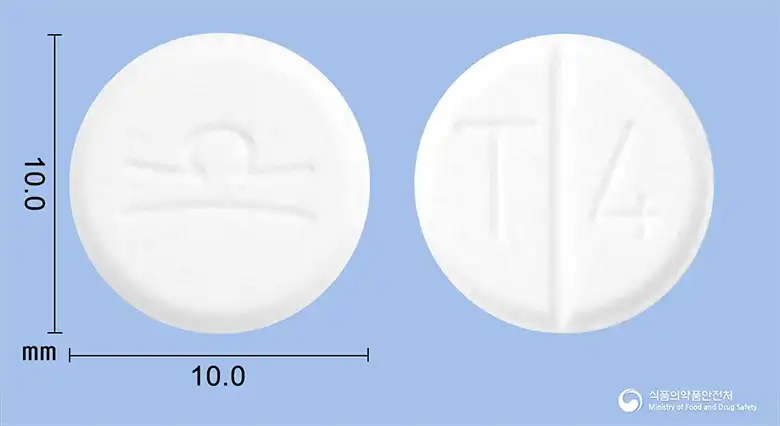
A white, round dispersible tablet that can be taken by dispersing in water.
50 tablets (10 tablets/PTP x 5)
Even with the same ingredient, strength, dosage form and how it is taken can differ.
Viewing nowTramadol Hydrochloride 50mg
Prescription medication
Yuhan Corporation
Tramadol Hydrochloride 50mg
Prescription medication
(Yuhan Corporation)

Tramadol Hydrochloride 50mg
Hard capsule · Prescription medication
Yuhan Corporation
Tramadol Hydrochloride 50mg
Injections · Prescription medication
Hanol BioPharma Co., Ltd.
Tramadol Hydrochloride 50mg
Prescription medication
Il Sung IS Co., Ltd.
Tramadol Hydrochloride 100mg
Prescription medication
Il Sung IS Co., Ltd.
Tramadol Hydrochloride 50mg
Prescription medication
Ilseong IS Co., Ltd.
Tramadol Hydrochloride 50mg
Injections · Prescription medication
Donggwang Pharmaceutical Co., Ltd.
Even with the same ingredient, the dose and directions can differ by strength and dosage form. Talk to a doctor or pharmacist before switching from a medication you are already taking.
No questions yet.
For anything that needs medical judgment, consult a doctor or pharmacist.
This drug information is based on data provided by the Korea Ministry of Food and Drug Safety.
Consult a doctor or pharmacist for accurate dosage, administration, and usage instructions.