
 한국어
 English
 日本語
 中文(简体)
Dosage form image
Viewing nowRodiocapsule (Undifferentiated Etodolac)
Etodolac Micronized 200mg
Prescription medication
Huons Life Science Co., Ltd.
MFDS item code 200204292 · Notified 2002.08.08
This product's status changed to Approval withdrawn on 2024.04.02. It may no longer be sold, so consult a doctor or pharmacist before taking it.
Relief of joint diseases (rheumatoid arthritis, etc.) and pain (after surgery or injury, etc.)
This medication is used for the relief of pain from chronic inflammatory conditions such as rheumatoid arthritis, osteoarthritis (degenerative joint disease), and ankylosing spondylitis, as well as pain that occurs after surgery, trauma, or tooth extraction.
Acute symptoms: Adults: Administer etodolac 200-400mg orally per dose 3-4 times daily (every 6-8 hours). Chronic symptoms: Administer an initial daily dose of 800-1200mg orally in 2-4 divided doses, followed by a maintenance daily dose of 600-1200mg orally in 2-4 divided doses. Do not exceed 1200mg per day. Adjust the dose as appropriate according to age and symptoms.
This medication may pose a risk of gastrointestinal bleeding in individuals who regularly consume more than three drinks per day, so it is essential to consult with a doctor or pharmacist. This medication can affect the cardiovascular system, potentially leading to serious issues such as heart attack or stroke, so those with cardiovascular diseases or risk factors should exercise particular caution. This medication may cause serious problems such as gastrointestinal bleeding, ulcers, or perforations, so elderly individuals or those with a history of gastrointestinal diseases should carefully monitor for unusual symptoms while taking it. Individuals with a history of peptic ulcers or bleeding, hypersensitivity to this medication, or previous allergic reactions to aspirin or other non-steroidal anti-inflammatory drugs should not take this medication. This medication should be used cautiously in individuals with weakened kidney or liver function, hypotension, congestive heart failure, or fluid retention, and kidney and liver functions should be monitored regularly during treatment. Various side effects such as nausea, diarrhea, abdominal pain, headache, drowsiness, skin rash, and allergic reactions may occur; therefore, if unusual symptoms arise, immediate consultation with a doctor is necessary. This medication should preferably be used in the minimum dose for the shortest duration, and regular blood tests and checks on liver and kidney function should be conducted during long-term use. It should be avoided during late pregnancy as it may harm the fetus, and it is also not well-studied in nursing, so consideration should be given to stopping breastfeeding or the medication. To ensure children's safety, keep this medication out of reach of children, and avoid transferring it to other containers as it may compromise quality.
Gastrointestinal bleeding, ulcer, perforation, nausea, diarrhea, upper abdominal pain, loss of appetite, hepatitis, jaundice, belching, elevated liver enzymes, heartburn, indigestion, bloating, abdominal pain, gastrointestinal spasms, abdominal gas accumulation, constipation, gastritis, bloody stools, thirst, dry mouth, ulcerative stomatitis, melanosis, vomiting, esophagitis with stricture or pyloric spasm, colitis, ischemic or ulcerative colitis, colon ulcer, membrane colitis, pancreatitis, headache, dizziness, drowsiness, insomnia, nervousness, anxiety, depression, weakness, malaise, somnolence, paralysis, coma, sensory abnormalities, confusion, itching, rash, angioedema, sweating, urticaria, vesicular rash, subcutaneous vasculitis with purpura, Stevens-Johnson syndrome, excessive pigmentation, erythema multiforme, hair loss, skin desquamation, maculopapular rash, photophobia, papillary necrosis, chills, fever, fatigue, weakness, discomfort, allergic reactions, anaphylactic reactions, infectious diseases, dysuria, frequent urination, renal failure, renal dysfunction, renal papillary necrosis, cystitis, hematuria, leukorrhea, kidney stones, interstitial nephritis, irregular uterine bleeding, blurred vision, lifespan, tinnitus, photophobia, transient visual disturbances, conjunctivitis, hearing loss, taste disturbances, hypotension, hypertension, congestive heart failure, reddish complexion, tachycardia, palpitations, syncope, vasculitis, petechiae, anemia, thrombocytopenia, prolonged bleeding time, agranulocytosis, hemolytic anemia, leukopenia, neutropenia, pancytopenia, arrhythmia, myocardial infarction, fluid retention, cerebrovascular accident, asthma, bronchitis, shortness of breath, pharyngitis, rhinitis, sinusitis, venous inflammation, edema, elevated serum creatinine, weight changes, hyperglycemia, drowsiness, phenomena, external chest pain, epigastric pain, respiratory depression, coma
Not everyone experiences these, and they can vary from person to person.
This medication must be stored in a tightly closed container to protect it from air and moisture, and it is advisable to keep it at room temperature between 1 to 30 degrees Celsius. Storing it this way helps maintain the effectiveness and safety of the medication.
A capsule containing a white or off-white powder with a light blue (top) and white (bottom) color.
30 capsules/bottle, 500 capsules/bottle
Even with the same ingredient, strength, dosage form and how it is taken can differ.
Etodolac Micronized 200mg
Prescription medication
Huons Life Science Co., Ltd.
Etodolac Micronized
Prescription medication
Geonil Pharmaceutical Co., Ltd.
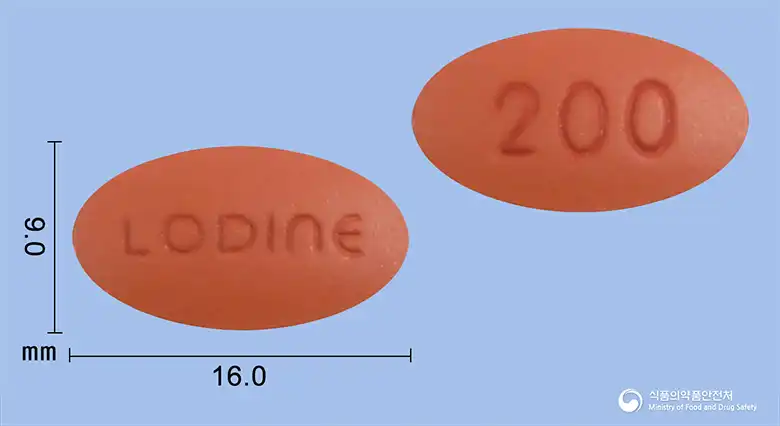
Etodolac Micronized 200mg
Tablet · Prescription medication
Kunil Pharmaceutical Co., Ltd.

Etodolac Micronized 600mg
Tablet · Prescription medication
Gunil Pharmaceutical Co., Ltd.
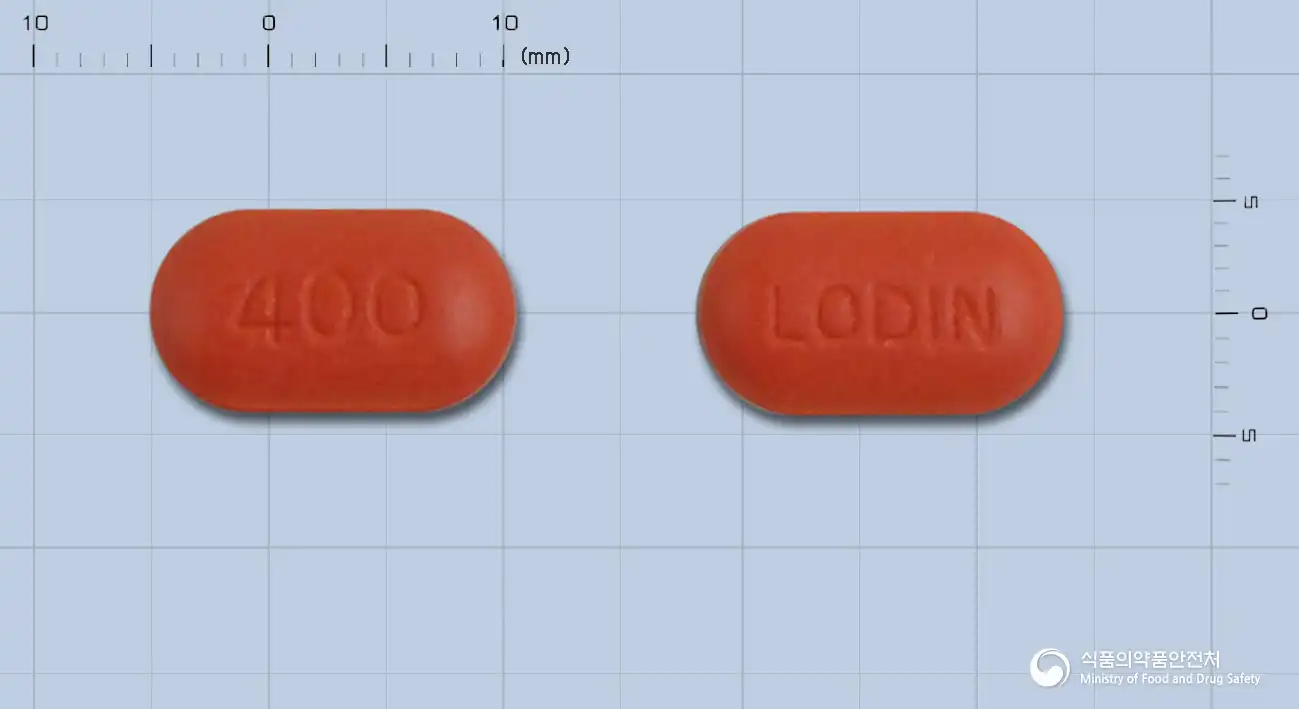
Etodolac Micronized 400mg
Tablet · Prescription medication
Geonil Pharmaceutical Co., Ltd.
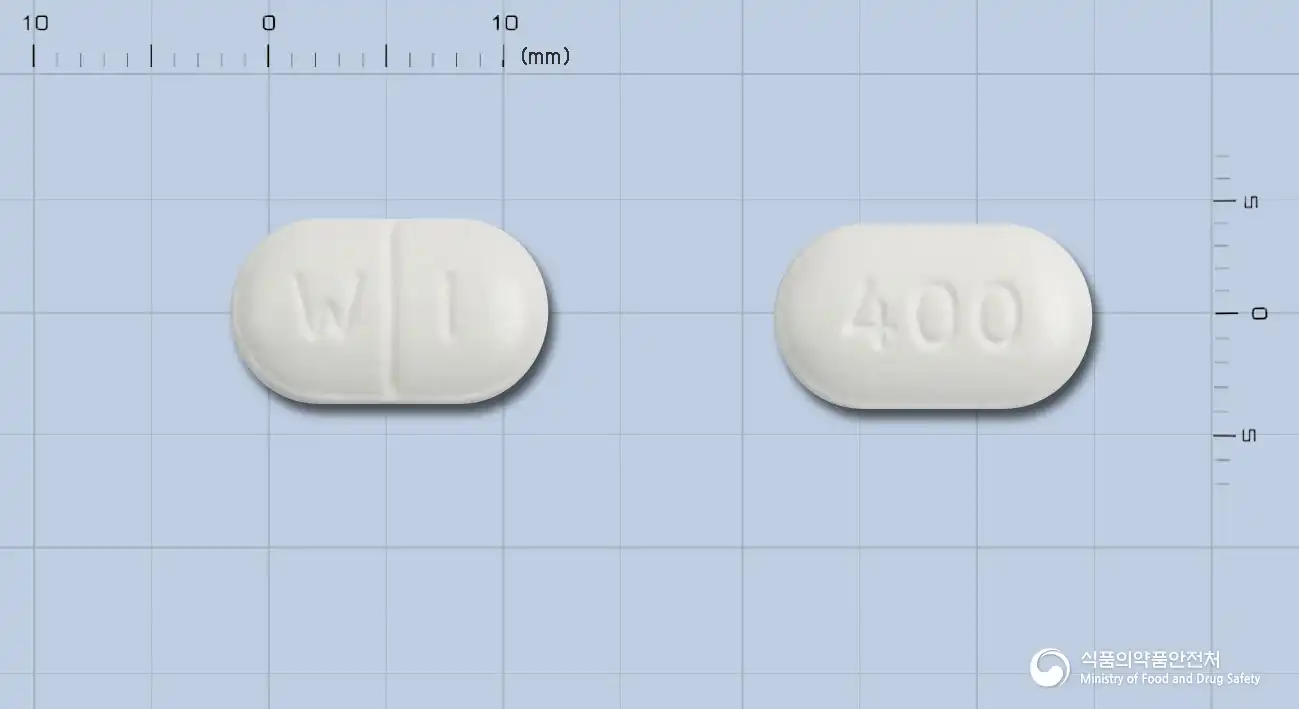
Etodolac Micronized 400mg
Tablet · Prescription medication
Hanin Pharmaceutical Co., Ltd.
Etodolac Micronized 200mg
Tablet · Prescription medication
Yuhan Corporation Co., Ltd.
Even with the same ingredient, the dose and directions can differ by strength and dosage form. Talk to a doctor or pharmacist before switching from a medication you are already taking.
No questions yet.
For anything that needs medical judgment, consult a doctor or pharmacist.
This drug information is based on data provided by the Korea Ministry of Food and Drug Safety.
Consult a doctor or pharmacist for accurate dosage, administration, and usage instructions.