
 한국어
한국어 English
 日本語
日本語 中文(简体)
 Viewing now
Abilify Tablet 15 mg (Aripiprazole)
Aripiprazole 15mg
Tablet · Prescription medication
Otsuka Pharmaceutical Co., Ltd.
MFDS item code 200202890 · Approved 2002.08.01 · Insurance code 649900130
Treatment of schizophrenia, bipolar disorder (acute mania and mixed episodes), adjunctive therapy for major depressive disorder, irritability associated with autistic disorder, and relief of Tourette's disorder symptoms
This medication is used for various psychiatric disorders, including schizophrenia, acute mania and mixed episodes associated with bipolar disorder, adjunctive therapy for major depressive disorder, irritability related to autistic disorder, and Tourette's disorder.
Schizophrenia in adults: The recommended initial dosage is 10 mg or 15 mg once daily, regardless of meals. The dosage can be adjusted within the range of 10-30 mg per day, and increases in dosage should not occur before 2 weeks have passed, reaching a steady state. Maintenance therapy has been proven effective in clinical trials at a daily dose of 15 mg for more than 3 months. Bipolar disorder in adults: The recommended initial dosage is 15 mg once daily, regardless of meals...
Schizophrenia in adolescents (13-17 years): The recommended dosage is 10 mg per day, starting with 2 mg for the first day, increasing to 5 mg after 2 days, and then 10 mg after another 2 days. Subsequent increases can be made in 5 mg increments. Bipolar disorder in adolescents...
This medication is primarily used for the treatment of psychiatric disorders and may increase the risk of suicide, so careful monitoring is especially needed during the initial dosage and dose adjustments in children, adolescents, and young adults. This medication can rarely cause a serious side effect known as Neuroleptic Malignant Syndrome, which presents as a medical emergency with symptoms such as high fever, muscle rigidity, and changes in mental status. If unusual symptoms occur, consult medical personnel immediately. Long-term use may lead to irreversible movement disorders known as tardive dyskinesia, so it should be used at the minimum effective dose and for the shortest duration possible, and if symptoms arise, consult a doctor. In elderly patients with dementia, there is an increased risk of cerebrovascular accidents such as strokes and higher mortality rates, so this medication is not recommended for the treatment of psychotic disorders associated with dementia. Patients with diabetes or at risk of hyperglycemia should regularly check their blood sugar levels when taking this medication and should inform medical personnel immediately if they experience hyperglycemic symptoms. This medication may increase the risk of thrombosis, so patients with risk factors for thrombosis require careful management and preventive measures both before and during administration. Patients with a history of allergic reactions or lactose intolerance should not take this medication, and if hypersensitivity symptoms occur, stop taking it immediately and consult medical personnel. Patients with orthostatic hypotension, a history of seizures, cognitive impairment, temperature regulation disorders, or dysphagia require special caution when using this medication, and activities such as driving or operating hazardous machinery should be avoided until symptoms such as drowsiness improve. During treatment, side effects such as nausea, vomiting, constipation, headache, dizziness, anxiety, insomnia, drowsiness, fatigue, and weight changes may occur, and if symptoms worsen, contact medical personnel. Dosage adjustments may be necessary based on the patient's condition, and if adverse reactions occur, appropriate measures should be taken in consultation with a physician.
Hives, itching, severe swelling (edema), chest tightness, difficulty breathing, cold sweat, pallor, severe allergic reactions, severe rash with fever, blistering, skin peeling, pain in mucous membranes of the mouth/eyes, severe skin adverse reactions, shortness of breath or difficulty breathing, asthma attacks, respiratory issues accompanied by coughing and fever, jaundice (yellowing of the skin or eyes), profound lethargy, liver abnormalities (jaundice), abrupt cessation of breathing.
Not everyone experiences these, and they can vary from person to person.
This medication should be stored in a closed container as it may be sensitive to air or moisture. The recommended storage temperature is room temperature between 1°C and 30°C. Proper storage ensures that the medication's effectiveness is maintained and that it can be used safely.
Yellow round tablet (imprint A-009 15)
30 tablets (10 tablets/PTP x 3), 100 tablets/bottle
Even with the same ingredient, strength, dosage form and how it is taken can differ.
Viewing nowAripiprazole 15mg
Tablet · Prescription medication
Otsuka Pharmaceutical Co., Ltd.
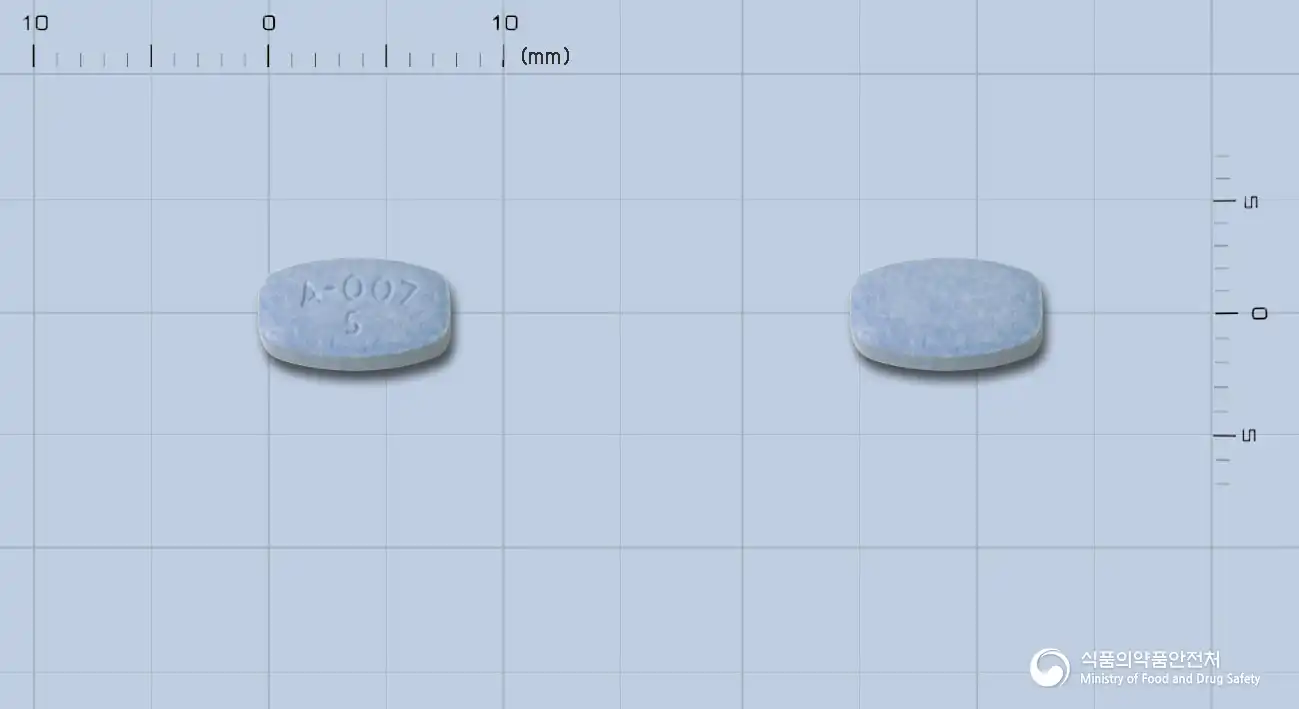
Aripiprazole 5mg
Tablet · Prescription medication
Otsuka Pharmaceutical Co., Ltd.
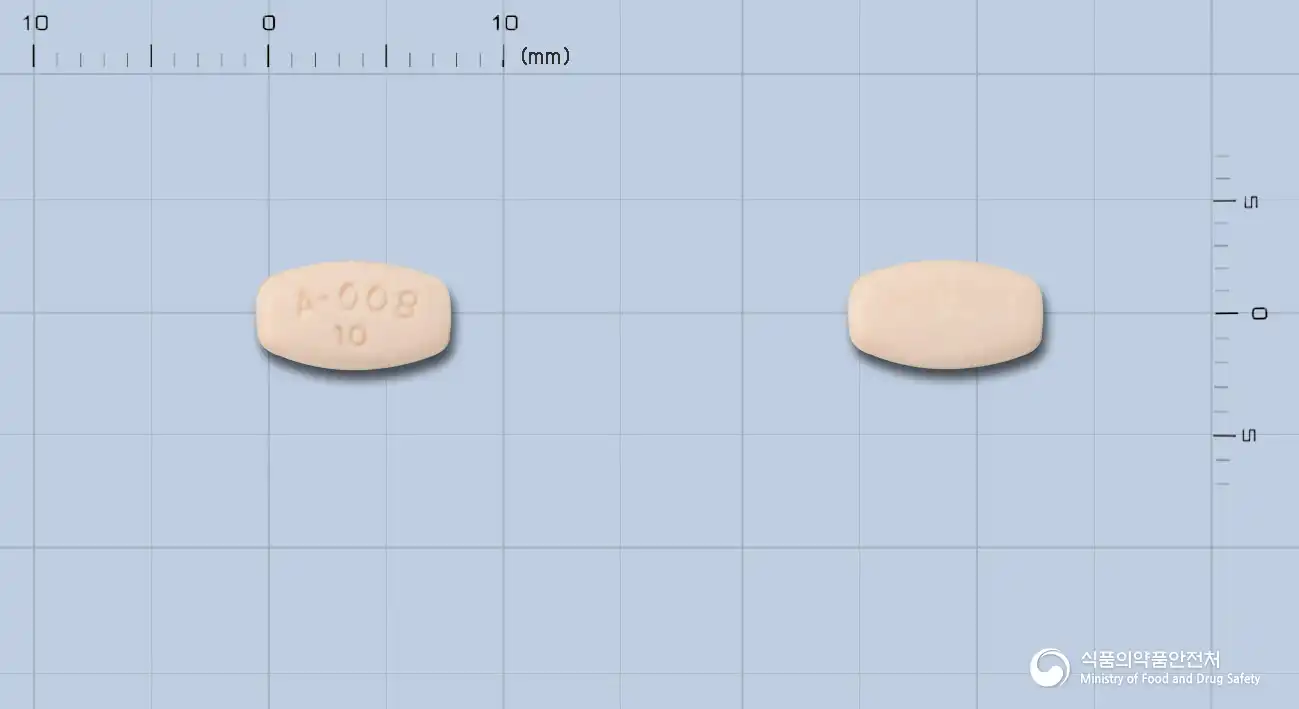
Aripiprazole 10mg
Tablet · Prescription medication
Otsuka Pharmaceutical Co., Ltd.
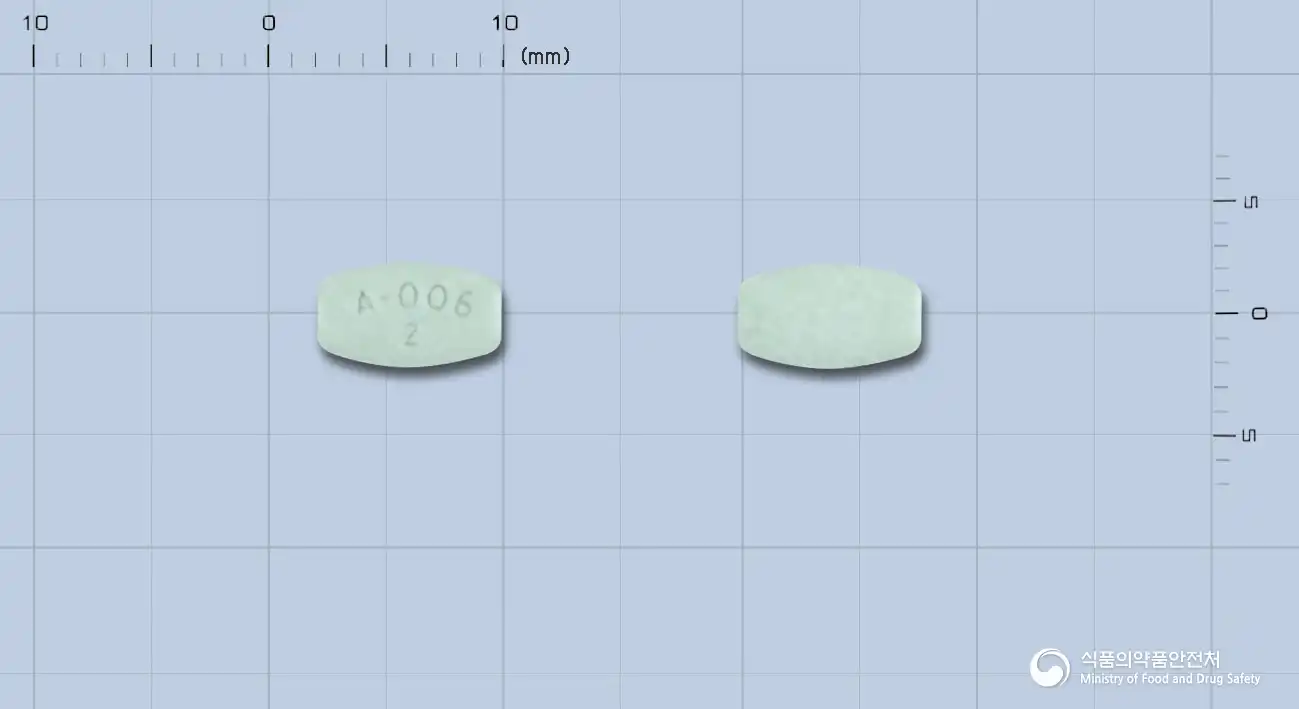
Aripiprazole 2mg
Tablet · Prescription medication
Korea Otsuka Pharmaceutical Co., Ltd.
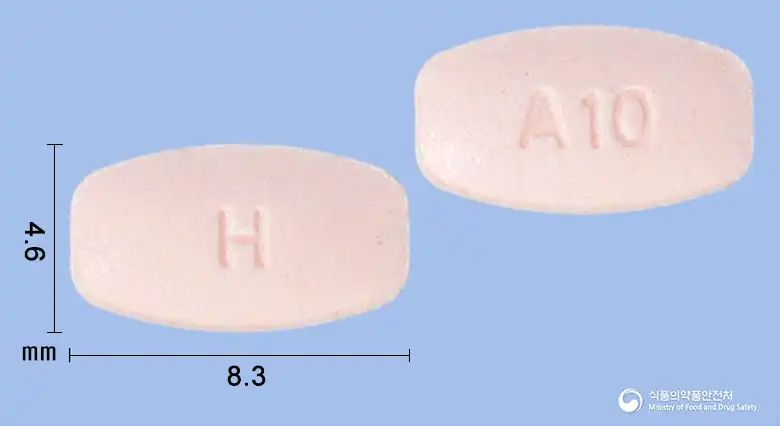
Aripiprazole 10mg
Tablet · Prescription medication
Hyundai Pharmaceutical Co., Ltd.

Aripiprazole 5mg
Tablet · Prescription medication
Hyundai Pharmaceutical Co., Ltd.
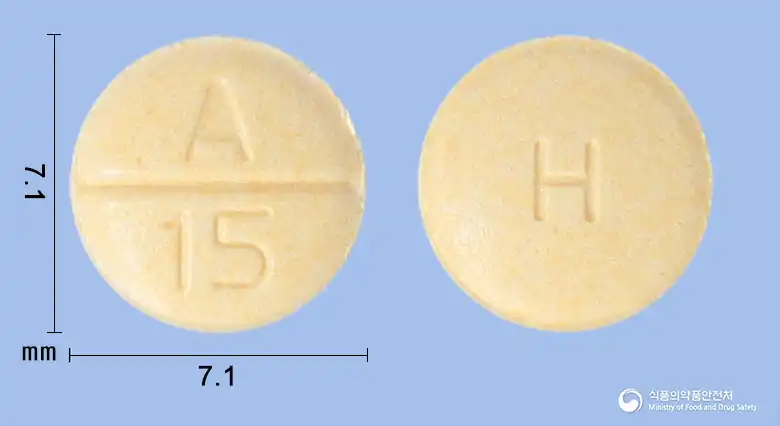
Aripiprazole 15mg
Tablet · Prescription medication
Hyundai Pharmaceutical Co., Ltd.

Aripiprazole 15mg
Tablet · Prescription medication
Hanin Pharmaceutical Co., Ltd.
Even with the same ingredient, the dose and directions can differ by strength and dosage form. Talk to a doctor or pharmacist before switching from a medication you are already taking.
No questions yet.
For anything that needs medical judgment, consult a doctor or pharmacist.
This drug information is based on data provided by the Korea Ministry of Food and Drug Safety.
Consult a doctor or pharmacist for accurate dosage, administration, and usage instructions.