
 한국어
한국어 English
 日本語
日本語 中文(简体)
Dosage form image
Viewing nowPRD Suspension Syrup 0.1% (Prednisolone)
Prednisolone 100mg
Syrup · Prescription medication
Hallym Pharmaceutical Co., Ltd.
MFDS item code 200202872 · Notified 2002.05.21 · Insurance code 645302211
Treatment of endocrine disorders (such as adrenal cortical insufficiency), rheumatic disorders (such as rheumatoid arthritis), allergic diseases (such as bronchial asthma)
This medication is used for various endocrine disorders, rheumatic diseases, collagen diseases, skin and allergic diseases, ophthalmic diseases, gastrointestinal diseases, respiratory diseases, blood diseases, neoplastic diseases, edema diseases, neurological diseases, and treatment of other tuberculous meningitis. For example, it is effective for adrenal cortical insufficiency, rheumatoid arthritis, systemic lupus erythematosus, severe dermatitis, asthma, acute and chronic allergic eye diseases, ulcerative colitis, pulmonary tuberculosis, autoimmune hemolytic anemia, leukemia and lymphoma, nephrotic syndrome, and acute exacerbation of multiple sclerosis. This drug helps to alleviate symptoms and prevent exacerbation of diseases by regulating inflammation and immune responses. Therefore, it is widely used for the treatment of various diseases and improvement of symptoms.
As Prednisolone, the usual adult dose is 5-60mg orally per day in 1-4 divided doses. It should be adjusted appropriately according to age and symptoms.
This drug should not be used in patients with infections where effective antimicrobial agents are absent or in cases of systemic fungal infections. Patients who have had allergies or hypersensitivity to this drug or its components should also not receive it. It is also not safe to administer this medication to patients with simple herpes, shingles, or chickenpox. This drug should not be used in patients who have received live vaccines. This medication should be used with caution in patients with glaucoma, tuberculous diseases, herpetic keratitis, subcapsular cataracts, hypertension, electrolyte imbalances, thrombosis, patients recently undergoing surgery, acute myocardial infarction patients, peptic ulcer patients, psychiatric patients, severe osteoporosis, etc. Patients with infections, diabetes, renal failure, congestive heart failure, hypothyroidism, cirrhosis, fatty liver, fat embolism, severe myasthenia gravis, elderly patients, and epileptic patients should also be carefully monitored. This drug contains a dye called Yellow 5, so patients allergic to it should be cautious as well. During the administration of this medication, symptoms of worsening of infections or new infections may occur, so careful observation is necessary. Various side effects can manifest, including adrenal insufficiency, worsening of diabetes, menstrual irregularities, growth suppression, peptic ulcers, psychiatric disorders, osteoporosis, edema, increased intraocular pressure, etc., so caution is required. Regular ophthalmic examinations are recommended as eye issues can arise. Long-term use of this medication can lead to decreased adrenal cortical function, so sudden discontinuation can be dangerous. Therefore, it is necessary to gradually reduce the dosage, and during stressful situations such as trauma or infection, a temporary increase in dosage may be required. Additionally, live vaccinations should be avoided while taking this medication, and precautions should be taken to prevent infections as resistance may decrease. This drug can interact with various other medications, so it is essential to consult with a doctor or pharmacist when taking it, especially with heart-related medications, antibiotics, diuretics, and antihypertensives. Regular testing may be necessary due to the potential for changes in potassium levels or risks of arrhythmia. Women who are pregnant or breastfeeding should only use this medication under medical supervision when absolutely necessary, as it may affect the fetus or newborn, and discontinuing breastfeeding is advisable. When administered to children, side effects such as growth retardation may occur, so it should be used judiciously in the minimal effective dose, and increased intracranial pressure symptoms should be monitored if used long-term. Elderly patients may be more sensitive to the side effects of this medication and should be carefully monitored for conditions such as infections, diabetes, osteoporosis, hypertension, and glaucoma.
Pneumonia, sepsis, acute hepatitis due to reactivation of hepatitis B, and hepatic failure due to hepatitis B reactivation.
Infections, suppression of adrenocorticotropic hormone secretion, secondary adrenal insufficiency, diabetes, menstrual irregularities, Cushing's syndrome, suppression of growth in children, reduced glucose tolerance, buffalo hump, peptic ulcers, pancreatitis, diarrhea, nausea, vomiting, abdominal pain, heartburn, abdominal distention, thirst, loss of appetite, increased appetite, psychiatric disorders, depression, euphoria, insomnia, headache, dizziness, seizures, increased intracranial pressure with papilledema, osteoporosis, and femoral.
Not everyone experiences these, and they can vary from person to person.
This drug is sensitive to light, so it should be stored in a container that does not allow light in. Additionally, it should be kept in a cool place between 15 and 30 degrees Celsius to maintain its efficacy.
Orange syrup with orange flavor
500mL/bottle
Even with the same ingredient, strength, dosage form and how it is taken can differ.
Prednisolone 100mg
Syrup · Prescription medication
Hallym Pharmaceutical Co., Ltd.
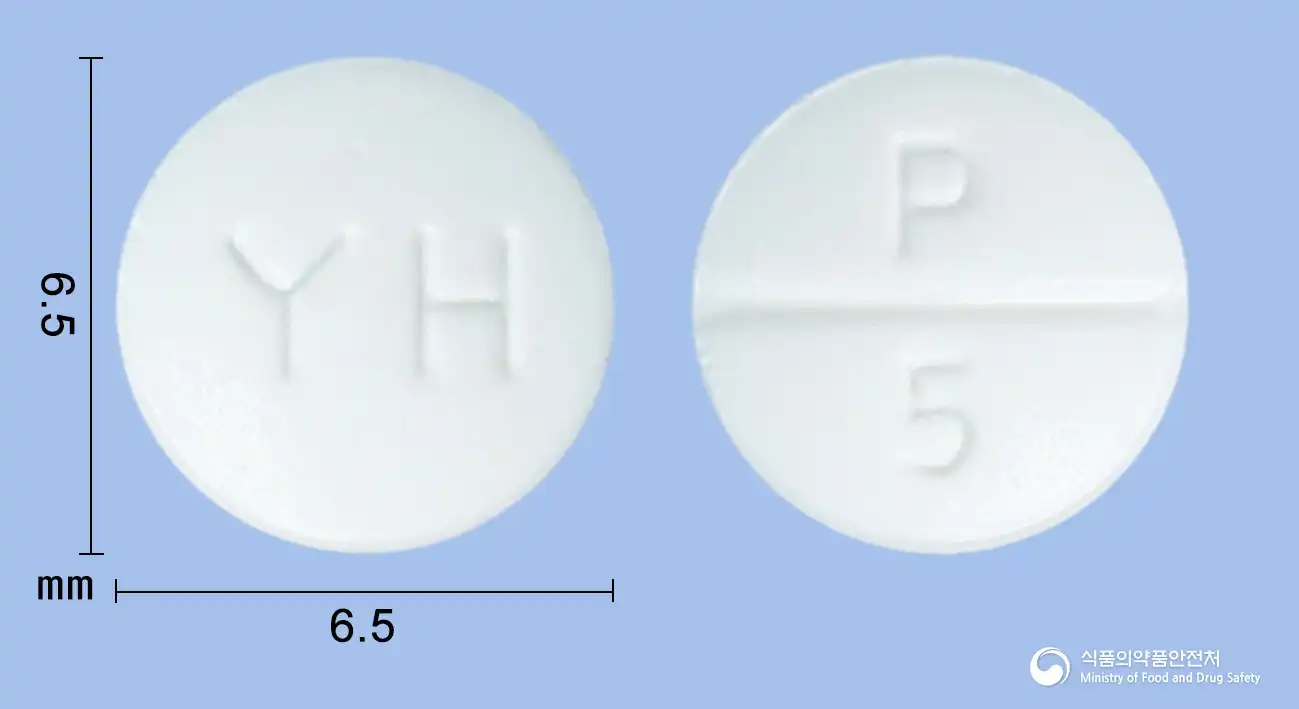
Prednisolone 5mg
Tablet · Prescription medication
Yuhan Corporation
Prednisolone 300mg
Syrup · Prescription medication
Hanlim Pharmaceutical Co., Ltd.
Even with the same ingredient, the dose and directions can differ by strength and dosage form. Talk to a doctor or pharmacist before switching from a medication you are already taking.
No questions yet.
For anything that needs medical judgment, consult a doctor or pharmacist.
This drug information is based on data provided by the Korea Ministry of Food and Drug Safety.
Consult a doctor or pharmacist for accurate dosage, administration, and usage instructions.