
 한국어
 English
 日本語
 中文(简体)
 Viewing now
Esprofen Tablets (Dexibuprofen)
Dexibuprofen 300mg
Tablet · OTC medication
Yooyoung Pharmaceutical Co., Ltd.
MFDS item code 200202755 · Notified 2002.10.10 · Insurance code 648201150
Relief of symptoms after trauma or surgery; relief of joint disorders; adjunctive treatment of infections
This medication is used for various joint diseases such as chronic polyarthritis, rheumatoid arthritis, osteoarthritis, and ankylosing spondylitis. It also helps relieve painful swelling and inflammation following trauma or surgery. It is effective as an adjunct treatment for infections that are accompanied by inflammation, pain, and fever. Overall, it is used to improve inflammation and pain related to joints.
Adults: Administer 300 mg of dexibuprofen orally 2~4 times daily. Do not exceed 1,200 mg of dexibuprofen per day.
This medication should be consulted with a doctor or pharmacist before use by those who regularly consume more than 3 glasses of alcohol daily. Taking this medication while consuming large amounts of alcohol can lead to serious side effects such as gastrointestinal bleeding. Additionally, this medication may increase the risk of cardiovascular diseases. Serious heart-related issues such as myocardial infarction or stroke may occur, so those with cardiovascular diseases or risk factors should be especially cautious. If cardiovascular symptoms appear during use, consult a healthcare professional immediately. There are risks to the gastrointestinal tract as well. This medication may lead to serious problems like bleeding, ulcers, or perforations in the stomach or intestines, especially in the elderly. If any discomfort or bleeding symptoms arise in the gastrointestinal tract during use, immediate treatment is necessary. It is safest not to take this medication if there is a history of gastrointestinal ulcers, bleeding, severe liver or kidney impairment, heart failure, hypertension, asthma, etc. Pregnant women in the 6th month or later should also avoid using this medication. While taking this medication, do not take aspirin or other non-steroidal anti-inflammatory drugs, high doses of methotrexate, etc. Co-administration with these medications can significantly increase the risk of side effects. During use, breastfeeding should be stopped or consulted with a doctor, and caution is needed when driving or operating machinery as dizziness or fatigue may occur. Long-term high-dose use may result in headaches. Those with blood disorders, impaired liver or kidney function, hypertension, heart failure, a history of allergies, elderly individuals, and children should consult a doctor or pharmacist before use, and regular blood tests and liver/kidney function tests are important during use. This medication may cause severe allergic reactions, skin rashes, liver dysfunction, kidney problems, gastrointestinal bleeding, and other side effects. If any symptoms occur, discontinue use immediately and consult with healthcare professionals. Especially after the 20th week of pregnancy, this medication may affect fetal kidney function, so it should be used cautiously at the minimum effective dose and duration, and regular checks of amniotic fluid volume are necessary. In case of overdose, even if there are no symptoms, immediate medical attention should be sought for proper treatment, and it should be stored out of reach of children, protected from direct sunlight, and kept in a cool, dry place.
Not everyone experiences these, and they can vary from person to person.
Do not take this medication with aspirin, other non-steroidal anti-inflammatory drugs, or high doses of methotrexate. Before taking, consult regarding corticosteroids, alcohol, digoxin, phenytoin, probenecid, sulfinpyrazone, sulfonylureas, ACE inhibitors or angiotensin II receptor antagonists, diuretics, lithium, coumarin anticoagulants (such as warfarin), baclofen, and immunosuppressants (such as cyclosporine, tacrolimus, sirolimus).
This medication should be stored in a tightly closed container to avoid exposure to air and should be kept at room temperature between 1 and 30 degrees Celsius. Storing it this way helps maintain the drug's effectiveness and prevents degradation.
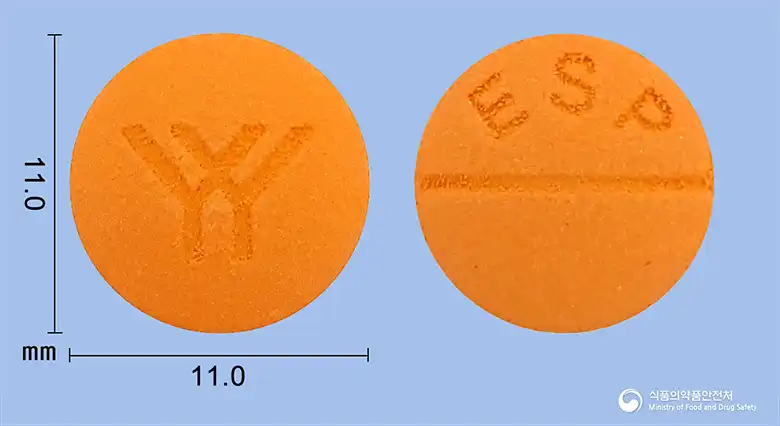
Orange round film-coated tablet
30 tablets/bottle, 500 tablets/bottle
Even with the same ingredient, strength, dosage form and how it is taken can differ.
Viewing nowDexibuprofen 300mg
Tablet · OTC medication
Yooyoung Pharmaceutical Co., Ltd.
Dexibuprofen 300mg
Tablet · OTC medication
Bionex Co., Ltd.

Dexibuprofen 300mg
Tablet · OTC medication
Anguk Pharmaceutical Co., Ltd.
Dexibuprofen 300mg
Tablet · OTC medication
Aprogen Pharmaceuticals, Co., Ltd.
Dexibuprofen 300mg
Tablet · OTC medication
Hana Pharmaceutical Co., Ltd.
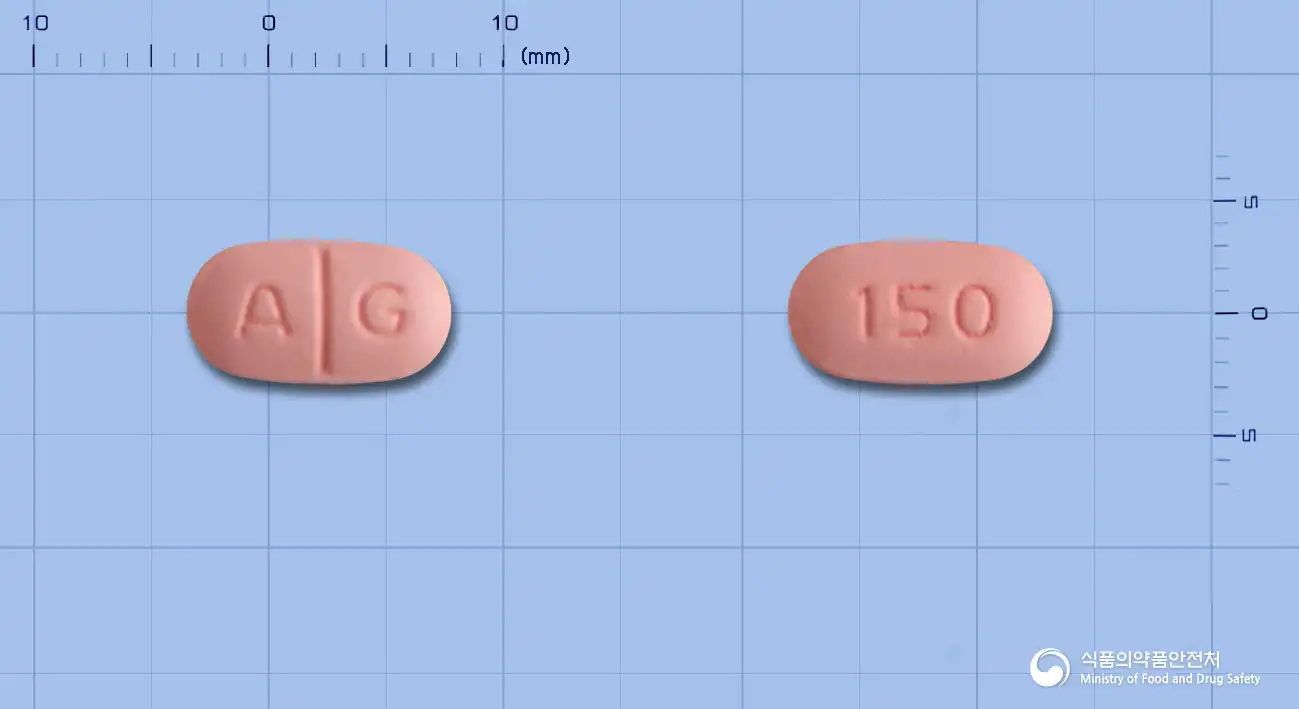
Dexibuprofen 150mg
Tablet · OTC medication
Anguk Pharm Co., Ltd.
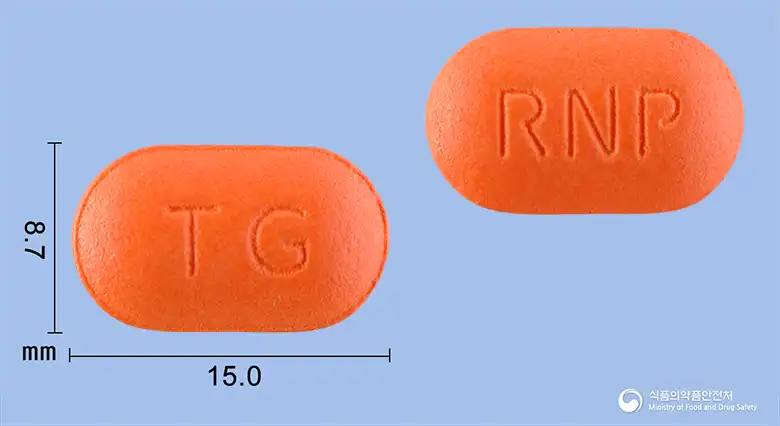
Dexibuprofen 300mg
Tablet · OTC medication
Taeguk Pharmaceutical Co., Ltd.
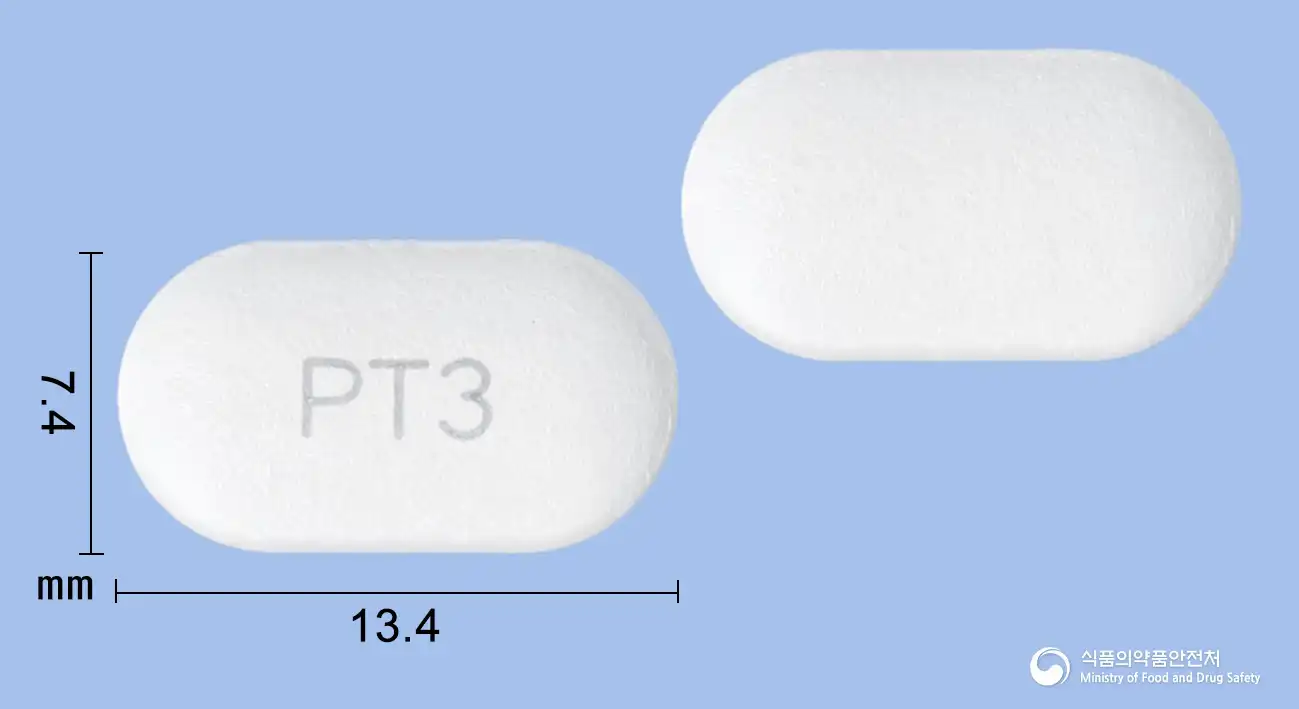
Dexibuprofen 300mg
Tablet · OTC medication
Genupharm Co., Ltd.
Even with the same ingredient, the dose and directions can differ by strength and dosage form. Talk to a doctor or pharmacist before switching from a medication you are already taking.
No questions yet.
For anything that needs medical judgment, consult a doctor or pharmacist.
This drug information is based on data provided by the Korea Ministry of Food and Drug Safety.
Consult a doctor or pharmacist for accurate dosage, administration, and usage instructions.