
 한국어
 English
 日本語
 中文(简体)
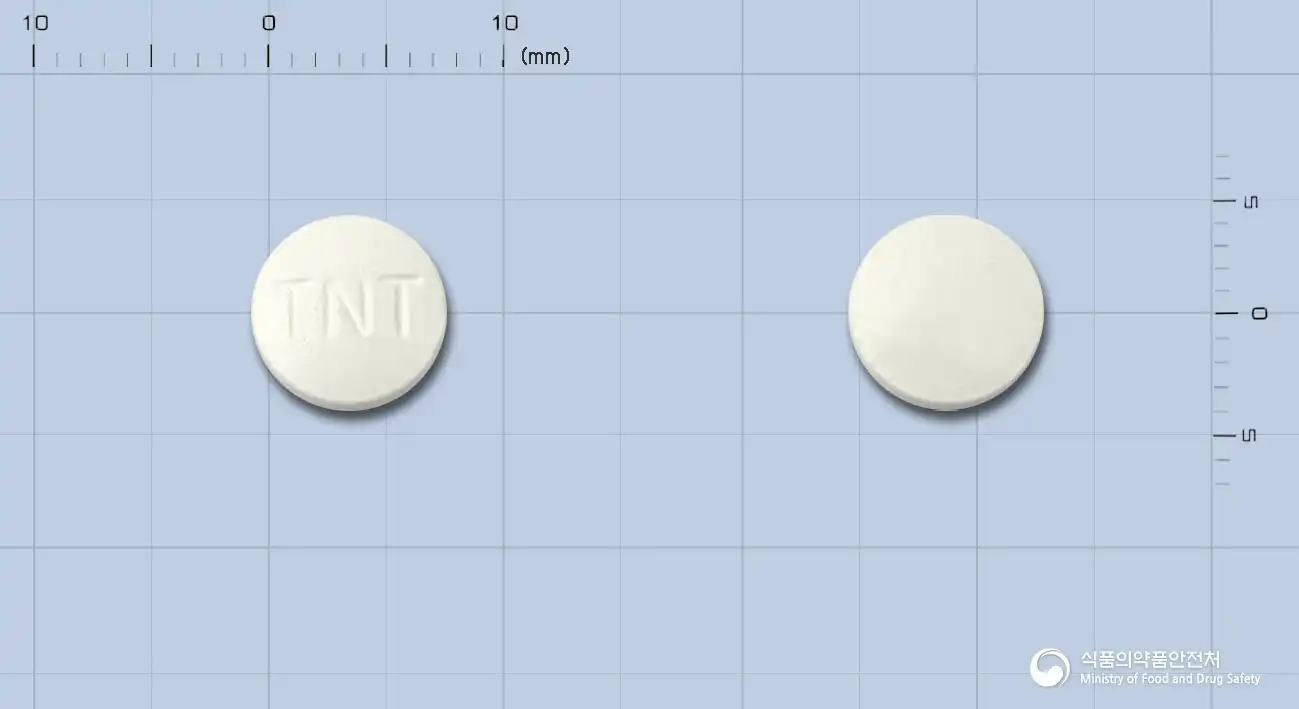
Dosage form image
Viewing nowCombinationAtenolol/Chlortalidone Tablet
Atenolol 50mg · Chlorthalidone 12.5mg
Tablet · Prescription medication · Combination
Shinil Pharmaceutical Co., Ltd.
MFDS item code 200202131 · Notified 2002.03.11
This product's status changed to Approval withdrawn on 2024.03.22. It may no longer be sold, so consult a doctor or pharmacist before taking it.
Treatment of hypertension
This medication is used to treat hypertension, a condition where blood pressure exceeds the normal range. Managing hypertension helps prevent serious complications such as heart disease and stroke. Therefore, it plays an important role in stabilizing blood pressure and maintaining health. It is primarily prescribed for patients with hypertension and requires consistent use. For effective results, it should be used according to appropriate dosages after an accurate diagnosis at a hospital.
Adults: Administer 1 tablet orally once daily. For patients with renal impairment, reduce the dose or extend the dosing interval. Creatinine clearance (㎖/min/1.73㎡) 15-35: 50㎎ daily Creatinine clearance (㎖/min/1.73㎡) <15: 50㎎ every other day The dose may be adjusted appropriately according to age and symptoms.
This drug should not be used by certain patients. Patients allergic to any ingredient contained in this drug or sulfonamide drugs should not take it. Patients with very slow heart rates or heart conduction problems, those in cardiogenic shock, patients with low blood pressure, metabolic acidosis patients, those with severely impaired peripheral blood circulation, patients with syndromes of impaired cardiac functions, those with difficult-to-control heart failure or specific tumors, patients unable to urinate, women who are pregnant or breastfeeding should avoid this medication. In heart failure patients whose symptoms are well controlled, it may be taken with caution, but in cases of severely impaired cardiac function, caution is required. Patients with asthma or obstructive airway disease should consult their doctor before taking this medication as it may cause airway constriction. Patients with severely impaired liver or kidney function, or those with electrolyte imbalances should take it with care. Various adverse reactions may occur during the use of this medication. For example, levels of uric acid in the blood may increase or levels of potassium and sodium may decrease, heart rate may slow down or heart failure symptoms may worsen. Moreover, symptoms such as dizziness, headaches, mental changes, digestive disorders, skin rashes, hair loss, and erectile dysfunction may occur, and if such symptoms become severe, the patient should immediately stop taking the medication and consult a doctor. During treatment, the heart rate may slow down; if the heart rate becomes too slow, the dosage may need to be reduced. Patients with hyperthyroidism should exercise caution as symptoms may be masked. Suddenly stopping this medication can be dangerous for patients with ischemic heart disease, so it should be discontinued gradually. Patients with a history of allergies should be particularly careful as severe allergic reactions may occur. This medication can interact with other drugs, so it's essential to consult with a doctor or pharmacist when used alongside antiarrhythmic drugs, anesthetics, diuretics, calcium channel blockers, antihypertensives, or hypoglycemic medications. Women who are pregnant or breastfeeding should avoid this drug as it can be dangerous to the fetus or baby; if unavoidable, breastfeeding should be discontinued. Safety in pediatric patients has not been established, so children should not use this drug. In case of overdose, symptoms such as decreased heart rate, lowered blood pressure, acute heart failure, or bronchospasm may occur, and immediate medical treatment should be sought. This medication should be stored out of reach of children and kept in its original container to prevent misuse or degradation of quality.
Not everyone experiences these, and they can vary from person to person.
This drug should be stored in a tightly closed container to prevent exposure to air and moisture, preferably at room temperature between 1 degree and 30 degrees Celsius. This storage condition helps maintain the drug's effectiveness.
White round film-coated tablet
30 tablets/bottle, 300 tablets/bottle
Even with the same ingredient, strength, dosage form and how it is taken can differ.
Atenolol 50mg · Chlorthalidone 12.5mg
Tablet · Prescription medication · Combination
Shinil Pharmaceutical Co., Ltd.
 Combination
Atenolol 50mg · Chlorthalidone 12.5mg
Tablet · Prescription medication · Combination
Hyundai Pharmaceutical Co., Ltd.
Atenolol · Chlorthalidone
Prescription medication · Combination
Celix Co., Ltd.
Atenolol · Chlorthalidone
Prescription medication · Combination
Youngpoong Pharmaceutical Co., Ltd.
Atenolol · Chlorthalidone
Prescription medication · Combination
Korea Hutech Pharmaceutical Co., Ltd.
Atenolol · Chlorthalidone
Prescription medication · Combination
HanKook Pabis Pharmaceutical Co., Ltd.
Even with the same ingredient, the dose and directions can differ by strength and dosage form. Talk to a doctor or pharmacist before switching from a medication you are already taking.
No questions yet.
For anything that needs medical judgment, consult a doctor or pharmacist.
This drug information is based on data provided by the Korea Ministry of Food and Drug Safety.
Consult a doctor or pharmacist for accurate dosage, administration, and usage instructions.