
 한국어
 English
 日本語
 中文(简体)
 Viewing now
Stafinjisokjeong (Felodipine)
Felodipine 5mg
Tablet · Prescription medication
Hana Pharmaceutical Co., Ltd.
MFDS item code 200202093 · Approved 2002.04.10
Treatment of hypertension and stable angina
This medication is mainly used for the treatment of hypertension and stable angina. It helps to control blood pressure within normal range, reducing the burden on the cardiovascular system and the risk of complications. It also aids in relieving chest pain and improving blood flow in patients with stable angina. Regular use of this medication is effective for controlling blood pressure and improving heart function.
Swallow this medicine whole with water. Do not split, chew, or crush it. 1. Hypertension The initial dose of felodipine is 5㎎ once daily, and the maintenance dose is 5-10㎎ daily, administered orally in the morning. Do not exceed the maximum daily dose of 20㎎. This medicine may be administered concomitantly with a β-blocker or diuretic, and may be administered as monotherapy when other antihypertensive agents are inappropriate. Adjust the dose according to the patient's therapeutic response. 2. Stable angina The initial dose is 5㎎ once daily and may be increased to 10㎎ as needed. This medicine may be administered concomitantly when an adequate response is not achieved with a β-blocker. Adjust the dose according to the patient's therapeutic response. 3. Elderly patients Administer with caution while monitoring the patient's condition, considering an initial dose of 2.5㎎ once daily. 4. Patients with renal impairment Renal impairment does not affect felodipine plasma concentrations. Dose adjustment is not necessary, but administer with caution to patients with severe renal impairment (GFR<30ml/min). 5. Patients with hepatic impairment Felodipine plasma concentrations may be increased in patients with hepatic impairment, and a therapeutic response may occur at a lower dose. Therefore, administer with caution to patients with hepatic impairment, considering an initial dose of 2.5mg once daily; do not administer to patients with severe hepatic impairment.
The safety and efficacy of this medication in children have not been established.
This medication should not be used in women who are pregnant or may become pregnant. It should not be administered to patients with severely impaired cardiac function or those with acute myocardial infarction or unstable angina. Patients with severe liver or kidney dysfunction and certain heart valve diseases should also exercise caution. Patients with genetic issues such as lactose intolerance should avoid using this medication due to the lactose content. Caution is required when administering this medication to the elderly, patients with heart failure, hypotension, or liver dysfunction, and their condition should be closely monitored. When starting treatment or increasing the dosage, symptoms such as facial flushing, headache, and palpitations may occur. Cardiac-related side effects such as chest tightness or shortness of breath may rarely occur. Neurological symptoms such as headache, dizziness, drowsiness, and fatigue may also appear, so caution is needed. Gastrointestinal symptoms may include nausea, constipation, and abdominal pain. If there are dental health issues, symptoms of gingivitis or gingival hyperplasia may occur, so attention to oral hygiene is important. Liver and kidney functions may also be affected, requiring regular check-ups. Skin reactions such as rash, itching, and urticaria may also occur, and if symptoms become severe, discontinuation of the medication is necessary. Other endocrine side effects such as myalgia or arthralgia, and occasionally increased blood glucose have been reported. This medication may interact with other drugs, so it's essential to consult with a doctor or pharmacist when taken with blood pressure medications, antibiotics, antifungals, anticonvulsants, etc. Avoid taking with grapefruit juice, as it may enhance the drug's effect. The safety of this medication during pregnancy or breastfeeding has not been established, so it should be avoided or discussed with a specialist. It is not advisable for children as safety has not been confirmed. In case of overdose, serious cardiovascular side effects and toxicity symptoms can occur, requiring immediate emergency treatment. Sudden discontinuation of this medication can worsen symptoms, so dosage should be gradually reduced following a doctor's instructions. Dizziness or fatigue may occur when taking this medication, so caution is advised when driving or operating machinery. This medication is best taken in the morning on an empty stomach or after a light meal.
Not everyone experiences these, and they can vary from person to person.
This medication is sensitive to light, so it should be stored in a tightly sealed container that blocks light. It is important to maintain a storage temperature between 1 degree and 30 degrees Celsius. Proper storage will help maintain the effectiveness and safety of the medication.
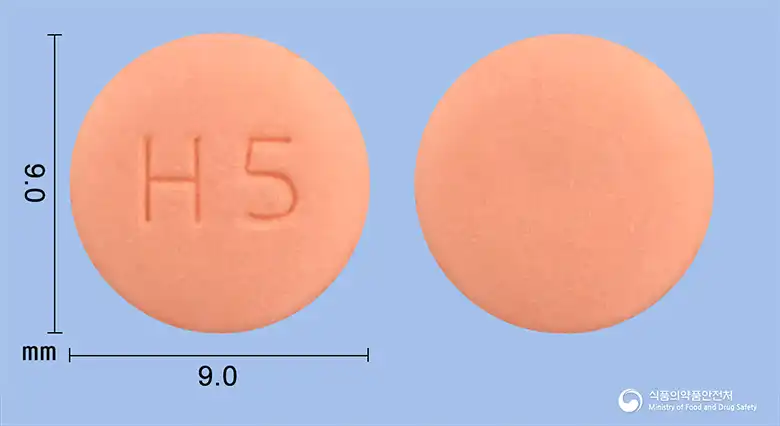
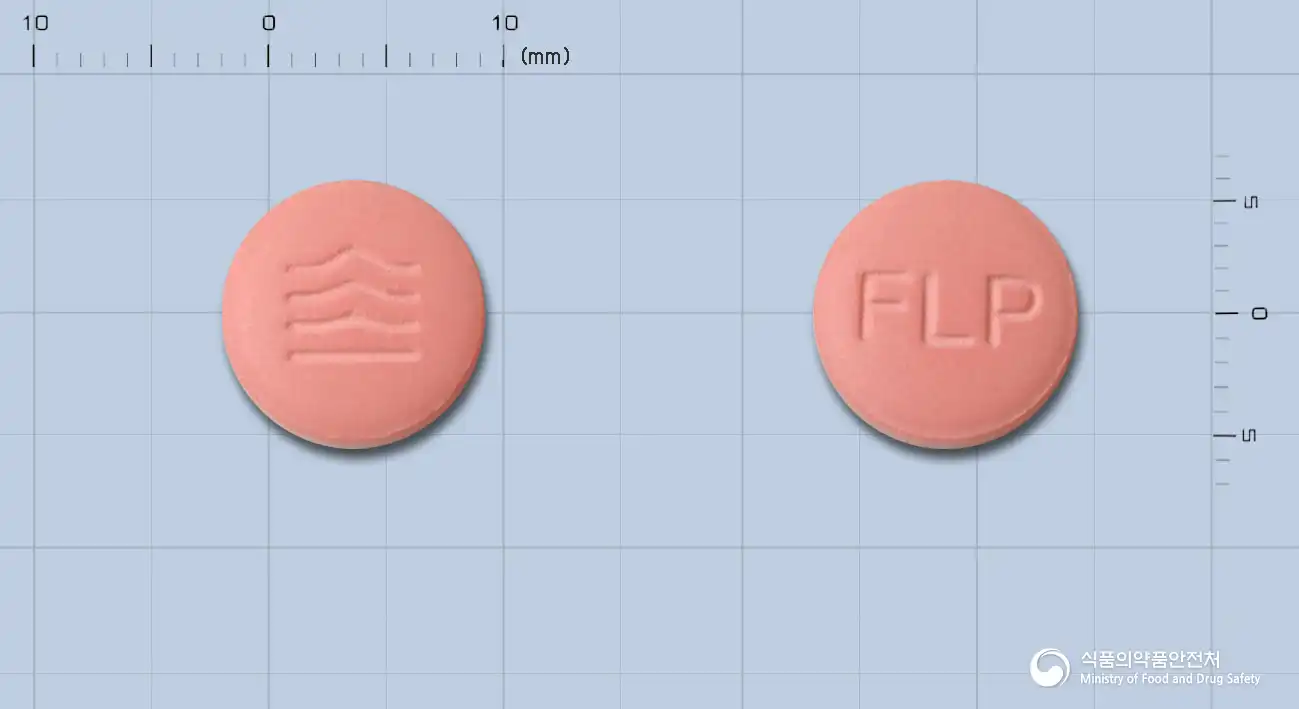
Pale pink round film-coated tablet
30 tablets/bottle, 100 tablets/bottle
Even with the same ingredient, strength, dosage form and how it is taken can differ.
Viewing nowFelodipine 5mg
Tablet · Prescription medication
Hana Pharmaceutical Co., Ltd.
Felodipine 5mg
Tablet · Prescription medication
Yuhan Corporation (Co., Ltd.)
Felodipine 5mg
Prescription medication
Daewoong Pharmaceutical Co., Ltd.
Felodipine 5mg
Tablet · Prescription medication
Future Bio Pharmaceutical Co., Ltd.
Felodipine 5mg
Tablet · Prescription medication
International Pharmaceutical Co., Ltd.
Felodipine 5mg
Tablet · Prescription medication
Samjin Pharmaceutical Co., Ltd.
Felodipine 5mg
Tablet · Prescription medication
Hanmi Pharmaceutical Co., Ltd.
Felodipine 5mg
Tablet · Prescription medication
Binex Co., Ltd.
Even with the same ingredient, the dose and directions can differ by strength and dosage form. Talk to a doctor or pharmacist before switching from a medication you are already taking.
No questions yet.
For anything that needs medical judgment, consult a doctor or pharmacist.
This drug information is based on data provided by the Korea Ministry of Food and Drug Safety.
Consult a doctor or pharmacist for accurate dosage, administration, and usage instructions.