
 한국어
한국어 English
 日本語
日本語 中文(简体)
Dosage form image
Viewing nowLytnac Injection (Diclofenac Sodium)
Diclofenac Sodium 37.5mg
Injections · Prescription medication
Kyungdong Pharmaceutical Co., Ltd.
MFDS item code 200201872 · Notified 2002.06.04 · Insurance code 648100421
Relief of inflammation and pain from rheumatoid arthritis and osteoarthritis (degenerative joint disease), etc.
This medication is effective for major joint diseases such as rheumatoid arthritis, osteoarthritis (degenerative joint disease), and ankylosing spondylitis. It is also used for the relief of inflammation and pain that occurs after surgery or trauma, acute gout, non-articular rheumatism, low back pain, toothache, dysmenorrhea, ENT area inflammation and pain, and periaricular inflammation. In particular, the injectable form is effective for kidney and liver pain. Thus, it alleviates inflammation and pain of joints and musculoskeletal disorders and is widely utilized in the treatment of various acute and chronic inflammatory diseases.
Oral: The initial dose as diclofenac sodium is 100-150mg per day, and if relief is achieved or for long-term use, it is 75-100mg per day divided into 2-3 oral doses. Injection: Inject 75mg (1 ampoule) intramuscularly into one side of the upper buttock once a day. In severe cases, it may be given 75mg (1 ampoule) twice a day, alternating sides in the buttocks. Sustained-release preparation: once daily.
Administer 0.5-3mg per kg of body weight divided into 2-3 oral doses daily. Adjust as appropriate according to age, condition, and symptoms.
Patients who regularly consume more than three glasses of alcohol a day must consult a doctor or pharmacist before taking this medication, as taking this medication while frequently drinking can increase the risk of gastric bleeding. This drug may also increase the risk of cardiovascular problems such as heart disease or stroke. Those with cardiovascular issues or risk factors should exercise caution and carefully monitor for any related symptoms during administration. Additionally, this drug can cause serious gastrointestinal problems such as bleeding, ulcers, and perforations in the stomach or intestines. Elderly patients or those with a history of gastrointestinal disorders should be particularly cautious, and immediate consultation with a healthcare professional is advised if any abnormal symptoms occur. Some ingredients in this medication may cause allergic reactions leading to serious heart problems, so if allergy symptoms appear, consumption should be stopped immediately and healthcare providers should be informed. This drug is not to be administered to individuals with certain conditions such as peptic ulcers, severe liver or kidney impairment, severe hypertension, or congestive heart failure. It should be avoided in late pregnancy as it may harm the fetus, and breastfeeding individuals are advised to discontinue breastfeeding or stop this medication while taking it. Children and the elderly should use this medication at the minimal dose with caution, particularly monitoring for adverse reactions. The risk of side effects may increase when this drug is used in conjunction with other non-steroidal anti-inflammatory drugs or specific drugs, so patients should inform their healthcare providers of any medications they are currently taking. Routine monitoring of blood pressure, liver and kidney function, and blood tests should be conducted during treatment, and immediate consultation with healthcare providers should be sought if any abnormal symptoms occur. This medication helps relieve pain and inflammation but is not a treatment for the underlying causes, so it should be used only for symptom relief, and long-term use should be avoided.
Hives, severe swelling (edema), chest tightness, difficulty breathing, cold sweats, pallor, severe rash with high fever, blisters, skin peeling, pain in the mucous membranes of mouth/eyes, shortness of breath or difficulty in breathing, asthma attacks, abnormal breathing with cough and fever, jaundice (yellowing of the skin or eyes), profound malaise, sudden and severe headache, thunderclap headache, seizures, confused consciousness, visual disturbances, paralysis, urination.
Not everyone experiences these, and they can vary from person to person.
This medication is sensitive to light and should be stored in a container that prevents light exposure. Additionally, it is crucial to store it at room temperature, between 1 degree and 30 degrees Celsius, to maintain its effectiveness.
A transparent liquid that is colorless or pale yellow, contained in a brown transparent ampoule injection.
2ml x 50Amp
Even with the same ingredient, strength, dosage form and how it is taken can differ.
Diclofenac Sodium 37.5mg
Injections · Prescription medication
Kyungdong Pharmaceutical Co., Ltd.

Diclofenac Sodium 25mg
Tablet · Prescription medication
Dongkwang Pharmaceutical Co., Ltd.
Diclofenac Sodium 75mg
Prescription medication
Ajou Pharmaceuticals Co., Ltd.
Diclofenac Sodium 37.5mg
Prescription medication
Hwanin Pharmaceutical Co., Ltd.
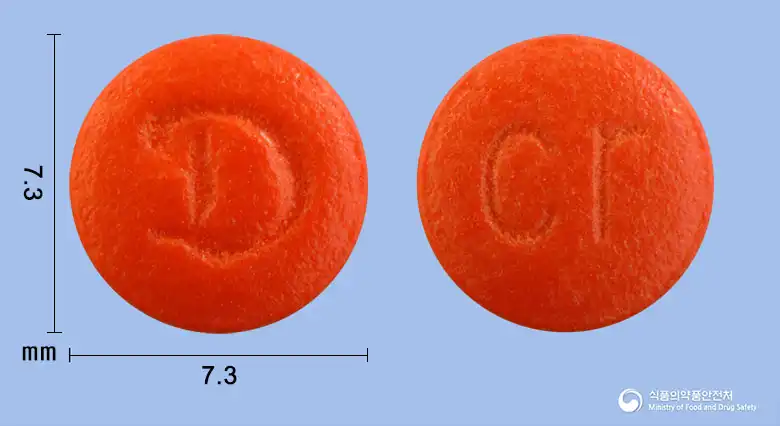
Diclofenac Sodium 25mg
Tablet · Prescription medication
GL Pharma Co., Ltd.
Diclofenac Sodium 75mg
Solution · Prescription medication
YuYoung Pharmaceutical Co., Ltd.
Diclofenac Sodium 37.5mg
Prescription medication
Daehwa Pharmaceutical Co., Ltd.
Diclofenac Sodium 37.5mg
Prescription medication
Dongkwang Pharmaceutical Co., Ltd.
Even with the same ingredient, the dose and directions can differ by strength and dosage form. Talk to a doctor or pharmacist before switching from a medication you are already taking.
No questions yet.
For anything that needs medical judgment, consult a doctor or pharmacist.
This drug information is based on data provided by the Korea Ministry of Food and Drug Safety.
Consult a doctor or pharmacist for accurate dosage, administration, and usage instructions.