
 한국어
 English
 日本語
 中文(简体)
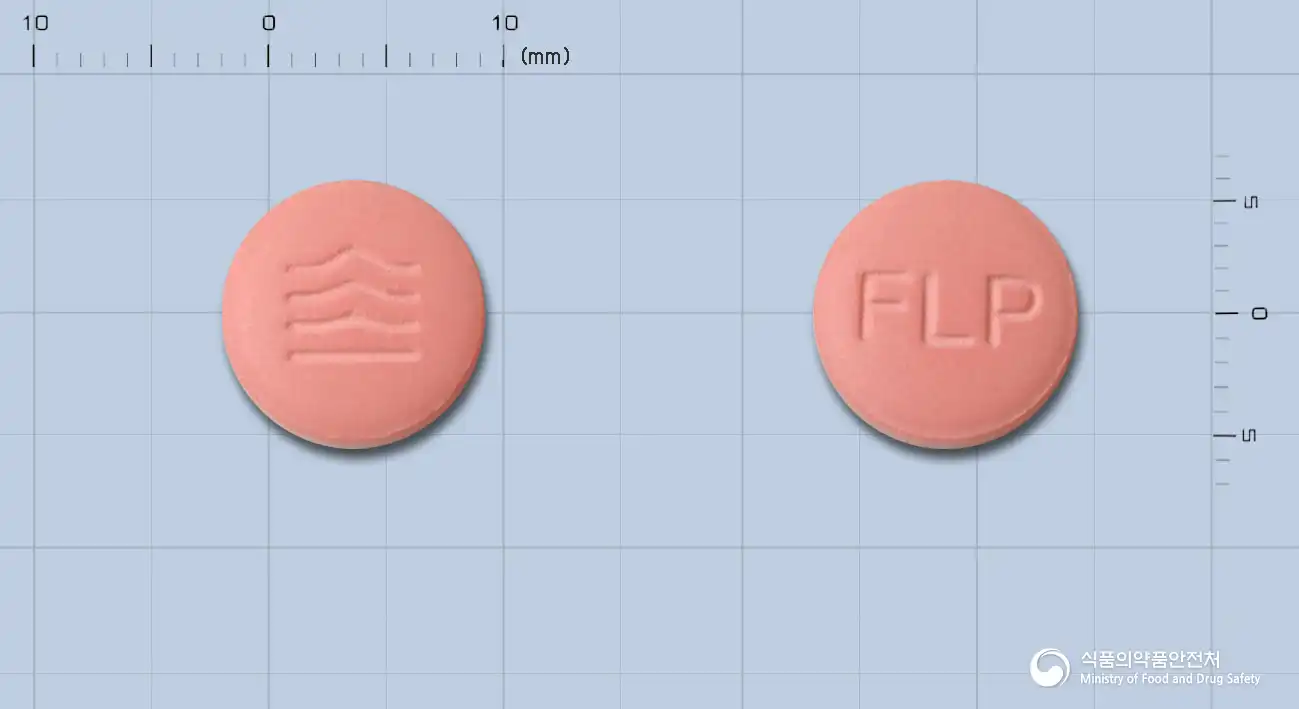
Dosage form image
Viewing nowPelodin Sustained Release 5 mg (Felodipine)
Felodipine 5mg
Prescription medication
Daewoong Pharmaceutical Co., Ltd.
MFDS item code 200201391 · Approved 2002.09.13
This product's status changed to Expired on 2024.07.01. It may no longer be sold, so consult a doctor or pharmacist before taking it.
Treatment of hypertension and stable angina
This medication is used to treat hypertension and stable angina.
Swallow this medicine whole with water. Do not split, chew, or crush it. 1. Hypertension Administer felodipine orally once daily in the morning, at an initial dose of 5㎎ and a maintenance dose of 5-10㎎. Do not exceed 20㎎ per day. This medicine may be administered with a β-blocker or diuretic, or as monotherapy if other antihypertensive agents are inappropriate. Adjust the dose according to the patient's response to treatment. 2. Stable angina Administer an initial dose of 5㎎ once daily; the dose may be increased to 10㎎ as needed. This medicine may be administered concomitantly when a β-blocker does not provide sufficient effect. Adjust the dose according to the patient's response to treatment. 3. Elderly patients Administer cautiously while monitoring the patient's condition; consider an initial dose of 2.5㎎ once daily. 4. Patients with renal impairment Renal impairment does not affect felodipine blood concentrations. No dose adjustment is necessary, but use cautiously in patients with severe renal impairment (GFR<30ml/min). 5. Patients with hepatic impairment Felodipine blood concentrations may increase in patients with hepatic impairment, and they may respond to treatment at a lower dose. Therefore, use cautiously in patients with hepatic impairment; consider an initial dose of 2.5㎎ once daily. Do not administer to patients with severe hepatic impairment.
The safety and efficacy of this medicine in children have not been established.
This medication should not be used by women who are pregnant or may become pregnant. It is also safer not to administer it to patients with severely impaired cardiac function, acute myocardial infarction, or unstable angina. Caution is advised in patients with severe liver or kidney impairment, and especially in the elderly as blood pressure may drop too low, increasing the risk of stroke. When starting this medication or increasing the dosage, symptoms like facial flushing, headache, and rapid heartbeat may appear. Other side effects such as dizziness, fatigue, indigestion, nausea, rash, and muscle pain may also occur, so if any unusual symptoms occur, consult a healthcare professional. It can lower blood pressure suddenly, so caution is needed when driving or operating dangerous machinery. This medication should preferably be taken in the morning on an empty stomach or after a light meal. Drug interactions may occur when taken with other medications, so be careful not to take it with certain antibiotics, antifungals, anticonvulsants, or grapefruit juice. Always inform your doctor or pharmacist about any other medications you are taking. It is advisable for pregnant or breastfeeding women to avoid this medication, and if absolutely necessary, to stop breastfeeding while taking it. In case of overdose, blood pressure may drop significantly and heartbeats may become irregular, so immediate medical attention is required. Do not abruptly stop this medication as symptoms may worsen; follow the physician's instructions to gradually reduce the dosage.
Not everyone experiences these, and they can vary from person to person.
This medication is sensitive to light and should be stored in a tightly closed container that does not allow light to enter. It is important to maintain the storage temperature between 1 to 30 degrees Celsius.
Light pink round film-coated tablet
Domestic: 30 tablets/bottle, 300 tablets/bottle Export: 100 tablets (10/PTP×10)
Even with the same ingredient, strength, dosage form and how it is taken can differ.
Felodipine 5mg
Prescription medication
Daewoong Pharmaceutical Co., Ltd.
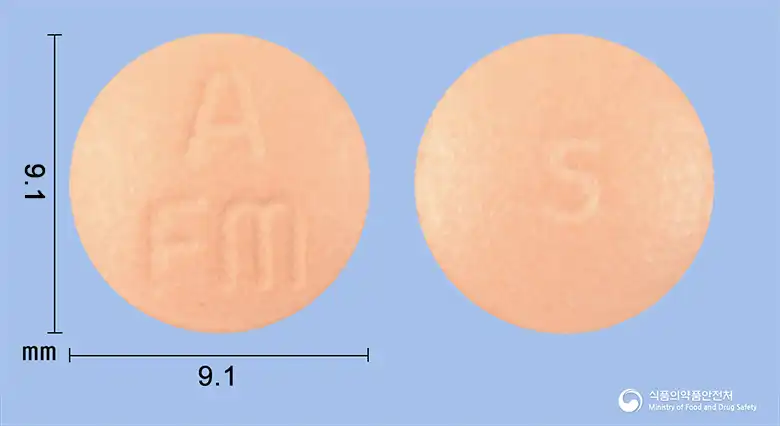
Felodipine 5mg
Tablet · Prescription medication
Yuhan Corporation (Co., Ltd.)
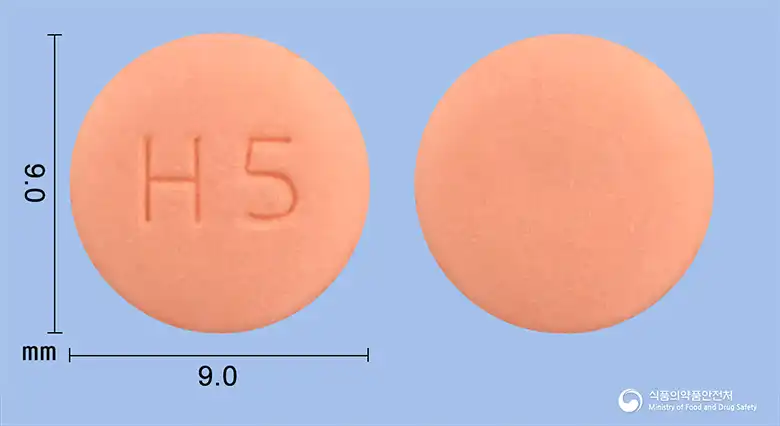
Felodipine 5mg
Tablet · Prescription medication
Hana Pharmaceutical Co., Ltd.
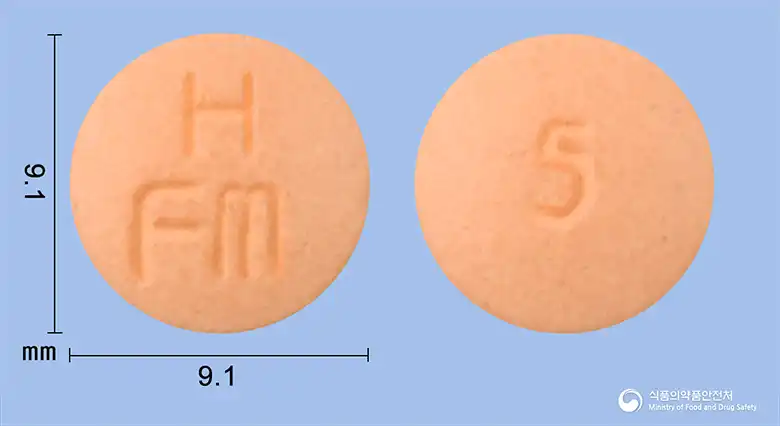
Felodipine 5mg
Tablet · Prescription medication
Future Bio Pharmaceutical Co., Ltd.
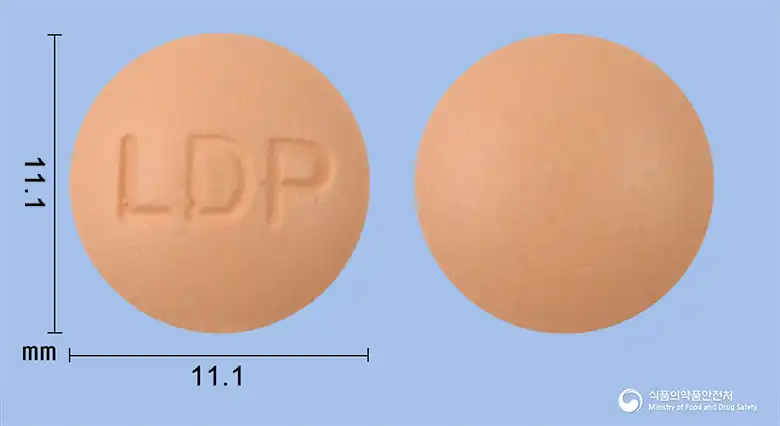
Felodipine 5mg
Tablet · Prescription medication
International Pharmaceutical Co., Ltd.
Felodipine 5mg
Tablet · Prescription medication
Samjin Pharmaceutical Co., Ltd.
Felodipine 5mg
Tablet · Prescription medication
Hanmi Pharmaceutical Co., Ltd.
Felodipine 5mg
Tablet · Prescription medication
Binex Co., Ltd.
Even with the same ingredient, the dose and directions can differ by strength and dosage form. Talk to a doctor or pharmacist before switching from a medication you are already taking.
No questions yet.
For anything that needs medical judgment, consult a doctor or pharmacist.
This drug information is based on data provided by the Korea Ministry of Food and Drug Safety.
Consult a doctor or pharmacist for accurate dosage, administration, and usage instructions.