
 한국어
 English
 日本語
 中文(简体)
 Viewing now
Epoprim Soft Capsules (Evening Primrose Oil)
Evening Primrose Oil 450mg
Soft capsule · Prescription medication
Darim Biotech Co., Ltd.
MFDS item code 200201181 · Approved 2002.09.06 · Insurance code 664600720
Relief of itching associated with atopic dermatitis, improvement of diabetic neuropathy
This medication is used to relieve itching associated with atopic dermatitis and to improve symptoms of diabetic neuropathy.
1. Relief of itching due to atopic eczema Adults and children aged 13 years or older: Administer evening primrose oil 1,800~2,700 mg per dose (equivalent to 160~240 mg of gamma-linolenic acid) orally 2 times daily. 2. Diabetic neuropathy Adults: Administer 1,800~2,700 mg of this medicine per dose (equivalent to 160~240 mg of gamma-linolenic acid) orally 2 times daily. Adjust the dose appropriately according to age and symptoms.
Ages 1~12 years: Administer 900~1,800 mg of this medicine per dose (equivalent to 80~160 mg of gamma-linolenic acid) orally 2 times daily. Do not administer to infants younger than 1 year.
This medication must not be administered to infants under 1 year of age. Patients who have a history of allergy or hypersensitivity to soybean oil should not use this medication. Patients allergic to soy or peanuts should also refrain from taking this medication. As this medication may present a risk of seizures, patients with schizophrenia or those taking medications that can induce seizures require careful observation by a doctor or pharmacist. Patients with disorders of fat metabolism such as dyslipidemia, diabetic dyslipidemia, and pancreatitis should use this medication with caution, and patients using lipid emulsions should also be cautious. Nausea, dyspepsia, headache, and abdominal pain may frequently occur with this medication, and rarely vomiting, diarrhea, dizziness, weakness, edema, and fainting may occur. Allergic reactions such as rashes, itching, and urticaria may rarely occur, so patients with allergic histories should pay special attention. In case of overdose, loose stools and abdominal pain may occur, so the prescribed dosage must be adhered to. Patients at risk for lipid overload should regularly monitor plasma lipid levels while taking this medication and adjust the dosage accordingly if necessary. When taking other lipid medications, the amount of lipid contained in this medication should be considered to reduce the dose of the lipid medication. Care is necessary during the first 3 months of pregnancy when taking this medication; while no congenital malformations have been reported in animal studies, caution is advised. This medication should be kept out of reach of children and stored in the original container tightly closed, avoiding direct sunlight and humidity in a cool place.
Not everyone experiences these, and they can vary from person to person.
This medication should be stored in a tightly closed container to prevent exposure to air or moisture. It is important to maintain storage temperatures between 1 and 30 degrees Celsius. Doing so will help preserve the medication's effectiveness for a longer period.
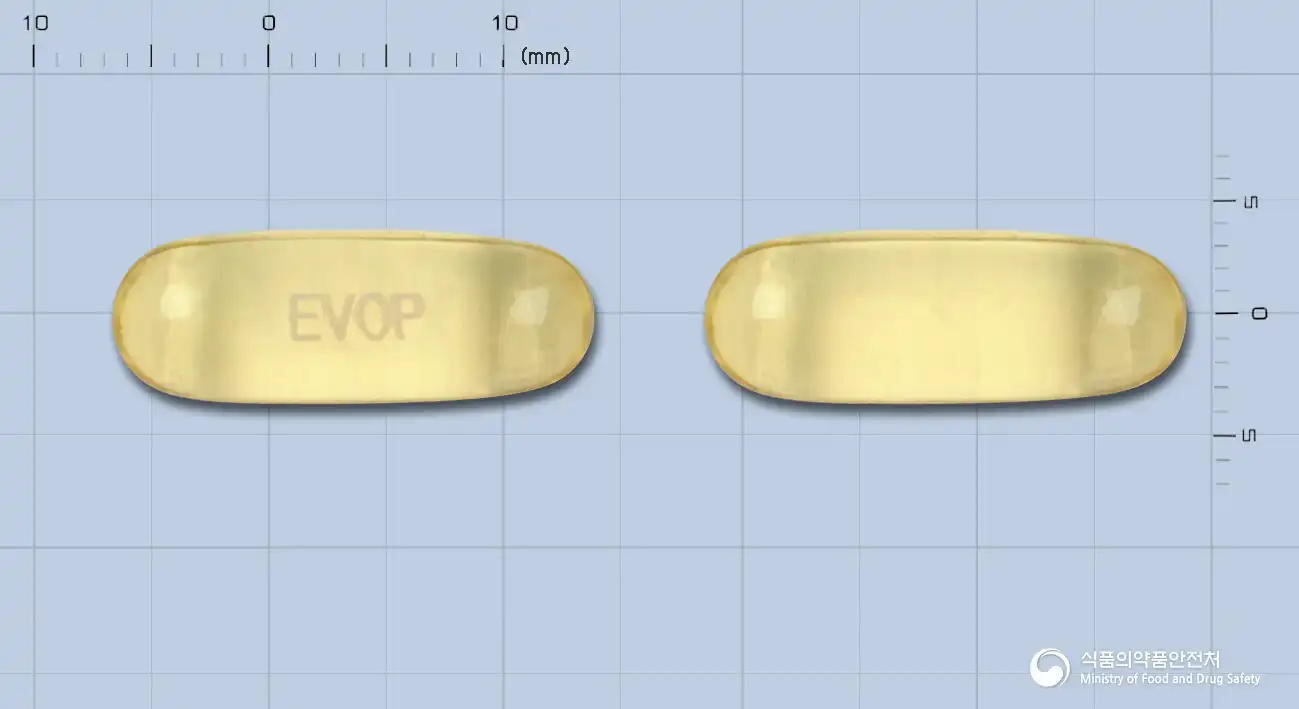
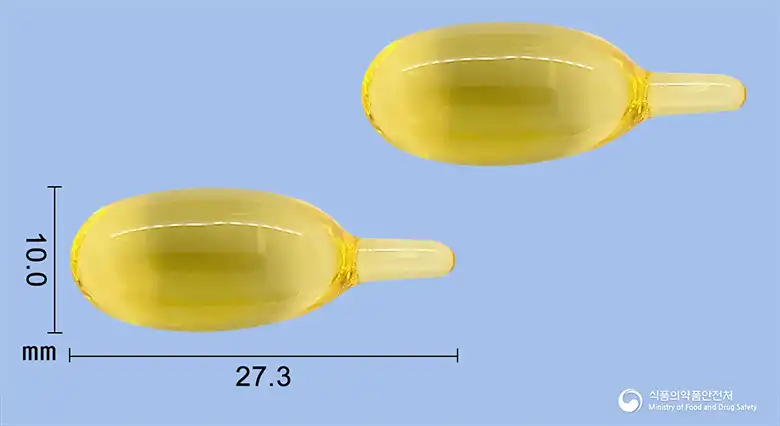
Colorless transparent soft capsule with yellow contents in an oval shape
300 capsules/PTP[(10 capsules/PTP*30)], 100 capsules/PTP[(10 capsules/PTP*10)]
Even with the same ingredient, strength, dosage form and how it is taken can differ.
Viewing nowEvening Primrose Oil 450mg
Soft capsule · Prescription medication
Darim Biotech Co., Ltd.
Evening Primrose Oil 900mg
Soft capsule · OTC medication
Darim Biotech Co., Ltd.
Evening Primrose Oil
OTC medication
Dong-A Pharmaceutical Co., Ltd.
Even with the same ingredient, the dose and directions can differ by strength and dosage form. Talk to a doctor or pharmacist before switching from a medication you are already taking.
No questions yet.
For anything that needs medical judgment, consult a doctor or pharmacist.
This drug information is based on data provided by the Korea Ministry of Food and Drug Safety.
Consult a doctor or pharmacist for accurate dosage, administration, and usage instructions.