
 한국어
 English
 日本語
 中文(简体)
 Viewing now
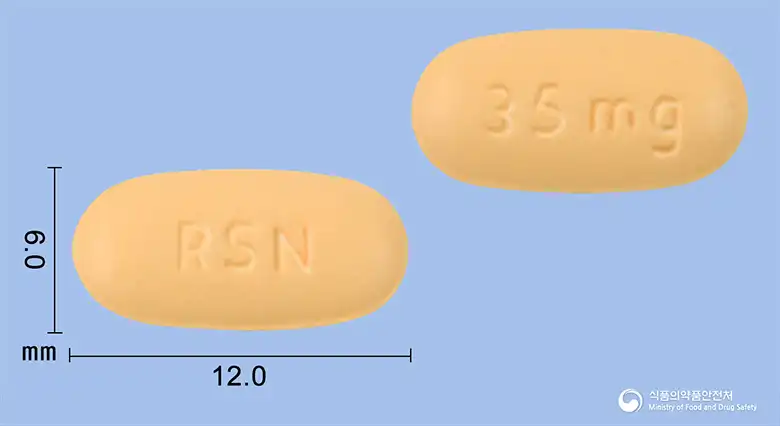
Actonel 35 mg Tablets (Risedronate Sodium)
Risedronate Sodium 35mg
Tablet · Prescription medication
Yuyu Pharmaceutical Co., Ltd.
MFDS item code 200200772 · Approved 2002.12.30 · Insurance code 644503310
Treatment and prevention of osteoporosis in postmenopausal women; treatment of osteoporosis in men
This medication is used for the treatment and prevention of osteoporosis in both postmenopausal women and men.
1. Adults Administer 35 mg of risedronate sodium orally once weekly. 2. Older adults No dose adjustment is necessary in older adults (over 60 years of age), because the bioavailability and pharmacodynamics of this medicine are similar to those in younger people. 4. Patients with renal impairment No dose adjustment is necessary in patients with a creatinine clearance of 30 mL/min or higher. This medicine is contraindicated in patients with severe renal impairment with a creatinine clearance below 30 mL/min. Food interferes with the absorption of this medicine. For adequate absorption, take it at least 30 minutes before breakfast, or at any time of day at least 2 hours before or after food or beverages. To help this medicine reach the stomach easily and reduce the possibility of esophageal irritation, take it in an upright position with a sufficient amount of plain water (170 ∼ 230 mL). Taking this medicine with other beverages, including mineral water, may reduce its absorption. Do not chew or suck this medicine because of the possibility of oropharyngeal ulceration. Do not lie down for at least 30 minutes after taking this medicine. If a patient forgets to take this medicine on the scheduled day, take it the next morning when remembered. Take the next dose again on the originally scheduled day. Do not take 2 tablets on the same day.
The safety and efficacy of this medicine in children younger than 18 years have not been established.
This medication can irritate the stomach and esophagus, so particular caution is needed for those with esophageal or gastric disorders. It is important to take this medication with a sufficient amount of water, and to avoid lying down for a period of time after taking it. If difficulty swallowing, chest pain, or heartburn occurs during use, stop taking the medication immediately and consult a doctor. Patients with certain conditions, such as esophageal stricture, hypocalcemia, or severe renal impairment, should not take this medication. Pregnant or potentially pregnant women, as well as breastfeeding women, are advised against using this medication. This medication may interfere with the absorption of certain minerals such as calcium or magnesium, so it is necessary to space the dosing times accordingly. Rarely, long-term use may be associated with serious side effects such as osteonecrosis of the jaw or atypical fractures, so immediate consultation with a doctor is advised if any unusual symptoms occur. Adequate intake of calcium and vitamin D is recommended during treatment, along with weight-bearing exercises and maintenance of a healthy lifestyle. The safety and efficacy of this medication in children have not been established, and special caution is needed for the elderly. In the case of overdose, calcium and phosphorus levels in the blood may drop, so immediate medical assistance should be sought if symptoms appear. This medication should be kept out of reach of children, and it is safer not to transfer it to another container.
esophagitis, esophageal ulcer, esophageal erosion, esophageal obstruction, esophageal perforation, bleeding, infection, low back pain, accidental injury, pain, abdominal pain, flu symptoms, headache, weakness, throat pain, chest pain, allergic reaction, hypertension, constipation, diarrhea, dyspepsia, nausea, peripheral edema, arthralgia, arthritis, fracture, joint abnormalities, myalgia, bone pain, dizziness, depression, insomnia, bronchitis, sinusitis, rhinitis, pharyngitis, increased coughing, rash, cataract, urinary tract infection, vomiting, uveitis, scleritis, iritis, Stevens-Johnson syndrome, toxic epidermal necrolysis, Langerhans syndrome, angioedema, blister, osteonecrosis of the jaw, liver dysfunction, jaundice, appetite loss, asthenia, heartburn, epigastric pain, chest discomfort, palpitations, increased sweating, facial flushing, burning sensation, kidney stones, belching, hematuria, fever, eye pain, hypocalcemia, acute phase reaction, atypical fracture, osteonecrosis of the external auditory canal
Not everyone experiences these, and they can vary from person to person.
This medication should be stored in an airtight, sealed container and kept at room temperature between 1°C and 30°C. This is to maintain the efficacy of the medication and prevent deterioration.
Pale orange, oblong film-coated tablet
4 tablets/box
Even with the same ingredient, strength, dosage form and how it is taken can differ.
Viewing nowRisedronate Sodium 35mg
Tablet · Prescription medication
Yuyu Pharmaceutical Co., Ltd.
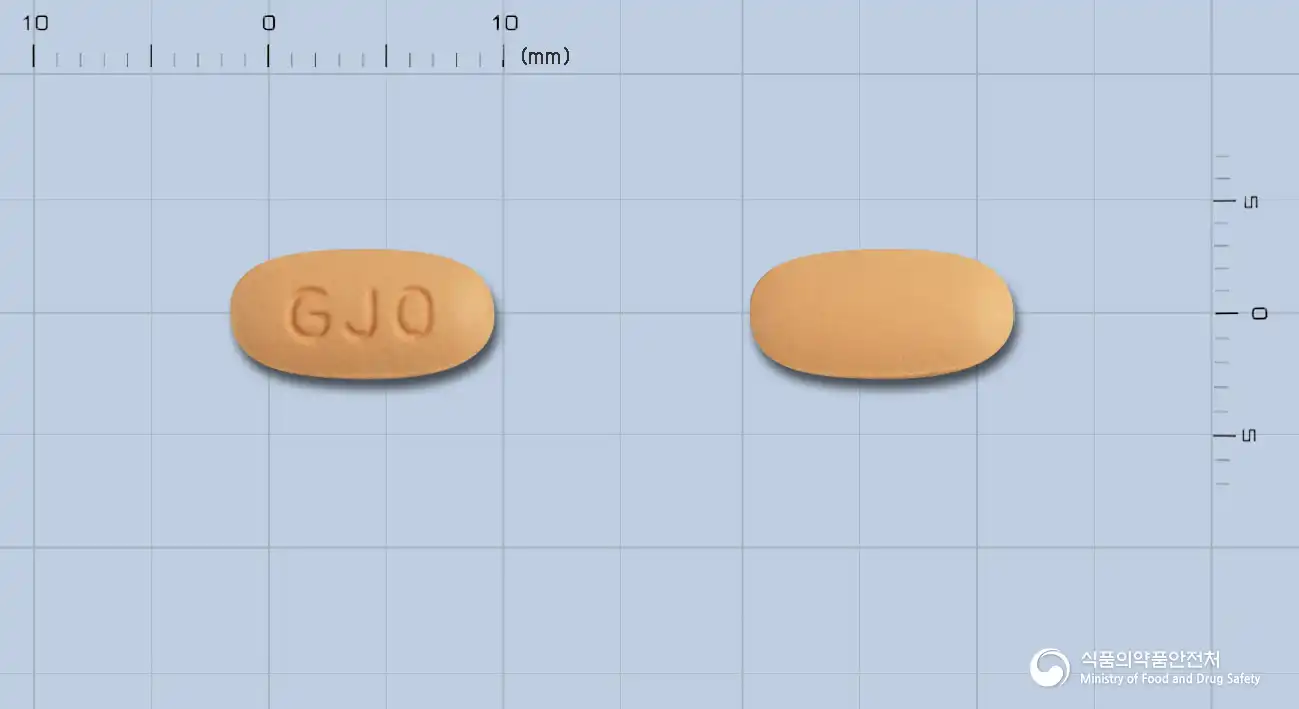
Risedronate Sodium 35mg
Tablet · Prescription medication
Guju Pharmaceutical Co., Ltd.
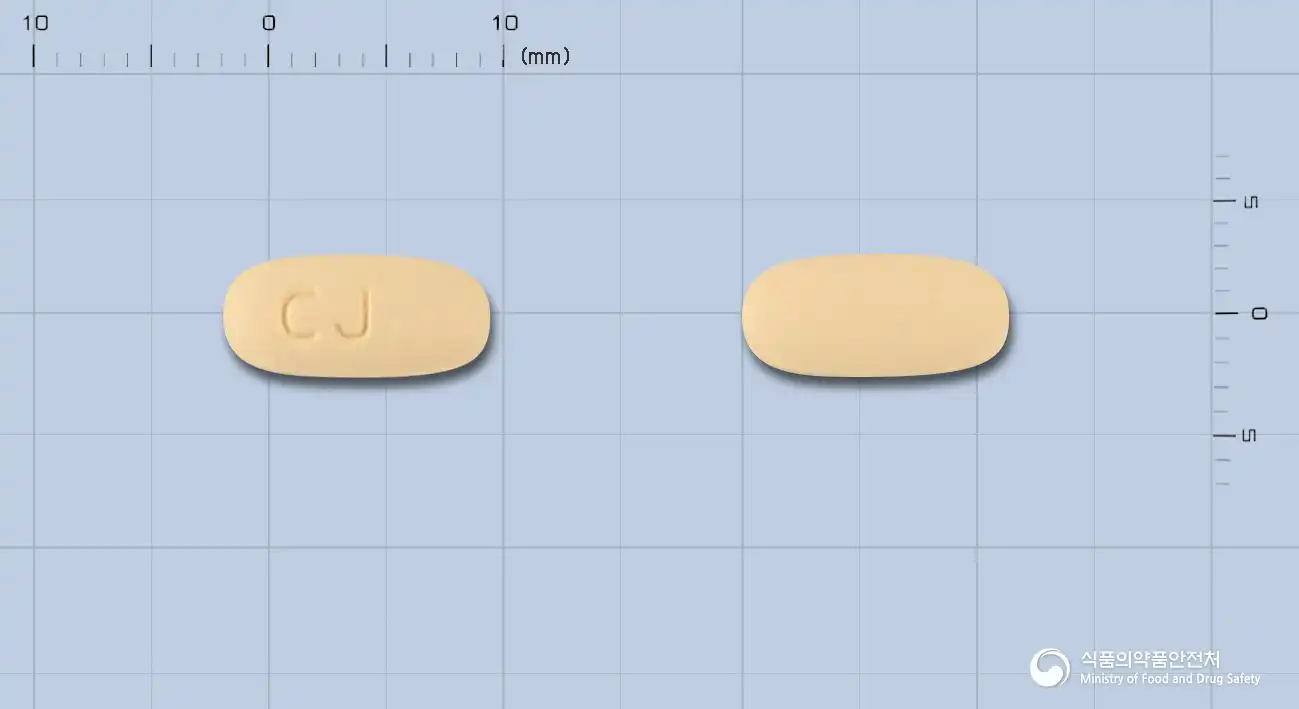
Risedronate Sodium 35mg
Tablet · Prescription medication
HK inno.N Co., Ltd.
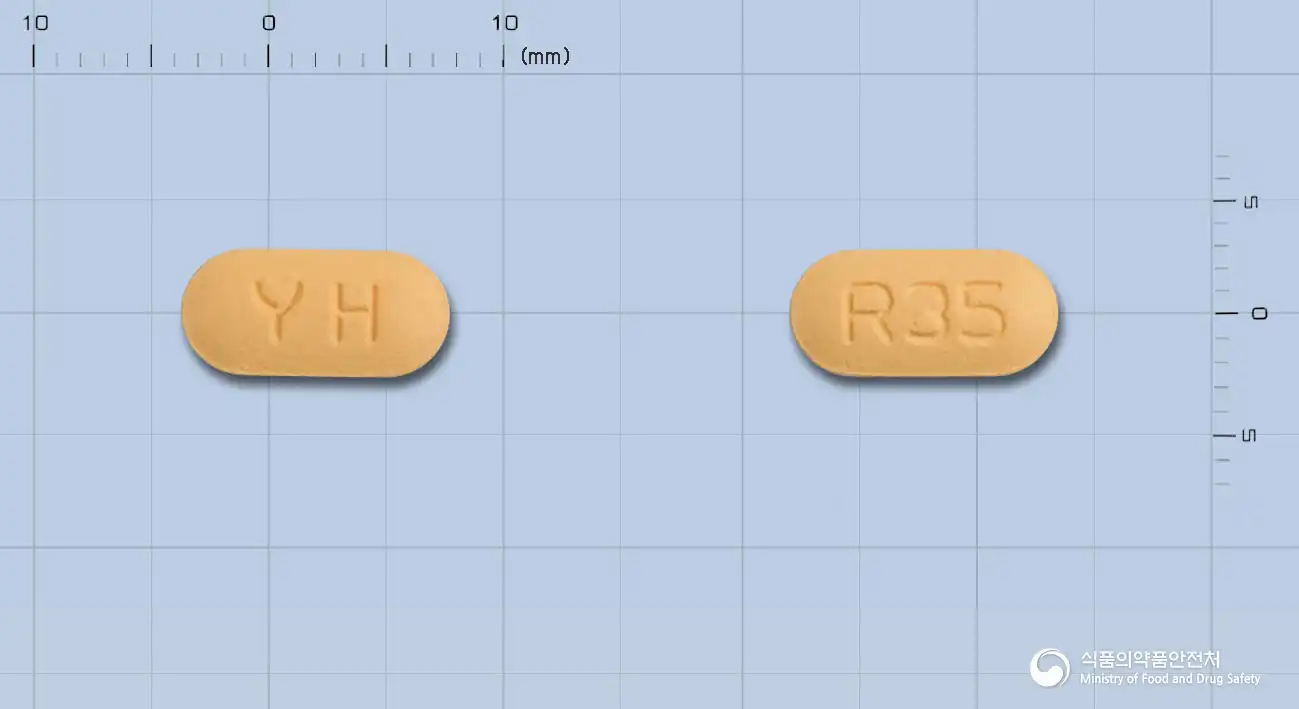
Risedronate Sodium Monohydrate 37.07mg
Tablet · Prescription medication
Yuhan Corporation
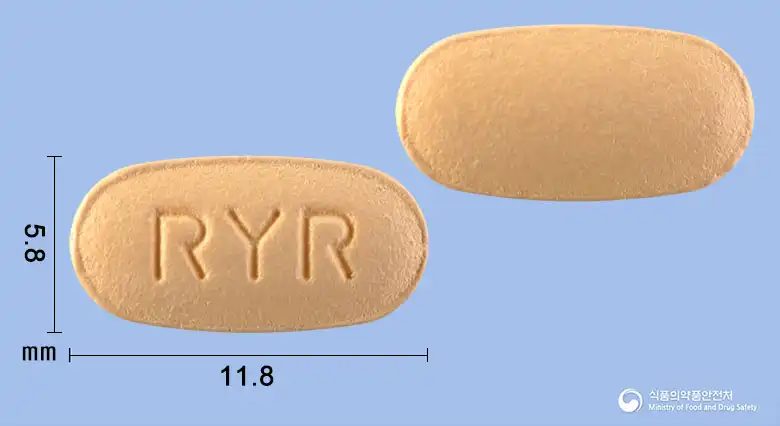
Risedronate Sodium 35mg
Tablet · Prescription medication
IYON Pharmaceutical Co., Ltd.
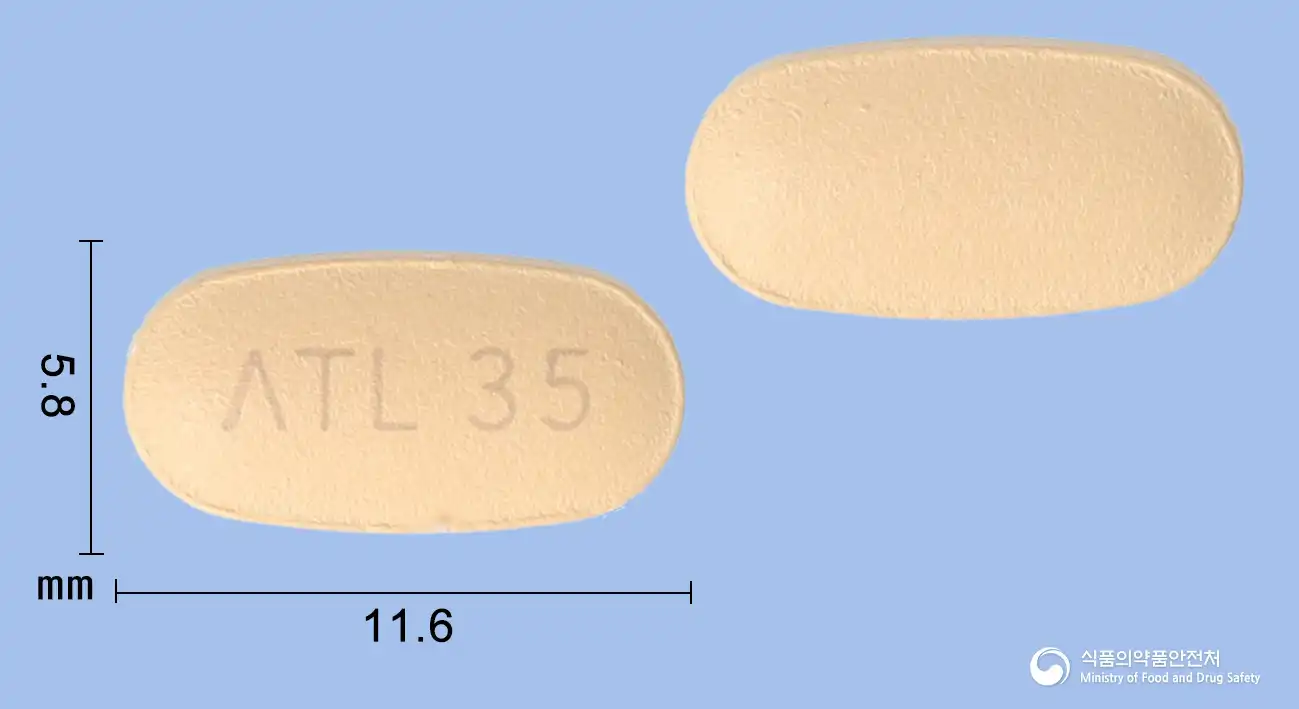
Risedronate Sodium 35mg
Tablet · Prescription medication
Youngpoong Pharmaceutical Co., Ltd.
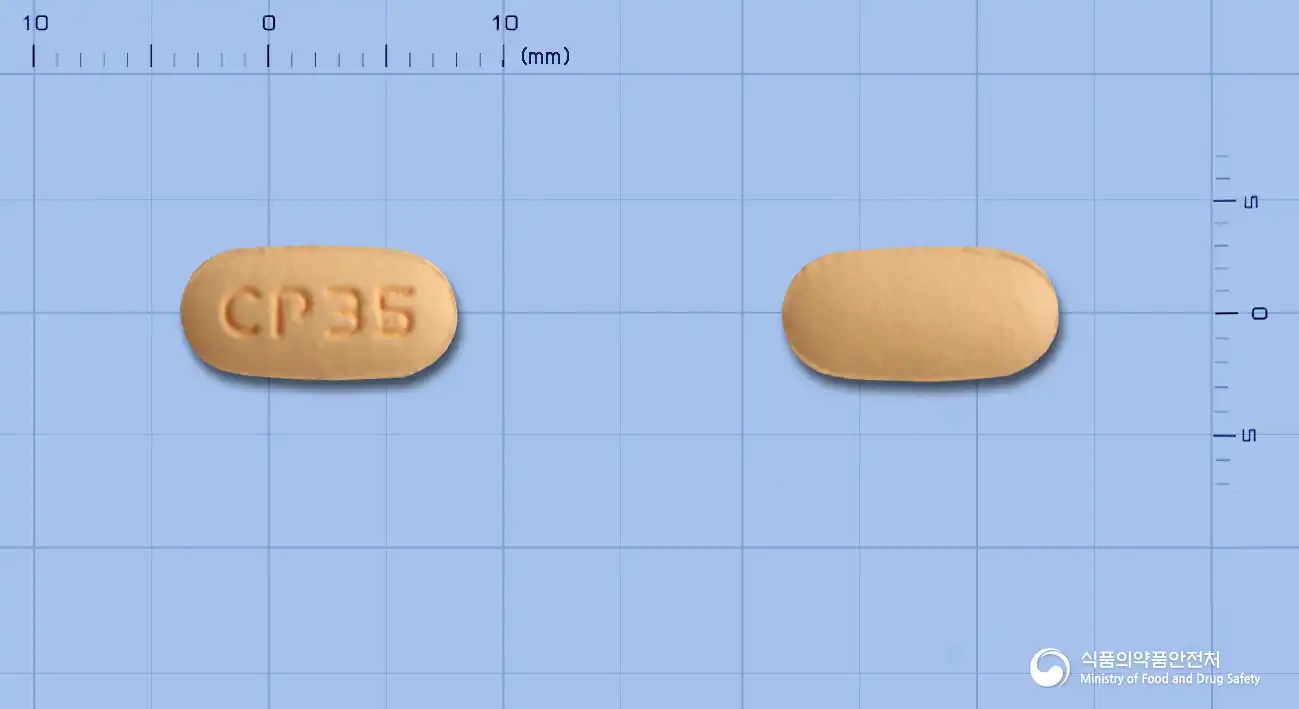
Risedronate Sodium Monohydrate 37.07mg
Tablet · Prescription medication
CMG Pharmaceutical Co., Ltd.
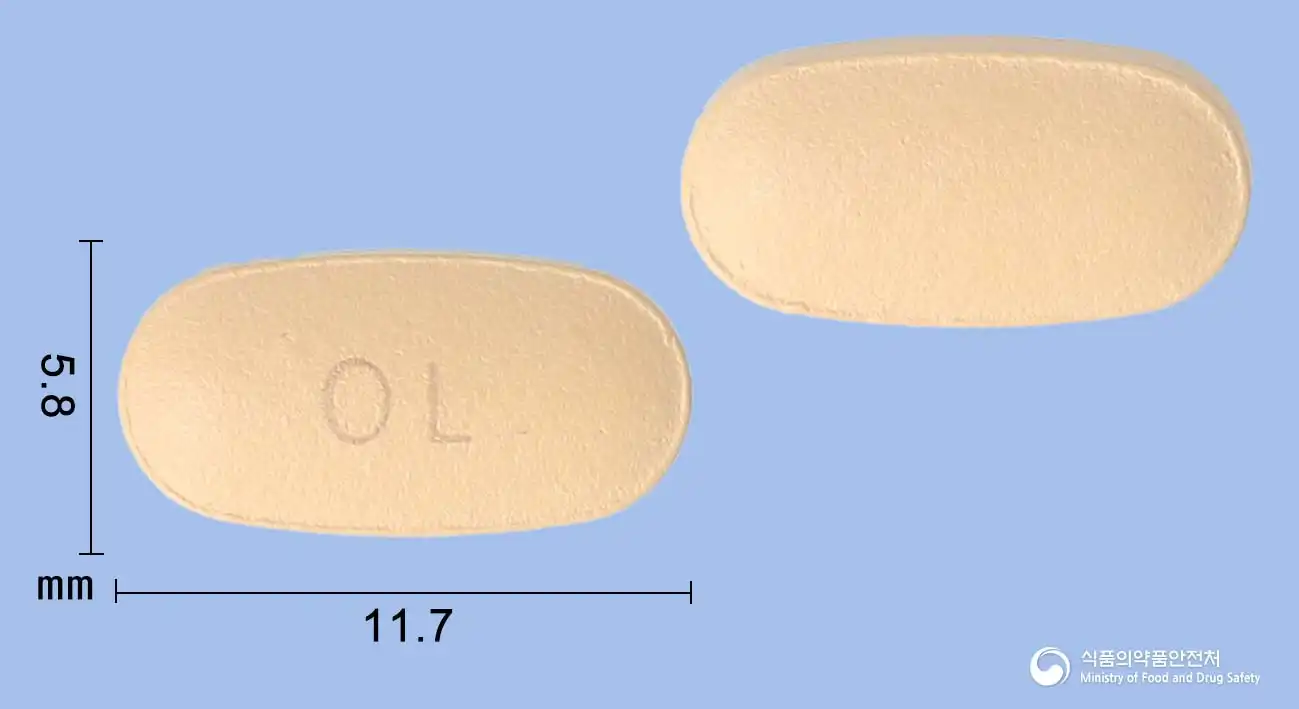
Risedronate Sodium 35mg
Tablet · Prescription medication
Hwaill Pharmaceutical Co., Ltd.
Even with the same ingredient, the dose and directions can differ by strength and dosage form. Talk to a doctor or pharmacist before switching from a medication you are already taking.
No questions yet.
For anything that needs medical judgment, consult a doctor or pharmacist.
This drug information is based on data provided by the Korea Ministry of Food and Drug Safety.
Consult a doctor or pharmacist for accurate dosage, administration, and usage instructions.