
 한국어
 English
 日本語
 中文(简体)
 Viewing now
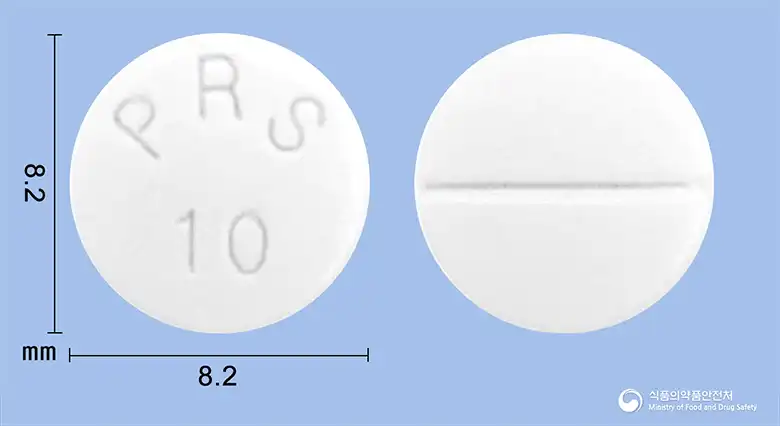
Prastan Tablets 10 mg (Pravastatin Sodium)
Pravastatin Sodium 10mg
Tablet · Prescription medication
Youngjin Pharmaceutical Co., Ltd.
MFDS item code 200200723 · Notified 2002.12.18 · Insurance code 642401670
Treatment of hyperlipidemia; prevention of cardiovascular and cerebrovascular diseases (e.g., myocardial infarction and ischemic stroke)
This medication is primarily used for treatment of primary hyperlipidemia, which includes combined hypercholesterolemia and hypertriglyceridemia. It effectively reduces LDL cholesterol levels in high-risk patients where dietary therapy alone is insufficient, thus helping to decrease the risk of initial myocardial infarction and mortality due to coronary heart disease. It is particularly effective in men aged 45 to 65 with a history of vascular disease or cardiovascular risk factors such as diabetes, smoking, hypertension, and a family history of myocardial infarction. Additionally, it is used to reduce the risk of recurrent myocardial infarction, cardiovascular revascularization, stroke, and transient ischemic attacks in patients with a history of myocardial infarction or unstable angina. Therefore, this medication plays an important role in the prevention and treatment of cardiovascular diseases associated with hyperlipidemia.
Before starting treatment, patients should begin a low-cholesterol diet and continue it during treatment. The usual initial dose is a single dose of 10㎎, 20㎎, or 40㎎ once daily. The dose may be increased up to 40㎎ according to the patient's response. The maintenance dose is 10∼40㎎ once daily. 1) In patients with a history of myocardial infarction or unstable angina, the treatment goal of 'reducing the risk of myocardial infarction, need for cardiovascular revascularization, ischemic stroke, and transient ischemic attack can be achieved with pravastatin sodium 40㎎/day. The effect of lower doses has not been studied. 2) Patients receiving immunosuppressants such as cyclosporine: The initial dose is 5∼10mg, and increases in dose should be made with great caution. The maximum daily dose is 20mg. However, in kidney transplant patients, the dose must not exceed 10mg per day.
This medication should not be used in certain patients. For example, individuals who are allergic to this drug or have liver function issues should not take it. Women who are pregnant or breastfeeding, children, and those with severe liver or kidney dysfunction should also be cautious with this medication. Additionally, those with muscular diseases or issues affecting bile flow should avoid taking this drug. This medication contains lactose, so individuals with lactose intolerance or related genetic disorders must not use it. Individuals with a history of severe liver disease or kidney disease should use this medication with caution, and attention is also required for those taking other medications that may interact with it. Particularly, those consuming large amounts of alcohol or suffering from muscular weakness should exercise special caution when using this medication. During treatment with this drug, skin rash or allergic reactions may occur, so if such symptoms arise, it is crucial to immediately discontinue use and consult a doctor. Gastrointestinal symptoms such as diarrhea, nausea, vomiting, and signs of liver dysfunction may be observed, hence regular check-ups are necessary. Muscle pain or weakness, and in severe cases, renal function deterioration due to muscle breakdown can occur, so any muscle-related symptoms should be promptly reported to healthcare professionals. Central nervous system symptoms such as headaches, dizziness, and depression have been reported infrequently, and cognitive impairment such as memory loss may occur. This medication inhibits cholesterol synthesis, reducing cholesterol levels in the blood; however, it may potentially affect adrenal or gonadal hormones. Therefore, caution is required if there are abnormalities in endocrine functions. Before treatment, it is important to confirm a definitive diagnosis of hypercholesterolemia and to implement non-drug treatments like dietary and exercise therapy first. During treatment, blood lipid levels should be regularly monitored to evaluate treatment effectiveness, and if no effect is observed, the medication should be discontinued. If there are signs of myositis or muscle damage, it is recommended to discontinue use immediately, especially for older adults over 65, patients with hypothyroidism, or those with impaired kidney function. This medication may increase the risk of muscle damage when taken with other lipid-lowering agents or specific immunosuppressants, so strict adherence to medical instructions is necessary when in combination therapy. Women who are pregnant or may become pregnant should not take this medication, and if pregnancy is confirmed, it should be discontinued immediately. Women who are breastfeeding are also advised against using this medication. The safety and efficacy in children under 18 have not been established, so it should not be used in this age group. Elderly individuals may have decreased physical function, so caution should be exercised in adjusting the dosage. In case of overdose, immediate medical attention is necessary for tests including liver function. It is more effective to take this medication after dinner, and timing should be properly maintained if taken with other medications that require intervals. Finally, this medication should be kept out of reach of children, and changing containers is not advised, as it is important for quality maintenance.
Not everyone experiences these, and they can vary from person to person.
This medication should be stored in a sealed container to avoid exposure to air or moisture, and it is safe to keep it at room temperature between 1 to 30 degrees Celsius. Proper storage will help maintain the medication's effectiveness.
White round tablets.
30 tablets/bottle, 100 tablets/bottle
Even with the same ingredient, strength, dosage form and how it is taken can differ.
Viewing nowPravastatin Sodium 10mg
Tablet · Prescription medication
Youngjin Pharmaceutical Co., Ltd.
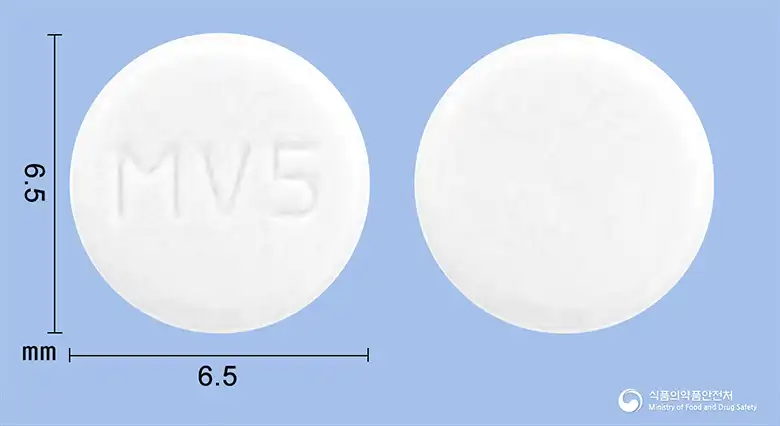
Pravastatin Sodium 5mg
Tablet · Prescription medication
HK inno.N Co., Ltd.
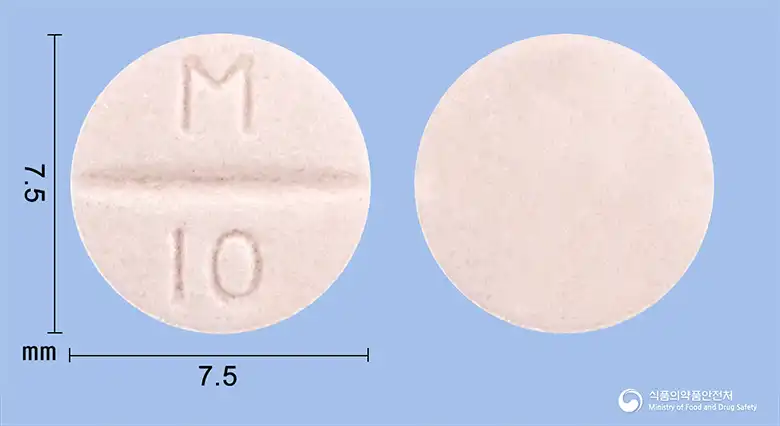
Pravastatin Sodium 10mg
Tablet · Prescription medication
HK inno.N Co., Ltd.
Pravastatin Sodium 5mg
Tablet · Prescription medication
Youngjin Pharmaceutical Co., Ltd.
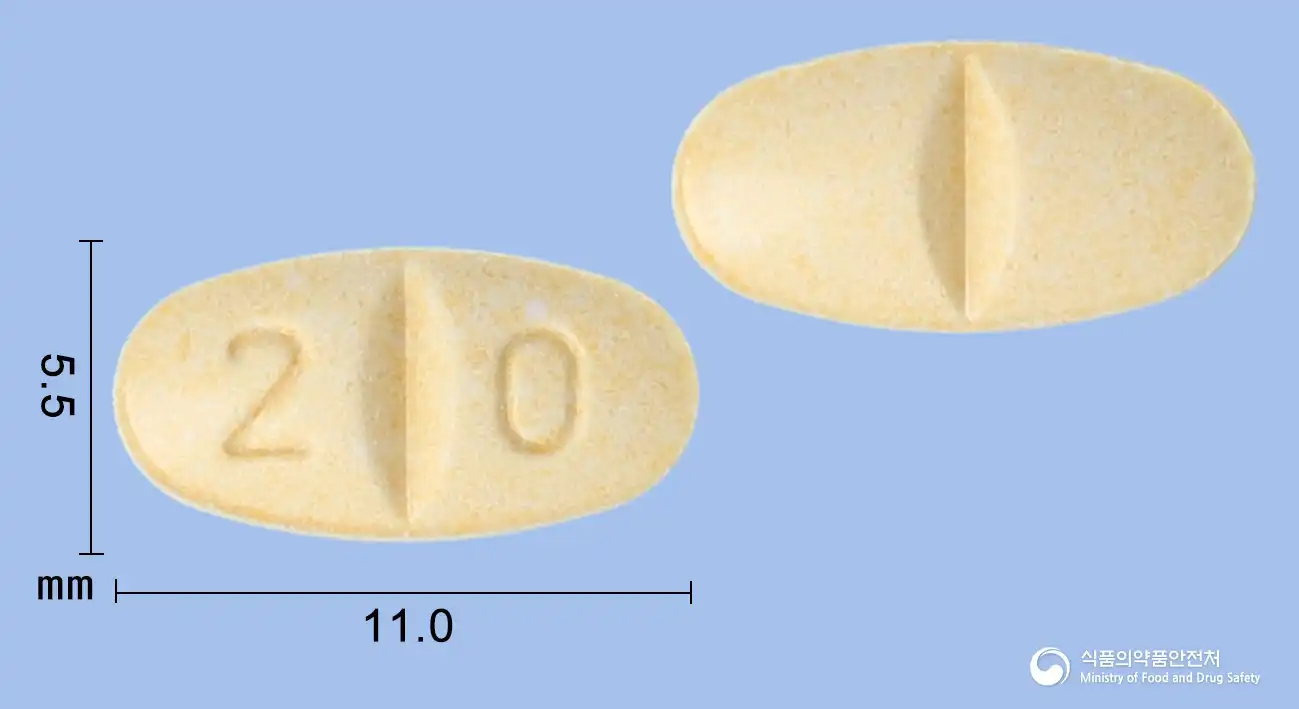
Pravastatin Sodium 20mg
Tablet · Prescription medication
HK inno.N Co., Ltd.
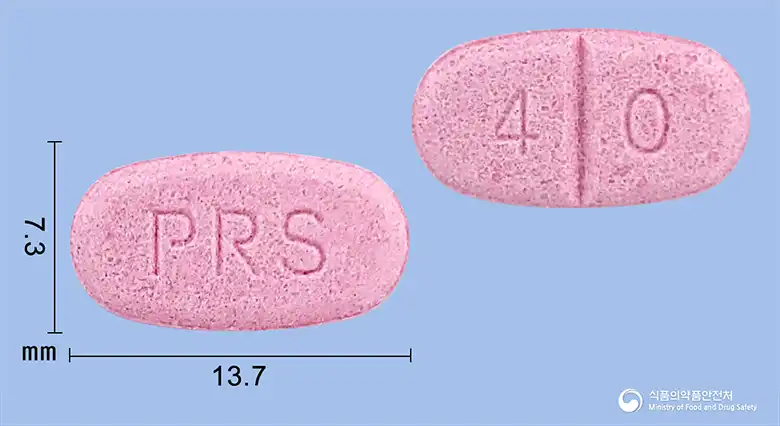
Pravastatin Sodium 40mg
Tablet · Prescription medication
Youngjin Pharmaceutical Co., Ltd.
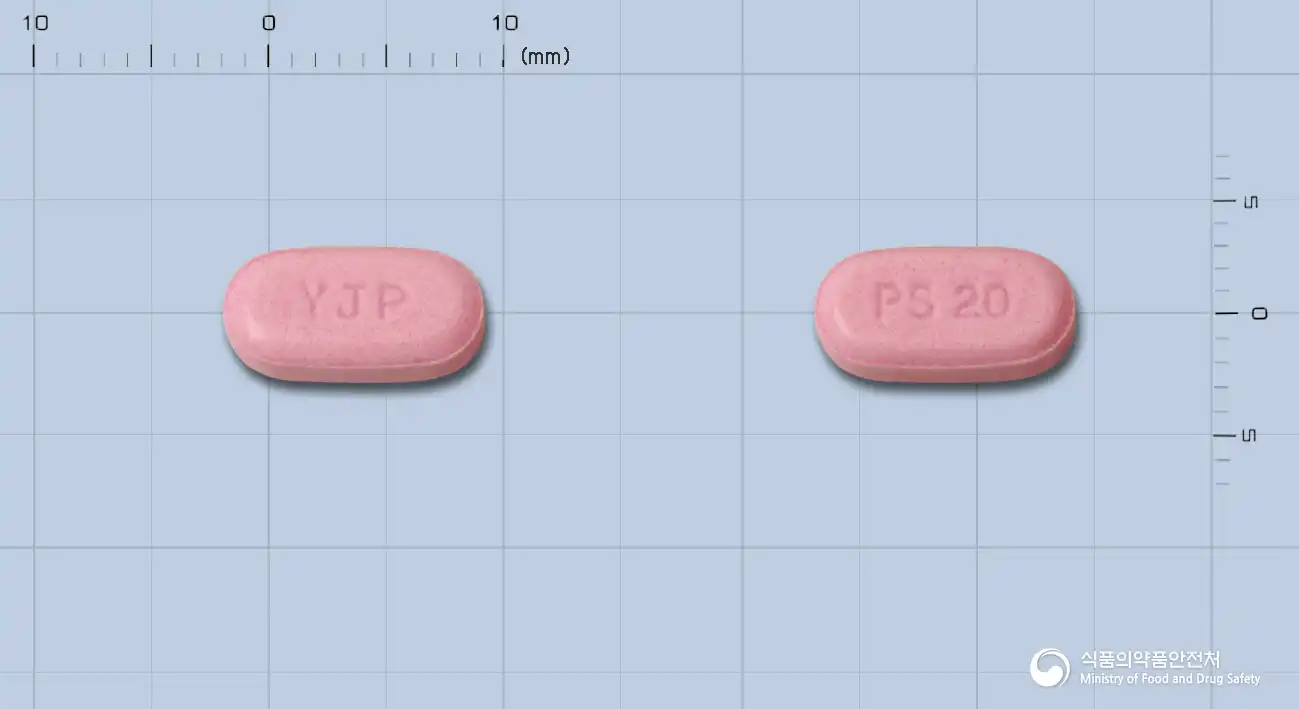
Pravastatin Sodium 20mg
Tablet · Prescription medication
Youngjin Pharmaceutical Co., Ltd.
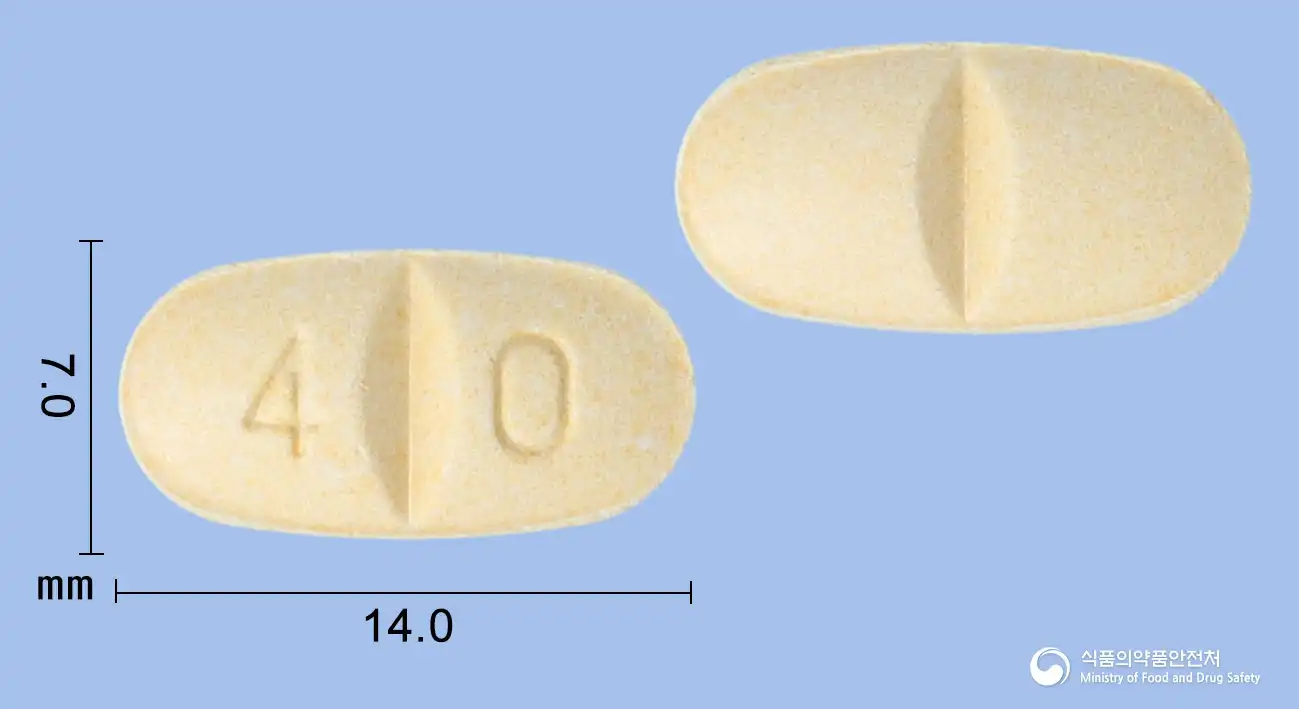
Pravastatin Sodium 40mg
Tablet · Prescription medication
HK inno.N Co., Ltd.
Even with the same ingredient, the dose and directions can differ by strength and dosage form. Talk to a doctor or pharmacist before switching from a medication you are already taking.
No questions yet.
For anything that needs medical judgment, consult a doctor or pharmacist.
This drug information is based on data provided by the Korea Ministry of Food and Drug Safety.
Consult a doctor or pharmacist for accurate dosage, administration, and usage instructions.