
 한국어
 English
 日本語
 中文(简体)
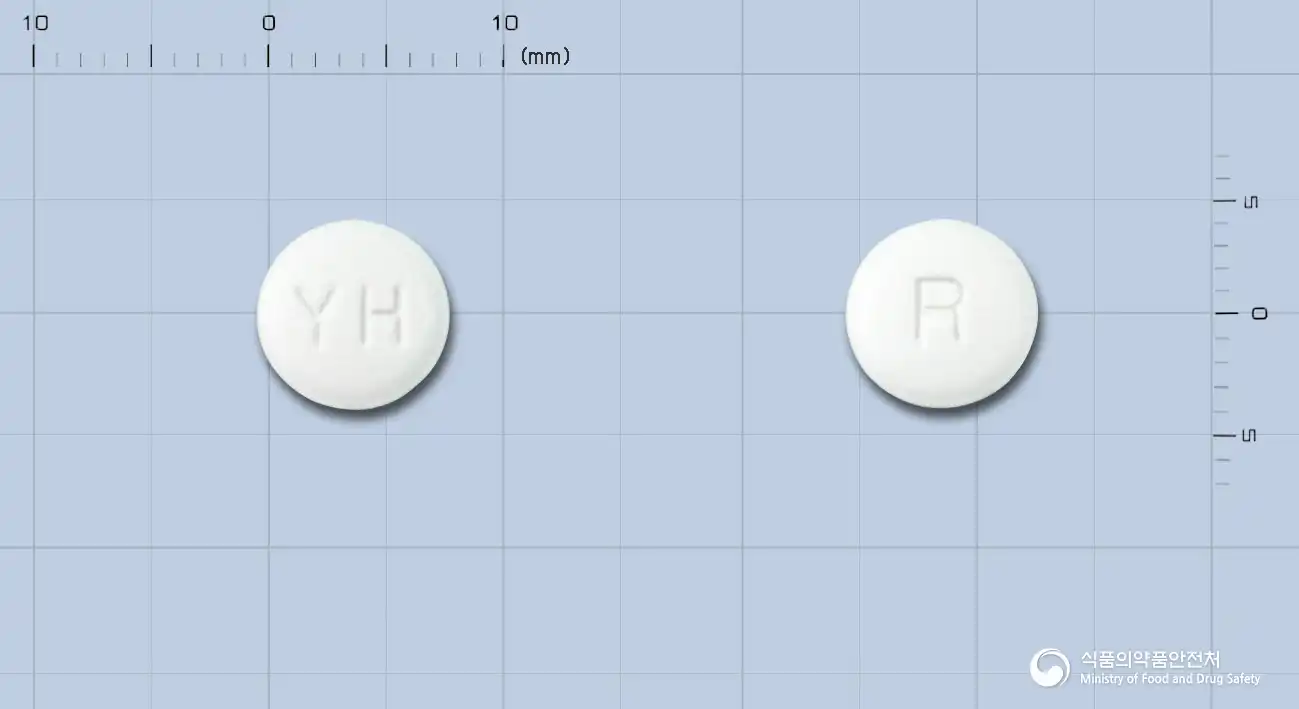 Viewing now
Recomid Tablets (Levamisole)
Rebamipide 100mg
Tablet · Prescription medication
Yuhan Corporation
MFDS item code 200200475 · Notified 2002.11.05 · Insurance code 642100270
Treatment of gastric ulcers and improvement of gastric mucosal lesions in gastritis (acute and during acute exacerbations of chronic gastritis)
This medication is used for the treatment of gastric ulcers and helps improve gastric mucosal lesions such as erosions, bleeding, redness, and swelling that occur during acute exacerbations of acute and chronic gastritis. Therefore, it is used to effectively alleviate inflammation and damage in the stomach, protecting stomach health.
Adults: Administer 100 mg of rebamipide orally per dose, 3 times daily. However, for gastric ulcers, administer in the morning, evening, and at bedtime.
This medication should not be used in patients who have had hypersensitivity reactions to its components. Rarely, serious allergic reactions such as shock or anaphylaxis may occur when taking this medication; if symptoms arise, administration should be stopped immediately, and medical assistance sought. Additionally, since there may be a decrease in white blood cells or platelets, the condition should be monitored through blood tests, and if abnormalities are found, the medication should be discontinued and appropriate treatment sought. There is also a risk of liver function issues, so if liver function test results worsen or jaundice symptoms appear, use should be discontinued. If symptoms such as urticaria, rash, or itching occur on the skin, the medication should also be stopped. Neurological symptoms like dizziness, drowsiness, and numbness may also occur, so caution is required when driving or operating machinery. Gastrointestinal symptoms may include dry mouth, constipation, abdominal bloating, diarrhea, nausea, vomiting, heartburn, abdominal pain, belching, and taste disturbances. If elevated liver enzymes or fever and rash occur, the medication should be stopped immediately, and a doctor's consultation should be sought. Blood disorders can result in decreased platelets and white blood cells, so monitoring for symptoms is necessary. Additionally, rare symptoms may include breast pain, gynecomastia, palpitations, fever, facial flushing, tongue numbness, cough, shortness of breath, hair loss, menstrual irregularities, and swelling. Women who are pregnant or may become pregnant should use this medication only if the benefits of treatment outweigh the risks, as its safety has not been established. Breastfeeding women should avoid this medication as it may be transmitted through breast milk. Caution is needed for children, especially low-birth-weight infants, neonates, toddlers, and young children, as its safety has not been fully confirmed. Elderly individuals may have decreased bodily function, so it is important to closely observe for side effects such as gastrointestinal symptoms. This medication should be stored in a safe place out of reach of children, and transferring it to another container should be avoided to prevent accidents or deterioration in quality.
Not everyone experiences these, and they can vary from person to person.
This medication should be stored in a light-resistant, tightly sealed container and kept at room temperature between 1 degree and 30 degrees Celsius. By storing it this way, the components of the medication will not change, and its effectiveness can be well maintained.
White film-coated tablet
30 tablets/bottle, 100 tablets/bottle
Even with the same ingredient, strength, dosage form and how it is taken can differ.
Viewing nowRebamipide 100mg
Tablet · Prescription medication
Yuhan Corporation
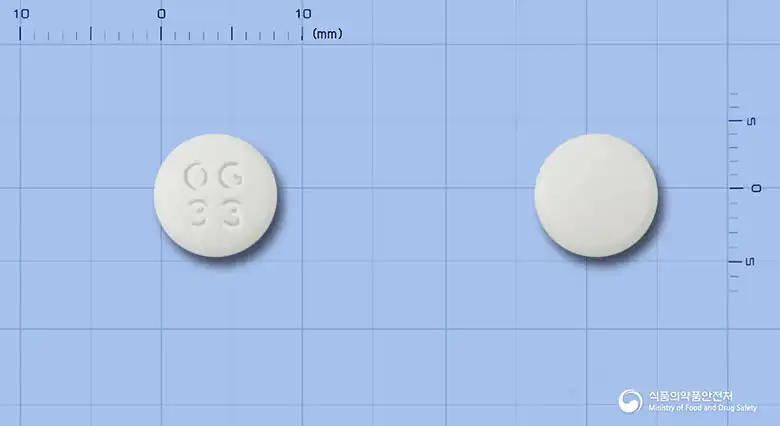
Rebamipide 100mg
Tablet · Prescription medication
Korea Otsuka Pharmaceutical Co., Ltd.
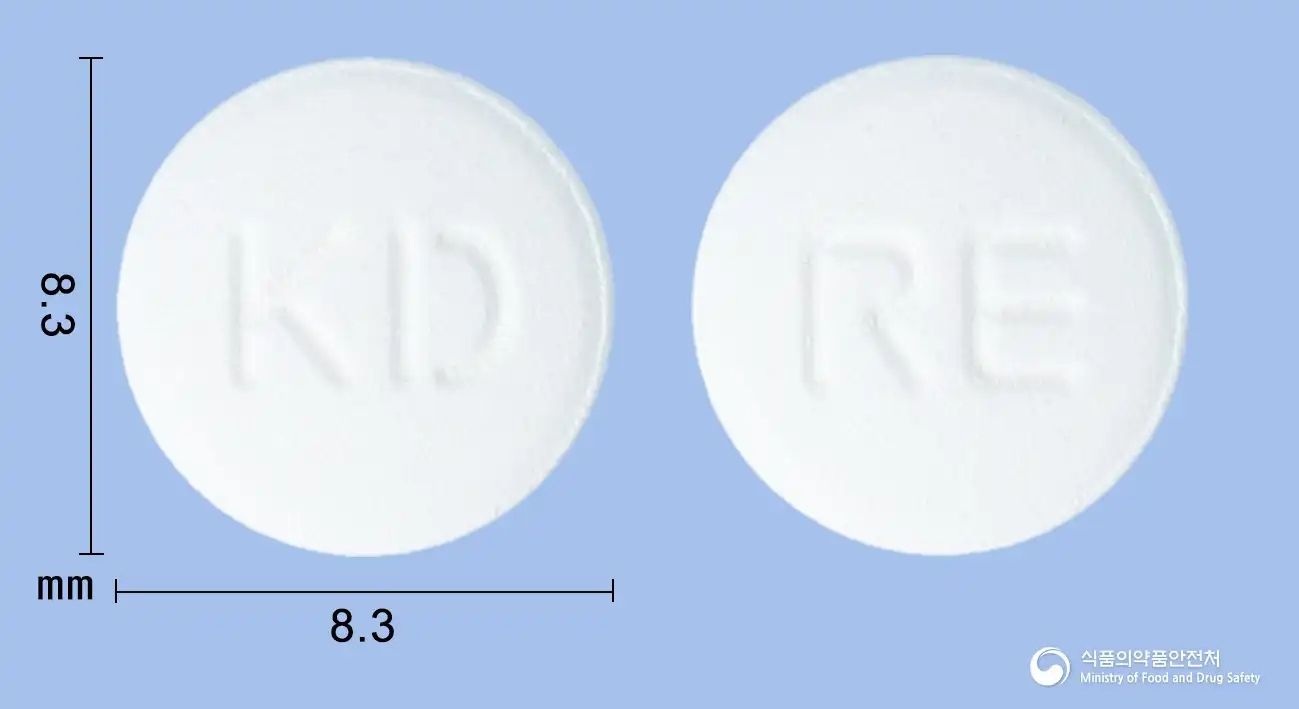
Rebamipide 100mg
Tablet · Prescription medication
Kyungdong Pharmaceutical Co., Ltd.
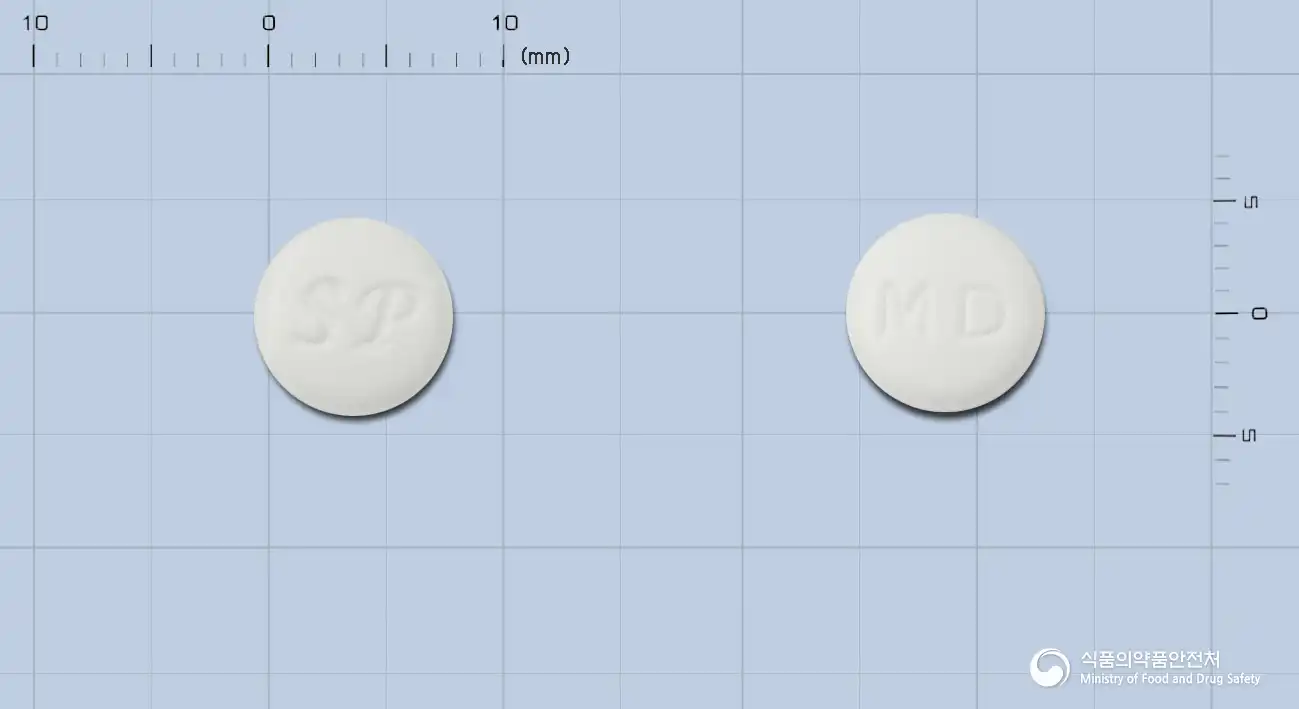
Rebamipide 100mg
Tablet · Prescription medication
Sinphong Pharmaceutical Co., Ltd.
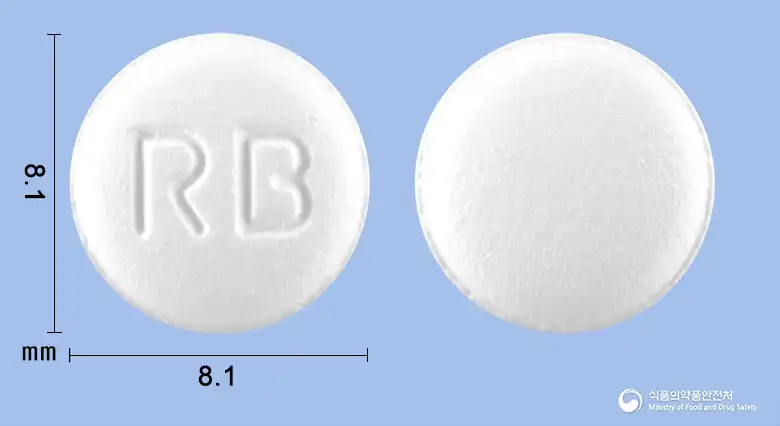
Rebamipide 100mg
Tablet · Prescription medication
Jongkundang Corporation
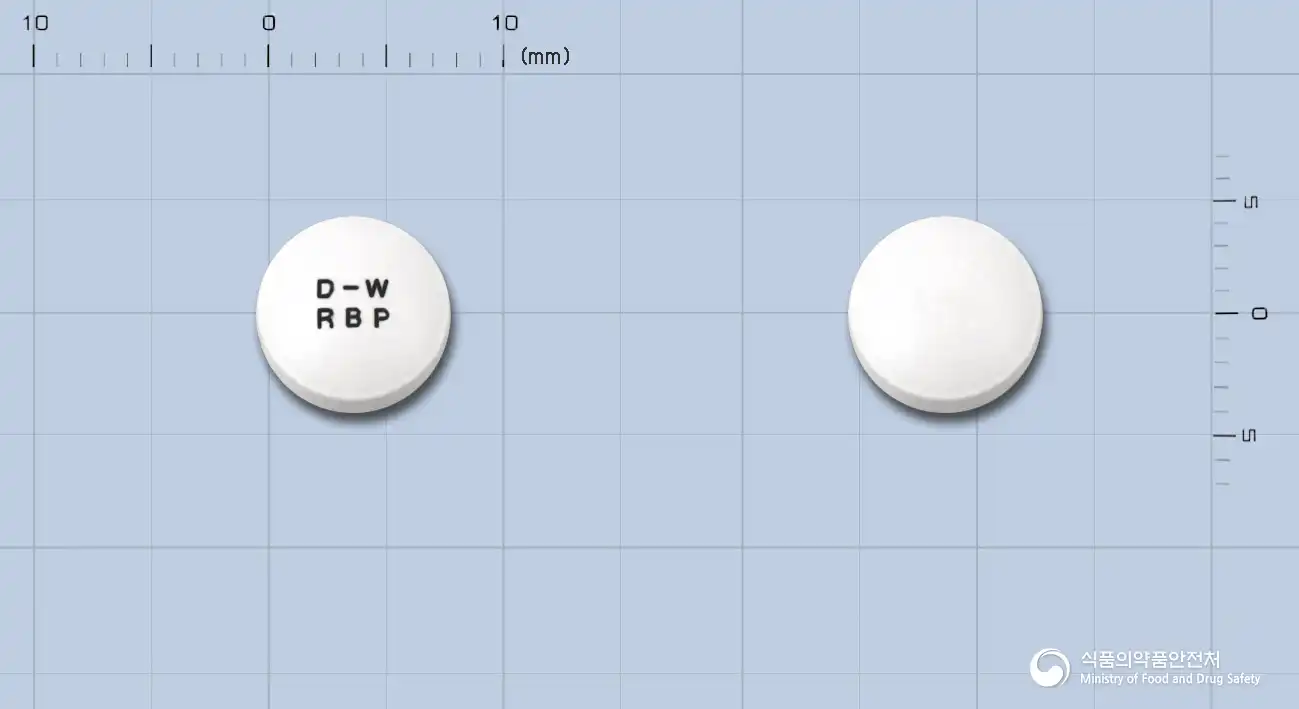
Rebamipide 100mg
Tablet · Prescription medication
Donghwa Pharmaceutical Co., Ltd.
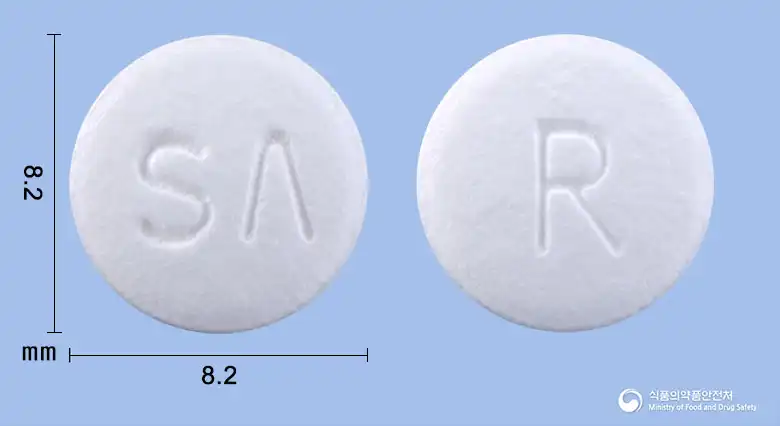
Rebamipide 100mg
Tablet · Prescription medication
Sama Pharmaceutical Co., Ltd.
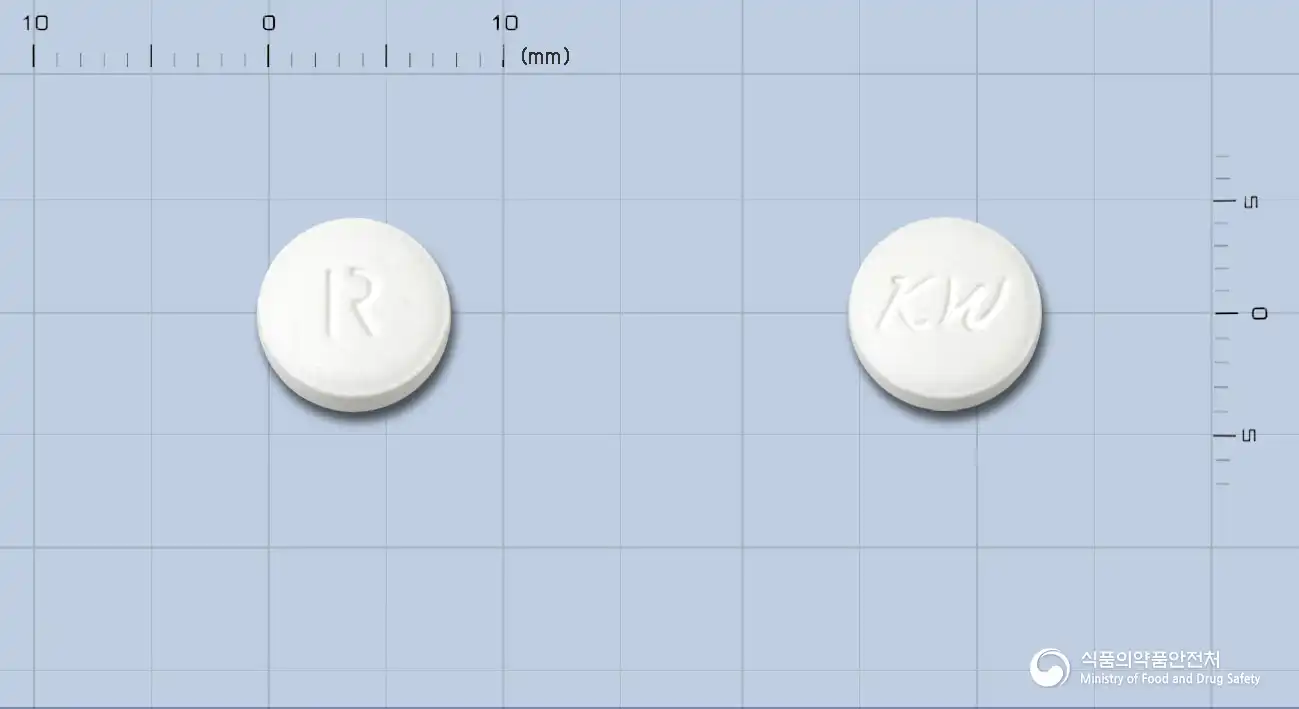
Rebamipide 100mg
Tablet · Prescription medication
Albozen Korea Co., Ltd.
Even with the same ingredient, the dose and directions can differ by strength and dosage form. Talk to a doctor or pharmacist before switching from a medication you are already taking.
No questions yet.
For anything that needs medical judgment, consult a doctor or pharmacist.
This drug information is based on data provided by the Korea Ministry of Food and Drug Safety.
Consult a doctor or pharmacist for accurate dosage, administration, and usage instructions.