
 한국어
 English
 日本語
 中文(简体)
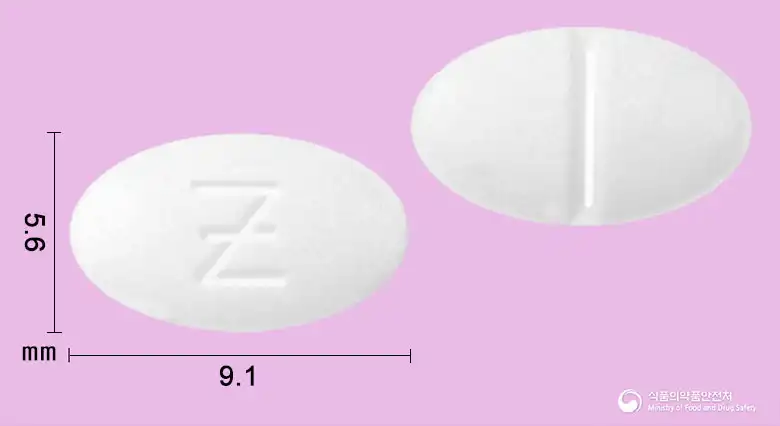 Viewing now
Zacitin 0.25 mg (Alprazolam)
Alprazolam 0.25mg
Tablet · Prescription medication
Medica Korea Co., Ltd.
MFDS item code 200109957 · Approved 1989.08.01 · Insurance code 646002040
Relief of symptoms of anxiety disorders and anxiety (including with coexisting depression), panic disorder, and psychosomatic disorders
This medicine is used for the treatment of anxiety disorders and the short-term alleviation of anxiety symptoms, also effective for anxiety symptoms accompanying depression. It also helps improve anxiety, tension, depression, and sleep disorders appearing in psychosomatic disorders such as gastric or duodenal ulcers, irritable bowel syndrome, and autonomic dysfunction. It is also used to treat panic disorders by alleviating symptoms. In short, this medication is used for anxiety disorders, anxiety related to depression, symptoms related to psychosomatic disorders, and panic disorders.
Individualize the dose to achieve maximum benefit. The usual daily doses listed below are appropriate for most patients, but higher doses may be required. In such cases, increase the dose gradually to avoid adverse reactions. The risk of dependence may increase with dose and duration of treatment. Therefore, administer the lowest effective dose for the shortest duration possible and frequently reassess the need for continued treatment. 1. The initial dose of alprazolam is 0.25-0.5㎎ 3 times daily, with a maximum dose of 4㎎ per day. For elderly patients, patients with hepatic impairment, and debilitated patients, the initial dose is 0.25㎎ 2-3 times daily. Reduce the dose if adverse reactions occur at the initial dose. 2. Psychosomatic disorders Administer 1.2㎎ per day of this drug orally in 3 divided doses. If increasing the dose, increase gradually to a maximum of 2.4㎎ per day, administered orally in 3-4 divided doses. For elderly patients, the initial dose is 0.4㎎ 1-2 times daily, with a maximum dose of 1.2㎎ per day. 3. Panic disorder The initial dose of this drug is 0.5㎎. Depending on the patient's response to treatment, increase by no more than 1㎎ at intervals of 3-4 days to a daily average of 5-6㎎, divided into 3-4 doses. To discontinue treatment, reduce the dose by no more than 0.5㎎ every 3 days; a lower dose reduction may be required in some cases.
This drug is a benzodiazepine that acts on the central nervous system and is used for sedation and anxiety relief. Caution should be taken when taking this drug with narcotics, as it can lead to severe sedation effects, respiratory depression, coma, and, in severe cases, death. Due to the risk of misuse and dependence, this medication should only be used in appropriate doses and for the duration prescribed by a physician, and unused medication should be properly stored and disposed of. This drug should not be administered to patients with hypersensitivity or specific diseases (acute closed-angle glaucoma, severe myasthenia gravis, severe respiratory failure, severe liver failure, etc.). Patients with heart, liver, or kidney problems, as well as the elderly and frail patients, should use this drug with caution due to the higher risk of side effects. This drug can cause drowsiness, dizziness, and decreased concentration, so driving or operating hazardous machinery should be avoided. During long-term use, regular blood tests and liver function tests should be conducted, and sudden discontinuation may cause withdrawal symptoms and seizures, so dosage should be reduced gradually. This drug should be administered cautiously to patients with depression, psychotic symptoms, and suicidal risks, and if abnormal behaviors or mood changes occur, a doctor should be consulted immediately. The effectiveness may be enhanced or the risk of side effects increased when combined with other central nervous system depressants, alcohol, certain antibiotics, antidepressants, etc., so it is essential to inform the physician of all medications being taken. During late pregnancy, it may pose risks to the fetus and newborn, so it should not be administered, and if breastfeeding, administration should be avoided or breastfeeding should be discontinued. In case of overdose, severe drowsiness, respiratory depression, and coma may occur, requiring immediate emergency care. This drug should be kept out of reach of children for safety and stored in its original container to prevent quality degradation and misuse.
Not everyone experiences these, and they can vary from person to person.
This medicine may be sensitive to light, so it should be stored in a tightly sealed container that blocks light. It is also important to keep the medicine at room temperature, avoiding overly hot or cold environments.
White oval tablets
30 tablets/bottle, 300 tablets/bottle
Even with the same ingredient, strength, dosage form and how it is taken can differ.
Viewing nowAlprazolam 0.25mg
Tablet · Prescription medication
Medica Korea Co., Ltd.
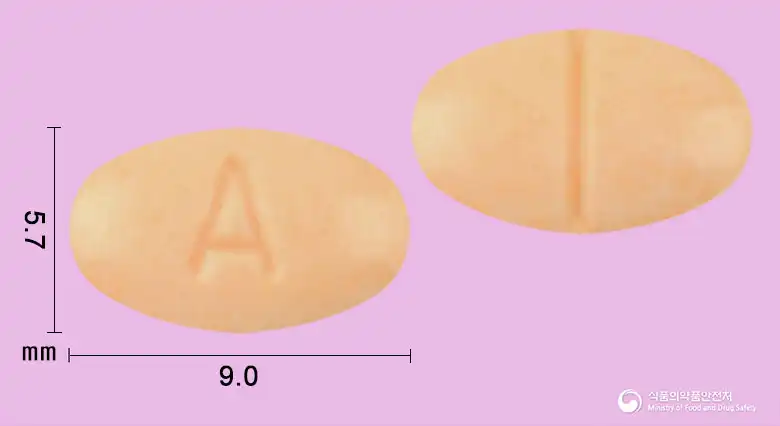
Alprazolam 0.5mg
Tablet · Prescription medication
Hanin Pharmaceutical Co., Ltd.
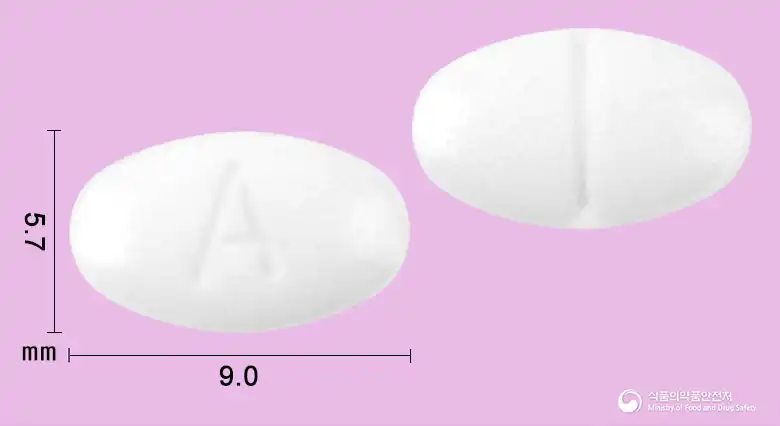
Alprazolam 0.25mg
Tablet · Prescription medication
Han In Pharmaceutical Co., Ltd.
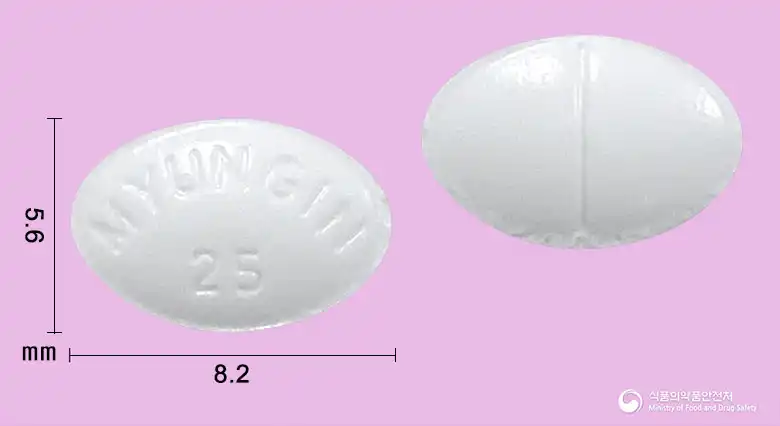
Alprazolam 0.25mg
Tablet · Prescription medication
Myungin Pharmaceutical Co., Ltd.
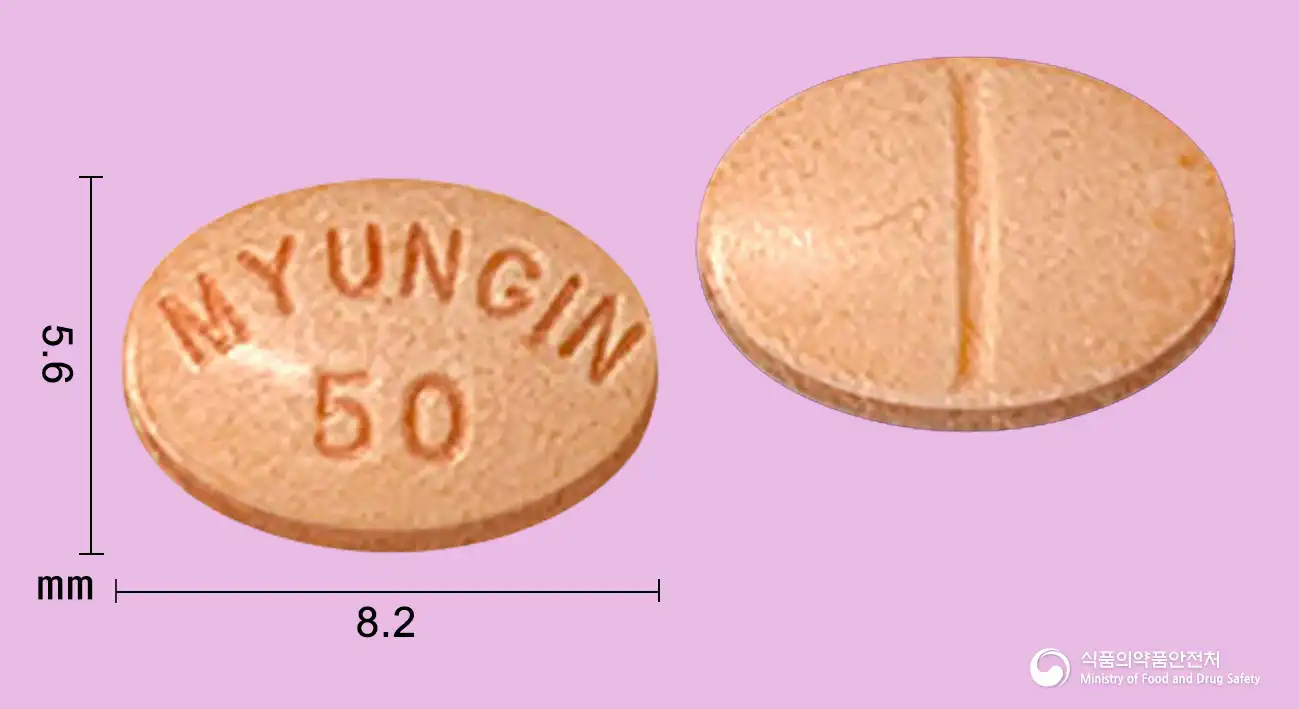
Alprazolam 0.5mg
Tablet · Prescription medication
Myung In Pharmaceutical Co., Ltd.
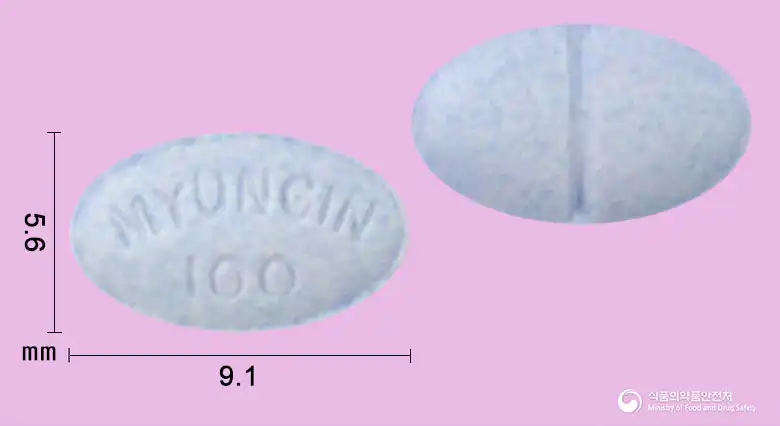
Alprazolam 1mg
Tablet · Prescription medication
Myungin Pharmaceutical Co., Ltd.
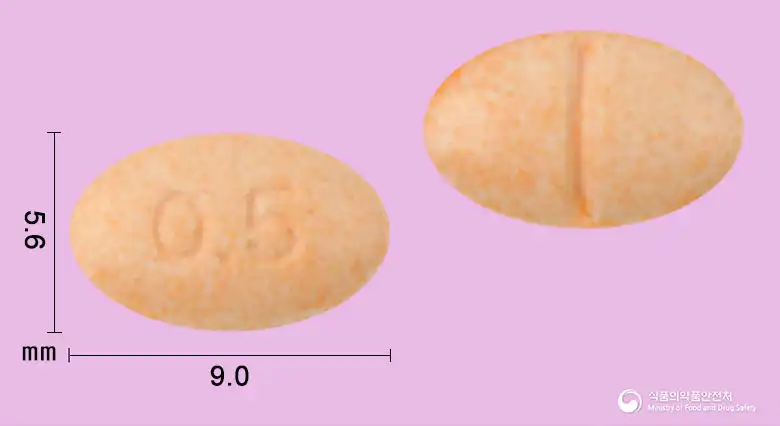
Alprazolam 0.5mg
Tablet · Prescription medication
Kwangdong Pharmaceutical Co., Ltd.
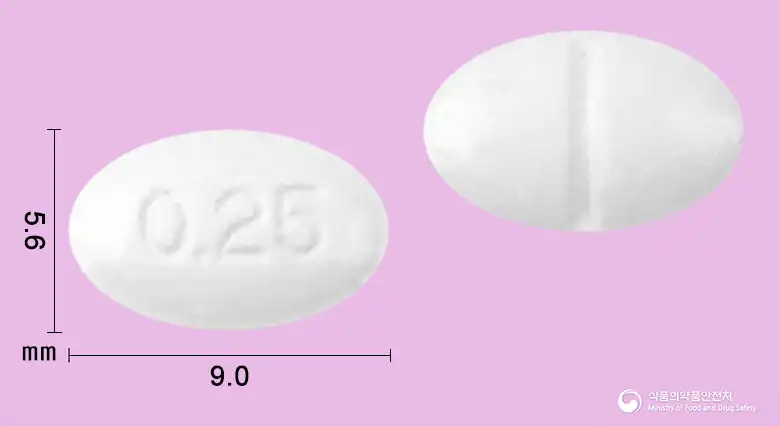
Alprazolam 0.25mg
Tablet · Prescription medication
Kwangdong Pharmaceutical Co., Ltd.
Even with the same ingredient, the dose and directions can differ by strength and dosage form. Talk to a doctor or pharmacist before switching from a medication you are already taking.
No questions yet.
For anything that needs medical judgment, consult a doctor or pharmacist.
This drug information is based on data provided by the Korea Ministry of Food and Drug Safety.
Consult a doctor or pharmacist for accurate dosage, administration, and usage instructions.