
 한국어
한국어 English
 日本語
日本語 中文(简体)
Dosage form image
Viewing nowCombinationAlmata Tablet
Ranitidine Hydrochloride 31.5mg · Magnesium Oxide 50mg +2 more
Tablet · OTC medication · Combination
Nexpharm Korea Co., Ltd.
MFDS item code 200103915 · Notified 2001.05.31
This product's status changed to Expired on 2025.07.01. It may no longer be sold, so consult a doctor or pharmacist before taking it.
Relief of stomach pain and dyspepsia (heartburn, nausea)
This medication is used to relieve gastrointestinal symptoms such as stomach pain, heartburn, dyspepsia, and nausea.
Adults (15 years and older, under 80 years): Take 2 tablets each time, and if symptoms persist for more than 5 hours after taking, you may take another 2 tablets. However, do not exceed 2 doses (4 tablets) in one day.
This medication should not be used by patients with certain diseases, such as blood disorders, kidney or liver diseases, gastrointestinal diseases like peptic ulcer or duodenal diseases, and immunological disorders such as asthma or rheumatoid conditions. These patients may sometimes have a reduced count of leukocytes or platelets. Additionally, patients who are taking steroids, antibiotics, anticancer drugs, or azole antifungals should use this medication with caution due to the risk of decreased blood cell counts. Patients receiving treatment for gastrointestinal diseases may already be taking similar medications like ranitidine, so special care must be taken to avoid duplicate dosing. Individuals with a history of blood disorders such as anemia, thrombocytopenia, or leukopenia may experience further decreases in blood cell counts when taking this medication, so it is advised not to use it. Those with hypersensitivity to histamine H2-receptor antagonists should also avoid using this medication. The safety of this medication has not been established in children, especially those under 15 years of age, so its use is not recommended. Older adults over the age of 80 may experience increased drug concentration due to impaired kidney function, necessitating caution. Pregnant or potentially pregnant women and nursing mothers should not use this medication due to insufficient safety data and the possibility of the drug being excreted in breast milk. Patients undergoing dialysis therapy should not take this medication. Patients who are seeing a doctor or taking other medications should use this medication cautiously, as drug interactions may lead to adverse effects or reduced efficacy. Individuals with drug hypersensitivity should also exercise caution. Patients with sore throat, cough, or high fever may have serious infections, and the use of this medication could exacerbate their symptoms or mask side effects, thus requiring caution. Patients with unexplained weight loss or persistent abdominal pain should consult a physician before taking this medication as there may be other underlying conditions. If symptoms such as rash, itching, swelling, constipation, diarrhea, vomiting, headache, dizziness, or muscle pain occur while taking this medication, it should be stopped immediately and medical advice should be sought. Symptoms such as chest tightness, pallor, cold extremities, sweating, dyspnea, or rash with high fever, as well as severe symptoms affecting the mucosa of the mouth and throat, should be reported to healthcare professionals immediately. If pain in the throat, fever, malaise, whitening of the face and eyelids, or easy bleeding occurs after taking this medication, as well as symptoms of jaundice, the medication should be stopped immediately and medical help should be sought. If symptoms do not improve after 3 days, there may be another condition, so it is advised to stop taking the medication and consult a doctor, and it's best to avoid prolonged use for more than 2 weeks. Alcohol should not be consumed during the use of this medication, and prescribed doses should not be exceeded nor should it be used for other symptoms. Patients with a history of kidney disease must consult healthcare professionals before taking this medication. The antacid components included in this medication may interfere with the absorption of certain antibiotics or antimicrobials, so caution is necessary. Furthermore, combining this medication with other gastrointestinal drugs may enhance efficacy and lead to unexpected side effects, so it is advisable not to combine them. This medication should be stored out of the reach of children, away from direct sunlight and high temperatures, in a cool and dry place. Additionally, to preserve quality, it is important not to transfer it to another container.
Chest tightness, pallor, sweating, dyspnea, severe skin reactions with rash and redness accompanied by high fever, severe skin side effects due to heat, jaundice
Rash, redness, itching, swelling, constipation, diarrhea, vomiting, headache, dizziness, muscle pain, throat pain, fever, malaise, whitening of the inner eyelids, easy bleeding (such as gingival bleeding or nosebleeds)
Not everyone experiences these, and they can vary from person to person.
This medication may be sensitive to air or moisture, so it should be stored in a sealed container. It is best to maintain a storage temperature between 1 degree and 30 degrees Celsius. This will help ensure the medication's effectiveness is preserved.
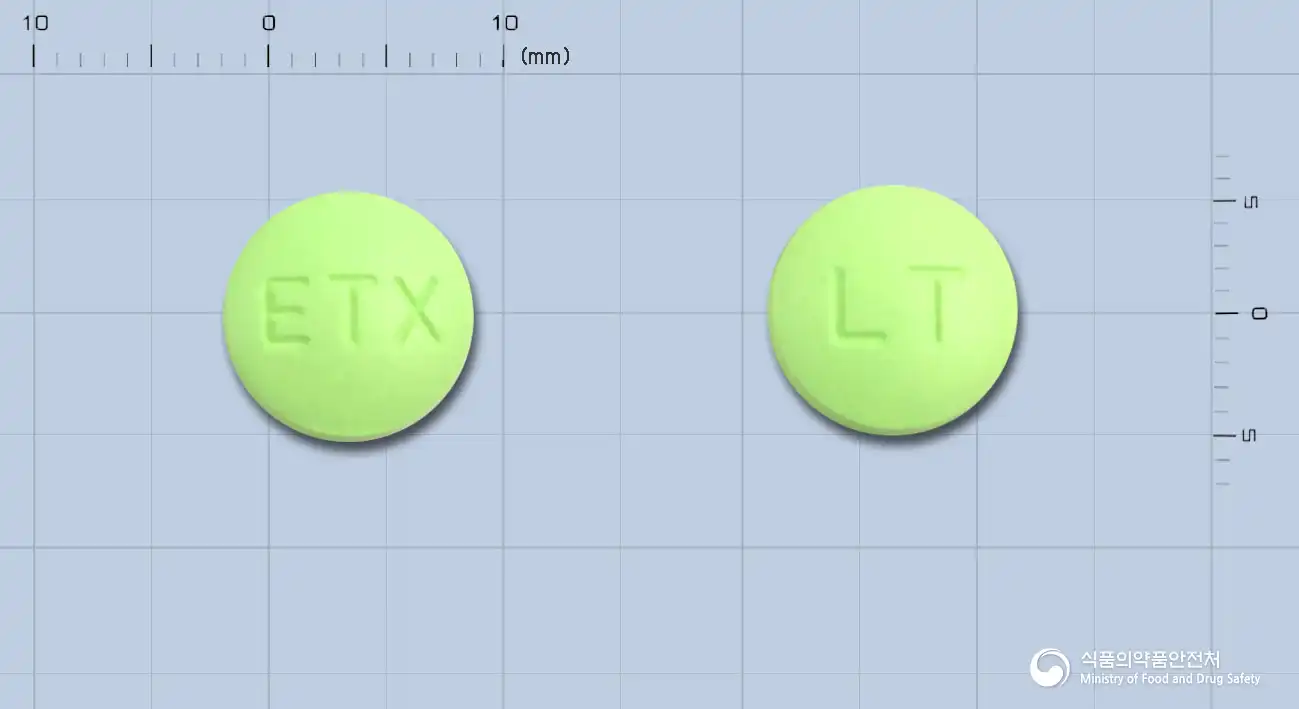
Yellow round film-coated tablets
20 tablets/box (10 tablets/strip x 2), 240 tablets/box (10 tablets/strip x 12 x 2)
Even with the same ingredient, strength, dosage form and how it is taken can differ.
Ranitidine Hydrochloride 31.5mg · Magnesium Oxide 50mg +2 more
Tablet · OTC medication · Combination
Nexpharm Korea Co., Ltd.
Ranitidine Hydrochloride 31.5mg · Magnesium Oxide 50mg +2 more
Tablet · OTC medication · Combination
Ildong Pharmaceutical Co., Ltd.
Ranitidine Hydrochloride 31.5mg · Magnesium Aluminosilicate 125mg +2 more
Tablet · OTC medication · Combination
Il Yang Pharmaceutical Co., Ltd.
Ranitidine Hydrochloride 31.5mg · Magnesium Oxide 50mg +2 more
Tablet · OTC medication · Combination
Jinyang Pharmaceutical Co., Ltd.
 Combination
Ranitidine Hydrochloride 31.5mg · Magnesium Oxide 50mg +2 more
Tablet · OTC medication · Combination
Teragen Etex Co., Ltd.
Ranitidine Hydrochloride 31.5mg · Magnesium Oxide 50mg +2 more
OTC medication · Combination
Youngpoong Pharmaceutical Co., Ltd.
Ranitidine Hydrochloride 31.5mg · Magnesium Oxide 50mg +2 more
Tablet · OTC medication · Combination
Myungmoon Pharmaceutical Co., Ltd.
Ranitidine Hydrochloride 31.5mg · Magnesium Aluminium Hydrate 100mg +2 more
Tablet · OTC medication · Combination
UniMed Pharmaceutical Co., Ltd.
Even with the same ingredient, the dose and directions can differ by strength and dosage form. Talk to a doctor or pharmacist before switching from a medication you are already taking.
No questions yet.
For anything that needs medical judgment, consult a doctor or pharmacist.
This drug information is based on data provided by the Korea Ministry of Food and Drug Safety.
Consult a doctor or pharmacist for accurate dosage, administration, and usage instructions.