
 한국어
 English
 日本語
 中文(简体)
 Viewing now
Prime Tablet (Dexibuprofen D.C.)
Dexibuprofen D.C. 300mg
Tablet · OTC medication
Korea Prime Pharmaceutical Co., Ltd.
MFDS item code 200103882 · Notified 2001.08.02 · Insurance code 663602500
Relief of pain such as that following trauma or surgery; adjunctive treatment of infections; treatment of joint disorders
This medication is effective for various joint diseases, including chronic polyarthritis and rheumatoid arthritis. It also helps alleviate pain and inflammation caused by osteoarthritis and ankylosing spondylitis. It is used to treat painful swelling and inflammation that occur after trauma or surgery, and it assists in the treatment of infections accompanied by inflammation, pain, and fever. It is effective in improving the symptoms of several joint and inflammation-related diseases.
Adults: Administer 300 mg of dexibuprofen orally per dose, 2~4 times a day. However, do not exceed 1,200 mg of dexibuprofen per day.
This medication may cause gastric bleeding if taken regularly by individuals who consume more than three alcoholic drinks per day; therefore, it must be discussed with a doctor or pharmacist. This medication can impact the cardiovascular system, so individuals with a risk of heart disease or stroke should be particularly cautious and regularly monitor their condition for any cardiovascular symptoms. This medication may lead to serious issues such as gastric bleeding, ulcers, or perforations; therefore, individuals with gastrointestinal diseases or the elderly should use it with extra caution. It is safer not to take this medication if one has a history of gastrointestinal ulcers or bleeding, severe liver or kidney disease, heart failure, hypertension, or asthma. Combining this medication with aspirin or other NSAIDs may increase the risk of gastric bleeding; hence it is advisable not to use them together. During breastfeeding, this medication can be transmitted to the baby; therefore, either breastfeeding should be discontinued or the medication should be stopped. Caution is also needed when driving or operating machinery as dizziness or fatigue may occur during use. Individuals with blood disorders, liver or kidney issues, hypertension, heart failure, or allergies should consult medical staff before taking this medication, and special caution is also required for the elderly and children. If symptoms such as shock, severe skin rashes, breathing difficulties, liver dysfunction, kidney function decline, or psychiatric abnormalities occur during use, the medication should be stopped immediately, and a doctor should be consulted. Regular blood tests and liver and kidney function tests are required for long-term use, and it is recommended to take the minimum effective dose for the shortest duration necessary. During pregnancy, especially after the 20th week, this medication may affect the fetal kidney function; therefore, it should only be used at the minimum required dose and the amniotic fluid condition should be monitored regularly. In case of overdose, regardless of symptoms, immediate medical attention is necessary, and it should be stored out of reach of children, protected from direct sunlight, and kept in a cool, dry place.
Gastrointestinal bleeding, serious cardiovascular thrombotic reactions, myocardial infarction, stroke, bleeding in the stomach or intestines, ulcer, perforation, dyspepsia, abdominal distension, heartburn, epigastric pain, diarrhea, constipation, loss of appetite, nausea, vomiting, abdominal pain, gastric discomfort, esophagitis, esophageal stricture, diverticulitis, nonspecific hemorrhagic colitis, ulcerative colitis, Crohn's disease, peptic ulcer, gastrointestinal bleeding, perforation, bloody stools, gastritis, pancreatitis, thirst, stomatitis, erythema multiforme, systemic lupus erythematosus, hair loss, angioedema, Stevens-Johnson syndrome, toxic epidermal necrolysis, eosinophilia, drug rash, acute generalized exanthematous pustulosis, rash, urticaria, pruritus, purpura, asthma attack, eczema, anaphylactic reaction, photosensitivity reaction, jaundice, elevated ALT, elevated AST, increased ALP, abnormal liver function, hepatitis, rhinitis, bronchospasm, acute pneumonia, neglect, cancer invasion, hearing loss, tinnitus, taste disturbance, fatigue, drowsiness, headache, dizziness, anxiety, restlessness, confusion, depression, aseptic meningitis, psychosis, agitation, excitement, disorientation, reversible toxic dyskinesia, hypotension, hypertension, palpitations, acute renal failure, oliguria, hematuria, increased urinary protein, increased BUN, elevated serum creatinine, hyperkalemia, decreased urine output, generalized edema, dyspnea, lethargy, renal papillary necrosis, nephrotic syndrome, interstitial nephritis, peripheral edema, acute pulmonary edema, fluid retention, Kohn's syndrome, reduced female fertility, periorbital edema, malaise, fever, nosebleeds, exacerbation of inflammation, anaphylactic shock, agitation, facial swelling, dyspepsia, pruritus, diarrhea, vomiting
Not everyone experiences these, and they can vary from person to person.
Do not take this medication with aspirin, other non-steroidal anti-inflammatory drugs, or high doses of methotrexate. Corticosteroids, alcohol, digoxin, phenytoin, probenecid, sulfinpyrazone, sulfonylureas, ACE inhibitors or angiotensin II receptor antagonists, diuretics, lithium, coumarin anticoagulants (such as warfarin), baclofen, immunosuppressants (such as cyclosporine, tacrolimus, sirolimus),
This medication should be stored in a tightly sealed container to prevent exposure to air or moisture. It is important to maintain storage temperatures between 1 degree and 30 degrees Celsius.
Pink rectangular film-coated tablet
30 tablets/bottle, 200 tablets/bottle
Even with the same ingredient, strength, dosage form and how it is taken can differ.
Viewing nowDexibuprofen D.C. 300mg
Tablet · OTC medication
Korea Prime Pharmaceutical Co., Ltd.
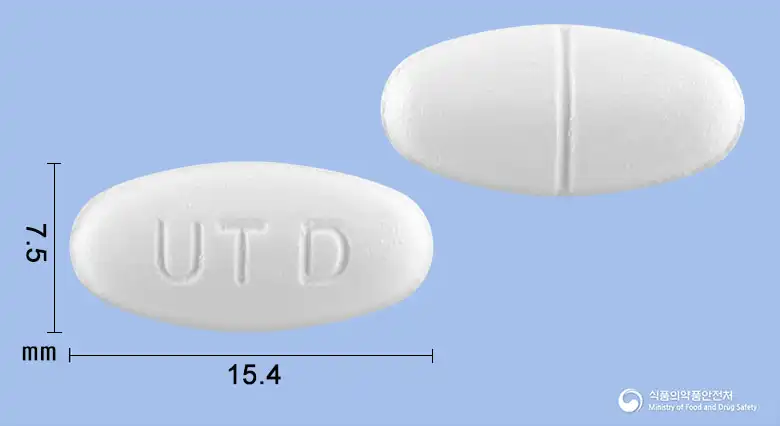
Dexibuprofen D.C. 300mg
Tablet · OTC medication
Korea United Pharm., Co., Ltd.
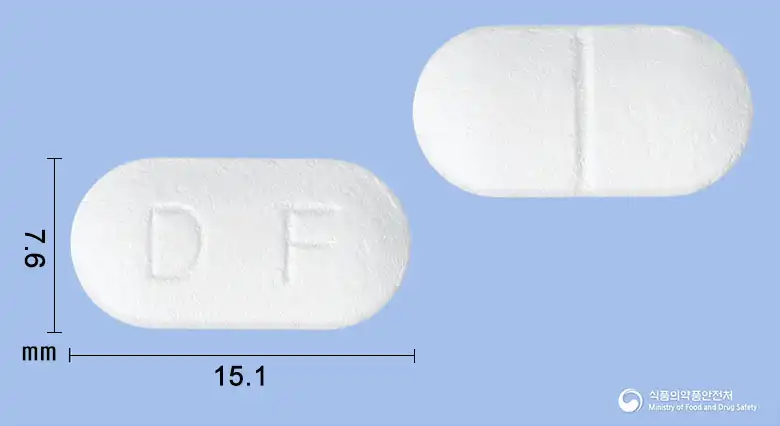
Dexibuprofen D.C. 400mg
Tablet · Prescription medication
Unimed Pharmaceutical Co., Ltd.
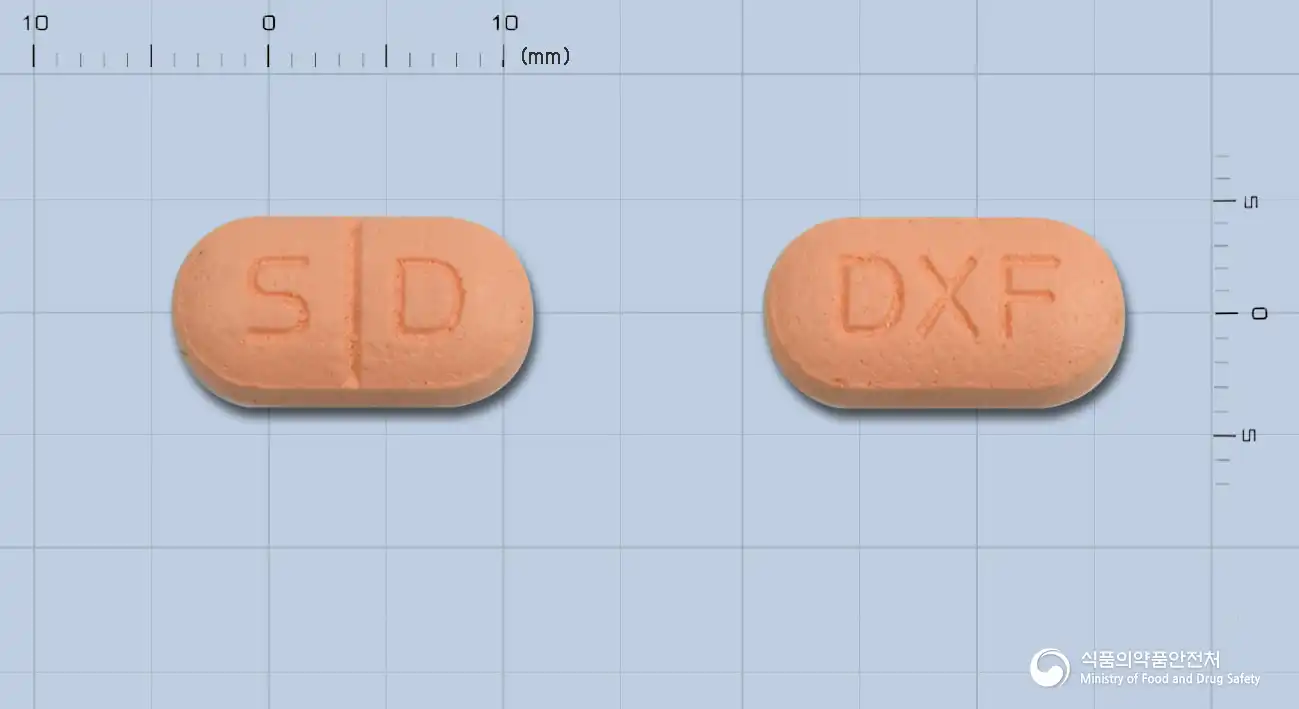
Dexibuprofen D.C. 400mg
Tablet · Prescription medication
Pharmgen Science Co., Ltd.

Dexibuprofen D.C. 400mg
Tablet · Prescription medication
Celix Co., Ltd.
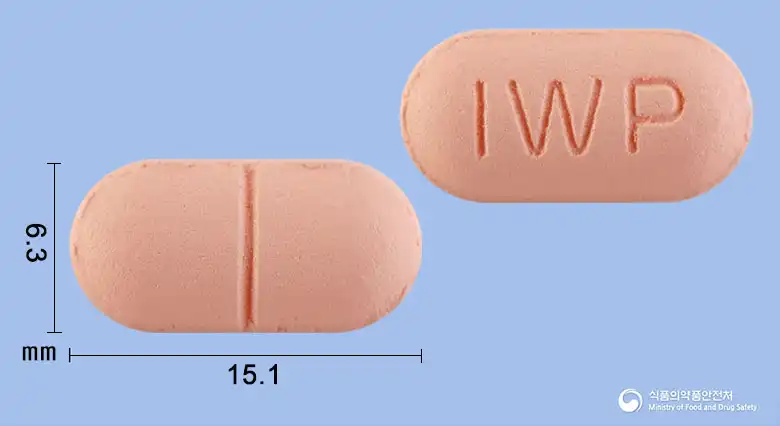
Dexibuprofen D.C. 400mg
Tablet · Prescription medication
iWorld Pharmaceutical Co., Ltd.
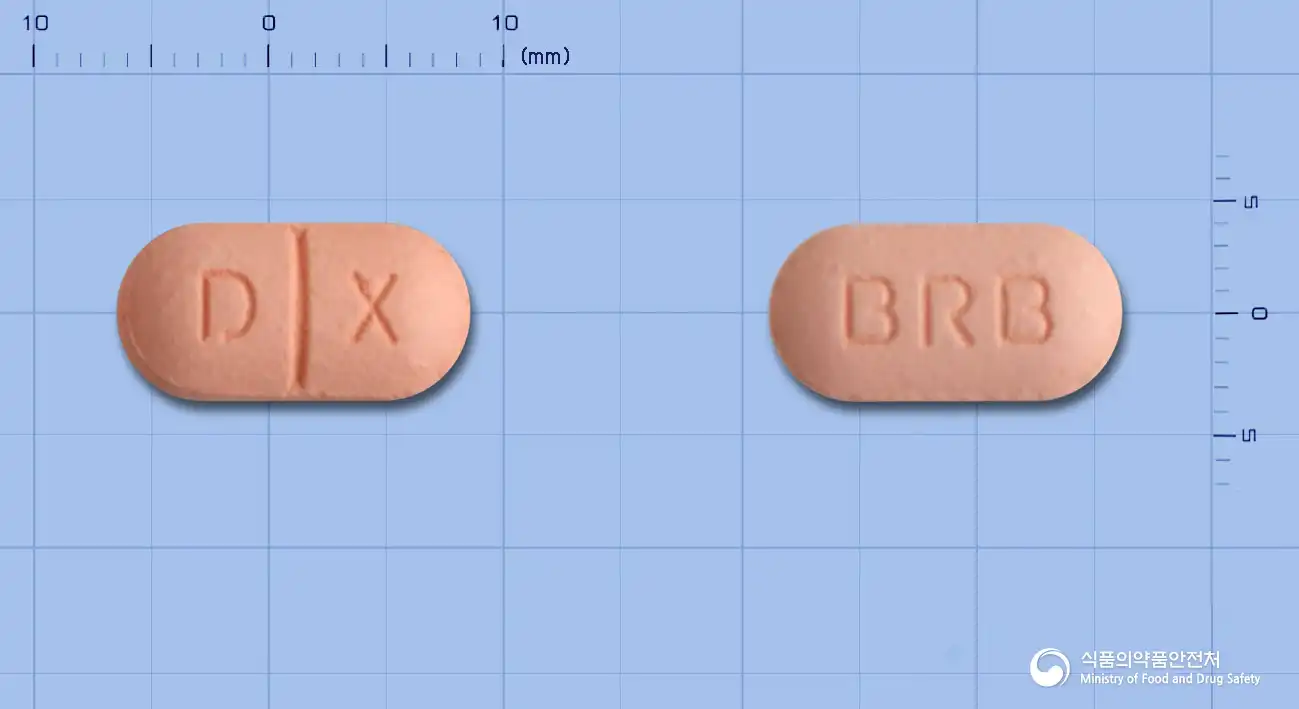
Dexibuprofen D.C. 400mg
Tablet · Prescription medication
Boryung Biopharma Co., Ltd.
Dexibuprofen D.C. 400mg
Tablet · Prescription medication
Celltrion Pharmaceutical Co., Ltd.
Even with the same ingredient, the dose and directions can differ by strength and dosage form. Talk to a doctor or pharmacist before switching from a medication you are already taking.
No questions yet.
For anything that needs medical judgment, consult a doctor or pharmacist.
This drug information is based on data provided by the Korea Ministry of Food and Drug Safety.
Consult a doctor or pharmacist for accurate dosage, administration, and usage instructions.