
 한국어
 English
 日本語
 中文(简体)
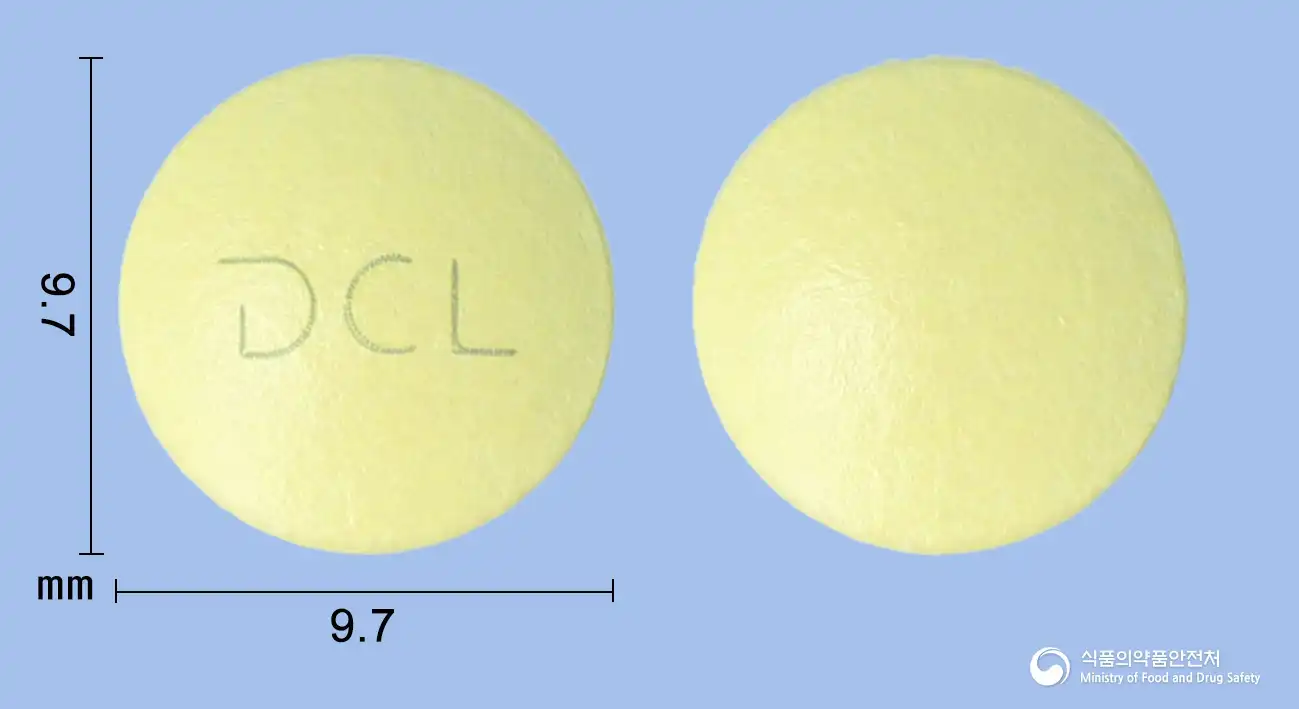 Viewing now
Campbell Tablet (Bangpung-tongseong-san Dry Extract)
Bangpungtongsungsan Dried Extract (4.64→1) 237.5mg
Tablet · OTC medication
Daehan New Pharm Co., Ltd.
MFDS item code 200103653 · Notified 2001.09.25
Improvement of obesity, swelling, constipation, and symptoms associated with hypertension (such as palpitations)
Patients with excess subcutaneous fat in the abdomen and constipation may experience symptoms such as palpitations, shoulder stiffness, and facial flushing due to hypertension. Additionally, symptoms of obesity, body swelling, and constipation can occur, requiring attention. These symptoms can affect overall health, making proper management and treatment important. This medicine is used to improve symptoms of hypertension, obesity, swelling, and constipation.
Adults: The usual dose is 4 tablets 3 times a day before meals or between meals.
This medicine should not be taken by women who are pregnant or may become pregnant. This is because the rhubarb component contained in this medicine can cause contractions in the uterus or engorgement of pelvic organs, increasing the risk of miscarriage or premature birth. Moreover, nursing women should also avoid taking this medicine. Certain ingredients in rhubarb can be transferred through breast milk and cause diarrhea in infants, so nursing should be avoided or breastfeeding should be halted during use. It is advisable not to take this medicine concurrently with other laxatives, as interactions may cause side effects. Individuals with hypertension, heart disease, kidney disease, or edema, or elderly patients, should consult a healthcare professional before taking this medicine, as it can affect electrolyte balance and blood pressure. Additionally, those with a weak stomach or symptoms such as appetite loss, nausea, or vomiting should consult an expert before taking this medicine, as it can irritate the stomach and worsen symptoms. Diabetics should exercise caution, as some components of this medicine may raise blood sugar levels. This medicine contains a dye called Yellow No. 4 (Tartrazine), so those with allergic reactions to this substance should take it with caution. If symptoms such as facial or limb swelling, increased blood pressure, headache, weakness, muscle cramps, rash, insomnia, excessive sweating, urinary disturbances, or liver dysfunction occur during use, discontinue taking it immediately and consult a healthcare professional. If symptoms do not improve and the medicine is taken for more than one month without effect, it should be discontinued and an expert should be consulted. This medicine is generally not intended for long-term use; however, if long-term use is necessary, it should be supervised by an expert. As a stimulant laxative, continuous use for more than one week can lead to tolerance or worsening constipation. The prescribed dosage and administration must be strictly adhered to, as the effects of rhubarb can vary from person to person. When used with other herbal preparations, attention should be paid to ingredient overlap, especially when used with preparations containing rhubarb, which requires extra caution. When taken with ephedra, ephedrine, MAO inhibitors, thyroid preparations, catecholamine agents, or xanthine derivatives, side effects such as insomnia, excessive sweating, rapid heart rate, and palpitations may occur, requiring dosage adjustments. When used with potassium-containing preparations, glycyrrhizin-containing preparations, loop and thiazide diuretics, attention should be paid as hypokalemia or muscle symptoms may occur. When administering to children, it should be done under the supervision of a guardian. Store in a sealed container away from direct sunlight and moisture, and keep out of the reach of children. Also, transferring the medicine from its original container to another can lead to quality deterioration or risk of misuse, so it should be stored in its original container.
Not everyone experiences these, and they can vary from person to person.
This medicine should be stored in a sealed container to protect it from air and moisture. It is best to maintain the storage temperature at room temperature, avoiding extremes.
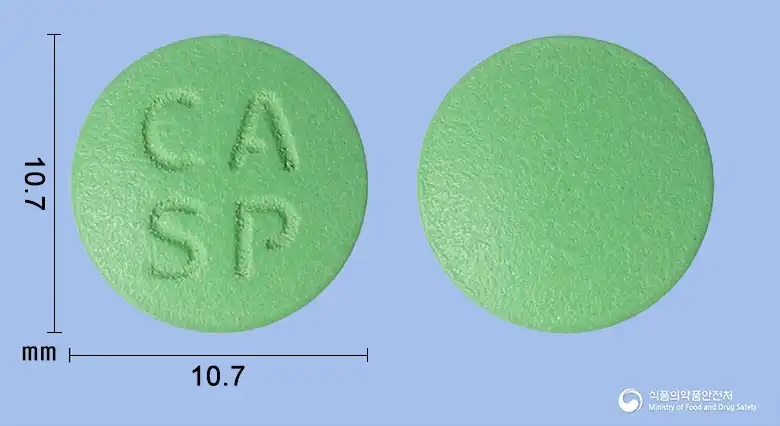
Round film-coated tablets, pale to pale yellow
500 tablets/bottle
Even with the same ingredient, strength, dosage form and how it is taken can differ.
Viewing nowBangpungtongsungsan Dried Extract (4.64→1) 237.5mg
Tablet · OTC medication
Daehan New Pharm Co., Ltd.
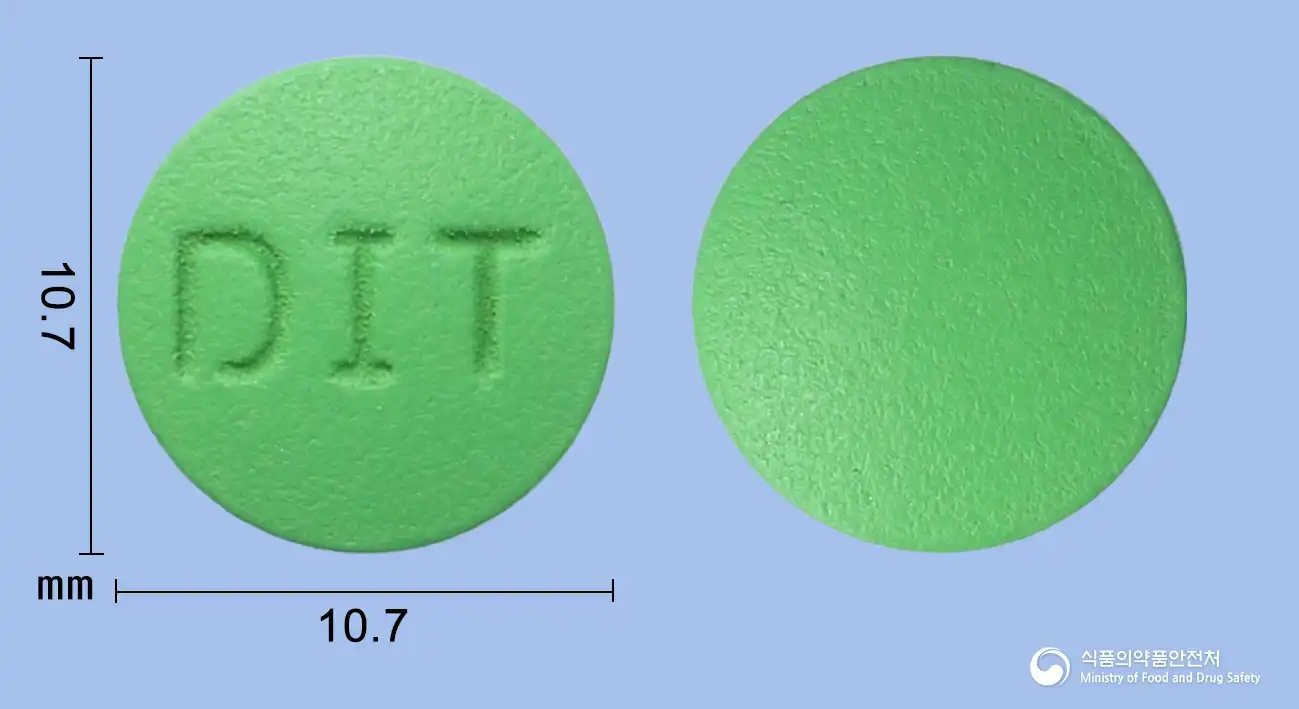
Bangpungtongsungsan Dried Extract (4.64→1) 237.5mg
Tablet · OTC medication
Daewon Pharmaceutical Co., Ltd.
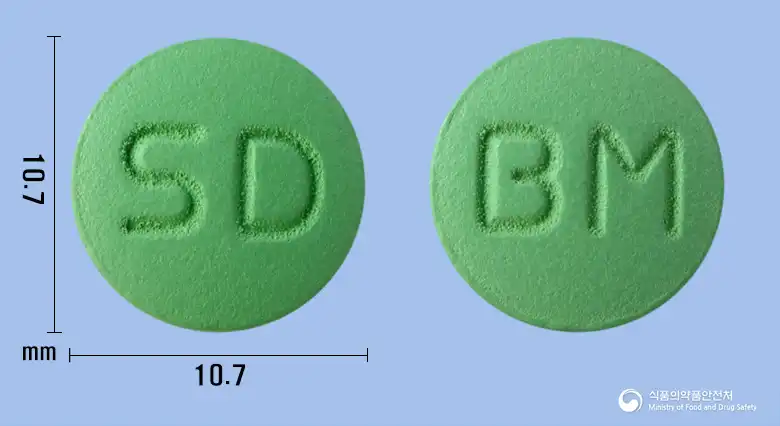
Bangpungtongsungsan Dried Extract (4.64→1) 237.5mg
Tablet · OTC medication
Pharmgen Science Co., Ltd.
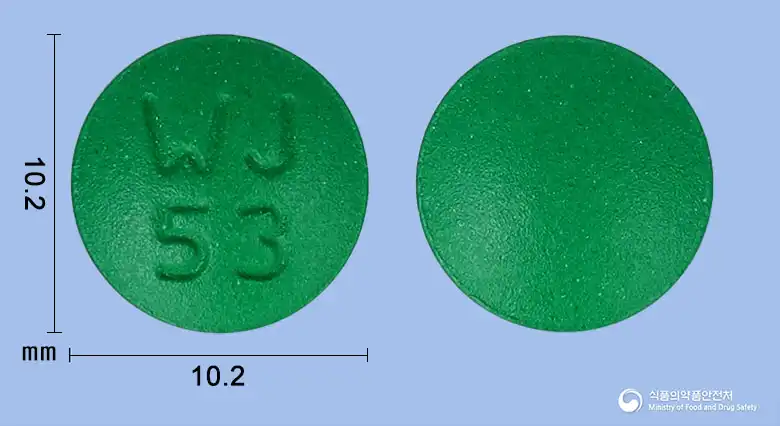
Bangpungtongsungsan Dried Extract (4.64→1) 237.5mg
Tablet · OTC medication
Austin Pharmaceutical Co., Ltd.
Bangpungtongsungsan Dried Extract (4.64→1) 237.5mg
Tablet · OTC medication
Joah Pharmaceutical Co., Ltd.
Bangpungtongsungsan Dried Extract (4.64→1) 237.5mg
Tablet · OTC medication
R.P. Bio Co., Ltd.
Even with the same ingredient, the dose and directions can differ by strength and dosage form. Talk to a doctor or pharmacist before switching from a medication you are already taking.
No questions yet.
For anything that needs medical judgment, consult a doctor or pharmacist.
This drug information is based on data provided by the Korea Ministry of Food and Drug Safety.
Consult a doctor or pharmacist for accurate dosage, administration, and usage instructions.