
 한국어
한국어 English
 日本語
日本語 中文(简体)
 Viewing nowCombination
Sky Tablet
Scopolamine Butylbromide 10mg · Acetaminophen 500mg
Tablet · OTC medication · Combination
Korea Pavise Pharmaceutical Co., Ltd.
MFDS item code 200102653 · Notified 2001.03.19
Relief of gastrointestinal colicky pain and dysfunction of the female reproductive system (dysmenorrhea, etc.)
This medication helps alleviate sudden pain caused by gastrointestinal diseases and spastic pain occurring in the biliary tract and urinary tract. It is also used to improve pain from dysfunction of the female reproductive system and dysmenorrhea. Overall, it effectively alleviates abdominal pain and spastic pain, contributing to improving the quality of life of patients.
Adults should take 1-2 tablets orally three times a day. The maximum daily dose should not exceed 6 tablets.
This medicine should not be used by patients with severe renal impairment. Patients with the genetic disease known as glucose-6-phosphate dehydrogenase deficiency should also avoid taking this medicine. Patients with glaucoma, benign prostatic hyperplasia, pyloric stenosis, paralytic ileus, myasthenia gravis, toxic megacolon, or tachyarrhythmias should also refrain from using this medicine. Furthermore, individuals with a history of hypersensitivity or asthma associated with this medicine or other cold medications and antipyretic analgesics should not take it. This medicine contains lactose, so individuals with genetic issues such as lactose intolerance, Lapp lactase deficiency, or glucose-galactose malabsorption should not take it. While taking this medication, do not take any other products containing acetaminophen. Exceeding the daily maximum dosage of acetaminophen may cause liver damage. Patients with impaired liver function, those with Gilbert's syndrome, and patients with severe heart disease should use this medicine with caution. While using, blood dyscrasias such as thrombocytopenia or leukopenia, as well as allergic reactions like skin rash, redness, itching, and respiratory distress may occur, so caution is necessary. Gastrointestinal symptoms such as dyspepsia, nausea, vomiting, and constipation may also occur. This medication may cause bronchospasm in patients with a history of bronchial asthma or allergies; therefore, caution is warranted. Additionally, be cautious when driving or operating machinery. People who frequently consume alcohol or are taking certain medications concomitantly may have an increased risk of liver damage, and should consult a doctor. Women in early pregnancy or breastfeeding should exercise special caution when using this medicine, and it is not recommended for children. In case of overdose, liver dysfunction and severe side effects may occur, requiring immediate medical attention and possibly detoxification treatment. If any abnormal symptoms occur while taking this medicine, it is important to stop taking it immediately and consult a healthcare professional.
Hives, severe swelling (Quincke's edema, edema of the larynx, eyelids, lips, etc.), chest tightness, difficulty breathing, cold sweat, pallor, severe rash with fever, redness, blistering like burns, peeling skin, oral/ocular mucosal pain, asthma attack, respiratory changes, urination difficulties, severe edema
Not everyone experiences these, and they can vary from person to person.
Do not take this medicine with other products containing acetaminophen, barbiturates, tricyclic antidepressants, and alcohol. Drugs like warfarin, lithium, thiazide diuretics, tetracyclic antidepressants, antihistamines, antipsychotics, quinidine, amantadine, disopyramide, and other anticholinergic drugs (tiotropium, ipratropium, atropine-like compounds), as well as anti-dopaminergic agents such as metoclopramide, β-agonists, and phenothiazines may increase the risk of adverse effects.
This medicine should be stored in a tightly sealed container to protect it from air and moisture. It is best to maintain a storage temperature between 1 and 30 degrees Celsius to prolong the efficacy of the medicine.
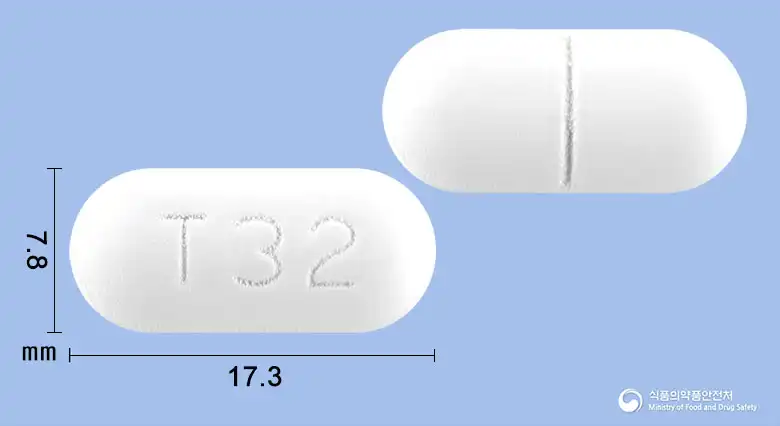
Light blue oval film-coated tablet
10 tablets/PTP
Even with the same ingredient, strength, dosage form and how it is taken can differ.
Viewing nowCombinationScopolamine Butylbromide 10mg · Acetaminophen 500mg
Tablet · OTC medication · Combination
Korea Pavise Pharmaceutical Co., Ltd.
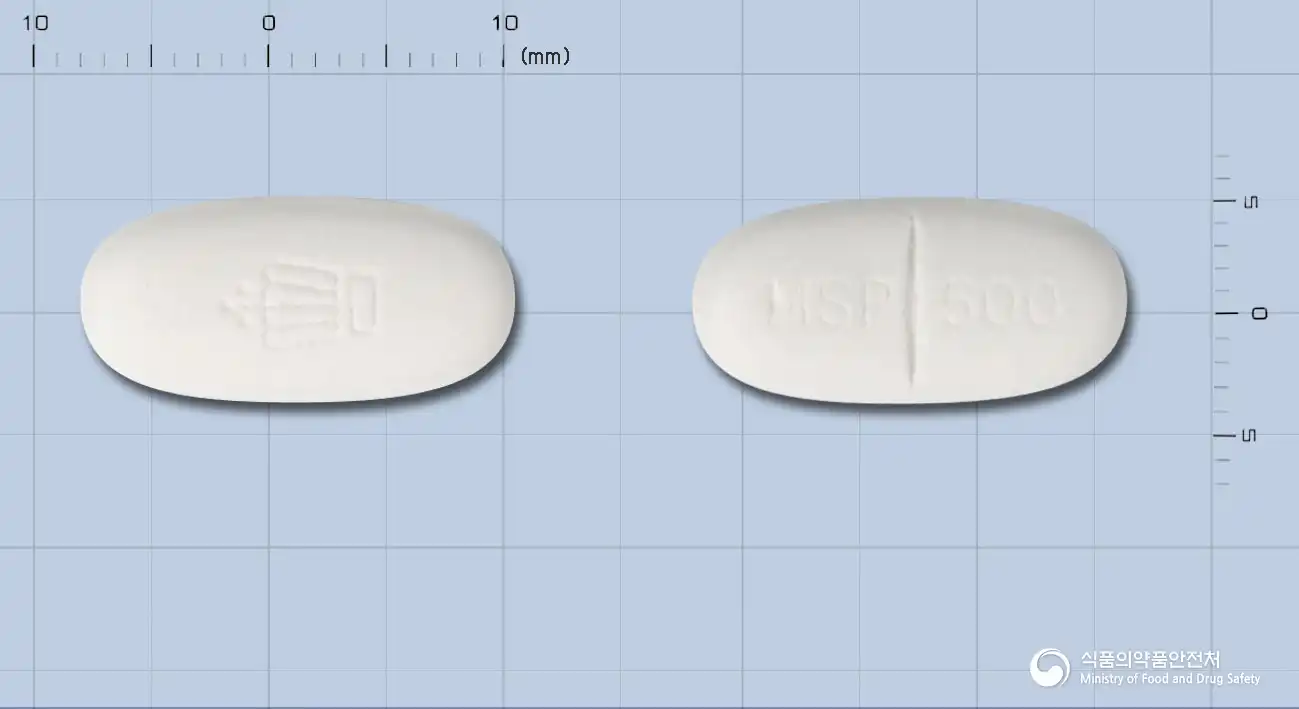 Combination
Scopolamine Butylbromide 10mg · Acetaminophen 500mg
Tablet · OTC medication · Combination
GL Pharma Co., Ltd.
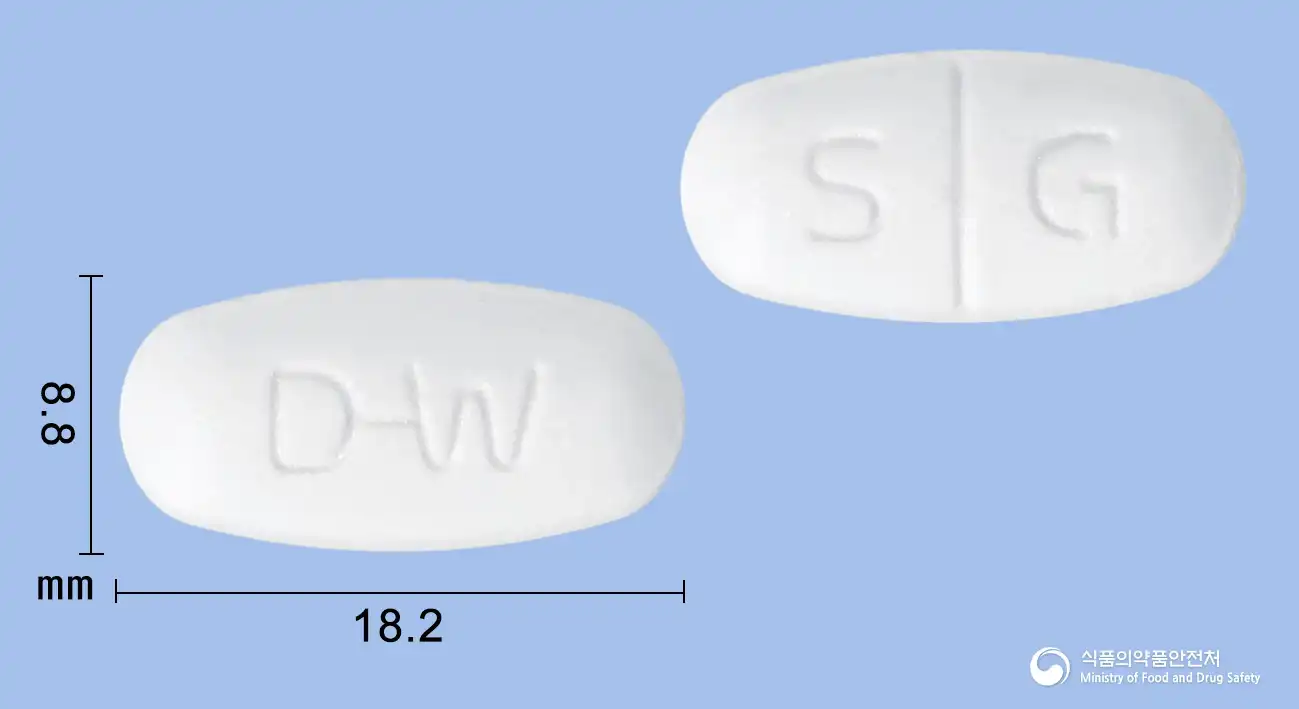 Combination
Acetaminophen 500mg · Scopolamine Butylbromide 10mg
Tablet · OTC medication · Combination
Donghwa Pharmaceutical Co., Ltd.
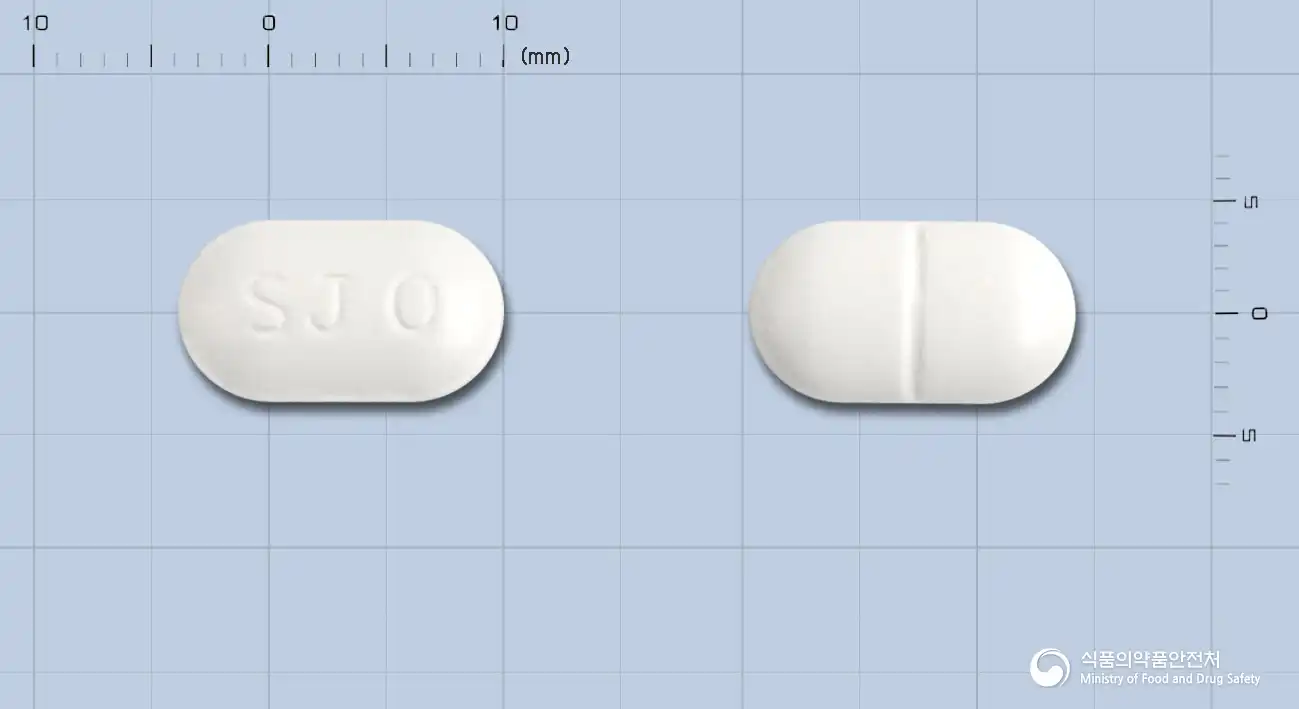 Combination
Acetaminophen 500mg · Scopolamine Butylbromide 10mg
Tablet · OTC medication · Combination
Samjin Pharmaceutical Co., Ltd.
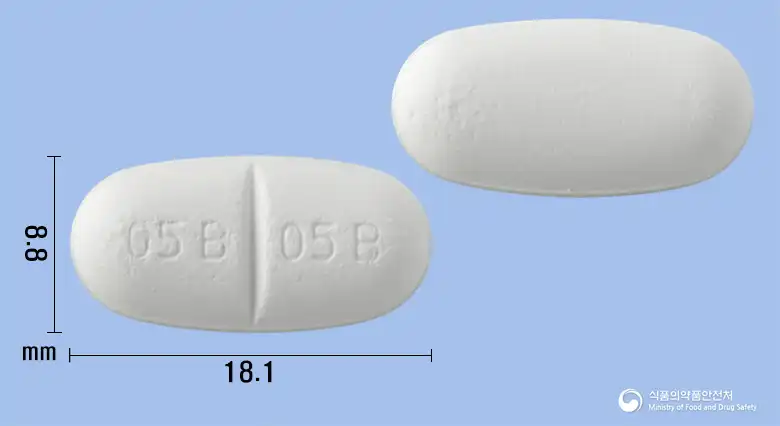 Combination
Scopolamine Butylbromide 10mg · Acetaminophen 500mg
Tablet · OTC medication · Combination
Opella Healthcare Korea Co., Ltd.
 Combination
Acetaminophen 500mg · Scopolamine Butylbromide 10mg
Tablet · OTC medication · Combination
Hansol Pharmaceutical Co., Ltd.
Even with the same ingredient, the dose and directions can differ by strength and dosage form. Talk to a doctor or pharmacist before switching from a medication you are already taking.
No questions yet.
For anything that needs medical judgment, consult a doctor or pharmacist.
This drug information is based on data provided by the Korea Ministry of Food and Drug Safety.
Consult a doctor or pharmacist for accurate dosage, administration, and usage instructions.