
 한국어
 English
 日本語
 中文(简体)
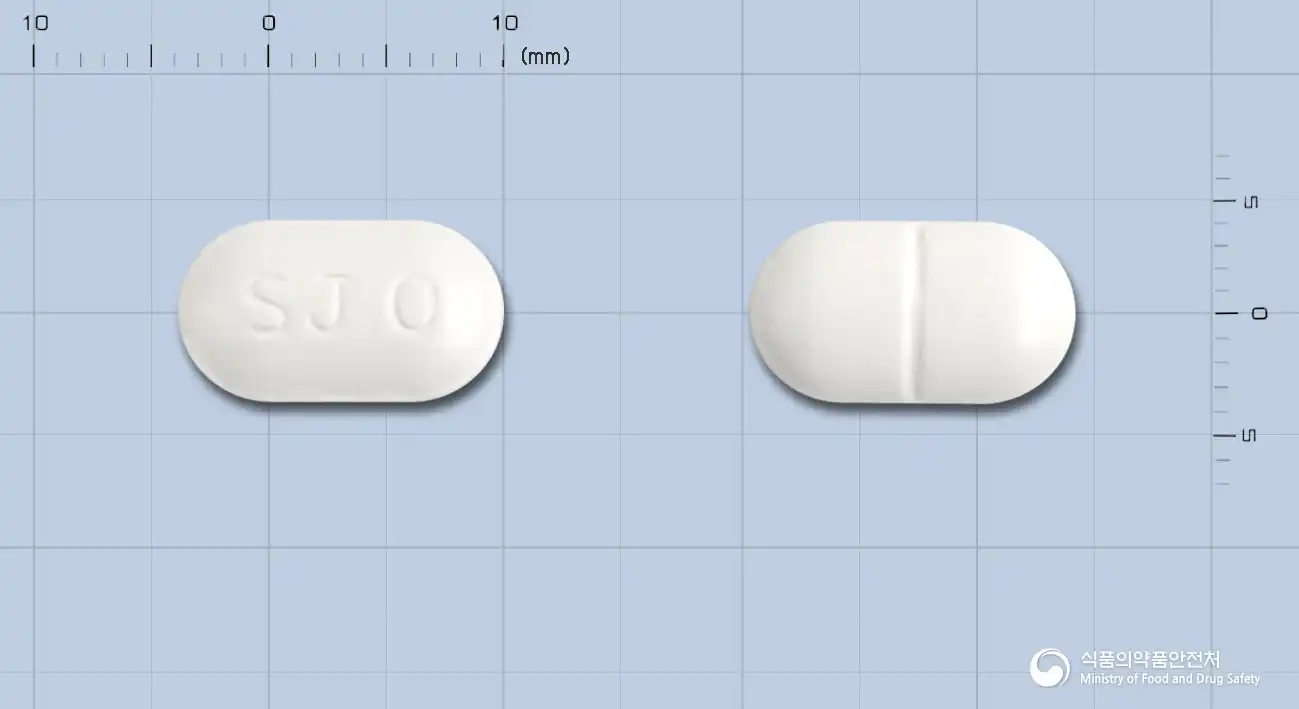 Viewing nowCombination
Pona Min Tablet
Acetaminophen 500mg · Scopolamine Butylbromide 10mg
Tablet · OTC medication · Combination
Samjin Pharmaceutical Co., Ltd.
MFDS item code 200101555 · Notified 2001.07.06
Relief of gastrointestinal and biliary tract pain, spasmodic pain of the female reproductive organs (dysmenorrhea), and urinary tract pain
This medication helps to relieve spasmodic pain caused by gastrointestinal disorders and pain associated with biliary issues. It is also used to alleviate functional disorders of the urinary system and female reproductive system, particularly spasmodic pain related to dysmenorrhea. By improving such pain, it contributes to enhancing the quality of life for patients.
Adults: Administer 1–2 tablets orally 3 times daily. Do not exceed a maximum daily dose of 6 tablets.
This medication can put stress on the liver, so individuals who regularly consume more than three alcoholic beverages a day must consult a doctor or pharmacist before taking it. This medication contains acetaminophen, and taking it with other products that also contain acetaminophen may increase the risk of liver damage, so they should not be taken together. Patients with severe renal impairment, certain blood disorders, glaucoma, benign prostatic hyperplasia, bowel obstruction, or past allergic reactions to this medication should not take it. Patients with poor liver function or specific hereditary diseases and heart conditions should use this medication cautiously and it is essential to consult a doctor before taking it. The use of this medication may result in various side effects such as decreased blood cell count, allergic reactions, digestive disorders, thirst, dizziness, skin rashes, so if any abnormal symptoms occur, discontinue use immediately and consult a professional. Individuals with a history of bronchial asthma or allergies should be cautious as bronchospasm may occur when taking this medication, and driving or operating dangerous machinery should be avoided. The risk of liver damage may increase when taken with alcohol or certain medications, so individuals taking such medications should consult with a doctor. Women in early pregnancy or nursing should be careful when using this medication, particularly with prolonged use of high doses during breastfeeding, as it may affect the baby, so consulting a professional is necessary. This medication is not recommended for children. In case of overdose, severe symptoms such as vomiting, sweating, and liver function decline may appear, and appropriate treatment should be sought immediately at a hospital.
Not everyone experiences these, and they can vary from person to person.
This medication should not be taken with other products that contain acetaminophen, barbiturates, tricyclic antidepressants, alcohol, anticonvulsants, or rifampicin. Consult a doctor or pharmacist if taken with antihistamines, quinidine, amantadine, disopyramide, metoclopramide, dopamine antagonists, β-agonists, propantheline, chloramphenicol, oral anticoagulants, or zidovudine.
This medication should be stored in a sealed container to prevent air ingress and kept between 1 to 30 degrees Celsius at room temperature. Proper storage will maintain the effectiveness of the medication and prevent deterioration.
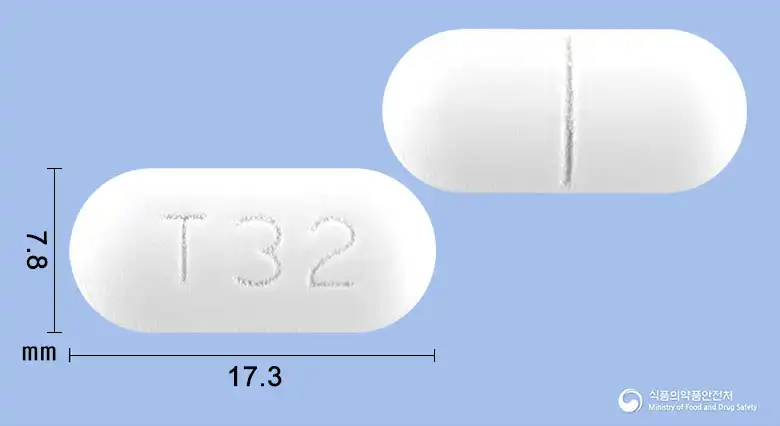
White oblong film-coated tablet
For domestic use - 10 tablets/PTP, for export - 100 tablets/box [10 tablets/PTP*10]
Even with the same ingredient, strength, dosage form and how it is taken can differ.
Viewing nowCombinationAcetaminophen 500mg · Scopolamine Butylbromide 10mg
Tablet · OTC medication · Combination
Samjin Pharmaceutical Co., Ltd.
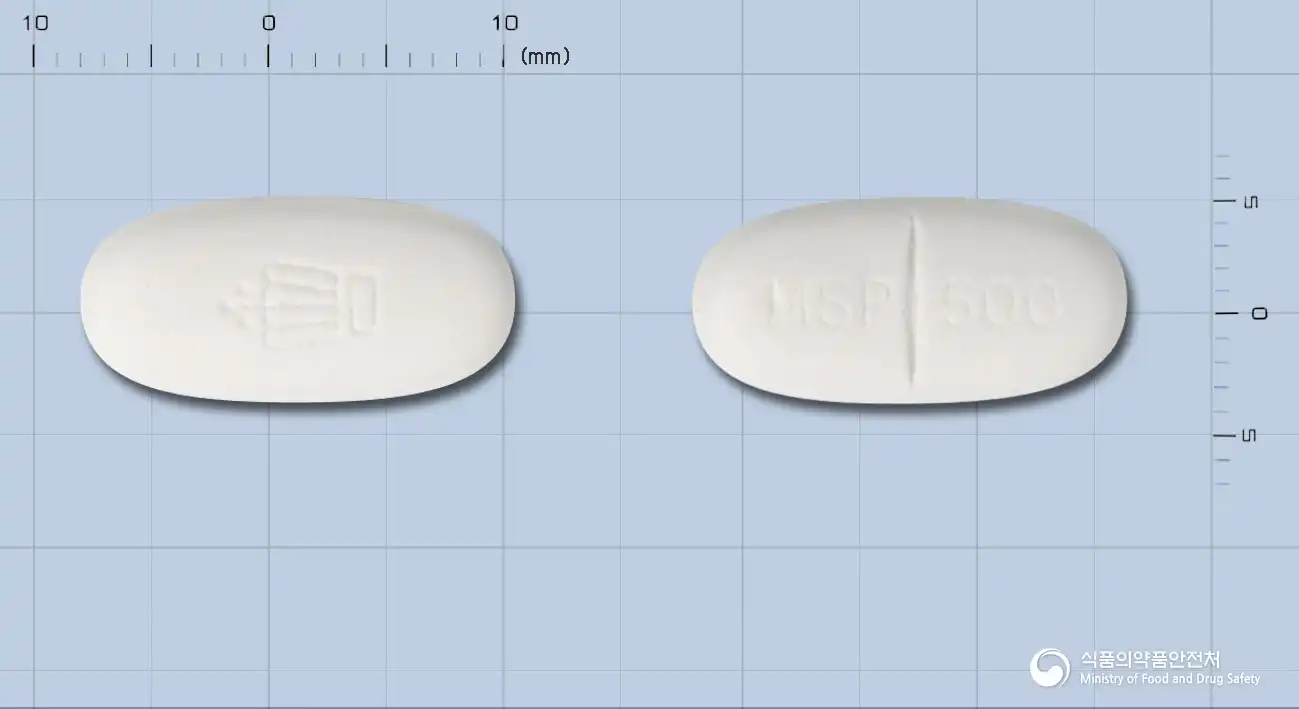 Combination
Scopolamine Butylbromide 10mg · Acetaminophen 500mg
Tablet · OTC medication · Combination
GL Pharma Co., Ltd.
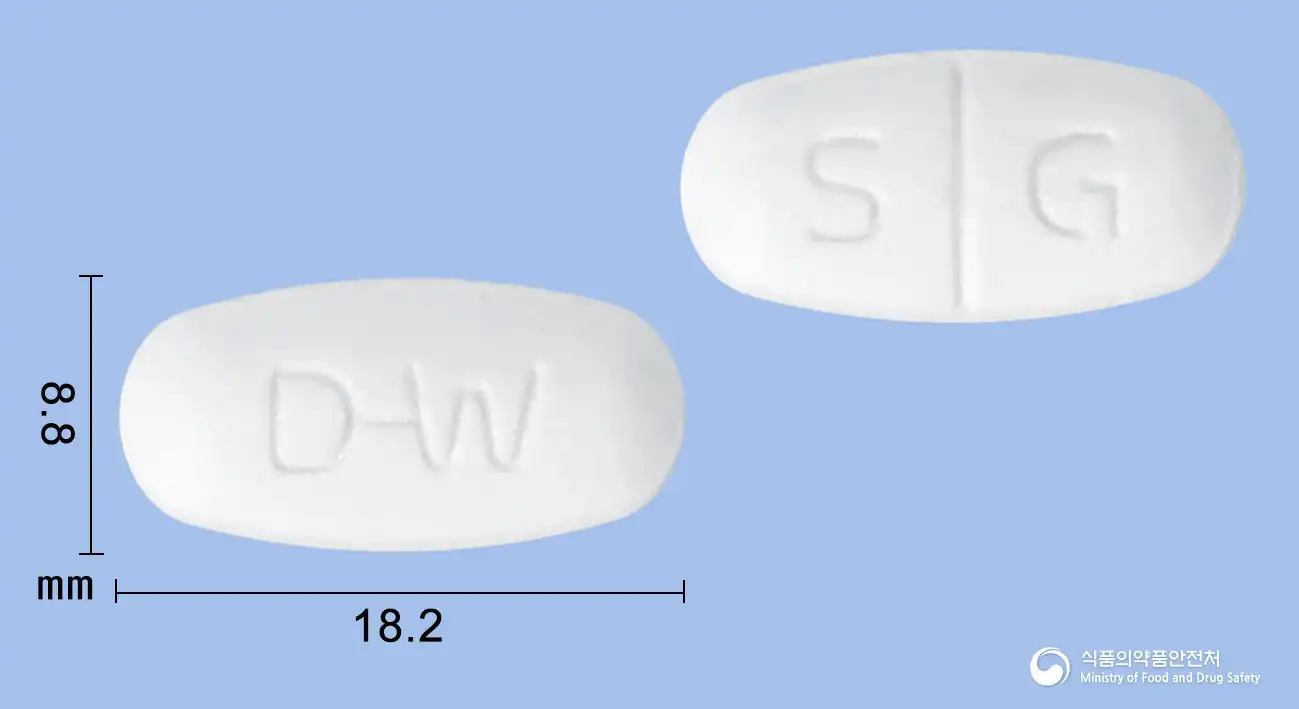 Combination
Acetaminophen 500mg · Scopolamine Butylbromide 10mg
Tablet · OTC medication · Combination
Donghwa Pharmaceutical Co., Ltd.
 Combination
Scopolamine Butylbromide 10mg · Acetaminophen 500mg
Tablet · OTC medication · Combination
Korea Pavise Pharmaceutical Co., Ltd.
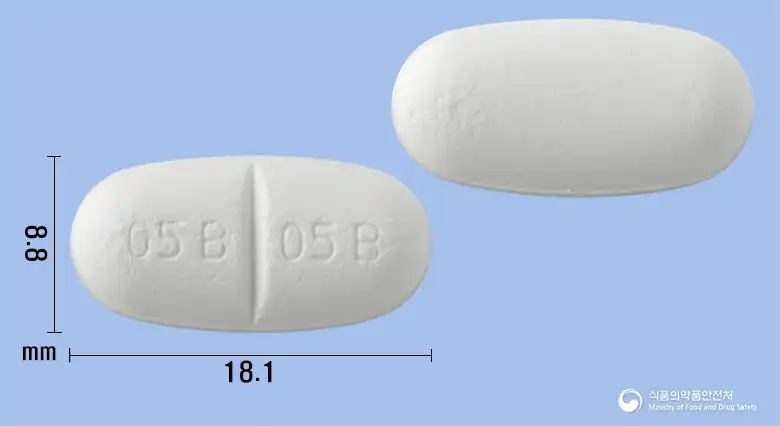 Combination
Scopolamine Butylbromide 10mg · Acetaminophen 500mg
Tablet · OTC medication · Combination
Opella Healthcare Korea Co., Ltd.
 Combination
Acetaminophen 500mg · Scopolamine Butylbromide 10mg
Tablet · OTC medication · Combination
Hansol Pharmaceutical Co., Ltd.
Even with the same ingredient, the dose and directions can differ by strength and dosage form. Talk to a doctor or pharmacist before switching from a medication you are already taking.
No questions yet.
For anything that needs medical judgment, consult a doctor or pharmacist.
This drug information is based on data provided by the Korea Ministry of Food and Drug Safety.
Consult a doctor or pharmacist for accurate dosage, administration, and usage instructions.