
 한국어
 English
 日本語
 中文(简体)
 Viewing now
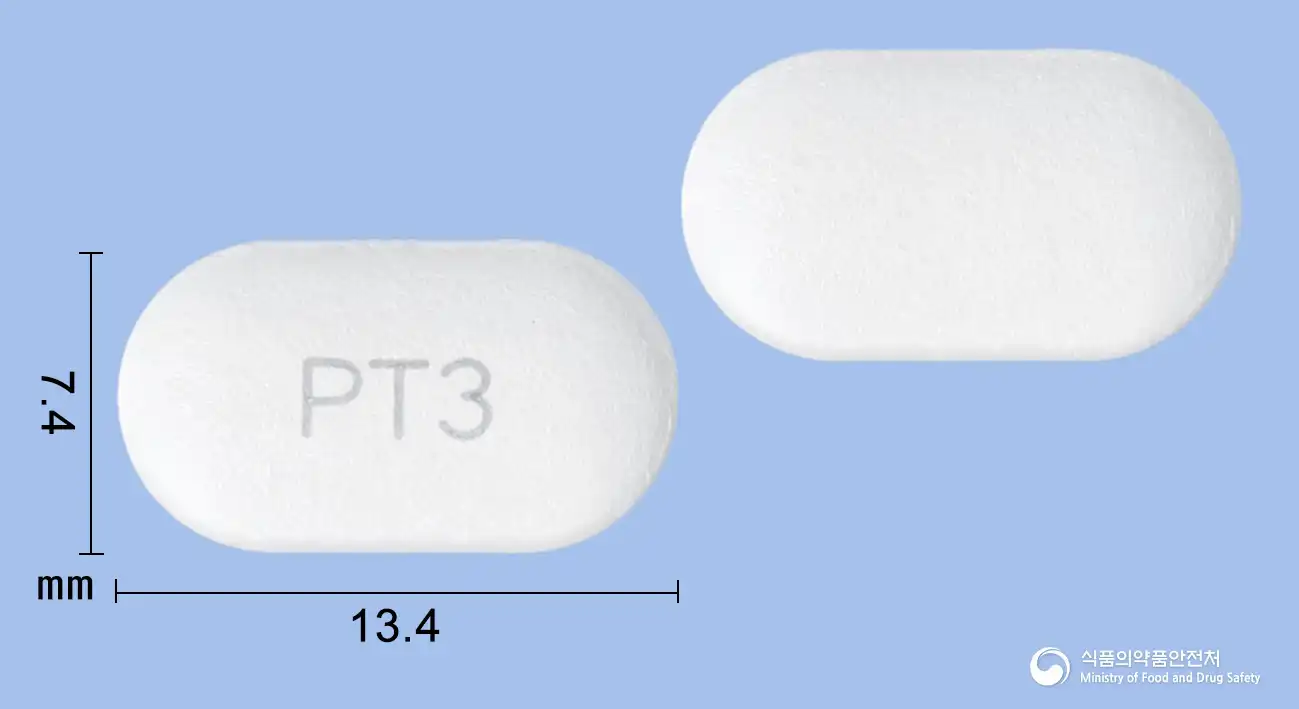
Pentawood Tablet (Dexibuprofen)
Dexibuprofen 300mg
Tablet · OTC medication
Genupharm Co., Ltd.
MFDS item code 200100960 · Notified 2001.07.12 · Insurance code 698000570
Relief of joint disorders; relief of pain and swelling after trauma or surgery; adjunctive treatment of infections
This medication is used for inflammatory diseases such as chronic polyarthritis, rheumatoid arthritis, arthrosis, and ankylosing spondylitis. It is also effective in relieving pain, swelling, and inflammation following trauma or surgery. It aids in reducing discomfort related to symptoms of inflammation, pain, and fever caused by infections. Overall, it is used to improve joint and inflammation-related symptoms.
○ Adults: Administer (take) 300 mg of dexibuprofen per dose orally 2~4 times daily. Do not exceed 1,200 mg of dexibuprofen per day.
People who regularly consume more than 3 alcoholic beverages a day should consult a doctor or pharmacist before taking this medication. The risk of gastrointestinal bleeding may increase when taken with alcohol. This medication can affect the cardiovascular system, so special caution is required for those at risk of heart disease or stroke. There is an increased risk of heart attack or stroke with long-term high-dose use, so it should be taken according to a doctor's instructions. Individuals with gastrointestinal issues or the elderly should be cautious while taking this medication, as serious gastrointestinal adverse reactions such as gastric ulcers, bleeding, or perforation may occur. If symptoms appear, immediately consult a healthcare professional. This medication should not be taken by individuals with gastrointestinal ulcers, bleeding, severe liver, kidney, or heart diseases, those allergic to aspirin or non-steroidal anti-inflammatory drugs, or pregnant women beyond 6 months of gestation. Using this medication in combination with aspirin or other non-steroidal anti-inflammatory drugs, certain chemotherapy drugs, etc., may increase the risk of side effects, so it is advisable not to combine them. During use, breastfeeding should be avoided, and dizziness or fatigue may occur, so caution is advised while driving or operating machinery. High-dose long-term use may result in headaches. If you have specific diseases or are taking medications, especially with a history of blood abnormalities, liver or kidney diseases, high blood pressure, cardiovascular diseases, or allergies, you must consult a healthcare professional before taking this medication. If severe allergic reactions, skin rashes, gastrointestinal bleeding, breathing difficulties, liver function abnormalities, kidney problems, nervous system issues, etc., occur while taking this medication, immediately discontinue use and consult a healthcare professional. This medication should be used at the minimum effective dose for the shortest duration possible, and regular blood tests and liver and kidney function tests should be performed for long-term users. During pregnancy, especially after 20 weeks, there may be effects on fetal kidney function, so caution is needed while taking it, and monitoring such as ultrasound to check amniotic fluid levels may be required. In case of overdose, treatment should be sought immediately at a medical facility even if no symptoms are present, and inducing vomiting or gastric lavage may be necessary. This medication should be kept out of the reach of children, stored in a place protected from direct sunlight and at a cool, dry location. Transferring to another container may not be good for quality, so caution is needed.
Gastrointestinal bleeding, serious cardiovascular thrombotic reactions, myocardial infarction, stroke, bleeding from the stomach or intestines, ulcers, perforation, dyspepsia, abdominal distension, heartburn, pain in the upper abdomen, diarrhea, constipation, loss of appetite, nausea, vomiting, abdominal pain, gastric discomfort, esophagitis, esophageal stricture, exacerbation of diverticulitis, nonspecific bleeding colitis, ulcerative colitis, Crohn's disease, peptic ulcer gastrointestinal bleeding, perforation, blood in stools, gastritis, pancreatitis, thirst, stomatitis, erythema multiforme, systemic lupus erythematosus, hair loss, angioedema, Stevens-Johnson syndrome, toxic epidermal necrolysis, eosinophilia, drug rash with systemic symptoms, acute generalized exanthematous pustulosis, rash, urticaria, itching, purpura, asthma attacks, eczema, anaphylactic reactions, photosensitivity reactions, jaundice, elevated ALT, elevated AST, elevated ALP, abnormal liver function, hepatitis, rhinitis, bronchospasm, acute pneumonia, neglect, cancer invasion, hearing loss, tinnitus, taste disturbances, fatigue, drowsiness, headache, dizziness, anxiety, restlessness, confusion, depression, aseptic meningitis, mental disorders, agitation, excitement, spatial disorientation, reversible toxic amnesia, hypotension, hypertension, palpitations, acute renal failure, oliguria, hematuria, urinary protein, elevated BUN, elevated serum creatinine, hyperkalemia, decreased urine output, generalized edema, shortness of breath, renal papillary necrosis, nephrotic syndrome, interstitial nephritis, peripheral edema, acute pulmonary edema, fluid retention, decreased reproductive ability in women, periorbital edema, lethargy, fever, nosebleeds, exacerbation of inflammation
Not everyone experiences these, and they can vary from person to person.
Do not take this medication with aspirin, other non-steroidal anti-inflammatory drugs, or high doses of methotrexate. Corticosteroids, alcohol, digoxin, phenytoin, probenecid, sulfinpyrazone, sulfonylureas, ACE inhibitors, or angiotensin II receptor antagonists, diuretics, lithium, coumarin anticoagulants (like warfarin), baclofen, immunosuppressants (like cyclosporine, tacrolimus, sirolimus), blood
This medication should be stored in a tightly sealed container to prevent exposure to air or moisture. It is best to maintain a storage temperature between 1 and 30 degrees Celsius.
White, rectangular film-coated tablet
30 tablets/bottle, 300 tablets/bottle
Even with the same ingredient, strength, dosage form and how it is taken can differ.
Viewing nowDexibuprofen 300mg
Tablet · OTC medication
Genupharm Co., Ltd.
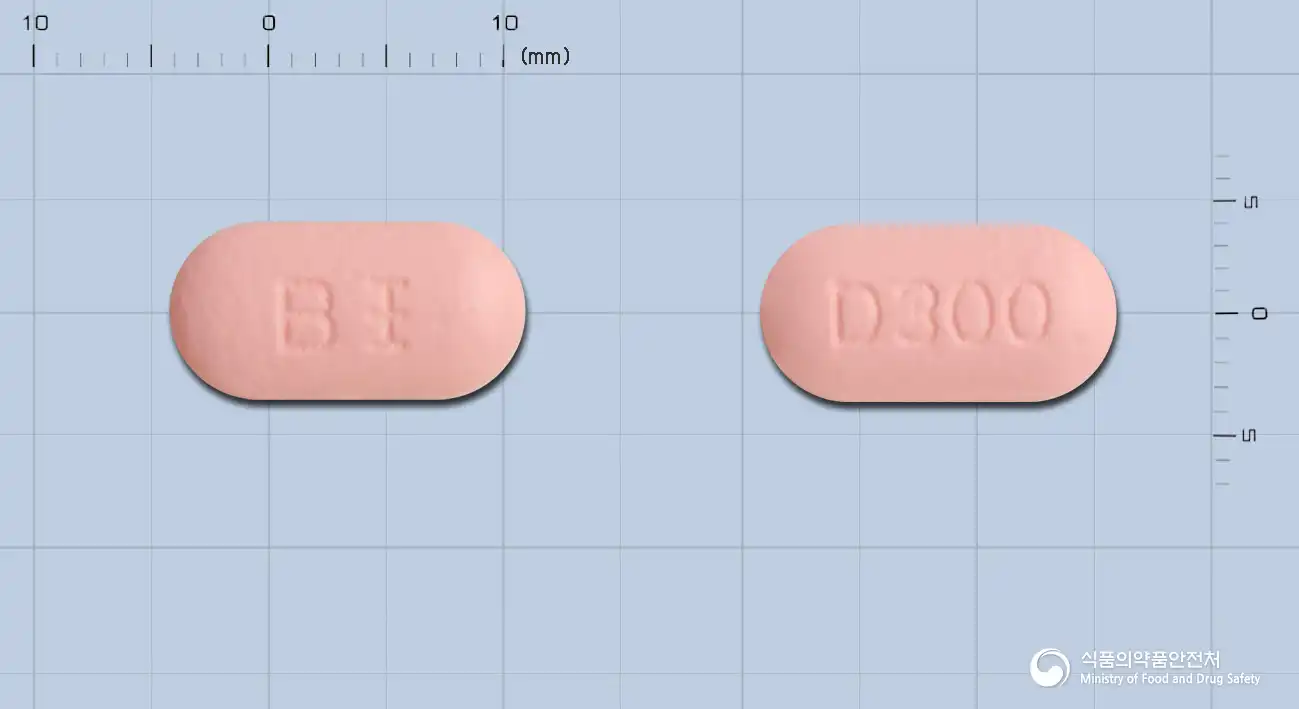
Dexibuprofen 300mg
Tablet · OTC medication
Bionex Co., Ltd.

Dexibuprofen 300mg
Tablet · OTC medication
Anguk Pharmaceutical Co., Ltd.
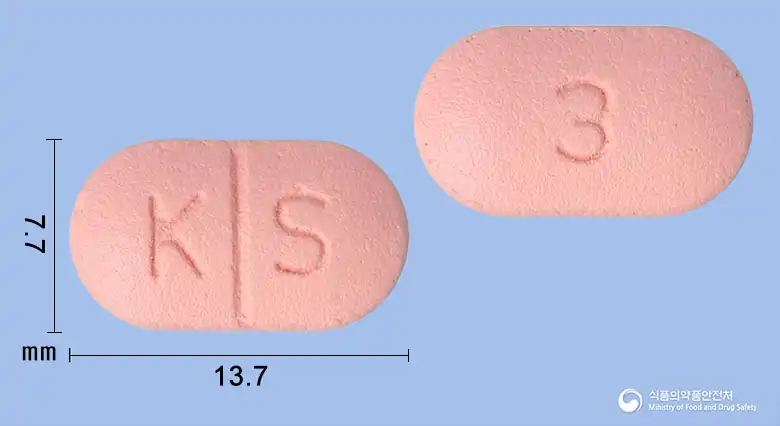
Dexibuprofen 300mg
Tablet · OTC medication
Aprogen Pharmaceuticals, Co., Ltd.
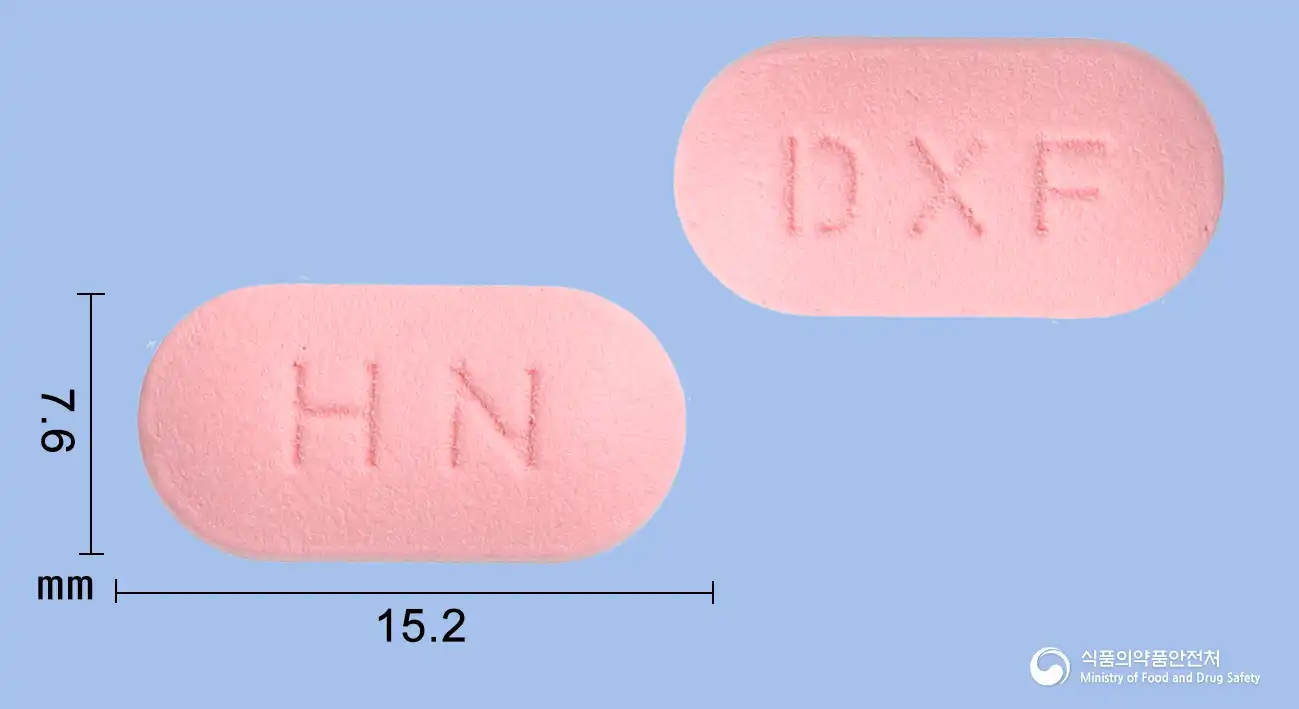
Dexibuprofen 300mg
Tablet · OTC medication
Hana Pharmaceutical Co., Ltd.
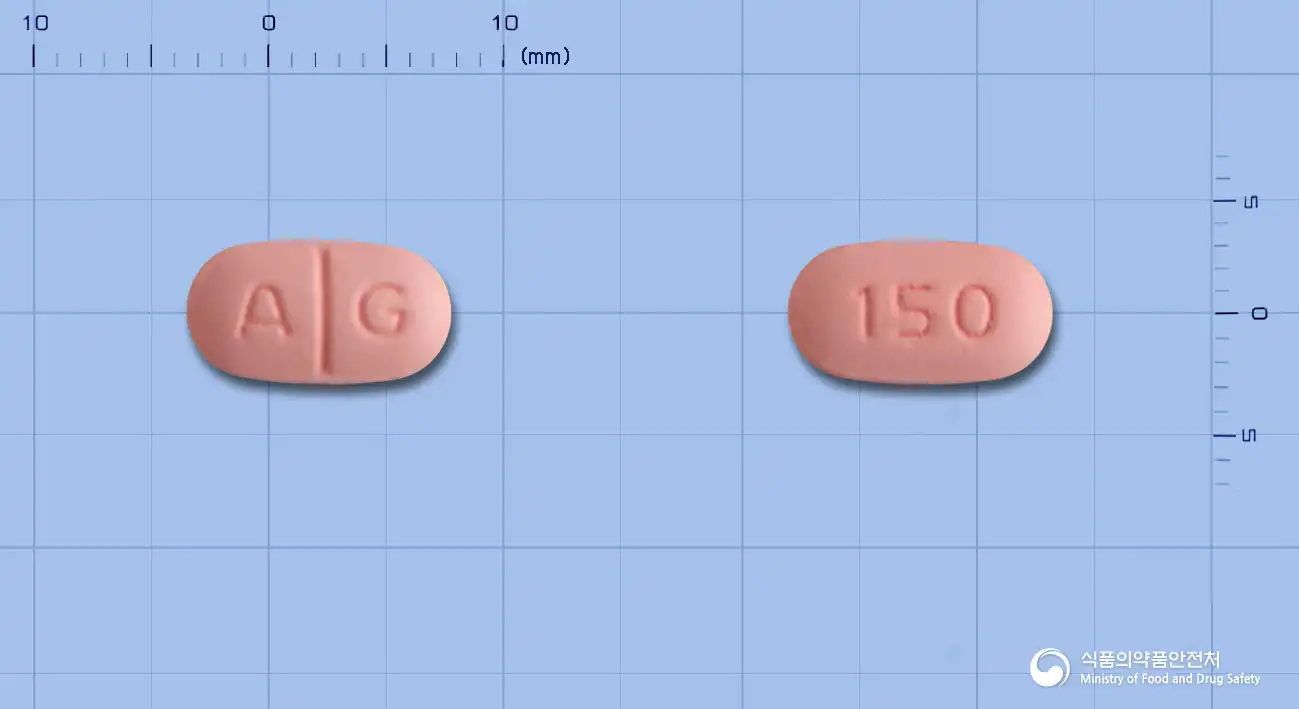
Dexibuprofen 150mg
Tablet · OTC medication
Anguk Pharm Co., Ltd.
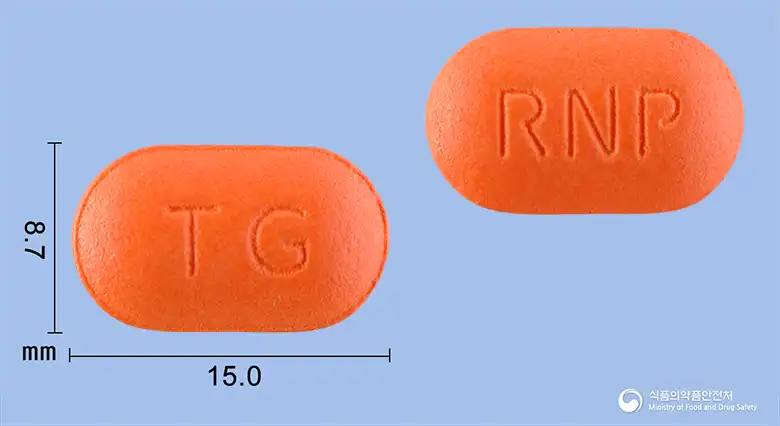
Dexibuprofen 300mg
Tablet · OTC medication
Taeguk Pharmaceutical Co., Ltd.
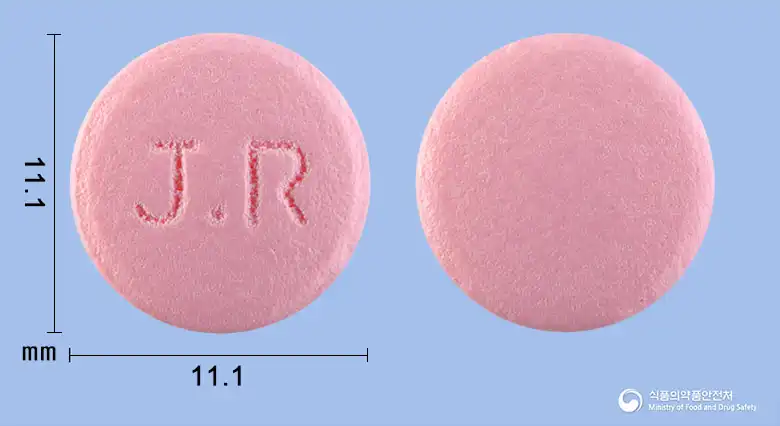
Dexibuprofen 300mg
Tablet · OTC medication
Vivozon Pharmaceuticals Co., Ltd.
Even with the same ingredient, the dose and directions can differ by strength and dosage form. Talk to a doctor or pharmacist before switching from a medication you are already taking.
No questions yet.
For anything that needs medical judgment, consult a doctor or pharmacist.
This drug information is based on data provided by the Korea Ministry of Food and Drug Safety.
Consult a doctor or pharmacist for accurate dosage, administration, and usage instructions.