
 한국어
한국어 English
 日本語
日本語 中文(简体)
 Viewing now
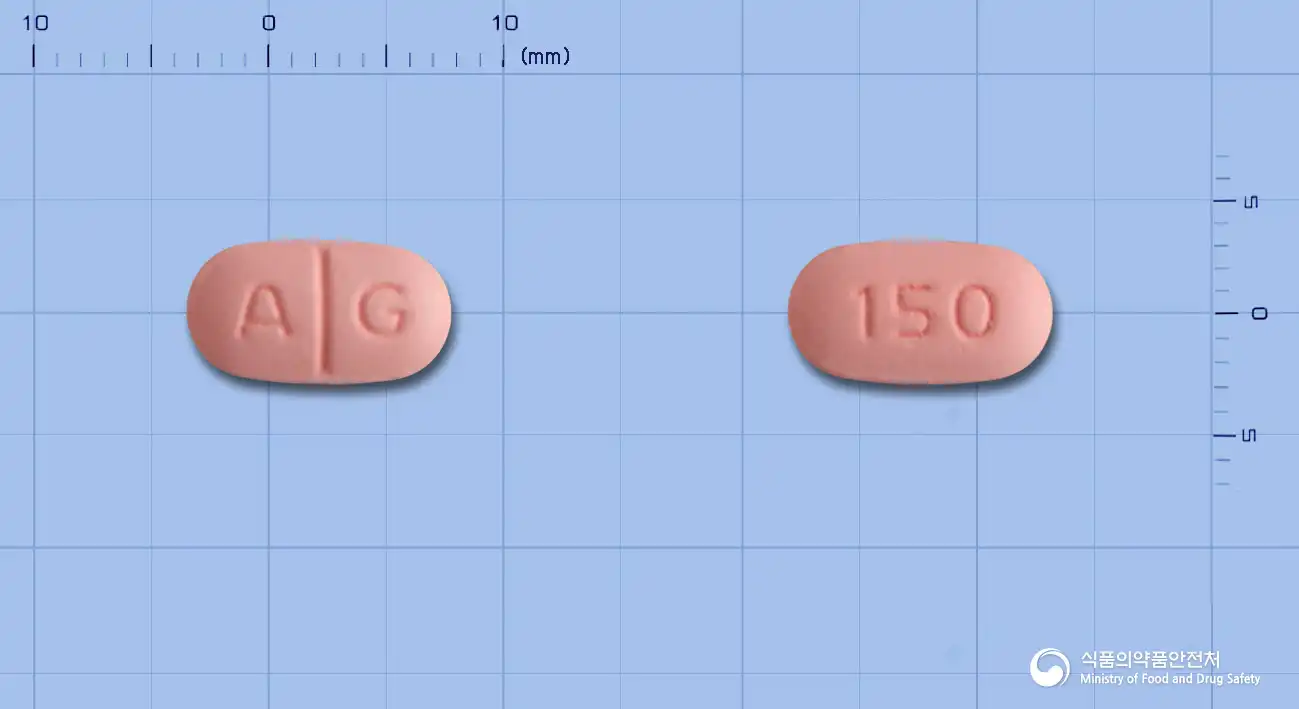
Aniphen Tablet 150 mg (Dexibuprofen)
Dexibuprofen 150mg
Tablet · OTC medication
Anguk Pharm Co., Ltd.
MFDS item code 200100915 · Notified 2001.04.10 · Insurance code 650201710
Relief of inflammation and pain such as in chronic polyarthritis and rheumatoid arthritis
This medication is used for inflammatory conditions such as chronic polyarthritis and rheumatoid arthritis, arthrosis, and ankylosing spondylitis. It also helps relieve pain, swelling, and inflammation following trauma or surgery. Additionally, it acts as an adjunct in the treatment of infections accompanied by inflammation, pain, and fever. Overall, it is used to reduce inflammation and pain to improve the patient's symptoms.
For adults, 300 mg of dexibuprofen should be taken orally 2-4 times daily with meals, not exceeding 1,200 mg of dexibuprofen.
Children over 6 years of age should take approximately 15 mg of dexibuprofen per kg of body weight divided into 2-4 oral doses per day. Children weighing less than 30 kg should not exceed a total daily dose of 300 mg.
Those who regularly consume more than three alcoholic beverages per day may experience gastrointestinal bleeding while taking this medication, so consultation with a doctor or pharmacist is essential. This medication may increase the risk of cardiovascular diseases, thus patients with a history of heart disease or stroke or those with risk factors should use it with caution. This medication can cause serious gastrointestinal issues such as bleeding, ulcers, and perforation, so caution is necessary, especially for the elderly or those with a history of gastrointestinal disease. Patients with gastrointestinal ulcers or bleeding, severe liver or kidney dysfunction, severe heart failure, or hypertension should not take this medication. Taking this medication together with aspirin or other non-steroidal anti-inflammatory drugs may increase cardiovascular risks and the risk of gastrointestinal bleeding, therefore combination should be avoided. Caution is advised while driving or operating machinery during treatment, as dizziness or fatigue could increase the risk of accidents. Pregnant women after 6 months should avoid taking this medication as it may pose risks to the fetus. This medication can be transmitted through breast milk and may cause serious side effects in infants, so nursing mothers should discontinue the medication or stop breastfeeding. Individuals with blood disorders, liver or kidney diseases, hypertension, or heart failure should consult a doctor before taking this medication. Long-term use of this medication requires periodic blood tests and liver/kidney function tests, and any abnormal symptoms should prompt immediate discontinuation and consultation with a doctor. In case of severe allergic reactions, skin rashes, difficulty breathing, jaundice, or blood abnormalities, treatment should be stopped immediately and medical advice sought. This medication may affect fetal kidney function, particularly after the 20th week of pregnancy, so the dosing period and dosage should be minimized, and amniotic fluid status should be monitored if necessary. In the event of overdose, even if there are no clear symptoms, immediate medical attention should be sought for proper treatment. This medication should be stored out of reach of children, kept away from direct sunlight, and stored in a cool place with low humidity. Transferring to another container can lead to accidents or quality degradation, so caution is warranted.
Not everyone experiences these, and they can vary from person to person.
Do not take this medication in conjunction with aspirin, other non-steroidal anti-inflammatory drugs, or high doses of methotrexate. Also, avoid corticosteroids, alcohol, digoxin, phenytoin, probenecid, sulfinpyrazone, sulfonylureas, ACE inhibitors or angiotensin II receptor antagonists, diuretics, lithium, anticoagulants like coumarin agents, baclofen, immunosuppressants, thrombolytics, ticlopidine, antithrombotic agents, and anything that could increase serum potassium levels.
This medication should be stored in a tightly closed container to prevent air or moisture from entering. It is recommended to maintain a storage temperature between 1 to 30 degrees Celsius at room temperature.
Pink oval film-coated tablet
30 tablets/bottle, 300 tablets/bottle
Even with the same ingredient, strength, dosage form and how it is taken can differ.
Viewing nowDexibuprofen 150mg
Tablet · OTC medication
Anguk Pharm Co., Ltd.
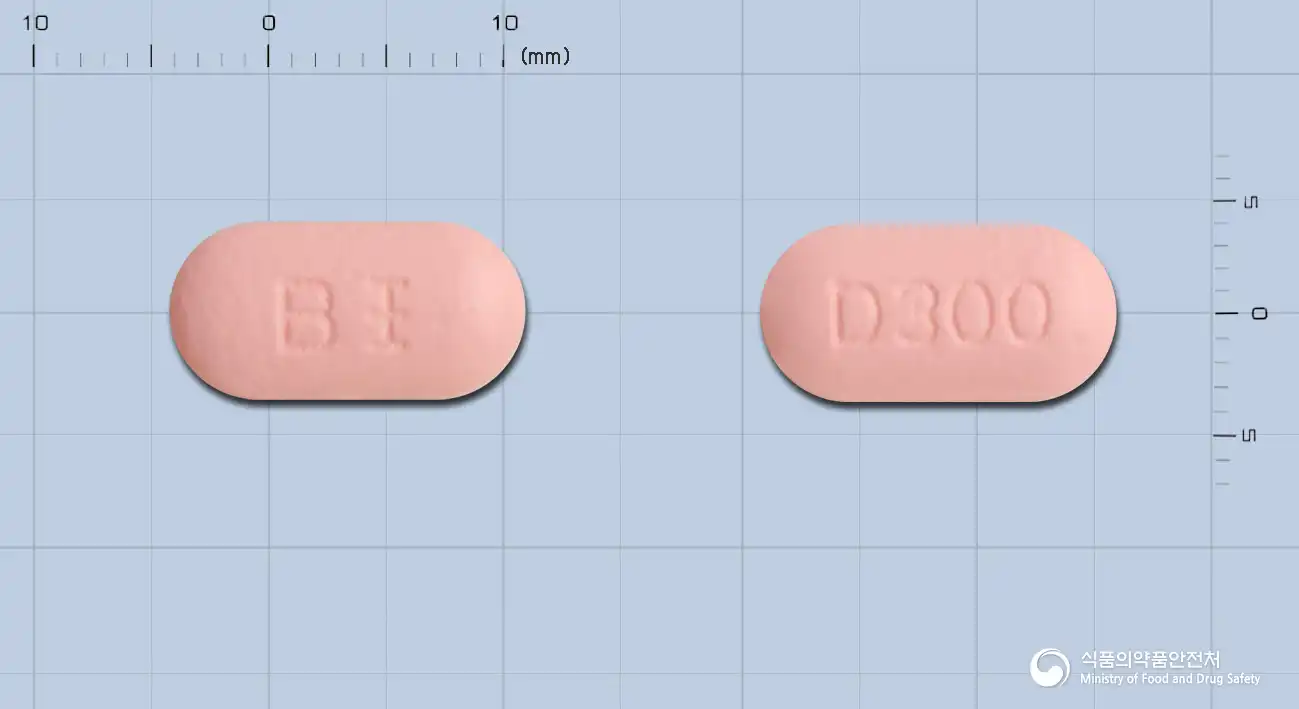
Dexibuprofen 300mg
Tablet · OTC medication
Bionex Co., Ltd.

Dexibuprofen 300mg
Tablet · OTC medication
Anguk Pharmaceutical Co., Ltd.
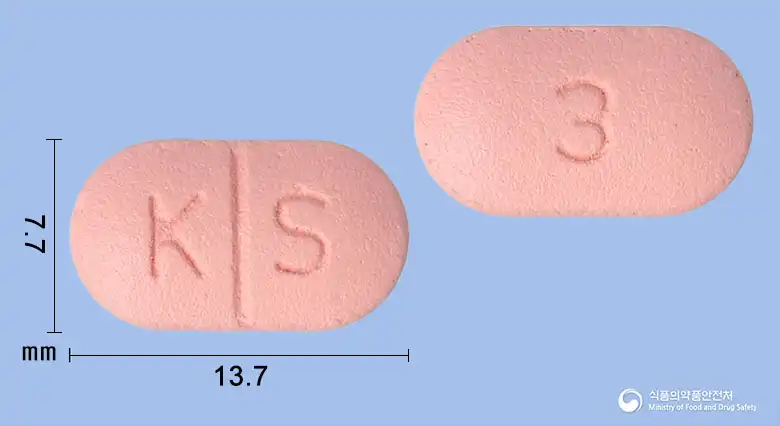
Dexibuprofen 300mg
Tablet · OTC medication
Aprogen Pharmaceuticals, Co., Ltd.
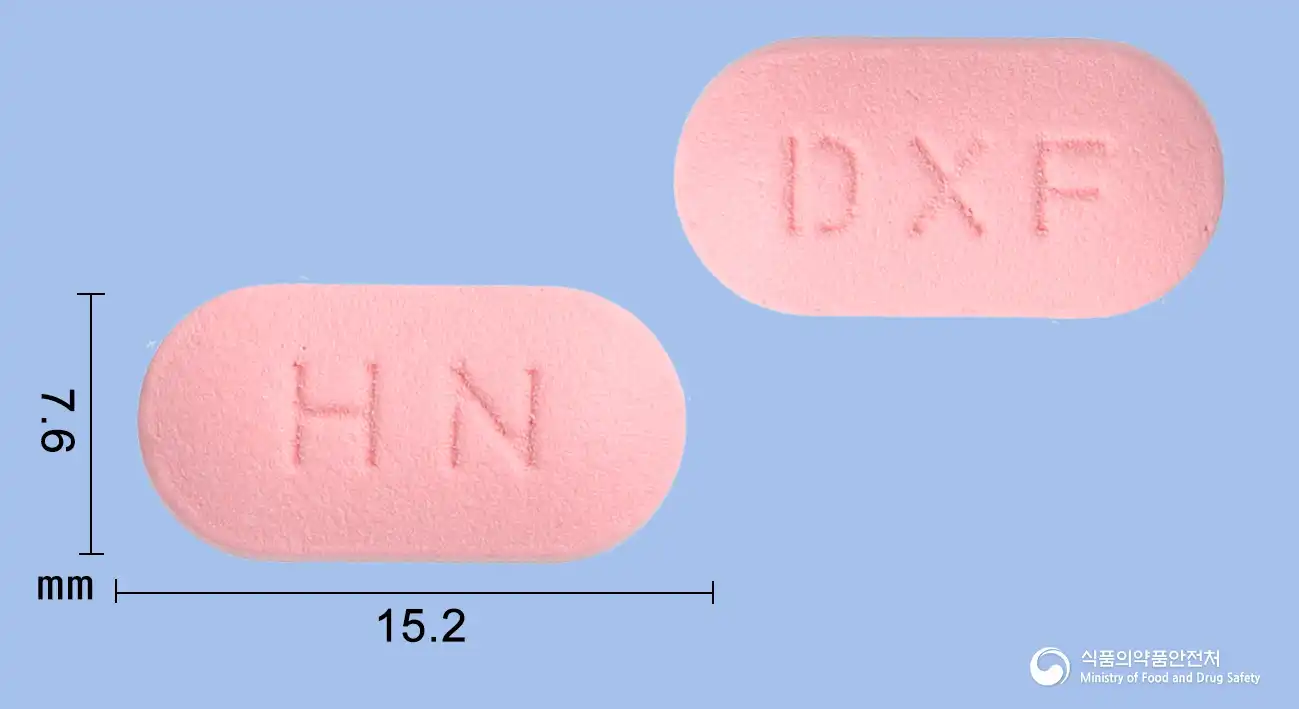
Dexibuprofen 300mg
Tablet · OTC medication
Hana Pharmaceutical Co., Ltd.
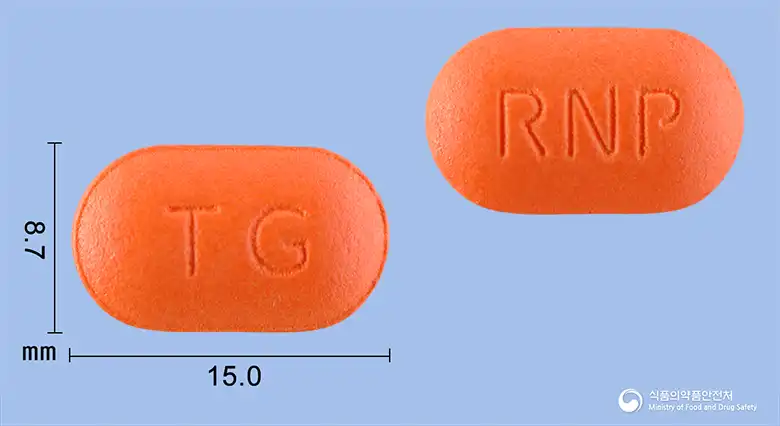
Dexibuprofen 300mg
Tablet · OTC medication
Taeguk Pharmaceutical Co., Ltd.
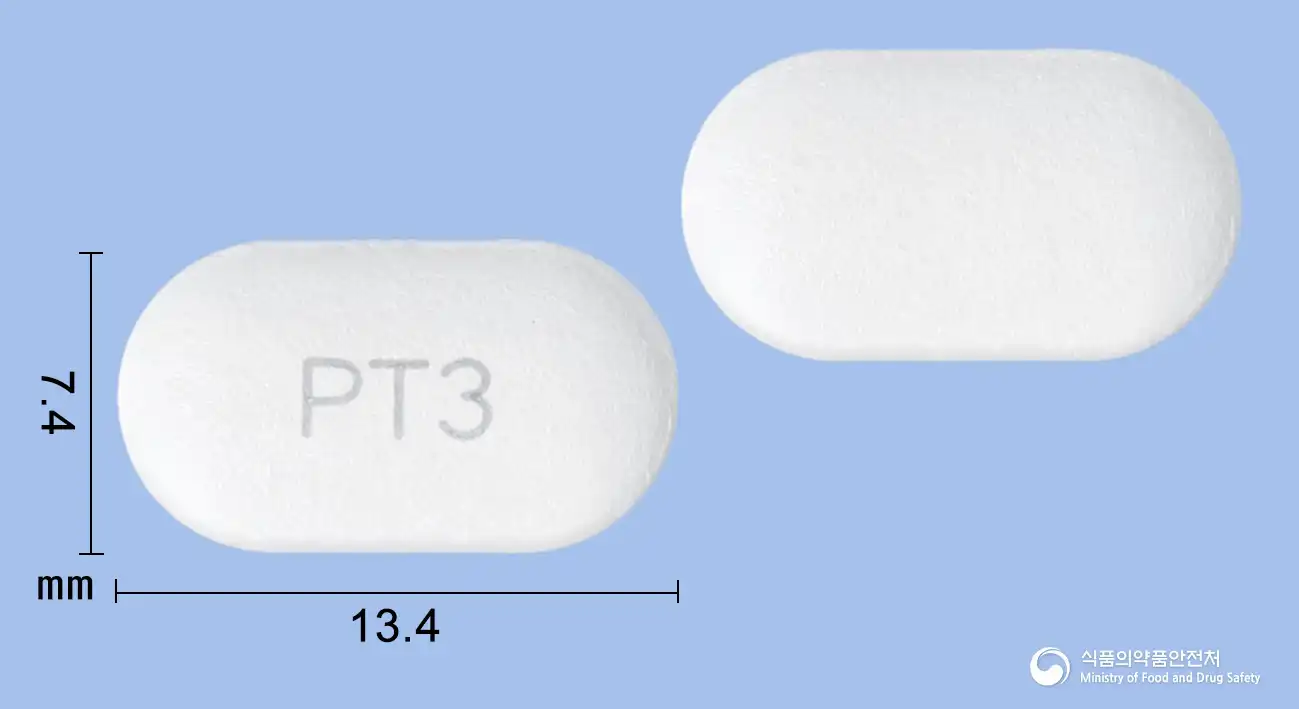
Dexibuprofen 300mg
Tablet · OTC medication
Genupharm Co., Ltd.
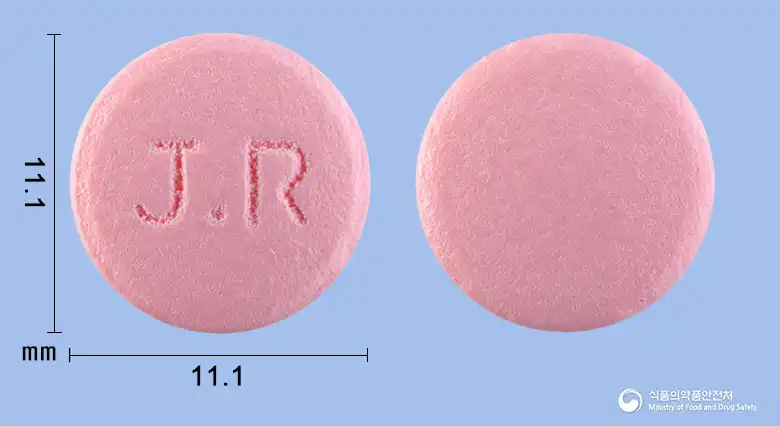
Dexibuprofen 300mg
Tablet · OTC medication
Vivozon Pharmaceuticals Co., Ltd.
Even with the same ingredient, the dose and directions can differ by strength and dosage form. Talk to a doctor or pharmacist before switching from a medication you are already taking.
No questions yet.
For anything that needs medical judgment, consult a doctor or pharmacist.
This drug information is based on data provided by the Korea Ministry of Food and Drug Safety.
Consult a doctor or pharmacist for accurate dosage, administration, and usage instructions.