
 한국어
한국어 English
 日本語
日本語 中文(简体)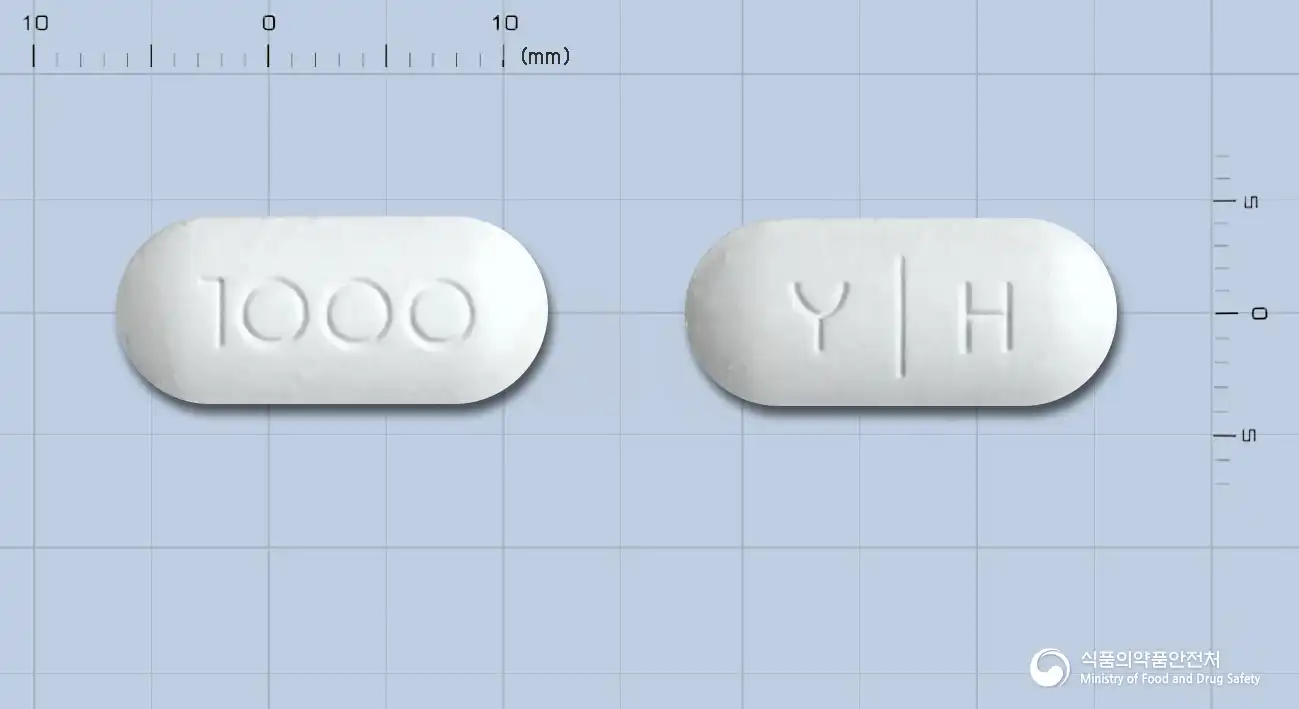
Summary
- Main use
- Prevention and treatment of scurvy, improvement of wasting diseases (fatigue during pregnancy and lactation, physical fatigue), alleviation of symptoms related to vitamin C deficiency such as capillary bleeding
- Who takes it
- Adults
- Adult dose
- As ascorbic acid, the usual dosage is 500 to 1000 mg taken once daily or in several divided doses. Take with sufficient amounts of water.
Ingredients
- Manufacturer
- (주)유한양행
Efficacy & effects
Prevention and treatment of scurvy, improvement of wasting diseases (fatigue during pregnancy and lactation, physical fatigue), alleviation of symptoms related to vitamin C deficiency such as capillary bleeding
- Scurvy
- fatigue
- physical fatigue
- gum bleeding
- nosebleeds
- hematuria
- pigmentation
- malabsorption
View approved original textHide original text
This medication is used for the prevention and treatment of scurvy. It also helps with wasting diseases where the demand for vitamin C increases, such as fatigue during pregnancy, lactation, or after illness. It is effective in relieving symptoms of capillary bleeding such as gum bleeding, nosebleeds, and hematuria that can occur due to vitamin C deficiency, as well as pigmentation caused by sunlight and skin diseases (melasma, freckles). It is also used for symptoms of vitamin C deficiency due to malabsorption, thus improving overall vitamin C deficiency.
How to take
Adult dose
As ascorbic acid, the usual dosage is 500 to 1000 mg taken once daily or in several divided doses. Take with sufficient amounts of water.
Precautions
This medication should not be taken by individuals who are allergic to this medication or any of its ingredients. Also, patients with hyperoxaluria excreting excessive amounts of oxalate in the urine, those with Mediterranean anemia, gout patients, and those with cystinuria should not take this medication. Patients with glucose-6-phosphate dehydrogenase deficiency should be cautious, as high doses can cause hemolysis whereby red blood cells are destroyed. Patients with calcium oxalate kidney stones should not take more than 1 gram per day. During the use of this medication, it is advised to take caution with high doses during pregnancy, as this may result in scurvy in newborns, and excessive alcohol consumption and smoking should be avoided. It should be taken with sufficient water, and it is advisable to not lie down immediately after taking the medication to prevent it from lingering in the esophagus. Women who are pregnant or breastfeeding, individuals with kidney stones, or those taking oral anticoagulants or certain medications should consult with their doctor or pharmacist before taking this medication. If symptoms like nausea, vomiting, diarrhea, abdominal pain, facial flushing, headache, or insomnia occur, stop taking the medication immediately and consult a professional. This medication must be taken according to the prescribed dosage and administration, and when giving it to children, it should be administered under parental supervision. If symptoms do not improve after about a month of treatment, it is important to consult a doctor or pharmacist. Additionally, this medication can affect blood glucose tests, so it is important to inform them of any use before testing. Store out of reach of children, keep away from direct sunlight, and store in a cool and dry place in a tightly sealed container to maintain quality. Do not transfer to another container to maintain quality, and avoid misuse and abuse.
Side effects and when to seek care immediately
Mild side effects
- Nausea
- vomiting
- diarrhea
- abdominal pain
- facial flushing
- headache
- insomnia
Not everyone experiences these, and they can vary from person to person.
Interactions
Drug interactions
This medication can interact with oral anticoagulants (coumarin drugs), salicylates, aspirin, iron preparations, phenytoin and some anticonvulsants, oral contraceptives containing estrogen, tetracycline antibiotics, fluphenazine, orlistat, barbiturates, and corticosteroids, so consultation with a doctor or pharmacist is necessary.
Food interactions
Avoid excessive alcohol consumption and smoking.
Storage
This medication is sensitive to light, so it must be stored in a container that does not allow light to enter. Additionally, it should be stored in a tightly sealed container that restricts air flow. The storage temperature should be maintained between 1 degree and 30 degrees Celsius.
Appearance and packaging
Appearance
White rectangular tablet
Package unit
100 tablets (10 tablets/PTP packaging x 10), 200 tablets (10 tablets/PTP packaging x 20), 300 tablets (10 tablets/PTP packaging x 30), 600 tablets (10 tablets/PTP packaging x 60)
Questions about this medicine
No questions yet.
For anything that needs medical judgment, consult a doctor or pharmacist.