
 한국어
 English
 日本語
 中文(简体)
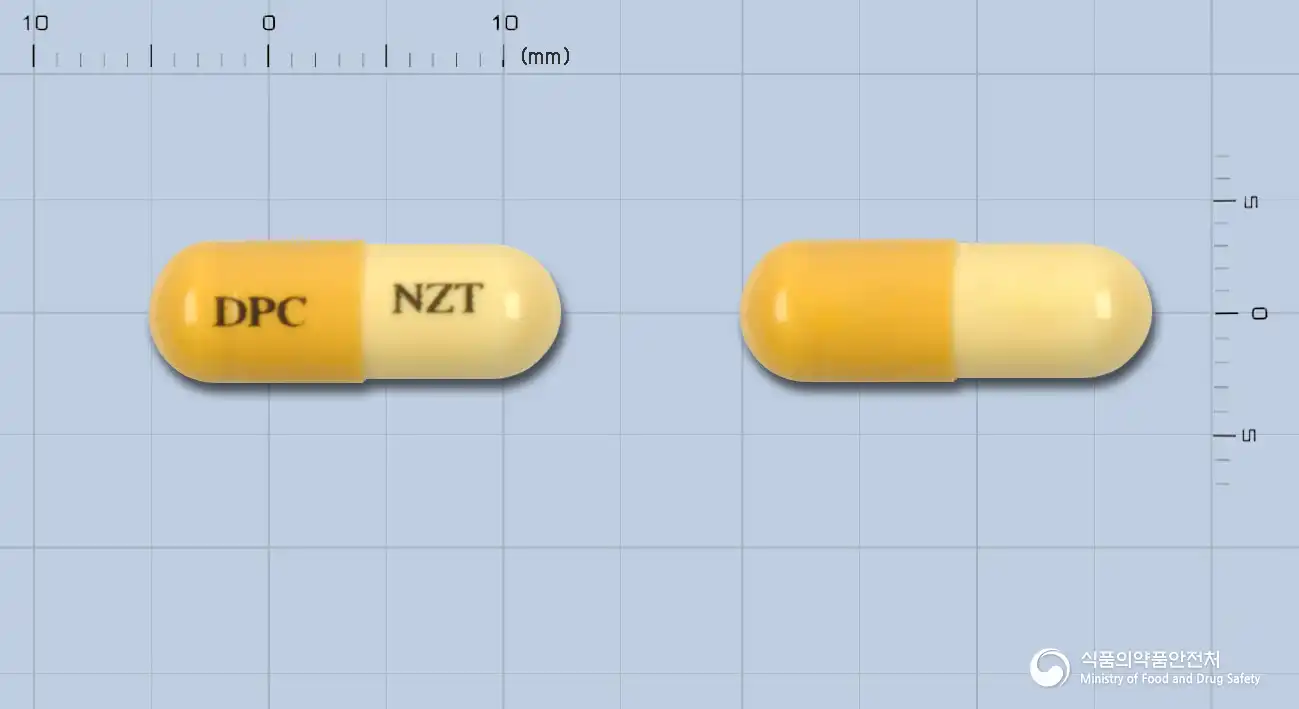 Viewing now
Donggwang Nizatidine Capsule 150mg
Nizatidine 150mg
Hard capsule · Prescription medication
Donggwang Pharmaceutical Co., Ltd.
MFDS item code 200100142 · Notified 2001.11.02 · Insurance code 645900280
Treatment and prevention of recurrence of gastric and duodenal ulcers; treatment of esophagitis and heartburn; improvement of gastric lesions in gastritis
This medication is effective in treating active gastric and duodenal ulcers and preventing the recurrence of duodenal ulcers. It also alleviates symptoms of heartburn associated with erosive and ulcerative esophagitis diagnosed by endoscopy, as well as acute and chronic gastritis with exacerbated symptoms, such as erosion, bleeding, redness, and swelling of the gastric mucosa. It helps manage the gastrointestinal health of patients effectively through the treatment of various gastrointestinal diseases and symptom relief.
1. Treatment of active gastric and duodenal ulcers Adults: Administer 300mg of nizatidine once daily at bedtime, or 150mg orally twice daily, in the morning and evening. Most ulcers heal within 4 weeks, but treatment may be continued for up to 8 weeks if necessary. 2. Prevention of recurrence of duodenal ulcers After healing of a duodenal ulcer, adults should take 150mg orally once daily at bedtime. Treatment may be continued for up to 1 year; results of longer-term treatment are not known. 3. Gastroesophageal reflux disease Adults: Administer 150mg orally twice daily, in the morning and evening. Treatment may be continued for up to 12 weeks. 4. Improvement of gastric mucosal lesions Adults: Administer 150mg orally twice daily, in the morning and evening, for 2 weeks. 5. Dose adjustment for patients with severe renal impairment The dose for patients with renal impairment should be reduced and adjusted as follows. Active duodenal ulcer, gastroesophageal reflux disease (GERD), benign gastric ulcer Creatinine clearance 20~50 ml/min: 150mg daily Creatinine clearance < 20 ml/min: 150mg every other day Maintenance therapy Creatinine clearance 20~50 ml/min: 150mg every other day Creatinine clearance < 20 ml/min: 150mg every 3 days Some elderly patients may have creatinine clearance reduced to below 50mL/min. Based on pharmacokinetic data in patients with renal impairment, the dose should also be reduced according to the degree of renal impairment in these patients.
This drug should not be used in patients with hypersensitivity to H2-receptor antagonists. Caution should be exercised when using in patients who have had allergic reactions to the drug or have poor liver or kidney function. In particular, patients with reduced kidney function may require reduced dosing or increased dosing intervals due to the drug persisting in the body for a longer time. This drug contains a colorant called Yellow No. 5, and those allergic to this component should use it cautiously. Rarely, serious allergic reactions such as skin rashes, itching, breathing difficulties, or anaphylaxis may occur; if any of these symptoms are present, administration should be stopped immediately. Blood abnormalities can manifest as symptoms of anemia, leukopenia, and thrombocytopenia; any unusual symptoms should be discussed with a physician. Gastrointestinal disturbances may occur, including constipation, diarrhea, dry mouth, and nausea. There is a potential for liver dysfunction; caution should be observed if symptoms of hepatitis or jaundice arise. Neurological symptoms such as confusion, headache, drowsiness, and dizziness can occur rarely. Transient tachycardia may occur. In women, breast enlargement has been reported infrequently, and in men, erectile dysfunction or decreased libido may occur. Skin-related adverse reactions, including rashes, hives, and sweating, may also be seen. Hyperuricemia can occur; therefore, patients with gout should be careful. This medication may mask symptoms of gastric cancer; thus, it should only be used after confirming it is not a malignant condition. Patients with poor kidney function require dose adjustments, and regular blood tests along with liver and kidney function tests should be performed during treatment. Women who are pregnant or breastfeeding should consult a doctor before taking this drug, as its effects on the fetus or newborn are not well established. Safety and effectiveness in children have not been established, hence its use is not recommended in this population. Elderly patients commonly exhibit reduced kidney function; therefore, kidney function tests should be conducted before administration, and careful monitoring should continue during treatment. In case of overdose, symptoms such as vomiting or diarrhea may occur, and appropriate treatment should be received at a hospital if necessary.
Not everyone experiences these, and they can vary from person to person.
This medication should be stored in a tightly sealed container to prevent air ingress and kept at a temperature between 1 degree and 30 degrees Celsius. Proper storage can help maintain the drug's effectiveness.
Capsule filled with white to grayish white powder, upper part yellow, lower part light yellow
30 capsules/bottle, 100 capsules/bottle, 300 capsules/bottle
Even with the same ingredient, strength, dosage form and how it is taken can differ.
Viewing nowNizatidine 150mg
Hard capsule · Prescription medication
Donggwang Pharmaceutical Co., Ltd.
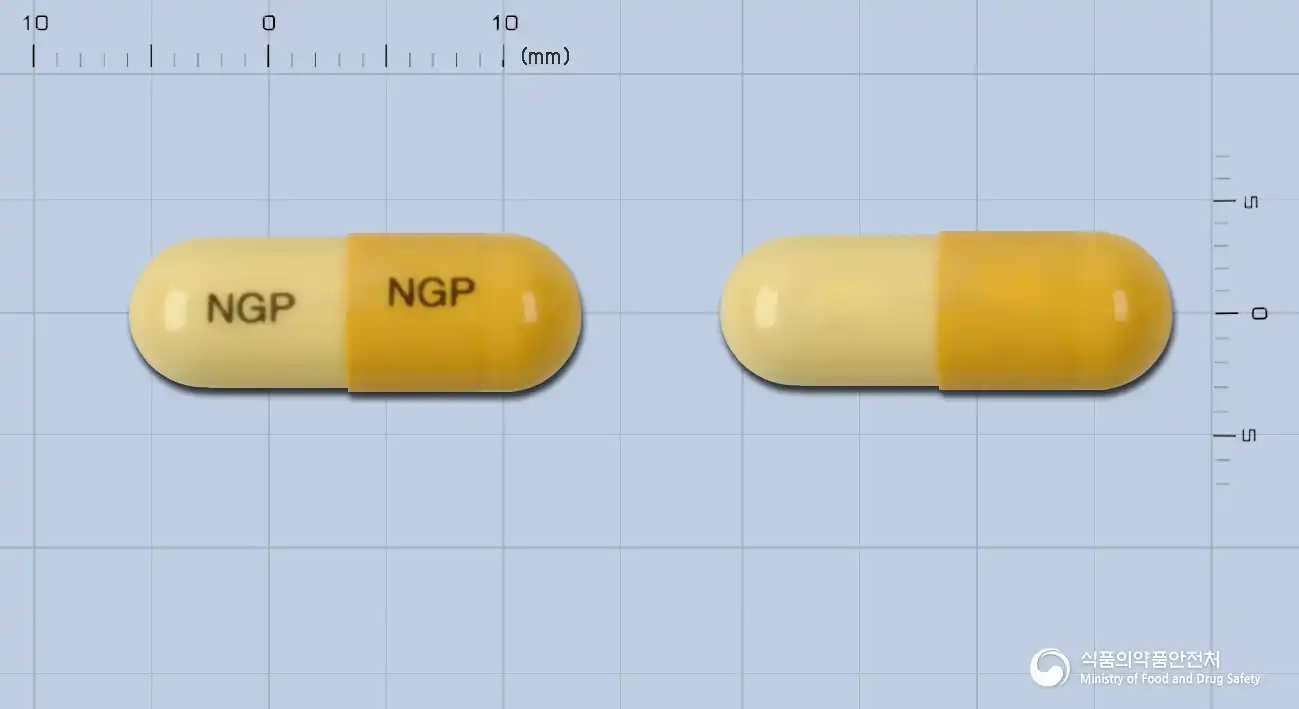
Nizatidine 150mg
Hard capsule · Prescription medication
Celix Co., Ltd.
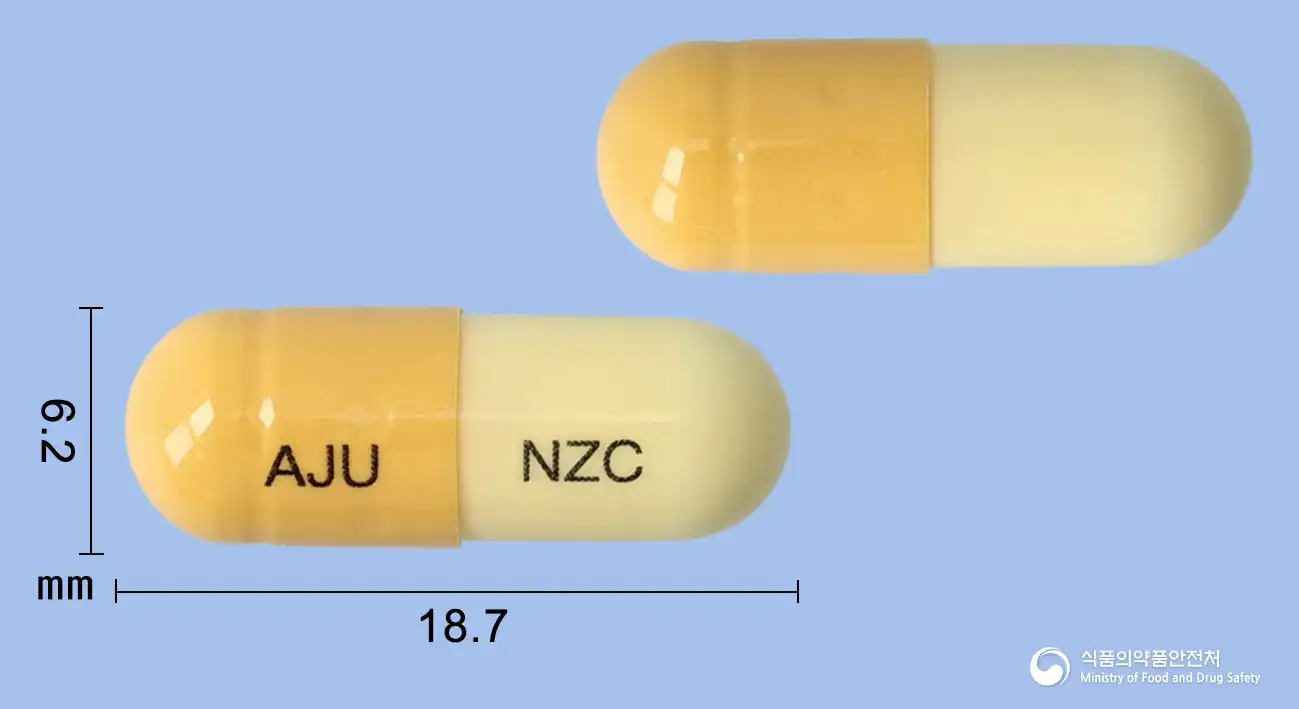
Nizatidine 150mg
Hard capsule · Prescription medication
Ajou Pharmaceutical Co., Ltd.
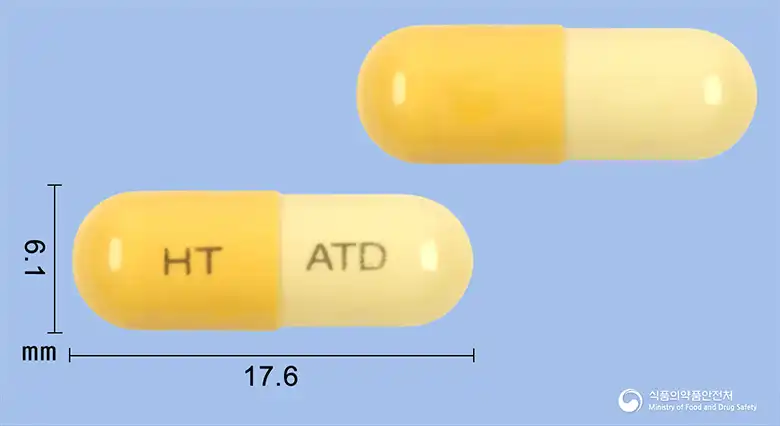
Nizatidine 150mg
Hard capsule · Prescription medication
Hankook Hyutex Pharmaceutical Co., Ltd.
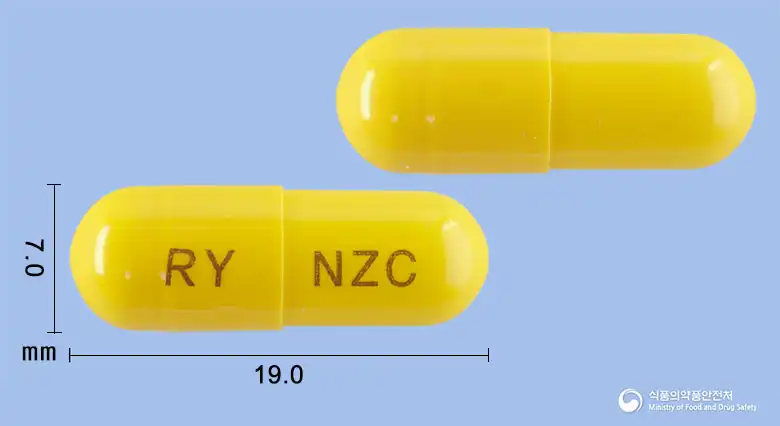
Nizatidine 150mg
Hard capsule · Prescription medication
IYON Pharmaceutical Co., Ltd.
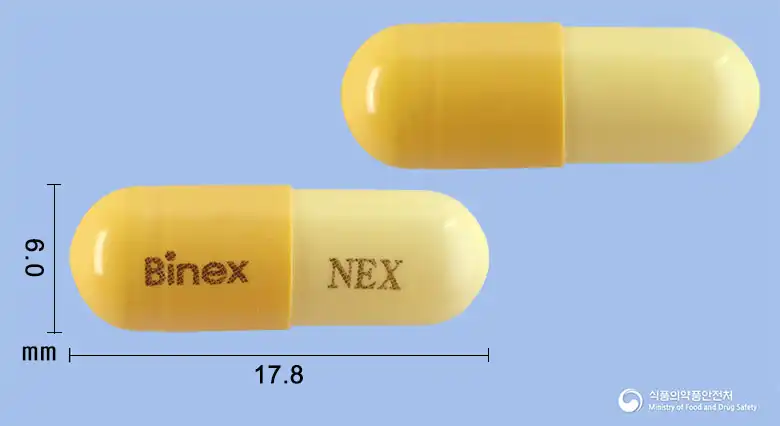
Nizatidine 150mg
Hard capsule · Prescription medication
Bionex Co., Ltd.
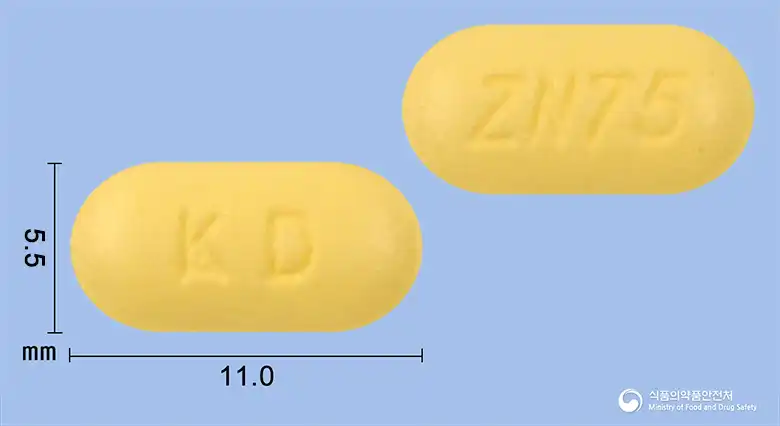
Nizatidine 75mg
Tablet · OTC medication
Kyungdong Pharmaceutical Co., Ltd.
Nizatidine 75mg
Tablet · OTC medication
HLB Pharmaceuticals Co., Ltd.
Even with the same ingredient, the dose and directions can differ by strength and dosage form. Talk to a doctor or pharmacist before switching from a medication you are already taking.
No questions yet.
For anything that needs medical judgment, consult a doctor or pharmacist.
This drug information is based on data provided by the Korea Ministry of Food and Drug Safety.
Consult a doctor or pharmacist for accurate dosage, administration, and usage instructions.