
 한국어
한국어 English
 日本語
日本語 中文(简体)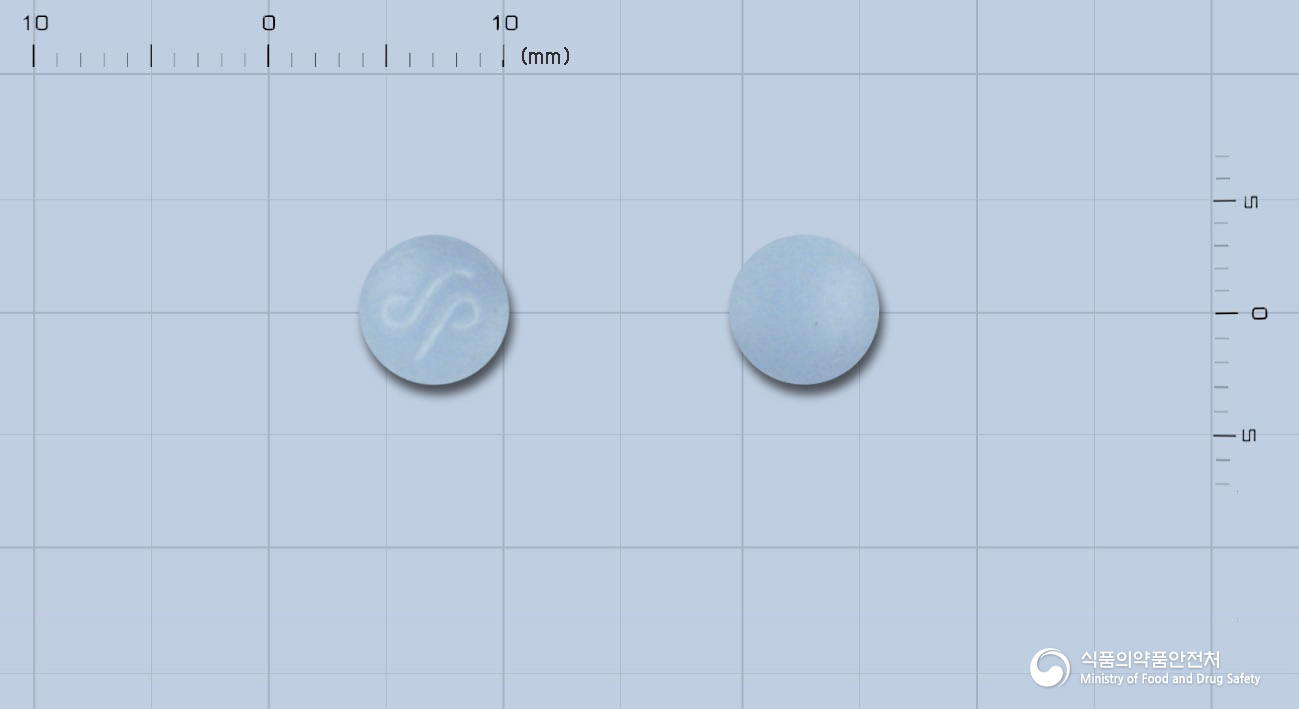
Summary
- Main use
- Relief of symptoms of allergic rhinitis and chronic idiopathic urticaria
- Who takes it
- Adults
- Adult dose
- Adults and children over 12 years: take 1 tablet (5 mg of desloratadine) orally once a day, regardless of meals.
Ingredients
- Importer
- 한국오가논(주)
Efficacy & effects
Relief of symptoms of allergic rhinitis and chronic idiopathic urticaria
- Symptoms of allergic rhinitis
- symptoms of chronic idiopathic urticaria
View approved original textHide original text
This medication is used for the relief of symptoms of allergic rhinitis and chronic idiopathic urticaria.
How to take
Adult dose
Adults and children over 12 years: take 1 tablet (5 mg of desloratadine) orally once a day, regardless of meals.
Precautions
This medication should not be used by individuals with known allergies to certain ingredients or with a history of such experiences. It is not recommended for children under 12 years of age due to lack of established safety. Individuals with certain genetic metabolic disorders should also avoid this medication. Patients with poor kidney or liver function, the elderly, and those with a history of seizures or a family history of seizures should use this medication with caution. In children, because this medication may induce new seizures, consideration should be given to discontinuation if seizures occur. This medication may cause side effects such as fatigue, dry mouth, headache, sore throat, menstrual pain, etc. Occasionally, neurological symptoms such as hallucinations, abnormal behavior, dizziness, drowsiness, insomnia, and seizures have also been reported. Rarely, symptoms such as rapid heartbeat, dyspepsia, liver dysfunction, muscle pain, and allergic reactions may occur. According to domestic experience, symptoms such as dry mouth, drowsiness, pharyngitis, and dizziness have been reported. It does not significantly affect driving or machine operation, but caution should be taken as drowsiness may occur infrequently. This medication does not have significant interactions when used with certain antibiotics and does not enhance the effects of alcohol when taken together. Safety during pregnancy has not been established, and breastfeeding women are also advised to avoid this medication. For children under 12 years of age, it is advisable not to use it due to lack of confirmed safety and efficacy. Elderly patients should carefully determine the dose considering decreased liver, kidney, or heart function and other diseases or medications they are taking. In case of overdose, standard treatment to eliminate remaining medication and symptomatic relief is needed, and this medication is not removed by dialysis. Animal studies have shown an increased occurrence of certain cancers with long-term use, but its significance in humans is not yet clear.
Side effects and when to seek care immediately
Serious side effects
- Urticaria
- angioedema
- respiratory distress
- anaphylaxis
Mild side effects
- Fatigue
- dry mouth
- headache
- pharyngitis
- menstrual pain
- hallucinations
- abnormal behavior
- aggression
- dizziness
- drowsiness
Show 27 moreCollapse
- insomnia
- psychomotor hyperactivity
- seizures
- tachycardia
- palpitations
- QT prolongation
- abdominal pain
- nausea
- vomiting
- dyspepsia
- diarrhea
- elevated liver enzymes
- increased bilirubin levels
- hepatitis
- muscle pain
- pruritus
- rash
- increased appetite
- tonsillitis
- pneumonia
- paronychia
- bronchitis
- acute sinusitis
- conjunctivitis
- athlete's foot
- constipation
- enteritis
Not everyone experiences these, and they can vary from person to person.
Storage
This medication should be stored at temperatures between 2 to 30 degrees Celsius and kept in a tightly closed container to prevent exposure to air. This will help maintain the effectiveness of the medication and prevent deterioration.
Appearance and packaging
Appearance
Light blue, biconvex, round tablet
Package unit
30 tablets (15 tablets/PTP x 2 PTP)
Questions about this medicine
No questions yet.
For anything that needs medical judgment, consult a doctor or pharmacist.