
 한국어
 English
 日本語
 中文(简体)
Dosage form image
Viewing nowSigmart 48 mg (Nicorandil)
Nicorandil 48mg
Injections · Prescription medication
JW Pharmaceutical Co., Ltd.
MFDS item code 200008882 · Approved 2000.11.21 · Insurance code 644901321
Treatment of unstable angina
This medication is used for heart diseases such as unstable angina.
Dissolve this medicine in saline injection or 5% dextrose injection to prepare a 0.01~0.03% solution. In adults, administration is usually initiated by continuous intravenous infusion of nicorandil at 2mg per hour. The dose may be adjusted according to the patient's condition, but the maximum dose is 6mg per hour.
This medication should not be administered to patients with severely impaired liver or kidney function, as it may not be excreted well from the body and can lead to elevated blood concentration. It should also be avoided in patients with severe brain damage due to the risk of excessively low blood pressure adversely affecting brain function. Patients with severe hypotension or very weak heart function may experience worsening symptoms from this medication. Use with caution in patients with pulmonary hypertension or certain heart diseases, as this medication may negatively affect blood pressure and heart function. It is advisable to refrain from administering this drug in dehydrated patients due to the risk of heart function deterioration. For patients with neurocirculatory asthenia, the effectiveness of this medication is uncertain, so careful judgment is necessary. Patients with glaucoma should avoid this drug as it may increase intraocular pressure. Patients with allergies to this drug or similar classes of drugs should not take it. Additionally, concurrent use with certain erectile dysfunction treatments or vasodilators may result in excessively low blood pressure, so combination should be avoided. Caution is required when administering to the elderly, patients with low blood pressure, those with impaired liver or kidney function, and patients with acute pulmonary edema. Blood pressure and blood circulation status should be frequently monitored during use, and immediate action should be taken if abnormal symptoms occur. If blood pressure drops too low during administration, the dosage should be reduced or discontinued, and if necessary, the legs may be elevated or medications to raise blood pressure may be used. This medication may cause side effects such as liver dysfunction, thrombocytopenia, headache, dizziness, nausea, and vomiting, so if symptoms occur, immediate consultation with medical personnel is advised. It is advisable for women who are pregnant or may become pregnant to refrain from using this drug, and breastfeeding should be discontinued during use. Safety for children has not been established, so it is preferable not to use in pediatric patients. In case of overdose, excessive hypotension and tachycardia may occur, so immediate medical attention should be sought. When administering, it should be diluted with the prescribed solution and used within 24 hours, requiring careful management of the medication.
Not everyone experiences these, and they can vary from person to person.
This medication should be stored in a sealed container to protect it from air exposure and preferably kept at a cool temperature below 10 degrees. Proper storage will help maintain the drug's effectiveness for a longer duration.
A freeze-dried white powder or lump contained in a colorless, transparent vial.
10 vials
Even with the same ingredient, strength, dosage form and how it is taken can differ.
Nicorandil 48mg
Injections · Prescription medication
JW Pharmaceutical Co., Ltd.
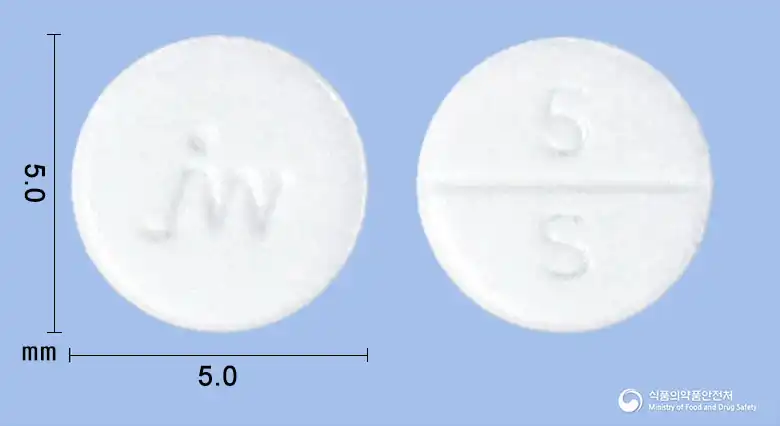
Nicorandil 5mg
Tablet · Prescription medication
JW Pharmaceutical Corp.
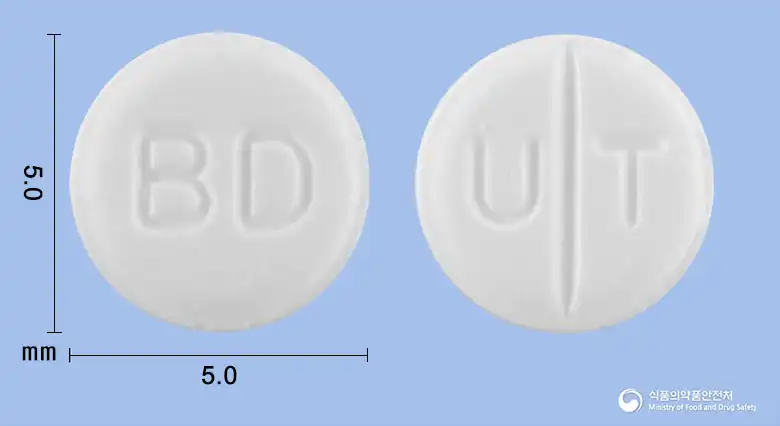
Nicorandil 5mg
Tablet · Prescription medication
Korea United Pharm Inc.
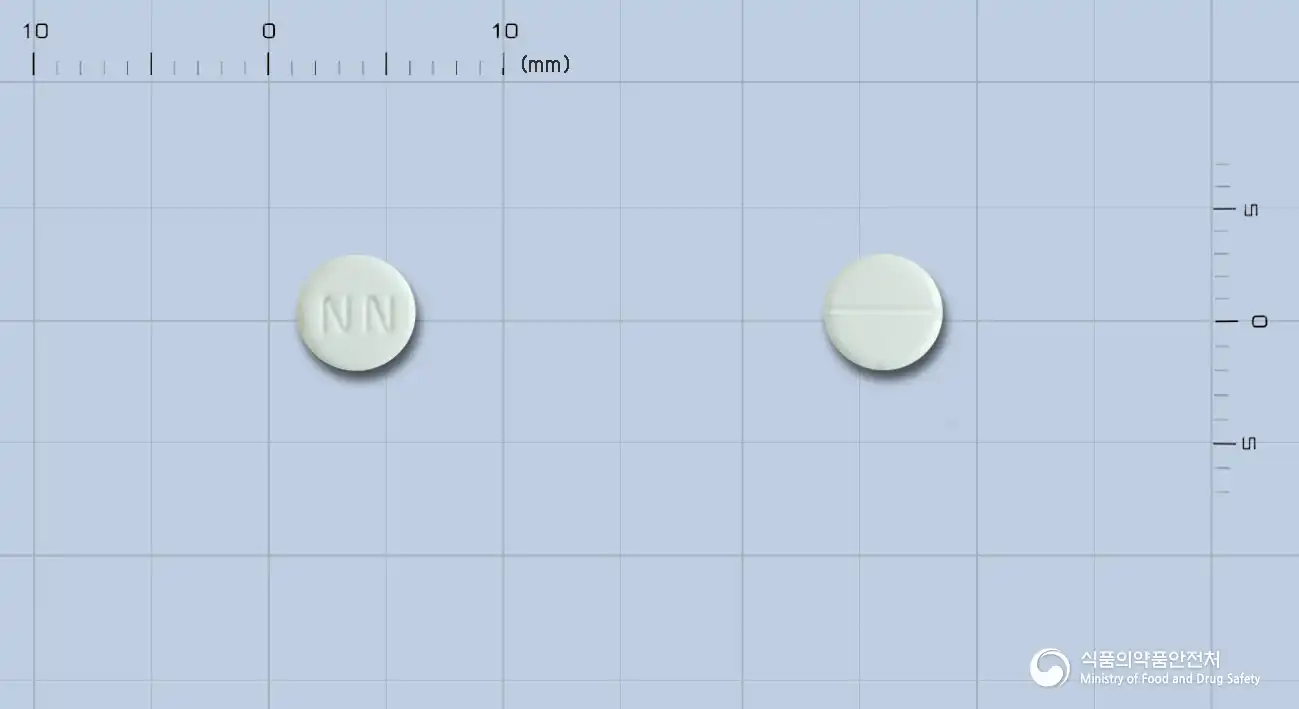
Nicorandil 5mg
Tablet · Prescription medication
Genewon Pharmaceuticals Co., Ltd.
Even with the same ingredient, the dose and directions can differ by strength and dosage form. Talk to a doctor or pharmacist before switching from a medication you are already taking.
No questions yet.
For anything that needs medical judgment, consult a doctor or pharmacist.
This drug information is based on data provided by the Korea Ministry of Food and Drug Safety.
Consult a doctor or pharmacist for accurate dosage, administration, and usage instructions.