
 한국어
 English
 日本語
 中文(简体)
 Viewing now
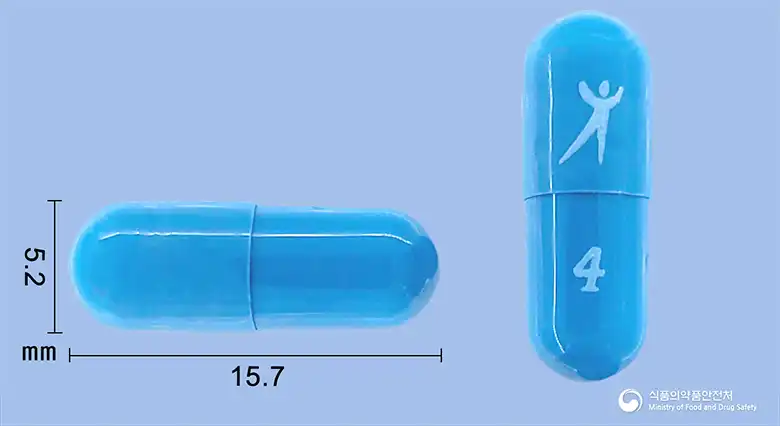
Detrusitol SR Capsule 4mg (Tolterodine L-tartrate)
Tolterodine-L-Tartrate 4mg
Prescription medication
Viatris Korea Co., Ltd.
MFDS item code 200008568 · Approved 2006.09.11 · Insurance code 073400080
Treatment of overactive bladder (e.g., urinary urgency, frequency)
This medication is used to treat symptoms of overactive bladder, such as urinary urgency, frequency, and urgency incontinence. These symptoms include a sudden strong urge to urinate or urinating frequently. The drug alleviates symptoms by regulating excessive contractions of the bladder muscles, improving the quality of life for patients. Regular use of this medication stabilizes symptoms and makes daily life more comfortable. Therefore, it effectively improves symptoms of overactive bladder.
Adults: Administer 4 mg of tolterodine L-tartrate orally once daily. Patients with renal impairment, hepatic impairment, or receiving ketoconazole or another potent CYP3A4 inhibitor: Administer 2 mg of this medicine once daily. If adverse reactions occur, the dose may be reduced from 4 mg to 2 mg once daily. This medicine may be taken with or without food. Swallow the dosage form whole; do not crush or split it.
This medication should not be used in patients with urinary retention symptoms or gastrointestinal motility disorders. It should also not be administered to patients with uncontrolled angle-closure glaucoma, severe myasthenia gravis, severe ulcerative colitis, or toxic megacolon. Use with caution in patients who are at risk of urinary retention or have controlled angle-closure glaucoma, gastrointestinal obstructive diseases, or renal and liver function impairments. Be cautious of potential drug interactions when taking this medication together with certain antibiotics, antifungals, immunosuppressants, etc. While using this medication, side effects such as dry mouth, dyspepsia, and decreased tear production may occur, and rarely symptoms such as dizziness, headache, and difficulty urinating may arise. There is a risk of heart problems associated with QT interval prolongation, so patients with heart disease or electrolyte abnormalities must consider this factor. Caution is required when driving or operating machinery, as these activities may be affected. Pregnant or breastfeeding women are advised not to take this medication, and women of childbearing age should use appropriate contraception. The safety and efficacy of this medication in children have not been adequately confirmed, so its use is not recommended. In cases of overdose, symptoms such as visual disturbances, difficulty urinating, and severe agitation may occur, necessitating immediate medical attention and appropriate treatment. Keep out of reach of children and avoid transferring the medication to other containers.
Not everyone experiences these, and they can vary from person to person.
This medication may be sensitive to air and moisture, so it must be stored in a tightly sealed container. Additionally, it is recommended to store the medication at room temperature, specifically below 25 degrees Celsius. This will help maintain the medication's effectiveness and safety for a longer period.
A blue capsule with white granules inside.
30 capsules/bottle
Even with the same ingredient, strength, dosage form and how it is taken can differ.
Viewing nowTolterodine-L-Tartrate 4mg
Prescription medication
Viatris Korea Co., Ltd.
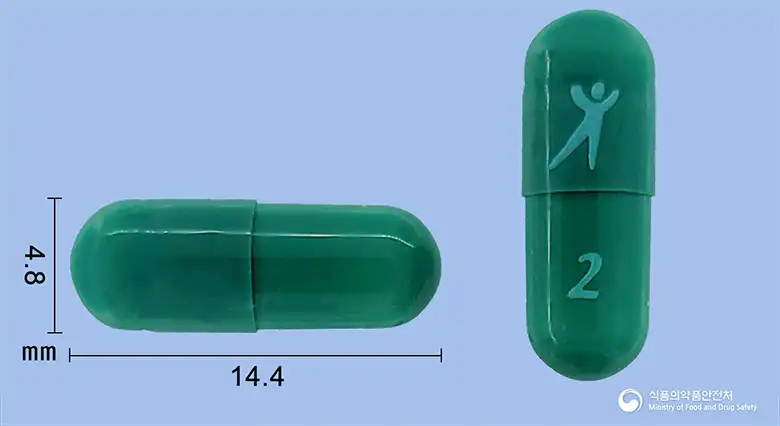
Tolterodine-L-Tartrate 2mg
Prescription medication
Viatris Korea Co., Ltd.
Tolterodine-L-Tartrate 2mg
Tablet · Prescription medication
Daewon Pharmaceutical Co., Ltd.
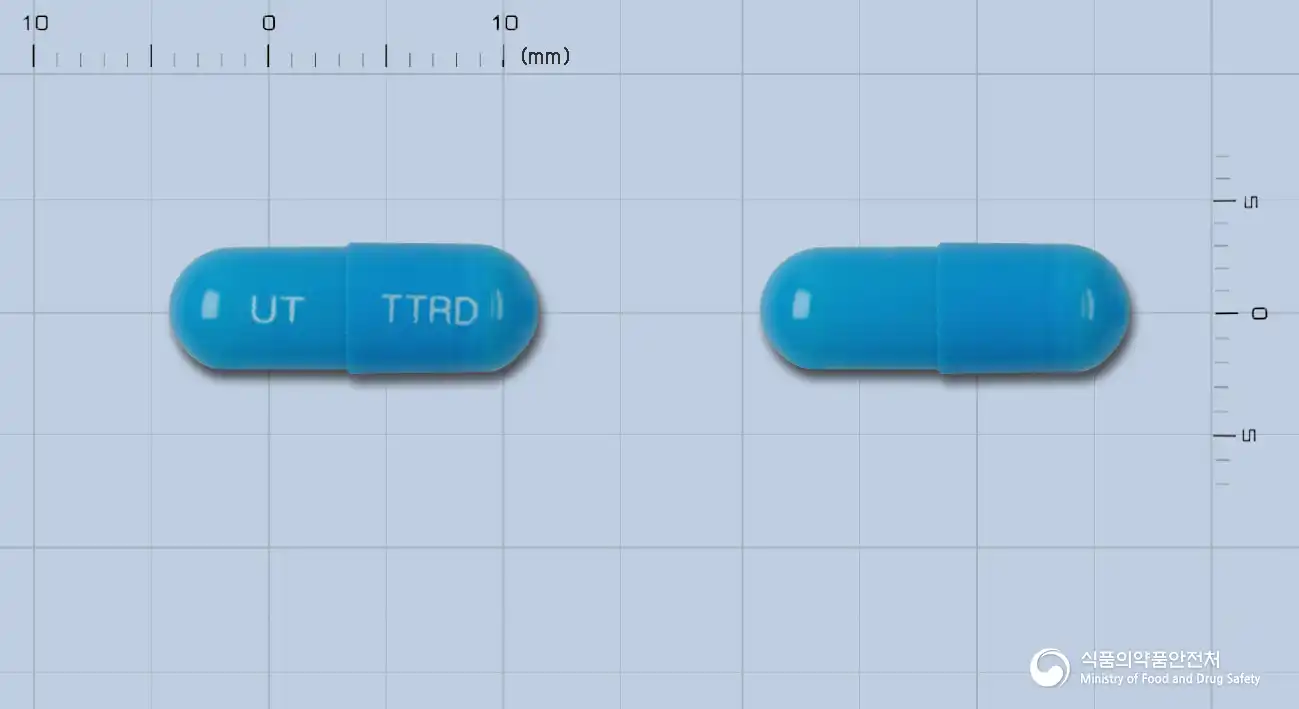
Tolterodine-L-Tartrate 4mg
Prescription medication
Korea United Pharm, Co., Ltd.
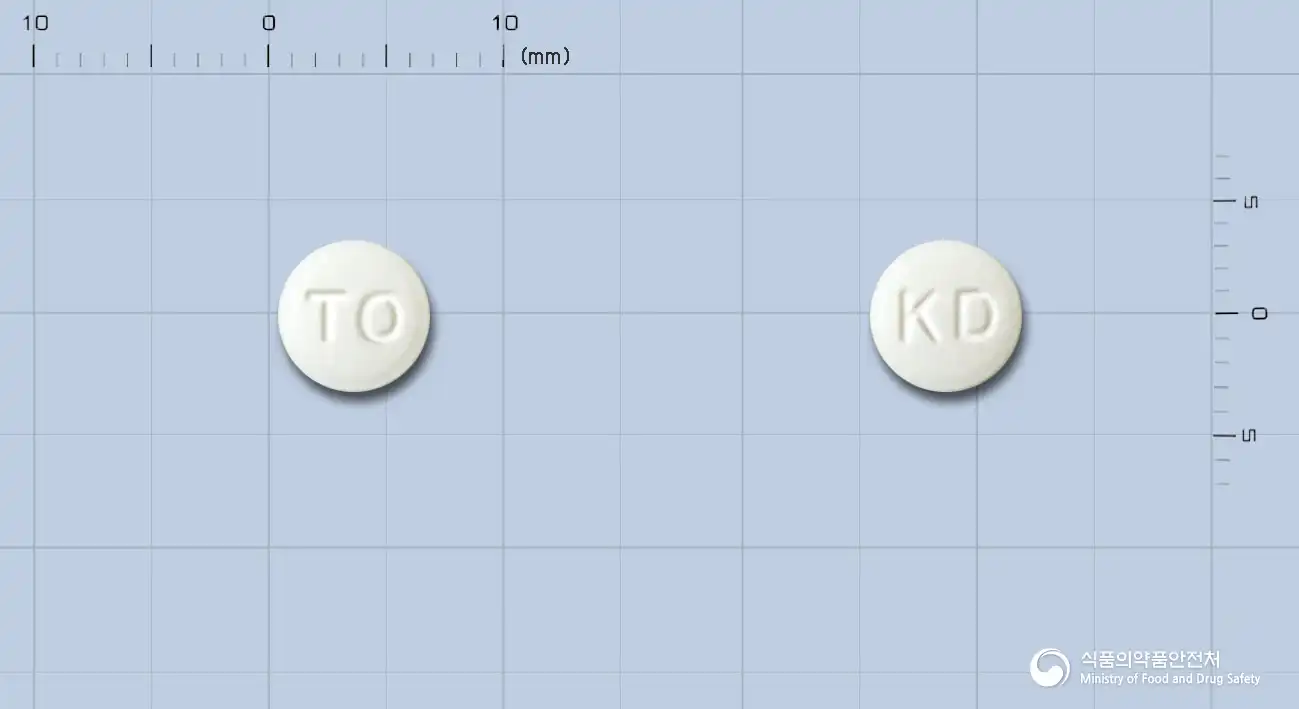
Tolterodine-L-Tartrate 2mg
Tablet · Prescription medication
Kyungdong Pharmaceutical Co., Ltd.
Tolterodine-L-Tartrate 4mg
Tablet · Prescription medication
Vynex Co., Ltd.
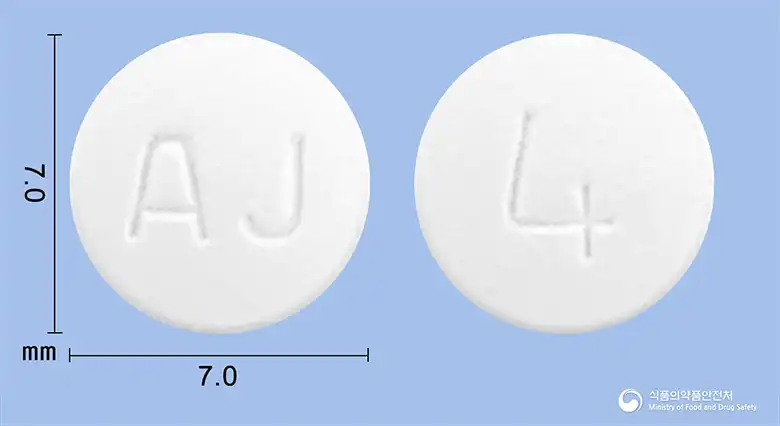
Tolterodine-L-Tartrate 4mg
Tablet · Prescription medication
Aju Pharmaceuticals Co., Ltd.
Tolterodine-L-Tartrate 4mg
Tablet · Prescription medication
Ahn-Guk Pharmaceutical Co., Ltd.
Even with the same ingredient, the dose and directions can differ by strength and dosage form. Talk to a doctor or pharmacist before switching from a medication you are already taking.
No questions yet.
For anything that needs medical judgment, consult a doctor or pharmacist.
This drug information is based on data provided by the Korea Ministry of Food and Drug Safety.
Consult a doctor or pharmacist for accurate dosage, administration, and usage instructions.