
 한국어
 English
 日本語
 中文(简体)
 Viewing now
GL-Piroxicam Capsule 10 mg
Piroxicam 10mg
Hard capsule · Prescription medication
GL Pharma Co., Ltd.
MFDS item code 200003825 · Notified 2000.09.26 · Insurance code 649700860
Relief of arthritis (including rheumatoid arthritis and osteoarthritis) and chronic pain (including back and shoulder pain)
This medication is used only when other non-steroidal anti-inflammatory drugs are ineffective or insufficient. It is particularly effective for chronic inflammatory conditions such as rheumatoid arthritis, osteoarthritis, and ankylosing spondylitis. It can also be administered for chronic low back pain, frozen shoulder, and Carpal tunnel syndrome. Specifically, it is used to improve chronic inflammatory pain that does not respond to existing treatments.
(Oral) Adults: Administer 20 mg of piroxicam orally once daily. The maximum recommended daily dose is 20 mg of piroxicam. To reduce the risk of adverse reactions, use the minimum effective dose for the shortest duration. The therapeutic effect and tolerability of this drug should be reviewed within 14 days of starting treatment. If continued treatment is considered necessary, more frequent reviews should be conducted. (Injection) Adults: Administer 20 mg of piroxicam by intramuscular injection once daily. The maximum recommended daily dose is 20 mg of piroxicam. To reduce the risk of adverse reactions, use the minimum effective dose for the shortest duration. The therapeutic effect and tolerability of this drug should be reviewed within 14 days of starting treatment. If continued treatment is considered necessary, more frequent reviews should be conducted. The oral or suppository formulation of this drug may be administered concomitantly, but the total amount administered by both routes must not exceed the maximum recommended daily dose.
This drug carries a risk of gastrointestinal bleeding in individuals who regularly consume more than three alcoholic beverages per day, so consultation with a doctor or pharmacist is essential. Non-steroidal anti-inflammatory drugs, including this medication, may increase the risk of serious thromboembolic events such as myocardial infarction or stroke. Particularly, those with cardiovascular disease or risk factors need to be more cautious and should closely monitor for cardiovascular symptoms during treatment. This medication can also cause serious gastrointestinal reactions such as gastrointestinal bleeding, ulcers, and perforations. Elderly patients or those on long-term treatment may be at greater risk, so attention to gastrointestinal symptoms is needed and treatment should be stopped immediately if any adverse symptoms occur. Severe skin reactions, such as Stevens-Johnson syndrome or toxic epidermal necrolysis, may also occur, so if there are skin rashes or hypersensitivity reactions, the medication should be stopped immediately. This drug should not be taken by individuals with a history of gastrointestinal ulcers, bleeding, severe liver or kidney disease, severe heart failure, hypertension, or drug allergies. Additionally, it should not be administered during pregnancy or breastfeeding, to elderly patients over 80 years of age, or to children. Regular monitoring of liver and kidney function and blood tests is needed during treatment, and if any abnormal signs are noticed, consultation with a doctor is required. The risk of side effects may increase when taken in combination with other non-steroidal anti-inflammatory drugs or certain medications, so combination therapy must be discussed with a professional. During late pregnancy, use of this medication should be avoided as it may be harmful to the fetus, and it is also not recommended during breastfeeding due to safety not being established. In case of overdose, symptoms such as drowsiness, nausea, vomiting, and gastrointestinal bleeding may occur, requiring immediate medical attention.
Gastrointestinal bleeding, peptic ulcer, hematemesis, hematochezia, epigastric pain, gastric discomfort, loss of appetite, nausea, vomiting, diarrhea, loose stools, stomatitis, dyspepsia, abdominal bloating, constipation, glossitis, shock, drug reaction with eosinophilia and systemic symptoms (DRESS syndrome), Stevens-Johnson syndrome, Lyell's syndrome, photosensitivity reaction, onycholysis, abnormal nail growth, hair loss, vesicular reactions, anemia, granulocytopenia, thrombocytopenia, aplastic anemia, bone marrow suppression, petechiae, leukopenia, pancytopenia, eosinophilia, hypertension, congestive heart failure, acute cardiac conditions, jaundice, hepatitis, elevated AST/ALT, elevated ALP, elevated LDH, acute renal failure, fluid retention, oliguria, hematuria, proteinuria, elevated BUN, elevated serum creatinine, hyperkalemia, rash, pruritus, bronchospasm, urticaria, angioedema, vasculitis, serum sickness, drowsiness, dizziness, headache, tinnitus, tingling in the hands and feet, depression, irritability, hallucinations, mood changes, mental confusion, allergic edema of the face and hands, thirst, general malaise, blurred vision, eye irritation, shoulder stiffness, fever, palpitations, dyspnea
Not everyone experiences these, and they can vary from person to person.
Store this medication in a tightly closed container to prevent air exposure, preferably at a temperature between 1 and 30 degrees Celsius. Storing it this way will help maintain its effectiveness over time.
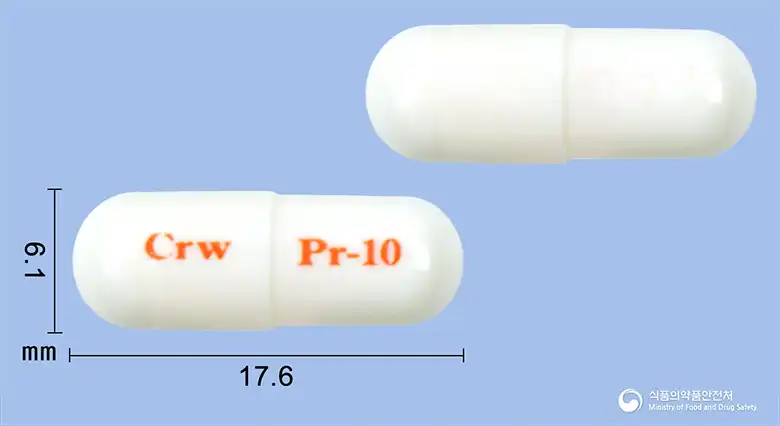
A hard capsule with white to off-white contents
1000 capsules/bottle
Even with the same ingredient, strength, dosage form and how it is taken can differ.
Viewing nowPiroxicam 10mg
Hard capsule · Prescription medication
GL Pharma Co., Ltd.

Piroxicam 20mg
Tablet · Prescription medication
(Ltd.) Genupharma
Piroxicam 5mg
OTC medication
Shinpoong Pharmaceutical Co., Ltd.
Piroxicam 20mg
Prescription medication
Donggwang Pharmaceutical Co., Ltd.
Piroxicam 20mg
Injections · Prescription medication
Ajou Pharmaceutical Co., Ltd.

Piroxicam 20mg
Hard capsule · Prescription medication
GL Pharma Co., Ltd.
Piroxicam 20mg
Prescription medication
Youyoung Pharmaceutical Co., Ltd.
Piroxicam 20mg
Injections · Prescription medication
Withers Pharmaceuticals Co., Ltd.
Even with the same ingredient, the dose and directions can differ by strength and dosage form. Talk to a doctor or pharmacist before switching from a medication you are already taking.
No questions yet.
For anything that needs medical judgment, consult a doctor or pharmacist.
This drug information is based on data provided by the Korea Ministry of Food and Drug Safety.
Consult a doctor or pharmacist for accurate dosage, administration, and usage instructions.