
 한국어
 English
 日本語
 中文(简体)
Dosage form image
Viewing nowSinil Ovastatin Tablet (Rosuvastatin)
Lovastatin 20mg
Tablet · Prescription medication
Sinil Pharmaceutical Co., Ltd.
MFDS item code 200003021 · Notified 2000.04.18
This product's status changed to Expired on 2024.10.01. It may no longer be sold, so consult a doctor or pharmacist before taking it.
Treatment of primary hyperlipidemia and prevention of coronary artery disease due to hyperlipidemia
This medication is used to treat primary hyperlipidemia, particularly combined hypercholesterolemia and hypertriglyceridemia. It helps reduce the risk of coronary artery diseases caused by hyperlipidemia. Therefore, it is effective in protecting cardiovascular health by controlling blood lipid levels. It is used to improve vascular health and reduce the risk of heart diseases.
Adults: Administer 20-80㎎ of lovastatin orally in 1 to several divided doses daily, together with dietary therapy. The initial dose is 20㎎ once daily with the evening meal. For patients with markedly elevated serum cholesterol levels [i.e., > 300㎎/㎗ (7.8mmol/ℓ) while on a diet], administer 40㎎ daily. The maximum daily dose is 80㎎. Adjust the dose as appropriate according to age and symptoms.
This medication can cause myopathy, which may result in muscle pain or weakness. In severe cases, it can lead to a serious condition called rhabdomyolysis, which can acutely deteriorate kidney function. The higher the dose of this medication, the greater the risk of myopathy, so dose adjustments should be carefully monitored. Patients at high risk for myopathy, such as those with a family history, those taking other medications concurrently, those with hypothyroidism, excessive alcohol consumption, elderly individuals, or those with poor kidney or liver function, should use caution. If symptoms like muscle pain, tenderness, or weakness occur during the use of this medication, they should inform a doctor immediately, and if myopathy is suspected, the medication should be discontinued. Additionally, it is advisable to regularly check the muscle damage marker, creatine kinase (CK), through blood tests while taking this medication. This drug may affect liver function; therefore, patients with liver disease or abnormal liver function test results should definitely consult a physician before taking it. If symptoms of liver dysfunction, such as fatigue, loss of appetite, abdominal discomfort, changes in urine color, or jaundice, appear, they should immediately inform healthcare professionals and discontinue the medication. Women who are pregnant or breastfeeding should not take this medication, and women of childbearing age should only take it when the possibility of pregnancy is low. This medication is not recommended for children as its safety and efficacy have not been established. Furthermore, this drug can significantly increase the risk of myopathy when taken with certain medications; therefore, patients taking other drugs should inform their doctor or pharmacist. It should particularly be avoided in combination with potent CYP3A4 inhibitors, fibrate medications, cyclosporine, certain antibiotics, and grapefruit juice (more than 1 liter per day). Elderly patients should also use this medication cautiously, considering its effects and safety. Any unusual symptoms while taking the medication should prompt an immediate consultation with healthcare professionals for appropriate action.
Myopathy, rhabdomyolysis, myalgia, tenderness, muscle weakness, myoglobinuria, acute renal failure, increased serum aminotransferase levels, jaundice, abdominal pain, constipation, diarrhea, dyspepsia, abdominal distension, nausea, muscle cramps, dizziness, headache, rash, blurred vision, chest pain, gastroesophageal reflux, dry mouth, vomiting, leg pain, shoulder pain, arthralgia, insomnia, paresthesia, alopecia, pruritus, ocular irritation, immune-mediated necrotizing myopathy, specific cranial nerve dysfunction, tremor, amnesia, peripheral neuropathy, peripheral nerve paralysis, psychiatric disorder, anxiety, sleep disorder, depression, cognitive impairment, interstitial lung disease, anaphylaxis, angioedema, lupus erythematosus syndrome, polymyositis, dermatomyositis, vasculitis, purpura, thrombocytopenia, leukopenia, hemolytic anemia, positive antinuclear antibodies, increased erythrocyte sedimentation rate, eosinophilia, arthritis, urticaria, asthenia, photosensitivity, fever, chills, flushing, malaise, dyspnea, toxic epidermal necrolysis, Stevens-Johnson syndrome, pancreatitis, hepatitis, cholestatic jaundice, hepatic steatosis, cirrhosis, fulminant hepatic necrosis, liver cancer, anorexia, vomiting, alopecia, pruritus, various skin changes, gynecomastia, decreased libido, erectile dysfunction, cataract progression, ocular muscle paralysis, increased aminotransferase levels, increased ALP, increased γ-GT, increased bilirubin, thyroid dysfunction, hyperglycemia, hyperkalemia, myositis, perivascular hemorrhage and edema, perivascular monocyte infiltration, perivascular fibrin deposition, microvascular necrosis, optic nerve degeneration, vestibulocochlear Wallerian-like degeneration, retinal ganglion cell chromatolysis, CNS vascular damage, testicular atrophy, decreased spermatogenesis, giant cell formation
Not everyone experiences these, and they can vary from person to person.
This medication is sensitive to light, so it should be stored in a tightly closed container that blocks light. Additionally, it should be stored at room temperature between 1 degree and 30 degrees Celsius. Proper storage will help maintain the drug's effectiveness.
Light blue round tablets
30 tablets/bottle, 100 tablets/bottle
Even with the same ingredient, strength, dosage form and how it is taken can differ.
Lovastatin 20mg
Tablet · Prescription medication
Sinil Pharmaceutical Co., Ltd.
Lovastatin 20mg
Tablet · Prescription medication
Jongkundang Co., Ltd.
Lovastatin 20mg
Tablet · Prescription medication
Ildong Pharmaceutical Co., Ltd.
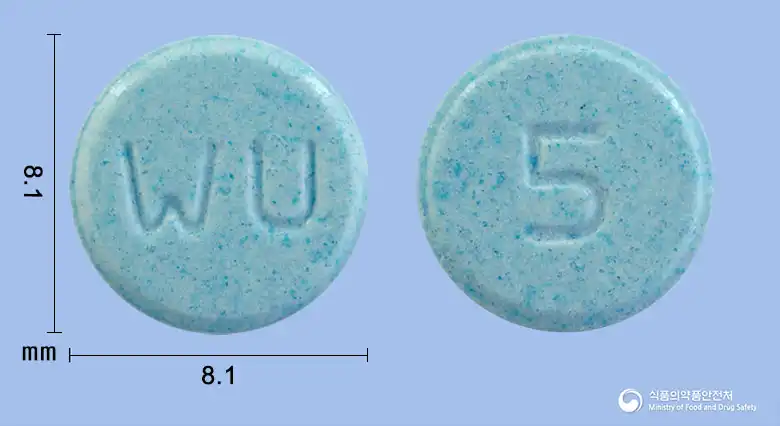
Lovastatin 20mg
Tablet · Prescription medication
Withus Pharmaceutical Co., Ltd.
Lovastatin 20mg
Tablet · Prescription medication
Korea Nelson Pharmaceutical Co., Ltd.
Even with the same ingredient, the dose and directions can differ by strength and dosage form. Talk to a doctor or pharmacist before switching from a medication you are already taking.
No questions yet.
For anything that needs medical judgment, consult a doctor or pharmacist.
This drug information is based on data provided by the Korea Ministry of Food and Drug Safety.
Consult a doctor or pharmacist for accurate dosage, administration, and usage instructions.