
 한국어
 English
 日本語
 中文(简体)
Dosage form image
Viewing nowOrphyl Syrup (Sodium Valproate)
Sodium Valproate 6000mg
Prescription medication
Bukwang Pharmaceutical Co., Ltd.
MFDS item code 200001939 · Notified 2000.05.22 · Insurance code 642201732
Prevention and treatment of epilepsy (absence seizures, partial seizures, etc.) and associated personality and behavioral disorders
This medication is used to treat various forms of epilepsy, including absence seizures, partial seizures, psychomotor seizures, and mixed seizures. It also aids in the prevention and treatment of behavioral problems that may arise due to epilepsy. In other words, it is effective in improving various symptoms of epilepsy and alleviating associated psychiatric and behavioral issues.
Adults: Administer an initial dose of 5-10 mg/kg of sodium valproate orally, increasing the dose by 5 mg every 4-7 days. The adult maintenance dose is 20 mg/kg per day. Adjust the dose appropriately according to age and symptoms.
The daily dose for children is 20-30 mg/kg.
This medication requires special caution in pregnant women or women of childbearing potential. Pregnant women should only use this medication when no alternative treatment is available, and women of childbearing potential should strictly adhere to a pregnancy prevention program. This medication can affect liver function, so patients with liver disease or impaired liver function should avoid its use. Special care should be taken when administering this medication alone to children, especially those under 3 years of age, due to a higher risk of liver damage. This medication may increase the risk of suicidal thoughts or behaviors, so changes in mental status should be carefully monitored during treatment. Occasionally, severe side effects such as significant liver damage or pancreatitis may occur, so regular liver function tests are essential during the first 6 months. Since there are many drug interactions, it is crucial to inform the physician or pharmacist of any other medications being taken. This medication can affect the central nervous system and may cause drowsiness or sedation, so it is advisable to avoid driving or operating dangerous machinery. Additionally, abruptly reducing or discontinuing the dose may exacerbate seizures, so adjustments should be made gradually according to the physician's instructions. Regular blood tests and liver function tests are important to monitor for adverse reactions during treatment. If planning for pregnancy or currently pregnant, it is essential to consult medical personnel for an appropriate treatment plan. Male patients should also exercise caution regarding sperm donation or pregnancy planning while taking this medication, and contraception is recommended for 3 months after discontinuation of treatment. This medication may cause a variety of side effects such as weight gain, hair loss, gastrointestinal disturbances, and blood abnormalities, so any symptoms should be reported to healthcare personnel immediately.
Changes in liver function test values, severe liver damage, increased seizure frequency, altered consciousness, drowsiness, coma, cognitive impairment, symptoms of dementia, Parkinson's disease, postural tremors, drowsiness, sedative effects, tremors, ataxia, headache, confusion, convulsions, altered mental status, hallucinations, dizziness, insomnia, anxiety, visual disturbances, nystagmus, diplopia, inability to maintain fixed posture, visual phenomena of spots, speech disturbances, sensory changes, excessive salivation, coma, hyperammonemia, consciousness disorders, emotional confusion, depression, psychosis, aggressiveness, hyperactivity, behavioral dementia, hyperammonemia, suicidal impulses, suicidal behavior, depression, increased appetite, abnormal weight gain, abdominal pain, loss of appetite, discomfort in the upper abdomen, constipation, stomatitis, nausea, abdominal pain, vomiting, diarrhea, pancreatitis, irregular menstruation, secondary amenorrhea, polycystic ovary syndrome, breast enlargement, galactorrhea, hyperandrogenemia, hair loss, hair discoloration, curly hair, skin rash, erythema multiforme, skin and mucous membrane syndrome, Stevens-Johnson syndrome, toxic epidermal necrolysis, Lyle's syndrome, erythematous rash, myasthenia, decreased fibrinogen, reduced concentration of coagulation factor VIII, prolonged bleeding time, hyperglycinemia, anemia, macrocytosis, pancytopenia, leukopenia, thrombocytopenia, hemolytic anemia, megaloblastic anemia, granulocytopenia, eosinophilia, decreased platelet aggregation, lymphocytopenia, neutropenia, petechiae, contusions, hematoma formation, true hemorrhage, pure red cell aplasia, bone marrow failure, hearing loss, tinnitus, interstitial nephritis, nocturia, Fanconi syndrome, hyperinsulinemia, decreased IGFBP-I, hypothermia, hyponatremia, syndrome of inappropriate antidiuretic hormone secretion, allergic reactions, angioedema, DRESS syndrome, erythematous lupus, vasculitis, allergic reactions, brain atrophy, dementia, hematuria, thirst, fatigue, epistaxis, systemic edema, localized edema, weight loss, weight gain, lupus-like syndrome, confusion, sedation, coma, myasthenia, diminished reflexes, areflexia, hypotension, miosis, cardiovascular diseases, respiratory diseases, cerebral edema, metabolic acidosis, hypokalemia, hypernatremia, abnormal neurological responses, behavioral changes, seizures
Not everyone experiences these, and they can vary from person to person.
This medication should be stored in a tightly closed container to prevent air or moisture from entering. Additionally, it is important to maintain a room temperature, specifically between 1 to 30 degrees Celsius, to preserve the drug's effectiveness and prevent degradation.
A slightly viscous liquid with a yellowish hue. It has an aromatic smell and taste.
150 milliliters/bottle
Even with the same ingredient, strength, dosage form and how it is taken can differ.
Sodium Valproate 6000mg
Prescription medication
Bukwang Pharmaceutical Co., Ltd.
Sodium Valproate 200mg
Prescription medication
Samjin Pharmaceutical Co., Ltd.
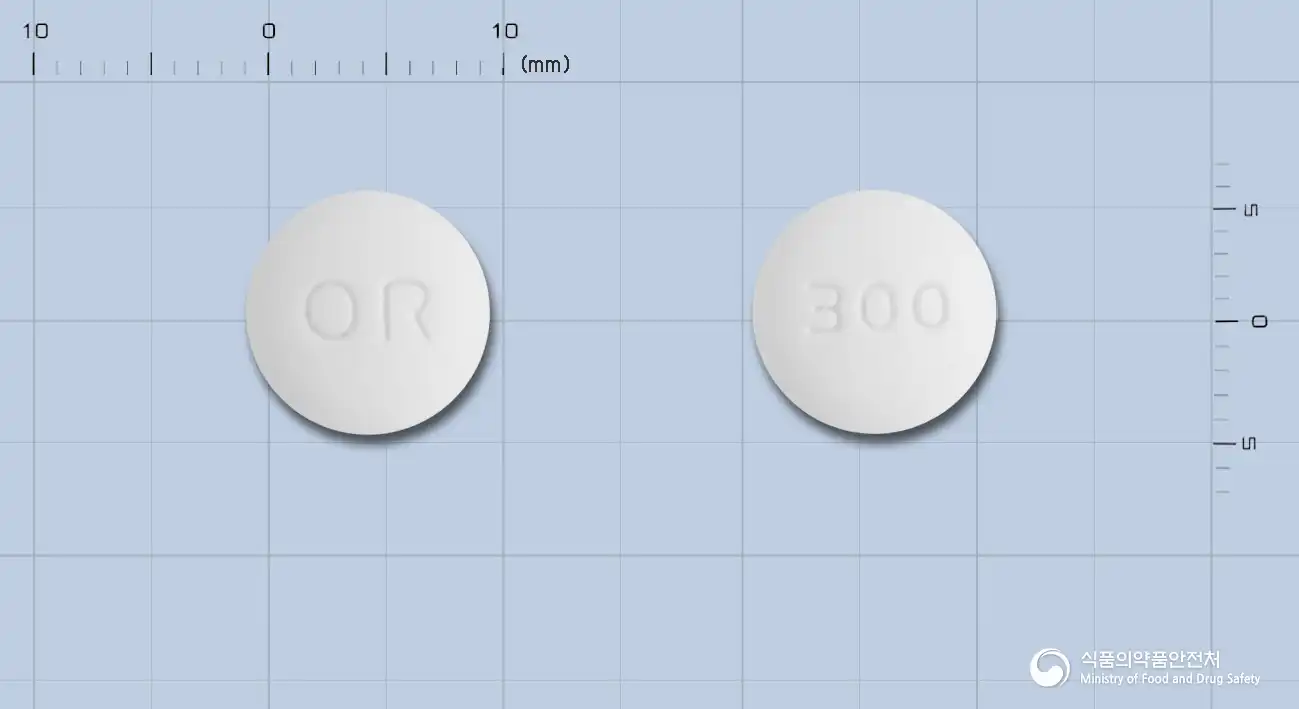
Sodium Valproate 300mg
Tablet · Prescription medication
BooKwang Pharmaceuticals Co., Ltd.
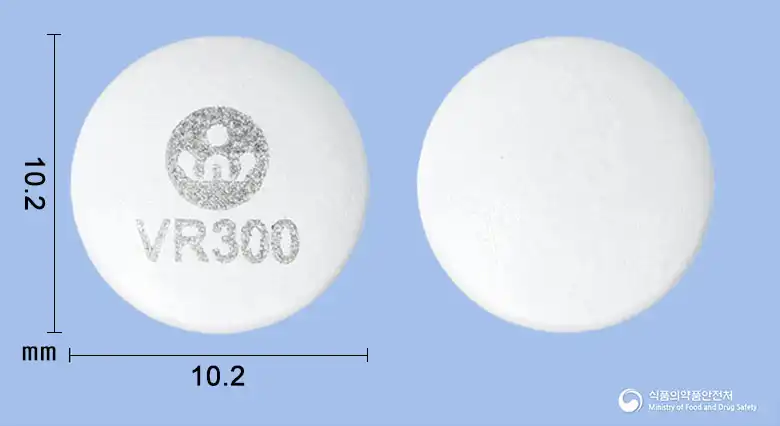
Sodium Valproate 300mg
Tablet · Prescription medication
Hwa In Pharmaceutical Co., Ltd.
Sodium Valproate 400mg
Injections · Prescription medication
Samjin Pharmaceutical Co., Ltd.
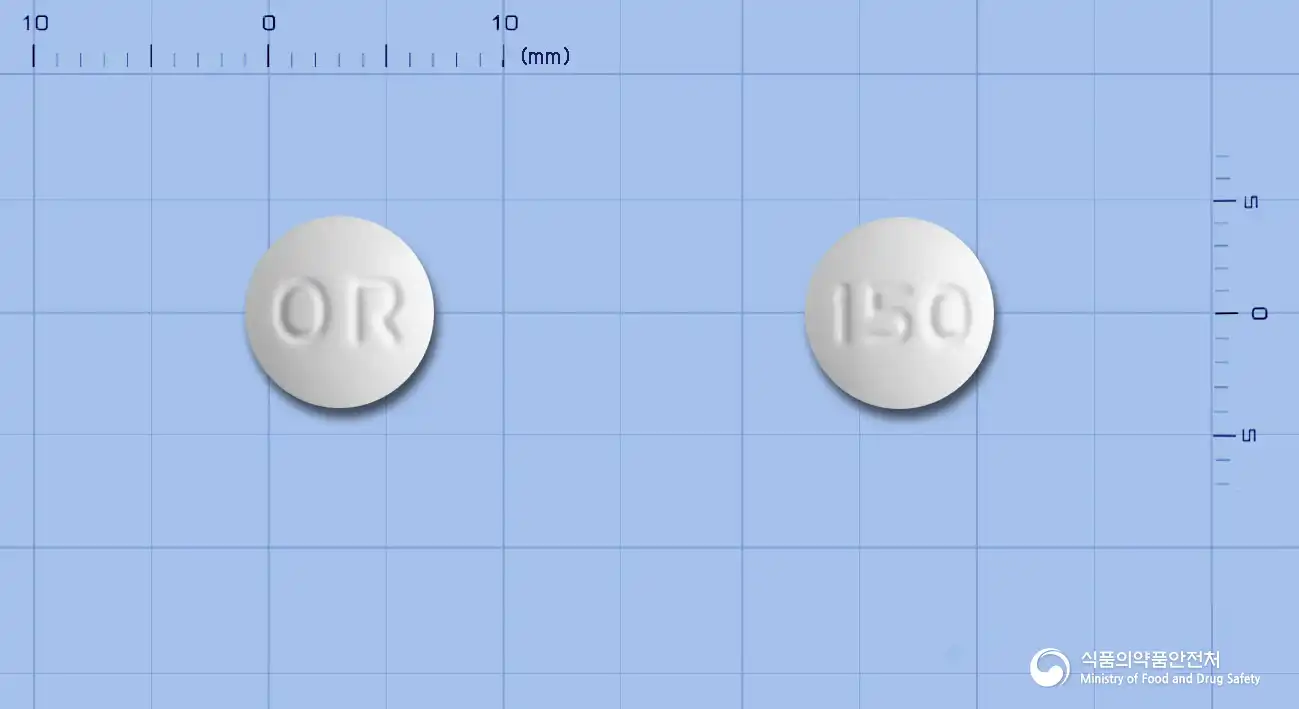
Sodium Valproate 150mg
Tablet · Prescription medication
Bukwang Pharmaceuticals Co., Ltd.
Sodium Valproate 100mg
Injections · Prescription medication
BooKwang Pharmaceutical Co., Ltd.
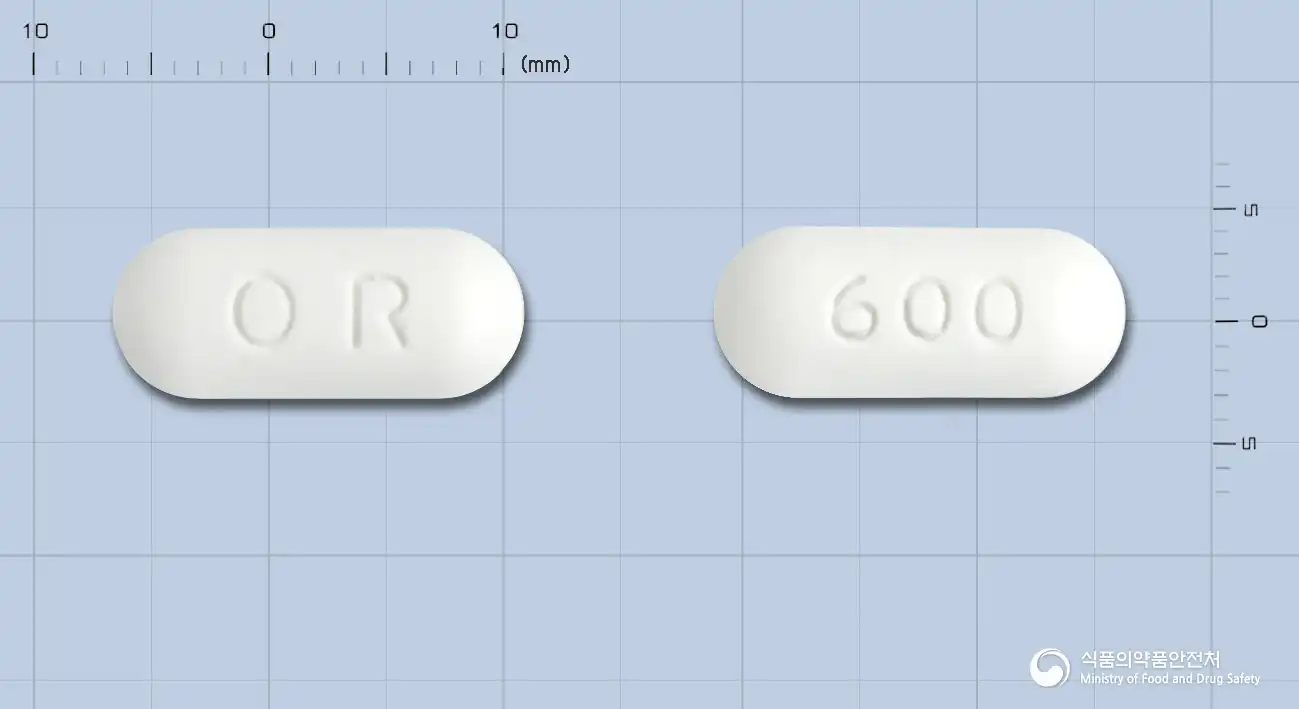
Sodium Valproate 600mg
Tablet · Prescription medication
Bukwang Pharmaceutical Co., Ltd.
Even with the same ingredient, the dose and directions can differ by strength and dosage form. Talk to a doctor or pharmacist before switching from a medication you are already taking.
No questions yet.
For anything that needs medical judgment, consult a doctor or pharmacist.
This drug information is based on data provided by the Korea Ministry of Food and Drug Safety.
Consult a doctor or pharmacist for accurate dosage, administration, and usage instructions.