
 한국어
한국어 English
 日本語
日本語 中文(简体)
 Viewing now
Kaycontin Sustained Release Tablets (Potassium Chloride)
Potassium Chloride 600mg
Tablet · Prescription medication
Dongkwang Pharmaceutical Co., Ltd.
MFDS item code 200001783 · Approved 2000.05.26 · Insurance code 645905140
Treatment of hypokalemia and digitalis toxicity
This medication is used to treat hypokalemia, especially hypokalemia that occurs after taking diuretics. It also helps improve symptoms caused by digitalis toxicity. It is effectively used for both conditions, contributing to the stabilization of the patient's condition.
Therapeutic dose: As potassium chloride, generally 1,200 to 3,000 mg daily divided appropriately for adults. Preventive dose: For patients on diuretics, take 600 mg once daily of this medication. Take after meals without chewing or crushing the tablets. Injection: As potassium chloride, generally 0.5 to 3 g for adults diluted in Ringer's solution, dextrose injection or normal saline solution to achieve a concentration of 0.3%
This medication should not be taken by patients with severely impaired kidney function, adrenal function issues, acute dehydration, or extensive tissue damage. Patients with hyperkalemia, gastrointestinal issues, or those who have experienced allergic reactions to this medication's ingredients should also avoid this drug. During treatment, this medication should not be taken together with specific diuretics or anti-aldosterone agents that can increase potassium levels in the body. Since it contains color additive Yellow No. 5, patients allergic to this component should take it with caution. Patients with reduced kidney function or heart disease, individuals with a history of peptic ulcers, and those taking specific medications should consult a doctor or pharmacist before use. Pregnant women should only take this medication when the therapeutic benefits are judged to outweigh the risks, and caution is also recommended for children and the elderly. If symptoms such as vomiting, severe abdominal pain, gastrointestinal bleeding, hives, or heart irregularities occur during treatment, discontinue use immediately and consult a professional. Long-term use requires regular monitoring of potassium levels in the blood, kidney function, and changes in electrocardiograms; if hyperkalemia occurs, use should be discontinued immediately. This medication may cause ulcers if it remains in the esophagus for a long time, so it should be taken with sufficient water, especially avoiding use just before sleep. In case of overdose, serious heart and neuromuscular problems may occur, thus attention to hyperkalemia symptoms is necessary, and appropriate treatment should be sought if needed.
Hives, electrocardiogram abnormalities, cardiovascular symptoms due to hyperkalemia (hypotension, shock, ventricular arrhythmias, heart block, cardiac arrest, ventricular fibrillation), respiratory paralysis due to rhabdomyolysis
Not everyone experiences these, and they can vary from person to person.
This medication is sensitive to light and should be stored in a container that can block light. Additionally, it is important to store it at room temperature between 1 to 30 degrees Celsius to maintain the drug's efficacy.
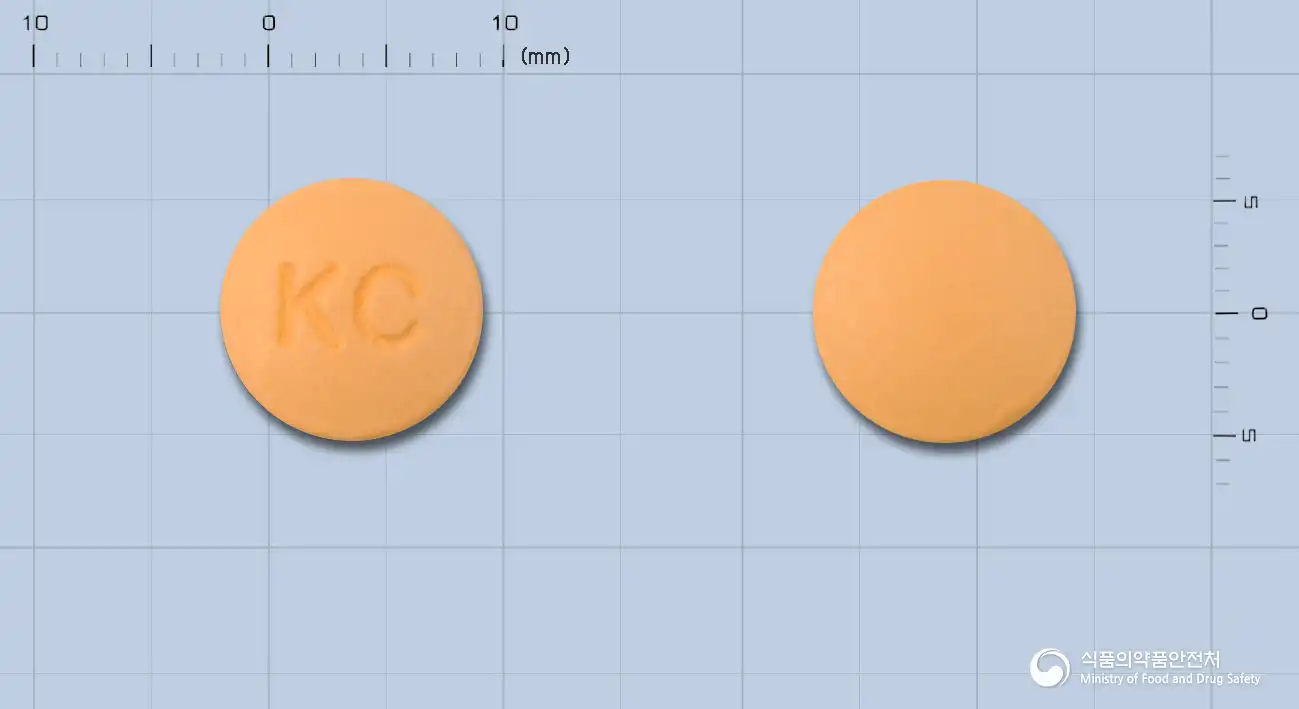
A round tablet with a light orange color.
200 tablets/bottle, 300 tablets/bottle
Even with the same ingredient, strength, dosage form and how it is taken can differ.
Viewing nowPotassium Chloride 600mg
Tablet · Prescription medication
Dongkwang Pharmaceutical Co., Ltd.
Potassium Chloride 0.15g
Solution · Prescription medication
JW Pharmaceutical Corporation
Potassium Chloride 0.15g
Injections · Prescription medication
Daehan Pharmaceutical Industry Co., Ltd.
Potassium Chloride 150mg
Prescription medication
Huons Co., Ltd.
Potassium Chloride 0.15g
Injections · Prescription medication
Jeil Pharmaceutical Co., Ltd.
Potassium Chloride 74.55mg
Injections · Prescription medication
Daehan Pharmaceutical Industry Co., Ltd.
Even with the same ingredient, the dose and directions can differ by strength and dosage form. Talk to a doctor or pharmacist before switching from a medication you are already taking.
No questions yet.
For anything that needs medical judgment, consult a doctor or pharmacist.
This drug information is based on data provided by the Korea Ministry of Food and Drug Safety.
Consult a doctor or pharmacist for accurate dosage, administration, and usage instructions.