
 한국어
 English
 日本語
 中文(简体)
 Viewing now
Montidine 25 mg (Levomepromazine)
Levosulpiride 25mg
Tablet · Prescription medication
Il Yang Pharmaceutical Co., Ltd.
MFDS item code 200001489 · Notified 2000.08.11 · Insurance code 641700470
Relief of functional dyspepsia symptoms (abdominal bloating, heartburn, nausea, etc.)
This medication helps relieve symptoms such as abdominal bloating, upper abdominal discomfort, heartburn, belching, nausea, and vomiting caused by functional dyspepsia. It is used to reduce the discomfort that patients experience in daily life and improve digestive function.
Adults: Take 25 mg of levosulpiride orally 3 times daily before meals.
This medication should not be used by women who are pregnant or may become pregnant, and by lactating women. It should also not be administered to patients who have gastrointestinal bleeding, mechanical obstruction, or are at risk of gastrointestinal perforation. It is contraindicated in patients with specific tumors such as pheochromocytoma, as it may cause hypertension. Patients with a history of allergic reactions to this medication or who cannot tolerate it should also not receive it. Care should be taken in patients with liver disease, bipolar disorder, and malignant breast disease. Additionally, this medication contains lactose, so patients with lactose intolerance or related genetic disorders should not take it. Caution is required when used in hypertensive patients, children, and the elderly, particularly in the case of overdose in children. Abnormal endocrine symptoms such as amenorrhea, galactorrhea, and gynecomastia may occur, and if any unusual symptoms appear, the medication should be discontinued immediately. Extrapyramidal symptoms such as tremors or tongue twisting and restlessness may rarely appear, and treatment should be stopped if such symptoms occur. Long-term use may lead to involuntary movements around the mouth, and these may persist even after stopping the medication, requiring careful attention. Gastrointestinal symptoms such as dry mouth, heartburn, nausea, vomiting, diarrhea, and constipation may occur. Cardiac-related issues such as hypertension or arrhythmias may also require monitoring. Serious adverse effects such as Neuroleptic Malignant Syndrome may occur, requiring immediate discontinuation of the medication and medical treatment if symptoms such as high fever, muscle rigidity, or altered consciousness present. Rarely, skin rash or edema may occur, along with flushing, fatigue, insomnia, drowsiness, dizziness, and unsteadiness. It is advisable to avoid activities requiring attention, such as driving or operating machinery, while taking this medication. There may be interactions with other medications, so caution should be exercised particularly when used in conjunction with anticholinergics, analgesics, digitalis preparations, and psychiatric medications. When combined with medications that carry a risk of cardiac arrhythmias, cardiac conditions should be closely monitored, and it should not be used with medications that cause electrolyte disturbances. Pregnant or lactating women should avoid taking this medication due to uncertainty about its effects on the fetus or newborn. The elderly should be cautious as reduced renal function may prolong the drug's presence in the body, requiring careful adjustment of dosage and intervals. This medication can suppress vomiting symptoms, so it should be used cautiously after accurately identifying the cause of vomiting, as there are reports of potential effects on reproductive function in animal studies. Furthermore, long-term high-dose administration has been associated with reports of tumor development in the pituitary gland or breast tissue, so vigilance is necessary with prolonged use.
Not everyone experiences these, and they can vary from person to person.
This medication should be stored in a tightly closed container to protect it from air and light. It is important to maintain a storage temperature between 1 and 30 degrees Celsius to ensure the drug's effectiveness and prevent degradation.
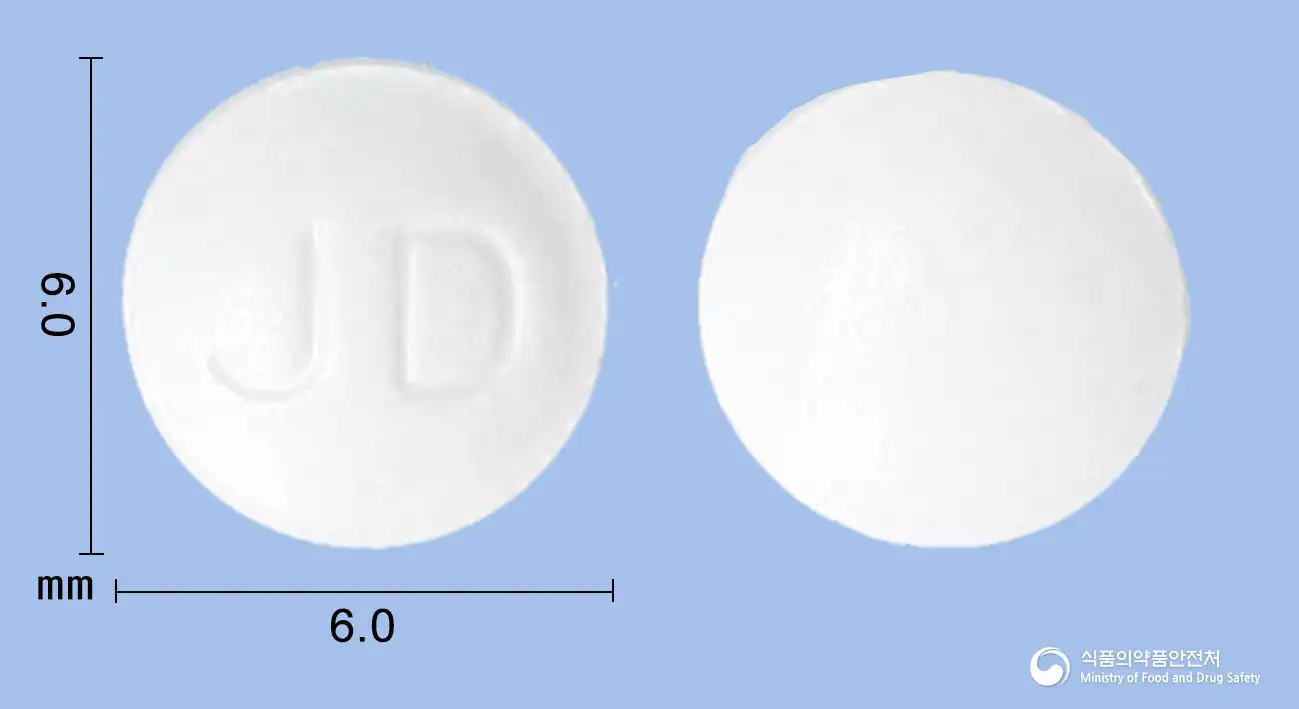
White round tablet
30 tablets/bottle, 100 tablets/bottle
Even with the same ingredient, strength, dosage form and how it is taken can differ.
Viewing nowLevosulpiride 25mg
Tablet · Prescription medication
Il Yang Pharmaceutical Co., Ltd.

Levosulpiride 25mg
Tablet · Prescription medication
SK Chemical Co., Ltd.

Levosulpiride 25mg
Tablet · Prescription medication
Shinpoong Pharmaceutical Co., Ltd.

Levosulpiride 25mg
Tablet · Prescription medication
Dongkwang Pharmaceutical Co., Ltd.
Levosulpiride 25mg
Tablet · Prescription medication
Il Dong Pharmaceutical Co., Ltd.

Levosulpiride 25mg
Tablet · Prescription medication
Hanoll Biopharma Co., Ltd.
Levosulpiride 25mg
Tablet · Prescription medication
Gonil Biopharm Co., Ltd.

Levosulpiride 25mg
Tablet · Prescription medication
Bionex Co., Ltd.
Even with the same ingredient, the dose and directions can differ by strength and dosage form. Talk to a doctor or pharmacist before switching from a medication you are already taking.
No questions yet.
For anything that needs medical judgment, consult a doctor or pharmacist.
This drug information is based on data provided by the Korea Ministry of Food and Drug Safety.
Consult a doctor or pharmacist for accurate dosage, administration, and usage instructions.