
 한국어
 English
 日本語
 中文(简体)
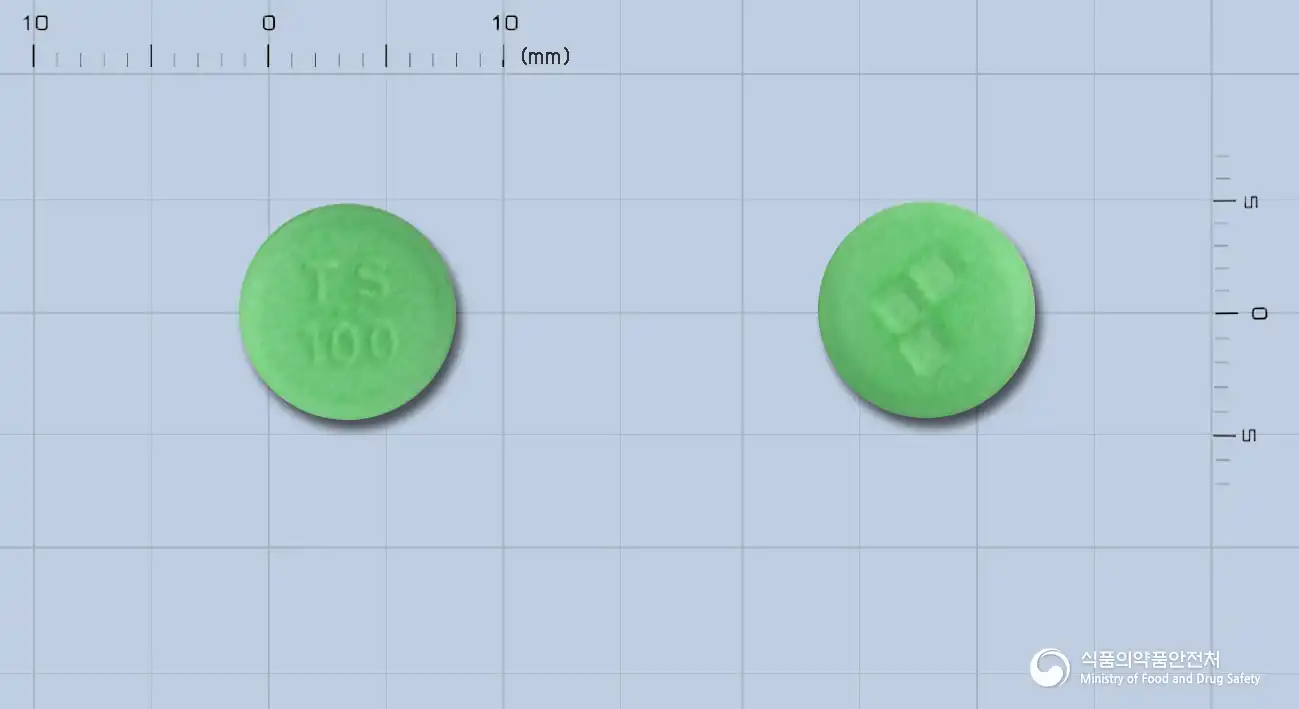 Viewing now
Tisercin 100 mg (Levomepromazine Maleate)
Levomepromazine Maleate 135.3mg
Tablet · Prescription medication
Myungin Pharmaceutical Co., Ltd.
MFDS item code 200001456 · Notified 2000.04.03 · Insurance code 651902180
Treatment of psychotic symptoms (schizophrenia, anxiety, etc.); enhances analgesic effects and improves sleep disorders
This medication is effective for psychomotor agitation and schizophrenia, and is used as an adjunct treatment for aggression and restlessness due to mental retardation, as well as for depression. It also helps with neurotic anxiety and sleep disorders, and is used to enhance the effects of analgesics. Overall, it contributes to the alleviation of psychiatric symptoms and pain management.
The therapeutic dose of this medicine should be adjusted according to the patient's clinical condition, and the minimum effective dose should be administered whenever possible. Adults: 1. Psychosis The initial dose is 25∼50 mg of levomepromazine per day, administered orally in 2∼4 divided doses, and may be increased to the maximum daily dose of 150∼250 mg. Once symptoms improve, administer a maintenance dose appropriate for the patient's condition. 2. Relief of neurotic anxiety, aggression, and agitation, and pain The initial dose is 6∼25 mg of this medicine per day, administered in 2∼4 divided doses, and may be increased to 75∼100 mg. Once symptoms improve, administer a maintenance dose appropriate for the patient's condition. 3. Sleep disorders Administer 10∼25 mg of this medicine once daily at bedtime. Adjust the dose as appropriate according to symptoms.
This medication should be used with extreme caution in elderly patients with dementia as it may increase mortality. Additionally, it may increase the risk of cerebrovascular disease; therefore, it should be used very carefully in patients at risk of stroke. When taking this medication, there is a risk of venous thrombosis, so risk factors for thrombosis should be identified and preventive measures should be taken in advance. This medication should not be administered to patients who are hypersensitive to it, those with liver, kidney, or hematologic disorders, and women who are pregnant or breastfeeding. Patients with severe hypotension, coma, specific neurological or cardiac diseases should also avoid using this medication. Elderly patients, or those with epilepsy, asthma, or cardiovascular diseases should use this medication cautiously, and those allergic to the dye in the medication should also be cautious. Drowsiness, dizziness, anxiety, and seizures may occur during use, so driving or operating dangerous machinery should be avoided. Blood pressure, liver function, and blood tests should be performed regularly, and if there are any symptoms of decreased blood cell count or heart-related issues, immediate consultation with healthcare professionals is necessary. This medication may interact with other drugs, so special care should be taken to avoid taking it with MAO inhibitors, antihypertensive agents, epinephrine, or alcohol. Women who are pregnant or may become pregnant should avoid this medication, and if breastfeeding, they should either stop breastfeeding or discontinue the medication. This medication should not be given to children, and elderly patients should start with a lower dose and gradually increase while monitoring the condition. In cases of overdose, severe Parkinsonian symptoms or coma may occur, and immediate treatment should be sought.
Not everyone experiences these, and they can vary from person to person.
This medication should be stored in a tightly sealed container to protect it from air and humidity. It is advisable to maintain a storage temperature between 1 and 30 degrees Celsius. This way, the effectiveness of the medication can be safely maintained for a longer period.
Pale green round film-coated tablets
30 tablets/bottle, 500 tablets/bottle
Even with the same ingredient, strength, dosage form and how it is taken can differ.
Viewing nowLevomepromazine Maleate 135.3mg
Tablet · Prescription medication
Myungin Pharmaceutical Co., Ltd.
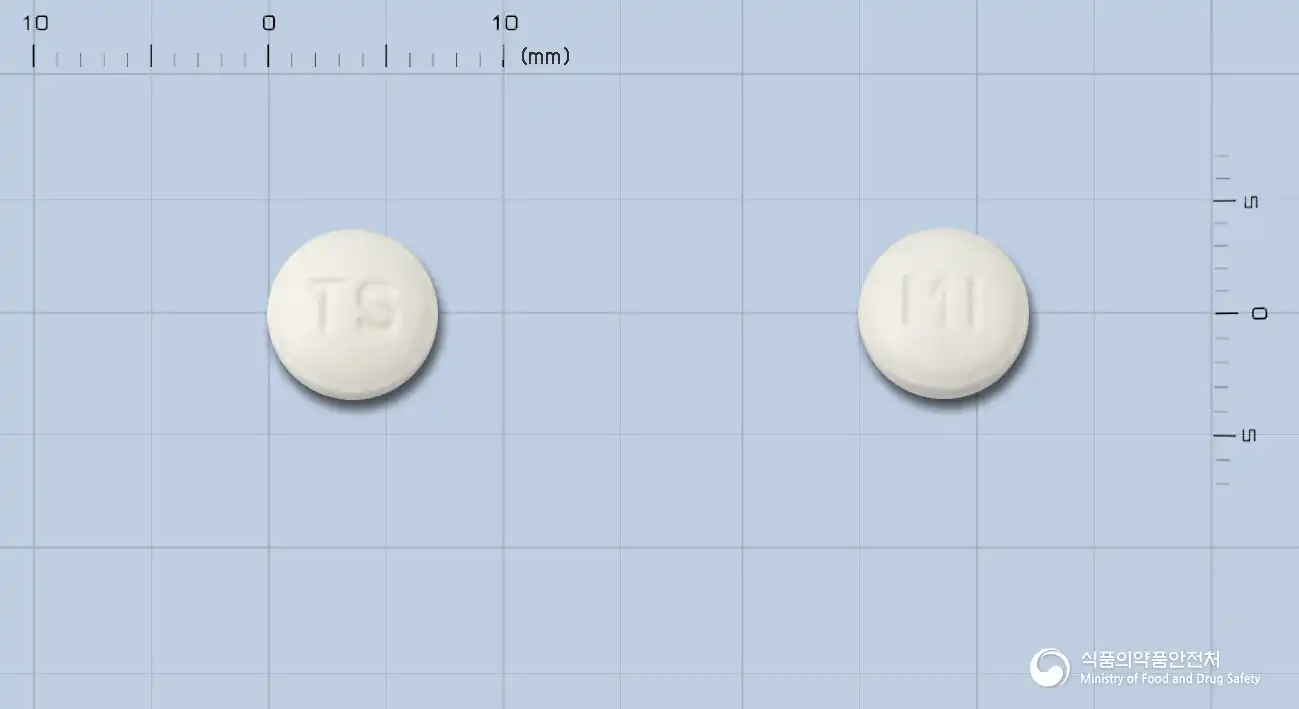
Levomepromazine Maleate 33.8mg
Tablet · Prescription medication
Myungin Pharmaceutical Co., Ltd.
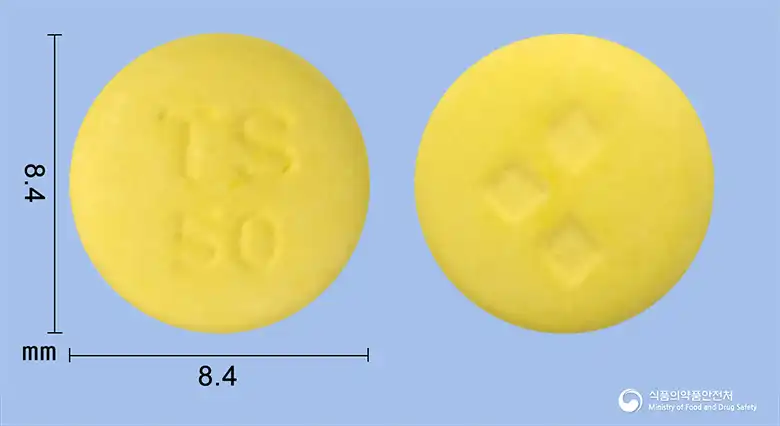
Levomepromazine Maleate 67.7mg
Tablet · Prescription medication
Myungin Pharmaceutical Co., Ltd.
Even with the same ingredient, the dose and directions can differ by strength and dosage form. Talk to a doctor or pharmacist before switching from a medication you are already taking.
No questions yet.
For anything that needs medical judgment, consult a doctor or pharmacist.
This drug information is based on data provided by the Korea Ministry of Food and Drug Safety.
Consult a doctor or pharmacist for accurate dosage, administration, and usage instructions.