
 한국어
한국어 English
 日本語
日本語 中文(简体)
 Viewing now
Dipyutabs Sustained-Release Tablets (Ibuprofen)
Ibuprofen 600mg
Tablet · OTC medication
Dongseong Pharmaceutical Co., Ltd.
MFDS item code 200001172 · Approved 2000.05.22 · Insurance code 643200290
Relief of inflammation and pain in rheumatoid arthritis and osteoarthritis (degenerative joint disorders)
This medication is effectively used for degenerative joint diseases such as rheumatoid arthritis, juvenile rheumatoid arthritis, and osteoarthritis. It also helps alleviate fever and pain caused by colds, back pain, dysmenorrhea, and postoperative pain. Additionally, it is used for ankylosing spondylitis, headaches, toothaches, muscle pain, neuralgia, acute gout, psoriatic arthritis, soft tissue injuries (sprains, contusions), and non-articular rheumatologic diseases (tendinitis, tenosynovitis, bursitis). It improves various pain and inflammation symptoms and aids in the recovery of the function of joints and soft tissues. Overall, it enhances patient comfort in daily life through pain relief and inflammation suppression.
Rheumatoid arthritis, osteoarthritis, ankylosing spondylitis, soft tissue injuries, non-articular rheumatologic diseases, acute gout, psoriatic arthritis: 1 tablet orally, 2 times a day. Mild to moderate pain, colds: 1 tablet orally, 2 times a day. Adjust dosage appropriately according to age and symptoms. A maximum of 3,200 mg can be administered per day.
Juvenile rheumatoid arthritis: 30-40 mg per kg of body weight, divided into 2 oral doses per day.
This medication should be consulted with a doctor or pharmacist before taking it if you consume alcohol regularly. This is because taking it with alcohol may increase the risk of gastrointestinal bleeding. This medication can increase the risk of serious cardiovascular problems such as myocardial infarction or stroke in individuals with cardiovascular diseases or risk factors. Therefore, special caution is required for those with cardiovascular diseases or those taking it for a long time. This medication can cause serious gastrointestinal issues such as gastrointestinal bleeding, ulcers, and perforation. The risk increases, especially in the elderly or with long-term use, so immediate consultation with medical personnel is necessary if any unusual symptoms occur. Individuals with a history of gastrointestinal ulcers or bleeding, severe liver, kidney, or heart diseases, and those allergic to this medication's ingredients should avoid taking it. Pregnant women in late pregnancy or those taking specific medications should also avoid using this medication. This medication should not be taken in excess of the recommended dosage, and it is safer not to take it with other non-steroidal anti-inflammatory drugs. If breastfeeding, this medication may pass into breast milk and cause side effects in the baby, so either stopping breastfeeding or discontinuing the medication is necessary. Individuals with blood disorders, liver dysfunction, kidney dysfunction, heart disease, hypertension, etc., must consult with medical personnel before taking this medication. Additionally, caution is needed because interactions with aspirin or specific medications may raise the risk of side effects. If severe allergic reactions, difficulty breathing, skin rash, bleeding, liver dysfunction, or kidney dysfunction occur during the use of this medication, stop taking it immediately and consult with medical personnel. This medication should be taken for the shortest possible duration at the minimum effective dose, and regular check-ups are necessary for long-term use. Especially for those with hypertension, heart failure, or kidney disease, blood pressure and kidney function must be carefully monitored during use. During pregnancy, especially after 20 weeks, this medication may affect fetal kidney function, so it should only be used at the minimum dose when necessary, and amniotic fluid status should be checked regularly. This medication should be stored out of reach of children and kept in its original container for safety and quality maintenance.
Hives, severe swelling (edema), chest tightness, difficulty breathing, cold sweat, paleness, severe rash with fever, blisters, skin peeling, pain in oral/ocular mucosa, asthma attack, respiratory issues accompanied by cough and fever, yellowing of the skin or eyes (jaundice), extreme lethargy, sudden and severe headache, lightning headache, seizures, confusion, vision abnormalities, paralysis, significantly reduced urine output, overall body
Not everyone experiences these, and they can vary from person to person.
Do not take this medication with other non-steroidal anti-inflammatory drugs, low-dose aspirin, or high-dose methotrexate. Consult with a doctor or pharmacist when using it with ACE inhibitors, lithium, furosemide, thiazide diuretics, coumarin anticoagulants (such as warfarin), and selective serotonin reuptake inhibitors.
This medication should be stored in a sealed container to prevent air and moisture from entering. It is important to maintain storage temperatures between 1°C and 30°C to ensure the medication's effectiveness is preserved for a longer time.
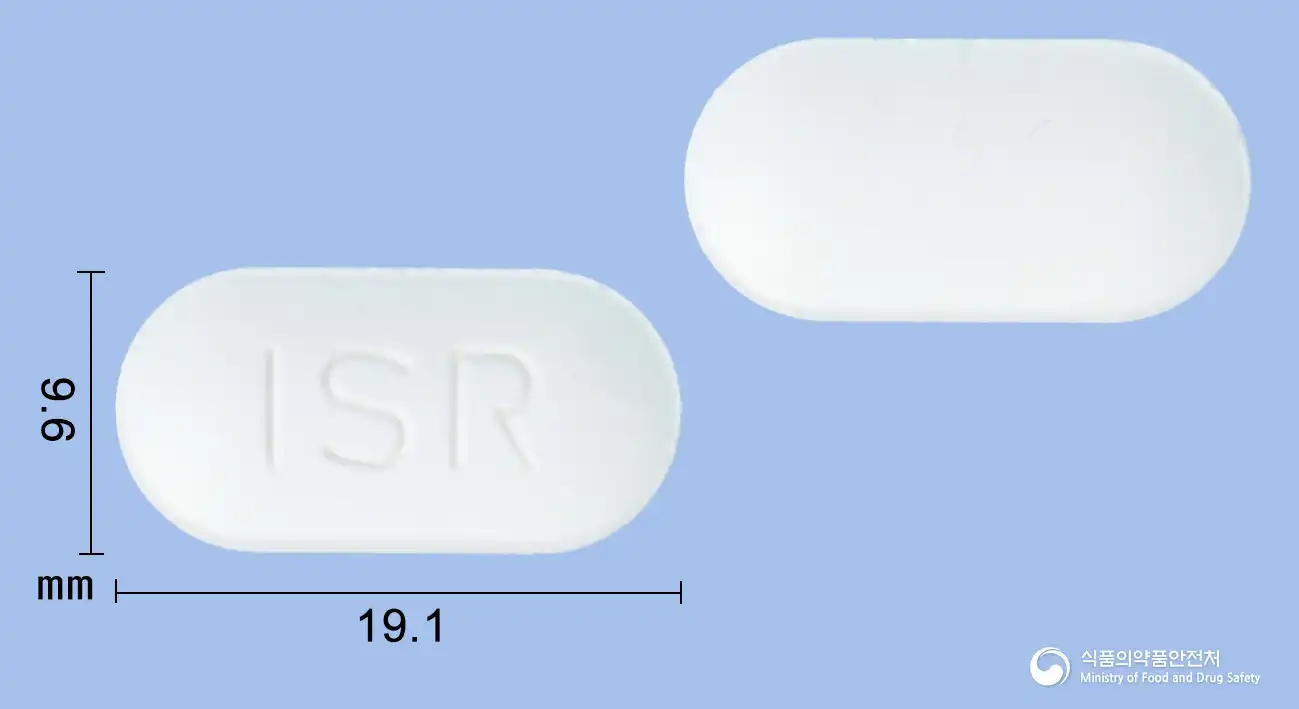
White rectangular tablets
10 tablets/PTP, 30 tablets/bottle, 200 tablets (10 tablets/PTP x 20), 500 tablets/bottle
Even with the same ingredient, strength, dosage form and how it is taken can differ.
Viewing nowIbuprofen 600mg
Tablet · OTC medication
Dongseong Pharmaceutical Co., Ltd.

Ibuprofen 200mg
Tablet · OTC medication
Samil Pharmaceutical Co., Ltd.

Ibuprofen 400mg
Tablet · OTC medication
Samil Pharmaceutical Co., Ltd.

Ibuprofen 400mg
Tablet · OTC medication
(Company) AProgen Biologics
Ibuprofen 200mg
Tablet · OTC medication
Taeguk Pharmaceutical Co., Ltd.
Ibuprofen 400mg
OTC medication
Youngpoong Pharmaceutical Co., Ltd.
Ibuprofen 2g
Suspension · OTC medication
Samil Pharmaceutical Co., Ltd.
Ibuprofen 2g
Suspension · OTC medication
Il Dong Pharmaceutical Co., Ltd.
Even with the same ingredient, the dose and directions can differ by strength and dosage form. Talk to a doctor or pharmacist before switching from a medication you are already taking.
No questions yet.
For anything that needs medical judgment, consult a doctor or pharmacist.
This drug information is based on data provided by the Korea Ministry of Food and Drug Safety.
Consult a doctor or pharmacist for accurate dosage, administration, and usage instructions.